Softly pink lenses have moved from nostalgic throwback to everyday accessory. Rose tint eyeglasses are showing up everywhere,from minimalist street style to high-fashion runways,because they can make an outfit feel intentional, relaxed, and a little bit romantic.
This article breaks down how to wear rose-tinted eyewear without looking costume-y, and how to balance aesthetics with everyday wear and lens features. Whether you want a subtle hue for daily wear or a bolder statement tint, you’ll find practical, style-focused guidance here.
We’ll look at how rose tint eyeglasses influence your overall look, how they can feel in different lighting, and what to know about fit, coatings, and UV labeling before you buy.
By the end, you’ll have a sense of which frame shapes can work with rose tints, how dark or light your lenses might be, and how to style them for work, weekends, and nights out,so you can choose a pair that feels modern, flattering, and easy to wear.
Why Rose Tint Eyeglasses Feel So Modern
Rose tints sit between playful and understated. Unlike strong mirrored lenses or ultra-dark shades, a pale pink wash can feel light and easy-going. It may soften facial features, and many people find it works well with a wide range of skin tones and both cool and warm color palettes in their wardrobe. While fashion rose tints aren’t medical devices, many wearers describe soft pink lenses as giving bright spaces a slightly different, sometimes softer, look.
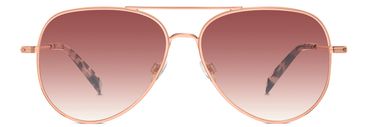
Aesthetically, rose tint eyeglasses fit well with current trends: clean lines, neutral basics, and curated color stories. A translucent frame with a faint blush lens can look effortless with a white tee and denim. A bolder, coppery-rose tint in a metal aviator frame leans into 70s nostalgia without feeling locked in the past.
Because the tint is visible to people interacting with you, rose lenses also become part of your personal style. They can signal creativity and a willingness to play with color, without the intensity of bright primary shades or mirrored finishes.
Style and Fit: Choosing the Right Rose-Tinted Frames
Start with the frame silhouette. If your wardrobe is minimal and tailored, you might like thin metal rounds, soft rectangles, or delicate cat-eyes with a barely-there rose lens. These shapes let the tint add interest without overwhelming your look. For a more fashion-forward aesthetic, oversized square frames or angular cat-eyes with a deeper rose tint can function as a statement accessory.
Color pairing matters. Clear, champagne, or light tortoiseshell frames keep the focus on the tint itself and can feel light on the face. Black or deep tortoiseshell can create a stronger contrast, turning rose tint eyeglasses into a focal point. If you tend to wear warmer tones, golden metals and honey acetates often harmonize with pink lenses; cooler tones may pair well with silver or rose-gold metals.
- Everyday subtle: Thin gold wire frames + pale rose tint (around 10-20% density) for lightly tinted indoor/outdoor wear.
- Creative office: Soft square acetate in champagne + blush tint for a polished yet relaxed vibe.
- Statement look: Oversized cat-eye + deeper rose-copper tint as a hero accessory.
- Sporty casual: Flat-top or shield style + gradient rose tint for weekends and travel.
Fit is just as important as style. Check that the frame width sits in line with your face, nose pads rest comfortably without sliding, and temples don’t press behind the ears. A well-fitted pair helps the frames feel easy to wear, so the tint and frame shape can stand out visually.
Comfort, UV Labeling, and When Rose Tints Are Commonly Worn
Beyond aesthetics, many people choose rose tint eyeglasses because they prefer how the tint looks in certain lighting. In everyday settings, that may mean that scenes appear slightly different compared with clear lenses, particularly under fluorescent or overcast conditions.
Tint color alone is different from UV filtering. Visible color and UV filtering properties are separate features. You can look for sunglasses that filter UVA and UVB rays, regardless of lens color. When shopping, check product labeling . UV filtering can be paired with clear lenses, light rose tints, or darker fashion shades.
In terms of common use cases, rose tints are often worn in moderate light: city streets, cloudy days, indoor-outdoor transitions, or workspaces with bright artificial lighting. For intense midday sun or strong glare, some people prefer a deeper tint, additional polarization, or a separate pair of sunglasses labeled for brightstrong light.
Key Takeaways and Next Steps with Rose Tint Eyeglasses
Rose tint eyeglasses bring a light, modern aesthetic that can soften your overall look and change how bright environments appear compared with clear lenses. When you choose a frame shape and tint depth that fit your wardrobe and routine, they can become an easy everyday accessory rather than a once-in-a-while novelty.
As you compare options, you might look for a balance of fit, color harmony with your skin tone and clothing, and lens details like UV filtering labels or reflection resistant coatings. That way, style and lens features work together in a way that feels right for you.
If you’re ready to experiment, you could start with a softly tinted pair in a simple frame you’d wear anyway. Check product details for UVA/UVB filtering if you’re interested in UV filtering, and consider reflection resistant coating to help reduce distracting reflections in mixed lighting. From there, you can explore bolder shapes and deeper tints as your confidence grows.
Curious about where to begin, subtle, statement, or something in between? You can also explore related guides on frame shapes, lens coatings, and everyday eyewear styling to help narrow down your choices.
Frequently Asked Questions
Are rose tint eyeglasses good for everyday wear?
Many people choose a light rose tint for daily use, especially in moderate light or indoor-outdoor settings. If you’ll wear them outside, you can check the product description for information about UVA/UVB or UV400 filtering.
Do rose-tinted lenses help with eye strain?
There isn’t one clear answer for everyone. Research has explored how different tints may relate to how we experience visual environments, but effects are individual. Some people simply prefer how a soft tint looks under certain lighting. Rose-tinted lenses are best viewed as a style and preference choice rather than a way to address specific symptoms. If you’re concerned about eye discomfort or other vision issues, talk with an eye care professional.
Can I get prescription rose tint eyeglasses?
In many cases, optical labs can add a rose tint to prescription lenses, including single-vision and progressive designs. If you’re interested in this, you can ask about available tint densities, gradient options, UV labeling, and any coatings you might want.
Are rose-tinted lenses suitable for driving?
Very light rose tints may be used in daytime by some drivers, but deeper or strongly colored lenses can alter how colors appear. Check local regulations for driving eyewear, and ask an eye care professional if you’re unsure which tint level is appropriate for your needs.
Do rose tint eyeglasses protect against blue light?
Standard rose tints are not the same as lenses marketed for blue-light filtering. Some tinted lenses may filter certain parts of the light spectrum, but if blue-light filtering is a priority for you, look for products described as blue-light filtering in the product information or consult an eye care professional about available options.
What outfits work best with rose-tinted glasses?
Rose-tinted lenses pair especially well with neutrals (white, beige, gray, denim) and soft pastels. You can treat them like a subtle accessory color that either echoes a pink tone in your outfit or provides a gentle contrast.
Legal Disclaimers
Medical Disclaimer
This content is provided for educational and informational purposes only and is not intended as medical advice, diagnosis, or treatment. This information should not be used to replace professional medical care or consultation. Individual results may vary significantly. Always consult with a qualified healthcare provider before making any decisions about your health, vision, or medical treatment. Never disregard professional medical advice or delay seeking treatment because of information you have read on this website.
Vision Care Disclaimer
Vision correction needs vary by individual. Consult an eye care professional for personalized assessment and recommendations.
FDA Disclaimer
These statements have not been evaluated by the Food and Drug Administration. This content is not intended to diagnose, treat, cure, or prevent any disease or medical condition.
Professional Consultation Required
Only qualified eye care professionals can provide personalized recommendations for your specific vision needs and health conditions. This article is for informational purposes only. It is not intended to provide medical advice or substitute for professional health services. Warby Parker complies with all HIPAA regulations regarding your health information. For personal health questions or concerns related to your vision or eyewear prescriptions, please consult a qualified healthcare provider.