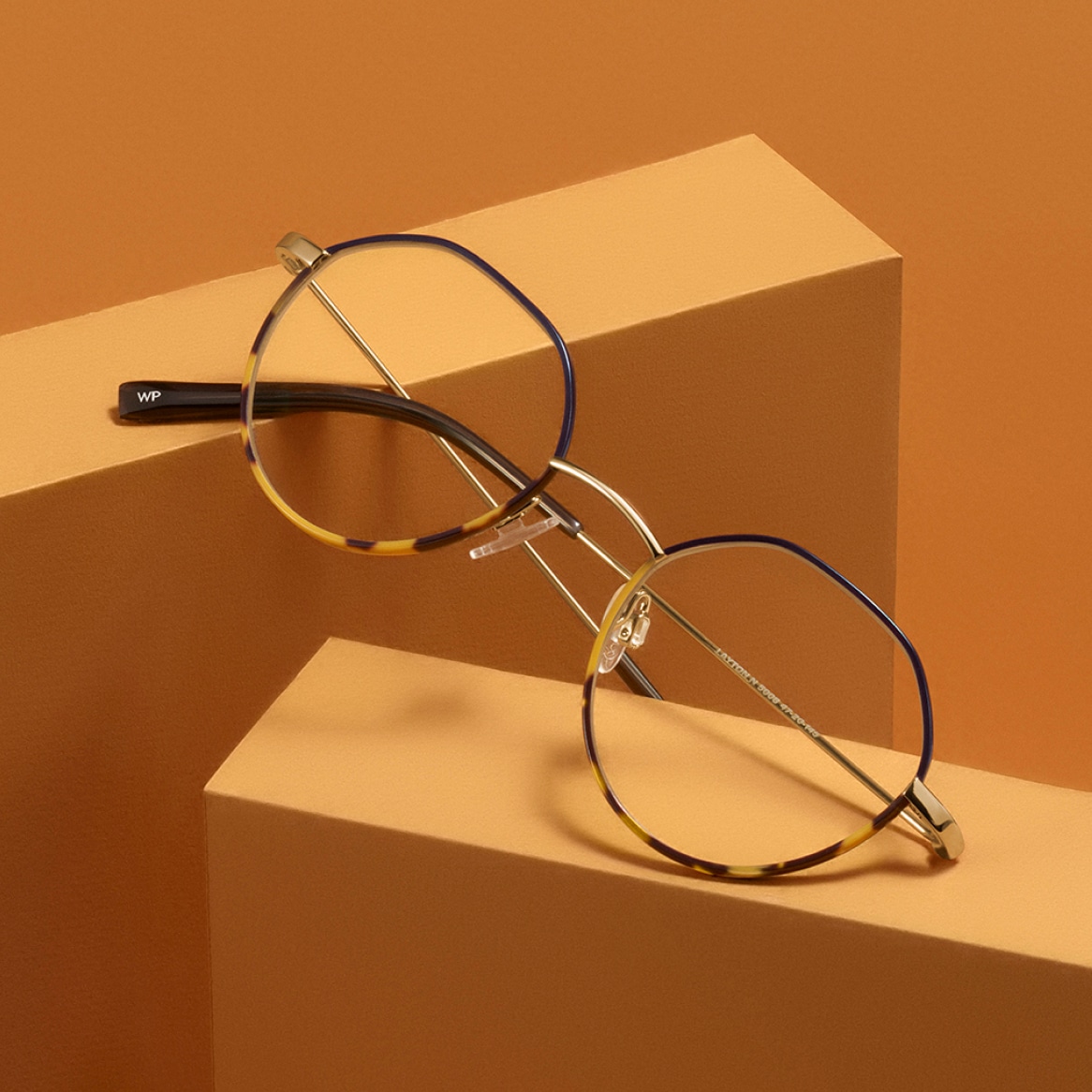
Stylish Reading Glasses for Men: A Modern Guide
If all that was close up and clear is now blurry and confusing, if you’re starting to push your phone farther away or squint at instructions, you’re not losing your grip–you’re just starting to need reading glasses. And rather than thinking you’re moving into that “grandpa” look, you’ll find that modern readers, with the right frames, can look intentional and pulled together, and become part of your overall style.
This guide is designed to help you think about reading glasses that feel intentional, modern, and aligned with your personal look.
We’ll walk through how to choose reading glasses that stylish men can wear in many settings-at the office, on video calls, or at dinner-so you don’t have to choose between something that fits your personal style and something you can use for reading.
You’ll get an overview of how presbyopia is commonly described, ideas for frame shapes and colors, a look at different lens options, and simple styling tips for working reading glasses into your everyday wardrobe.
Why Men Consider Reading Glasses – And How to Make Them Stylish
Presbyopia is a normal age‑related change in the eye’s ability to focus up close. Many people start to notice changes in near vision in their early to mid‑40s, such as small print, phone screens, and labels feeling less clear, even if distance vision seems unchanged.
Understanding this can make reading glasses feel less like a milestone and more like another everyday tool. The key is choosing frames that match your style the way you’d choose a watch or sneakers. Think of readers as a visible accessory that sits front and center on your face.
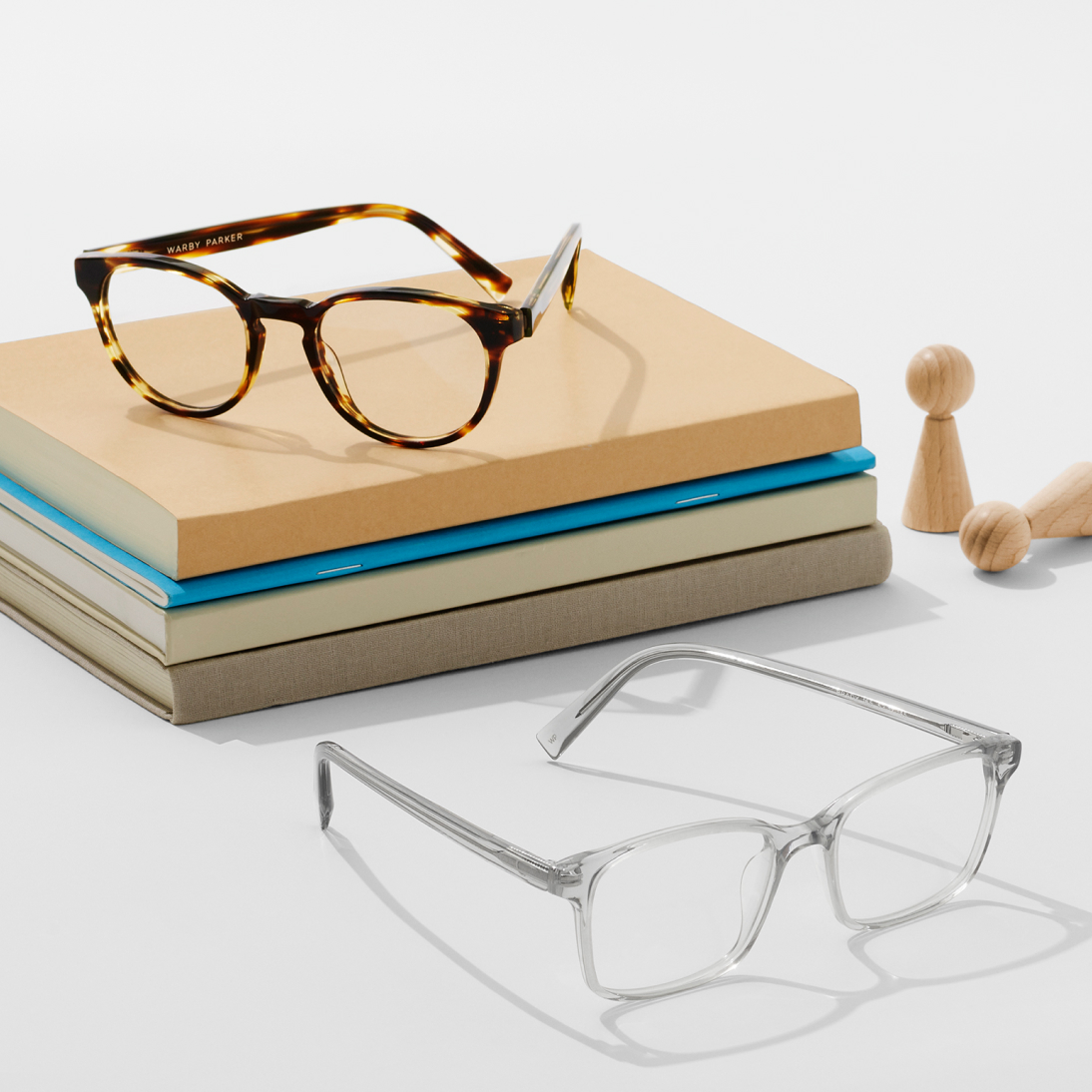
Start by deciding the vibe you want to project. Clean, thin metals can feel sleek and understated. Chunkier acetates can create a bolder, more expressive look. Tortoiseshell is a classic choice; matte black or deep navy can read as more contemporary.
It can also help to think about where you’ll wear them most. If your readers will stay mostly at your desk, you might experiment with a stronger color or shape. If you’ll be putting them on in client meetings or dinners, you may prefer understated shapes and neutral tones that work easily with your wardrobe.
Thinking about progressives?
Our progressives give you seamless near, intermediate, and distance vision in one pair of glasses
Frame Shapes and Colors for Stylish Men’s Reading Glasses
Face shape can be a useful starting point, even if you don’t follow it strictly. Style experts often suggest balancing your features rather than matching them. For example, softer, rounder faces are sometimes paired with rectangular frames, while more angular faces are often paired with slightly round or oval lenses, as noted in style guides on matching frames to face shape.
Color matters just as much. Dark tortoise, charcoal, and navy tend to work well with a wide range of outfits and settings. Clear or translucent acetates can feel modern without being too bold, while a subtle metal tone like gunmetal or brushed gold can coordinate with the watch or ring you already wear.
* Square & rectangular frames: Often chosen for round or oval faces; can create a structured, professional look.
* Round & P3 styles: Frequently paired with angular or square faces; can add a more relaxed or creative feel.
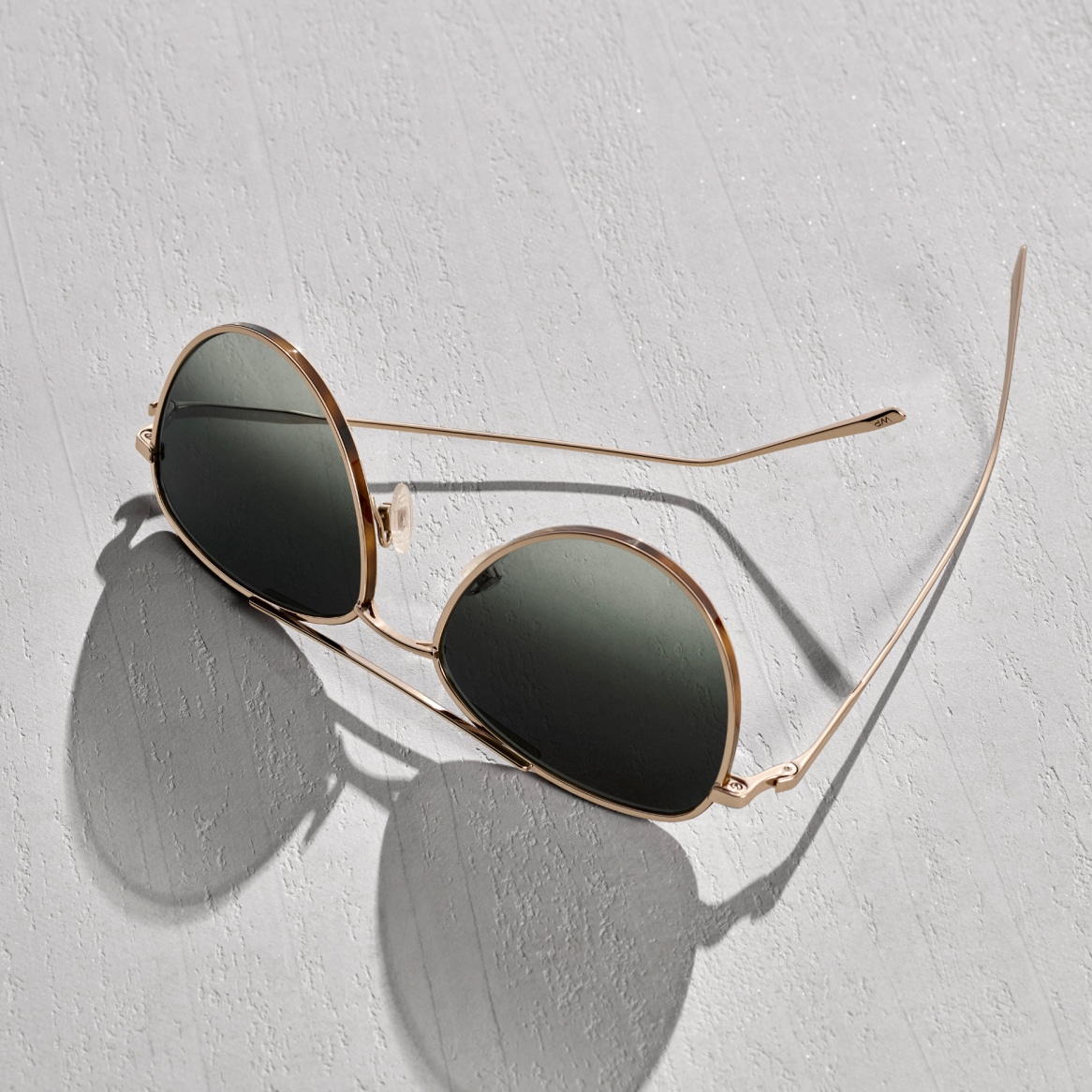
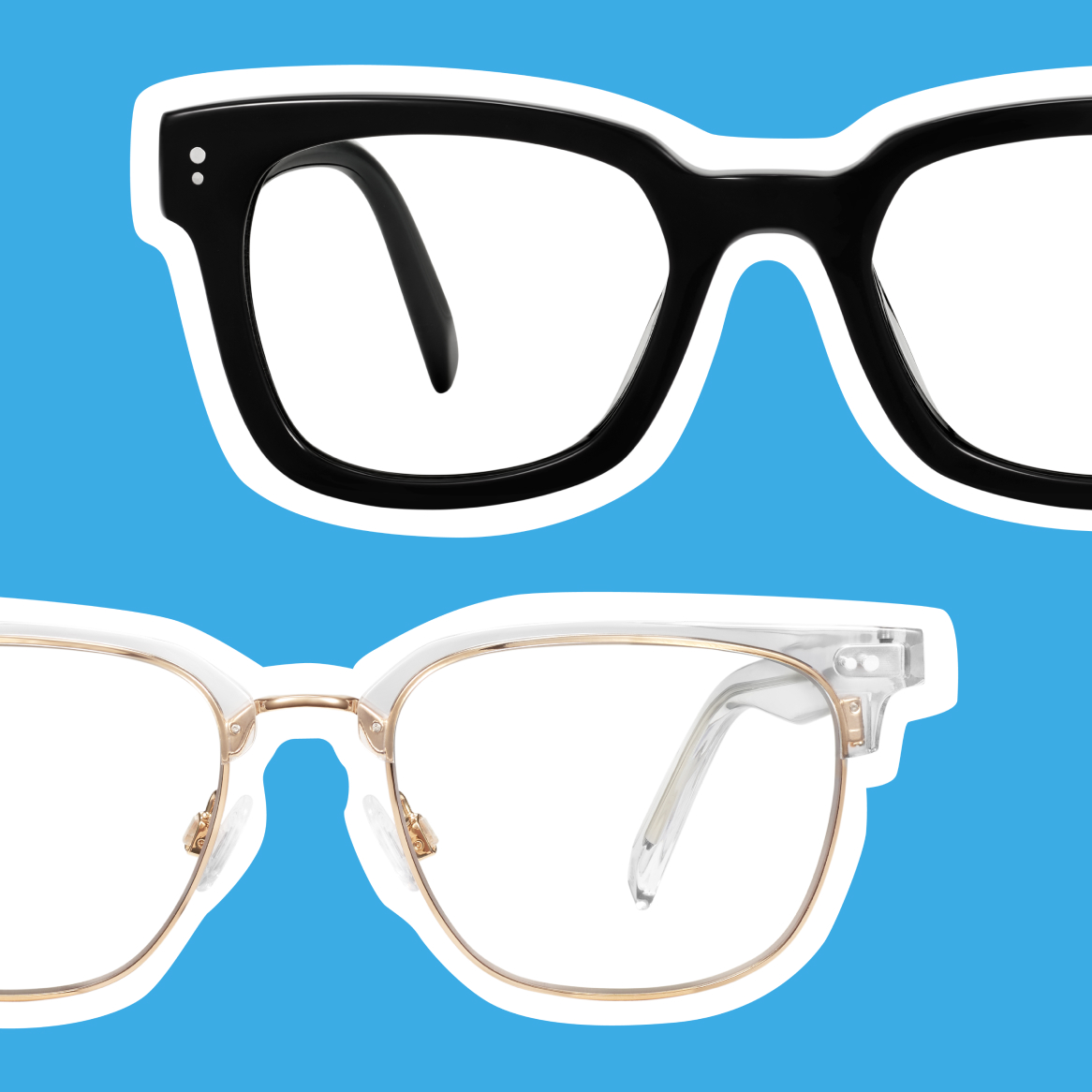
* Aviator & browline: Strong, distinctive profiles; work well if you like a bolder, vintage‑inspired look.
* Slim metal rectangles: Minimal and tech‑forward; easy to pair with everyday outfits.
As a general guideline, look for frames that are roughly as wide as your face (not much wider than your temples), sit comfortably on the bridge of your nose, and don’t push your eyebrows too high or hide them completely.
Lens Options for Everyday Reading Glasses
Lenses are what make stylish frames useful for everyday reading tasks. Single‑vision reading lenses are a common choice, especially if you primarily use glasses for up‑close activities. According to eyeglass basics from the American Academy of Ophthalmology, single‑vision lenses can be selected for a particular working distance, such as the distance at which you typically hold a book, phone, laptop, or tablet.
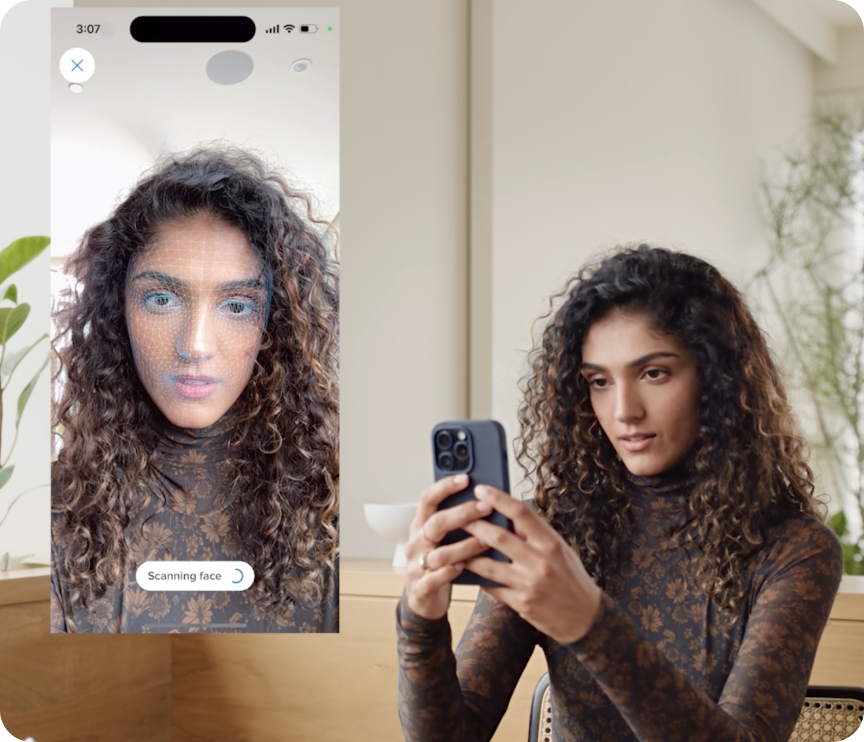
Need new glasses?
Vitually try on frames in the comfort of your own home
Some people who use glasses for multiple distances choose progressive lenses. These lenses include areas for distance, mid‑range, and close‑up viewing, and are often worn throughout the day for activities like driving, computer work, and reading.
There are also lenses designed for intermediate (computer) viewing distance that some people use primarily for screen‑based work. Features such as reflection-resistant coatings or blue‑light–filtering options are available on certain lenses; preferences for these features can vary from person to person.
Final Thoughts on Reading Glasses Stylish Men Will Wear Daily
Choosing reading glasses that stylish men can feel good wearing is a mix of understanding how your vision may change over time, what you like in terms of frame shape and color, and how you plan to use your glasses day to day.
A practical next step is to schedule a comprehensive eye exam. Along with guidance from the American Optometric Association, our eye care team suggest regular eye examinations for adults, especially after age 40. An eye care professional can assess your vision, discuss whether reading glasses or other options may be appropriate for you, and provide a prescription if needed.
As you try on different styles, pay attention to how the frames feel as well as how they look-on your nose, behind your ears, and with the clothes you wear most often. When you land on a pair that feels right for you and suits your style, reading glasses can become more than something you reach for only when you have to read small print; they can be part of your everyday look. Share this guide with a friend who hasn’t explored different frame options yet, or browse more eyewear content to get ideas for your next pair.
Time for a check-up?
Annual eye exams can help doctors detect eye and other health conditions, even before you have any symptoms
Frequently Asked Questions
1. At what age do most men start thinking about reading glasses?
Many people begin to notice changes in near vision around ages 40–45, when it’s common for presbyopia to develop, and when small print feels more difficult to see up close. If you’re noticing changes, an eye exam with an eye care professional can help determine what type of vision correction, if any, is appropriate for you.
2. How can I make sure my reading glasses look stylish?
Consider frames that balance your face shape, choose versatile colors like tortoise, black, or navy, and match metals to your watch or jewelry for a coordinated look. Trying on a variety of shapes and colors-either in person or virtually-can help you see what feels most like you.
3. Are drugstore readers right for me?
Over‑the‑counter reading glasses are widely available and come in standard strengths. They are not customized to your individual prescription or eye health. A comprehensive eye exam can help identify an appropriate lens power for you and provides an opportunity to discuss your overall eye health and any questions you have with an eye care professional.
4. What frame styles work well for professional settings?
Thin metal rectangles, subtle browlines, and medium‑thickness tortoiseshell frames are often chosen for professional environments because they tend to coordinate easily with shirts, blazers, and business‑casual outfits without feeling overly trendy.
Interested in Progressives?
Make an appointment with an eye doctor to discuss if progressives are right for you
5. Do I need different reading glasses for computer use?
Some people prefer a separate pair of glasses set for computer distance, especially if they spend a lot of time working at a screen. Lenses designed for intermediate viewing distance and features such as anti‑reflective coatings are options you can discuss with an eye care professional based on how you typically use your glasses.
6. How many pairs of stylish readers should I own?
This comes down to personal preference and lifestyle. Some people keep at least two pairs-for example, one pair they wear most days for work and social events, and another pair with a different color or shape that they keep at home, in a bag, or at a second workspace.
This article is for general informational purposes only and is not intended to be, and should not be taken as, medical advice, diagnosis, or treatment. It does not replace a consultation with an optometrist, ophthalmologist, or other qualified eye care professional about your specific vision or health needs. Always seek the advice of a qualified health care provider with any questions you may have regarding your eyes, vision, or a medical condition. If you think you may be experiencing a medical emergency, call 911 or your local emergency number immediately.
Need Glasses?
Shop prescription glasses starting at $95