Photochromic Prescription Glasses: One Pair for Changing Light
If you’ve ever stepped outside, squinted in bright sun, then fumbled for your sunglasses, you already know the problem photochromic lenses are designed to address. Constantly swapping between clear glasses and shades can feel inconvenient and easy to forget.
This guide explains how photochromic prescription eyeglasses can help reduce that juggling act by giving you a single, versatile pair for many different settings. You’ll learn what they are, how they respond to changing light, and whether they fit your lifestyle and budget.
We’ll walk through how photochromic prescription eyeglasses are designed to darken outdoors, remain clear indoors, and can include UV‑filtering features – without changing your prescription.
By the end, you’ll have a clearer sense of the real‑world pros and cons, common use cases, and key questions to ask before you order your next pair.
What Are Photochromic Prescription Eyeglasses and How Do They Work?
Photochromic lenses start as regular prescription lenses, then incorporate special molecules that react to ultraviolet (UV) light. When UV reaches the lens outdoors, these molecules change structure and absorb more light, making the lenses appear darker. Step back inside, UV exposure drops, the molecules return toward their original state, and the lenses gradually become clear again.
Photochromic lenses darken outdoors and return to clear indoors, which can be useful for people who move frequently between different environments. The prescription itself doesn’t change, only the tint level adjusts with light conditions.
Modern photochromic coatings are designed to remain essentially clear in typical indoor lighting and to darken in bright outdoor conditions. Activation speed can vary by product and temperature, but many lenses darken noticeably outdoors within a short period and then fade back indoors over several minutes. They’re also available in different base materials (including options for stronger prescriptions) and are typically compatible with extras such as anti‑reflective or blue‑light‑filter coatings.
Benefits of Photochromic Prescription Glasses for Everyday Life
For many wearers, the biggest advantage is convenience: one pair of glasses that can be worn in a wide range of light conditions. Instead of carrying a separate set of prescription sunglasses, you can often wear the same frames from your morning commute to evening errands.
Interested in dailies?
Talk to your eye doctor about making the switch
Many wearers also appreciate the convenience of not having to think about switching pairs when light changes. Photochromic lenses are designed to adjust their tint level based on UV exposure outdoors and remain clear indoors, which can simplify your daily routine.
Many photochromic lenses are designed to filter a high percentage of UVA and UVB rays, similar to many other UV‑filtering eyewear options. The American Academy of Ophthalmology recommends choosing sunglasses or lenses that screen a high level of UVA and UVB. Product‑specific performance (including exact UV‑filtering percentages) depends on the lens manufacturer and design.
For many people, this combination of clear indoor use, darker outdoor use, and UV‑filtering features makes photochromic lenses an appealing option. You may pay more than for a basic clear lens, but in some cases you might choose to use photochromic lenses as your primary pair instead of purchasing a separate pair of prescription sunglasses.
- Reduce the hassle of swapping between clear frames and prescription sunglasses
- Automatically adjust their tint level in response to outdoor UV exposure
- Include UV‑filtering features for outdoor use (specific performance varies by product)
- Offer a single pair that can be worn in many typical indoor and outdoor situations
Limitations, Tradeoffs, and Common Use Cases
Photochromic prescription eyeglasses are versatile, but they’re not perfect. Understanding the limitations can help you decide whether they work best as a primary pair, a backup, or if another option is a better fit.
Want to try something fresh?
We have all the top brands
First, most photochromic lenses depend on UV light to activate. Since many modern car windshields filter a significant portion of UV, photochromic lenses may only partially darken while you’re driving. Some newer product formulas are designed to be more responsive in the car, but if driving in bright sun is your main concern, you might still prefer a dedicated pair of polarized prescription sunglasses for certain conditions.
Second, temperature can influence how these lenses behave. In very hot conditions, some photochromic lenses may not get as dark; in very cold conditions, they may darken more and take longer to fade back indoors. If you live in an extreme climate or move in and out frequently, this transition time is worth considering.
Photochromic prescription glasses are commonly used by office workers who take regular outdoor breaks, commuters, parents and caregivers frequently going in and out of buildings, students on campus, and anyone who prefers not to carry multiple pairs of glasses. Some people who spend a lot of time outdoors or driving also choose a dedicated pair of polarized prescription sunglasses for specific activities, and use photochromic lenses as their everyday pair.
Key Takeaways and Next Steps with Photochromic Prescription Eyeglasses
Photochromic prescription eyeglasses are designed to offer clear use indoors, and a darker tint outdoors, in one pair. They reduce the need to switch between separate clear glasses and prescription sunglasses and are a flexible option for people who move between different lighting environments during the day.
If you’re tired of juggling glasses and sunglasses, your next step is to compare lens options, ask your eye‑care provider about activation speed, driving performance, and tint choices, and decide whether photochromic lenses might replace or complement your current sunglasses.
Have questions about how these lenses might work in your specific routine-commuting, kids’ activities, or travel? Consider discussing your day‑to‑day schedule with your eye‑care provider, explore related guides on lens types and coatings, and use those details to select a pair that aligns with your preferences for style and light conditions.
Travel lighter
Consider light-responsive lenses or Clip-Ons in lieu of traditional sunglasses
Frequently Asked Questions
Are photochromic prescription eyeglasses good for driving?
Photochromic lenses may darken to some degree in bright conditions, but most don’t fully darken behind a UV‑filtering windshield. Because of this, some drivers also use a dedicated pair of polarized prescription sunglasses for long or high‑glare trips.
Interested in daily contact lenses?
Consider our selection of daily contacts for lasting hydration
Do photochromic lenses work inside a car?
They usually activate only partially in the car because many windshields filter much of the UV light they rely on. Some newer product formulas are designed with driving in mind, so you can ask your eye‑care provider or eyewear retailer about photochromic options that are described as more “drive‑friendly.”
How long do photochromic lenses take to darken and clear?
In many products, photochromic lenses darken noticeably outdoors within a short period (often within about a minute) and then fade back indoors over several minutes. Cooler temperatures may lead to darker activation, while higher temperatures may limit how dark they appear.
Do photochromic prescription eyeglasses protect against UV?
Many photochromic lenses are designed to filter a high percentage of UVA and UVB rays. The exact level of UV filtering varies by product, so checking the specifications provided by the lens manufacturer or retailer can help you understand how a particular lens is described.
Are photochromic lenses worth the extra cost?
It depends on how you use your glasses. Some people prefer having a single pair that can be worn in many indoor and outdoor settings, while others like having both clear prescription glasses and a separate pair of prescription sunglasses. Thinking about how often you switch between different environments, and how much you want to carry multiple pairs, can help you decide whether the additional cost feels worthwhile.
Can I get photochromic lenses with high prescriptions or progressives?
Yes. Many lens manufacturers offer photochromic options in single‑vision, progressive, and high‑index materials, so these lenses can be used with a wide range of prescriptions. Availability can vary, so it’s helpful to confirm options with your eye‑care provider or eyewear retailer.
Citations
Sunglasses Recommendation Types – American Academy of Ophthalmology https://www.aao.org/eye-health/glasses-contacts/sunglasses-recommended-types
*Disclaimer: This material is for general informational purposes only and is not intended as medical advice, diagnosis, or treatment. It should not be used as a substitute for professional medical judgment. Always consult an eye‑care professional or other qualified healthcare provider with any questions you have about your eyes, vision, or health, and before making decisions about eye care or eyewear. If you are experiencing a medical emergency, call 911 or your local emergency number immediately.*
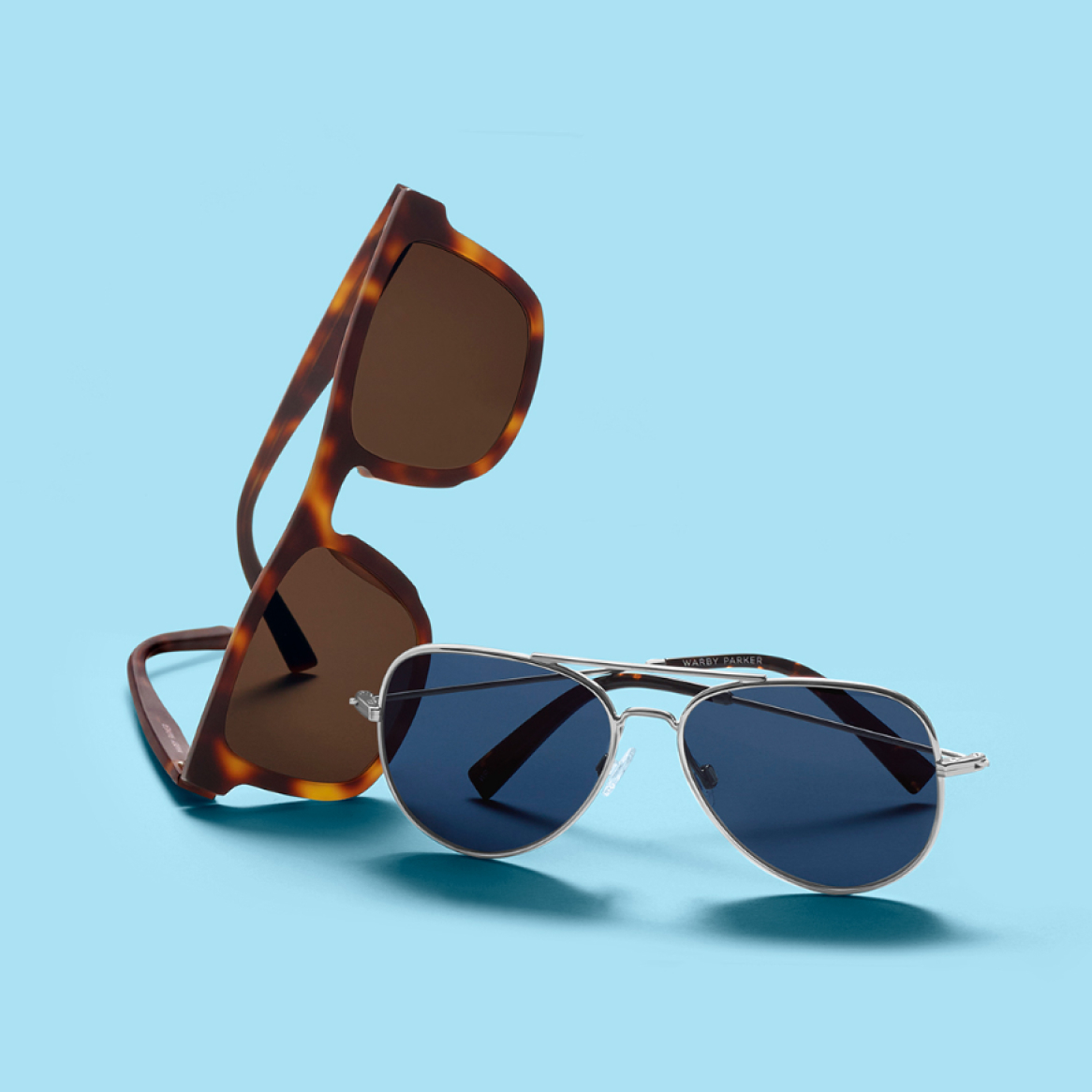
Need sunglasses?
Starting at $95, with free shipping.