Oversized glasses appear seemingly everywhere, from city streets to music videos, but choosing them can be a challenge. When oversized eyeglass frames are chosen correctly, they fit well while also looking intentional, modern, and expressive.
This article is designed to help you explore bold frames while keeping overall fit in mind. Instead of guessing based on trends alone, you’ll walk through some of the factors that can influence how a big frame works for your face and day-to-day routine.
You’ll see general guidelines for choosing oversized eyeglass frames that sit on your nose, relate to your eyes, and work with your facial features. We’ll cover how oversized glasses typically fit, how to think about face shape, key sizing details to check, and common mistakes to avoid before you buy.
Understanding Oversized Eyeglass Frames
“Oversized” does not mean “one-size-fits-all.” It usually means the lenses and frame front are larger than many traditional styles. The goal is a deliberate, slightly exaggerated proportion, not glasses that slide, pinch, or visually dominate your face. Basic sizing still matters, even when the aesthetic is big and bold.
Fit can influence both how glasses feel and how well they work for you. Optometrists and other eye care professionals often discuss why eyeglass fit matters, highlighting the role of bridge fit, lens alignment, and temple length in overall eyeglass fit. In other words, a fashionable oversized frame still follows the same basic fitting principles as any other pair of glasses.
Fit professionals also talk about the fitting triangle, the bridge of the nose and the area behind each ear. Even with a large frame front, weight is typically distributed across these three points. When oversized frames follow this triangle, they can sit more evenly on your face.
How Oversized Glasses Should Fit and Feel
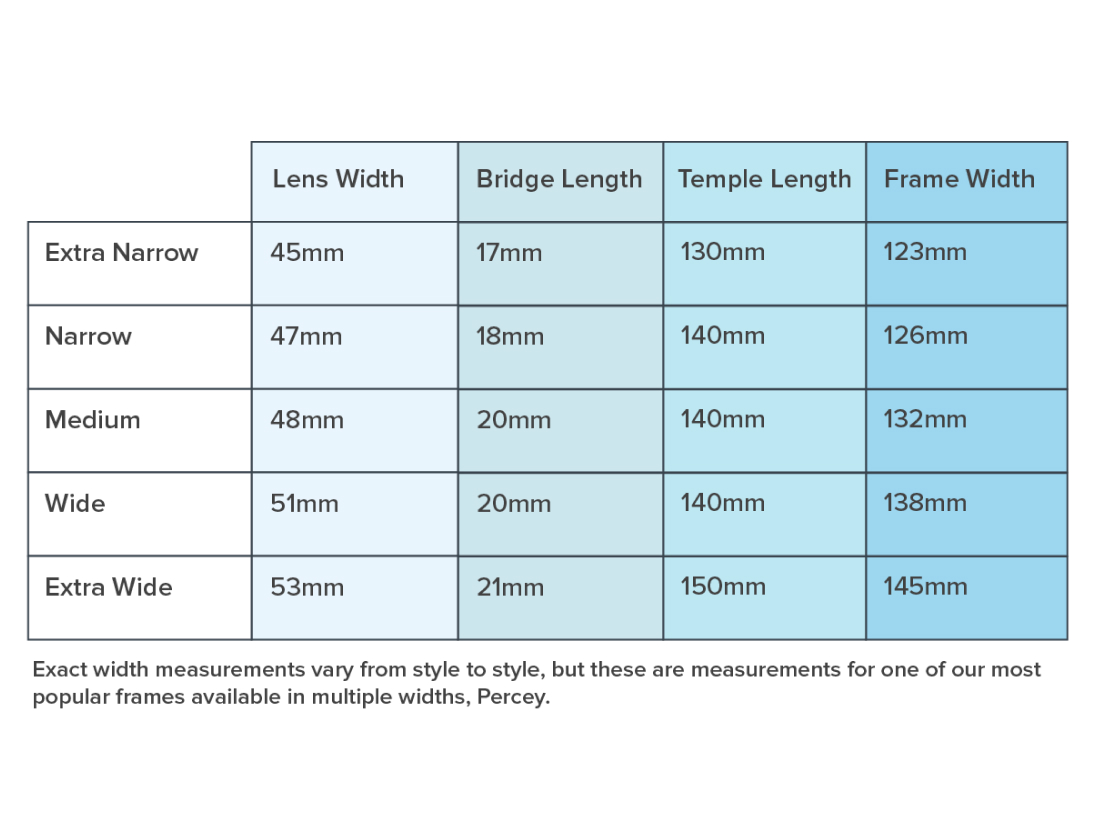
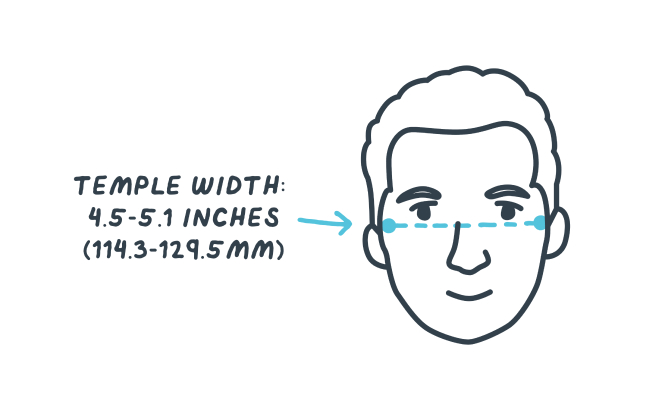
Start with overall width. A commonly used guideline is choosing frames roughly as wide as the broadest part of your face. This can help oversized styles look intentional rather than overwhelming, and may reduce the chance of temples digging into the sides of your head or flaring out.
Next, look at where the frame sits vertically. The top line often sits close to your brows without covering them completely, and the lower rim generally hovers above your cheeks. If the frame rests on your cheeks, it may lift when you smile, lead to makeup transfer, or feel less stable.
- Bridge fit: The bridge should rest in a way that feels secure without noticeable slipping or pinching. If the glasses slide down frequently, the frame may be too wide or the nose pads may need adjustment from an eye care professional.
- Eye position: Many fit guides suggest that your pupils be near the horizontal and vertical center of each lens, even when the lens itself is large.
- Temples: Arms usually extend straight back and curve gently over your ears without creating pressure points.
- Movement check: When you nod and turn your head, well‑adjusted oversized frames typically stay in place with only minor movement.
If you notice ongoing red marks on your nose, frequent slipping, or other discomfort, the frame may not be the right size or may need an adjustment from an eye care professional.
Choosing Oversized Frames for Your Face and Lifestyle
Face shape can be a helpful starting point, but not a strict rule. Round faces often pair well with angular oversized frames that add structure. Square faces may choose rounded or oval lenses to soften strong angles. Heart-shaped faces might prefer slightly wider lower rims to balance a broader forehead. Oval faces can usually explore a wide range of bold looks.
Color and thickness matter just as much as size. Very thick, dark frames in a large silhouette will generally read bolder than slim metal frames of the same width. If you’re new to oversized eyeglass frames, a thinner rim or translucent acetate can offer a similar look that feels a bit more subtle.
Lifestyle can also guide your choices. If you spend long days on screens, you may prefer light, flexible materials and frames that are adjusted to sit comfortably for extended wear. Active wearers might look for spring hinges and secure temple tips that may help larger frames stay in place during movement. For those who wear progressives, lens height is one factor eye care professionals consider when designing lenses with multiple focal zones.
Key Takeaways and Next Steps with Oversized Eyeglass Frames
Oversized eyeglass frames can be a stylish and expressive option when you give fit and comfort similar attention as fashion. Looking at overall width, how the bridge sits on your nose, where your eyes fall within the lenses, and how weight is distributed across the fitting triangle can help big frames feel more secure on your face.
As you explore options, you can use a simple checklist: look at whether the frame width suits your face, notice how the bridge and temples feel over several minutes, and check where your pupils sit within the lens area. If anything feels off, consider asking an eye care professional about alternative sizes or possible adjustments.
When you’re ready, you can try a few oversized styles side by side, varying shape, color, and material, to see which combination matches your features and daily routine. You might also ask for input from a friend or optician, and request adjustments so your frames feel personalized to you.
Frequently Asked Questions
Are oversized eyeglass frames flattering on small faces?
Oversized eyeglass frames can be flattering on small faces when the width is close to your cheekbone width and the frame does not extend far beyond your temples. Lighter colors and thinner rims are often perceived as more balanced on smaller faces.
How big is “too big” for oversized glasses?
Frames may be too big if they rest on your cheeks, slide down your nose often, or make your eyes sit very high or very low in the lenses. Oversized frames generally look most intentional when they appear proportionate to your features rather than costume-like.
Do oversized eyeglass frames cause more eye strain?
Eye strain can have many causes. Frame size is only one factor, and how your glasses are fitted is also important. If you have questions about eye strain or other symptoms, talk with an eye care professional.
Which face shapes suit oversized glasses well?
Most face shapes can wear oversized glasses. Round faces often pair well with angular shapes, while square faces may choose rounder frames to soften strong lines. Proportion and balance are key, and personal preference should lead the way.
Can I get progressive lenses in oversized frames?
In some cases, progressive lenses can be used in oversized frames, depending on frame height, your measurements, and your prescription. An eye care professional can help determine what’s appropriate for you.
What materials work well for large frames?
Lightweight acetate, titanium, and stainless steel are popular choices for large frames. These materials can offer structure without excessive weight, which many people find appealing in larger designs.
Legal Disclaimers
MEDICAL DISCLAIMER
This content is provided for educational and informational purposes only and is not intended as medical advice, diagnosis, or treatment. This information should not be used to replace professional medical care or consultation. Individual results may vary significantly. Always consult with a qualified healthcare provider before making any decisions about your health, vision, or medical treatment. Never disregard professional medical advice or delay seeking treatment because of information you have read on this website.
VISION CARE DISCLAIMER
Vision correction needs vary by individual. Consult an eye care professional for personalized assessment and recommendations.
FDA DISCLAIMER
These statements have not been evaluated by the Food and Drug Administration. This content is not intended to diagnose, treat, cure, or prevent any disease or medical condition.
PROFESSIONAL CONSULTATION REQUIRED
Only qualified eye care professionals can provide personalized recommendations for your specific vision needs and health conditions.
This article is for informational purposes only. It is not intended to provide medical advice or substitute for professional health services. Warby Parker complies with all HIPAA regulations regarding your health information. For personal health questions or concerns related to your vision or eyewear prescriptions, please consult a qualified healthcare provider.