Glasses for High Nose Bridges: Finding a More Secure Fit
If your glasses constantly slip centimeter by centimeter down your nose, or leave red divots by early afternoon, your nose bridge-not your prescription-may be playing a role. A high nose bridge changes where frames sit, and most mass-made designs are built for an “average” nose that many of us simply don’t have.
This guide breaks down how to choose glasses that take your facial features into account, so your frames can feel more secure and comfortable throughout the day. Instead of fighting your glasses, you can get a better sense of how to make them work with a prominent bridge.
We’ll look at what “high nose bridge” really means, frame features to consider for high nose bridge shapes, and the specific frame details-bridge style, nose pads, width, and weight-that influence how likely frames are to slide or feel tight.
By the end, you may have a clearer idea of what to look for when shopping, what to ask your optician to adjust, and how to work toward a comfortable, tailored-feeling fit.
Understanding a High Nose Bridge and Why Fit Matters
Although anatomy texts define the nasal root and nasal bridge by specific skeletal landmarks (such as the nasion), in practical usage a ‘high’ nasal bridge is often understood as a more prominent bridge that starts ‘higher’ on the face and appears above the pupils in frontal profile. Research in craniofacial anthropometry shows that nasal height, width, and overall bridge shape vary widely among individuals and across populations – which helps explain why a single bridge shape or size doesn’t work for everyone when it comes to eyewear fit and comfort.
For people with higher bridges, some standard frames may rest too high or make contact on a relatively small area, so gravity can gradually pull them down. That familiar “push-up” motion on your nose often signals that the frame isn’t aligning well with your underlying structure.
Ill-fitting bridges don’t just change how glasses look on your face; they can affect how comfortable your frames feel. Studies on the pressure effects of spectacle frames on the nose suggest that when weight is concentrated on a small area of the bridge, this can be associated with increased pressure and visible marks on the skin.
Choosing glasses that are designed-or at least adjusted-to work with a higher bridge can help distribute weight more evenly, may help align lenses in relation to your eyes, and can feel more comfortable at the nose and ears. That’s the basis of a pair that feels easier to wear.
Want to try them on?
Check out our beselling progressive frames
Key Frame Features in Glasses for High Nose Bridge
When you’re shopping, it can help to evaluate frames by their contact points, not just their color or shape. Three details are especially useful to consider: bridge style, nose pads, and overall width.
Bridge style. A keyhole bridge (with a little cutout that resembles a keyhole) often works well on higher bridges because it typically rests slightly lower and can distribute weight along the sides of the nose instead of concentrating it at a single point. A well-contoured saddle bridge can also be a good option if it isn’t too narrow or set too high.
Nose pads. Adjustable nose pads can offer additional flexibility. Metal frames with silicone pads or high-quality pad arms allow an optician to move the frame slightly down and forward or closer in, so it sits on a broader part of your bridge. This adjustability can be especially useful if your bridge is both high and relatively narrow.
Frame and bridge width. Frame width and bridge width work together. Bridge width affects frame fit and bridges that are too wide are more prone to sliding, while those that are too narrow can feel like they’re perched or pinching. For a higher bridge, many people look for a snug-but not squeezing-bridge size so the frame rests where the nose feels more stable.
Frame Styles and Materials Often Chosen for Higher Bridges
Once you understand how these mechanics work, certain frame styles and materials are often chosen by people with higher bridges.
Lightweight metals-such as titanium or stainless steel-with adjustable pads are a common choice. They’re often lightweight and can typically be adjusted at the nose and temples.
Acetate or plastic frames can also work well, as long as the bridge is thoughtfully shaped. Some people look for deeper keyhole bridges, a gentle curve instead of a sharp peak, and enough depth so the frame contacts the sides of the bridge rather than resting mainly on its highest point.
For overall shape, your brow line can be a helpful reference. Frames that generally follow your natural brow (such as classic rectangles, soft squares, or rounded rectangles) may sit in a way that many people find visually balanced on a more prominent bridge compared with shapes that sit much lower on the face. Frame selection and facial feature alignment can support both stability and appearance.
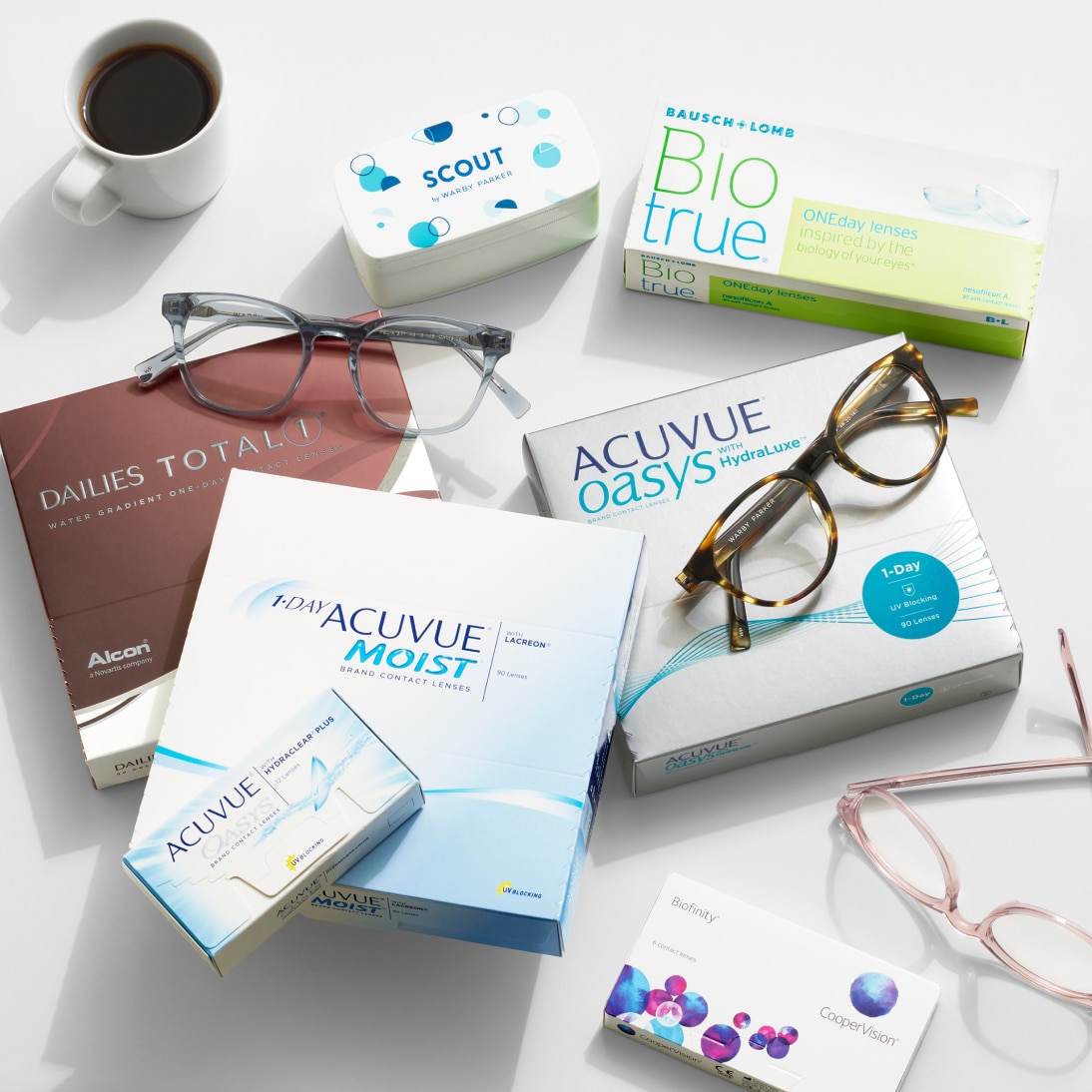
Need new contacts?
We carry dozens of top brands
Final Thoughts on Glasses for High Nose Bridge Fit
Finding glasses for high nose bridge shapes is less about trial and error and more about knowing which details to pay attention to: bridge style, adjustability, width, and weight. When those elements work well with your features, they may help reduce sliding, pinching, and frequent readjustments.
As a next step, you might narrow your options to frames with keyhole or well-shaped saddle bridges, adjustable nose pads, and relatively lightweight materials. Then, consider asking an optician to fine-tune pad position and temple tension so the frame sits comfortably and feels more secure.
If you’ve found frames challenging to fit in the past, you can use this guide as a checklist while you browse and get fitted. And if you still have questions about bridge height, frame size, or specific styles, you can explore related fit guides or talk with an eyewear professional to continue refining what feels right for you.
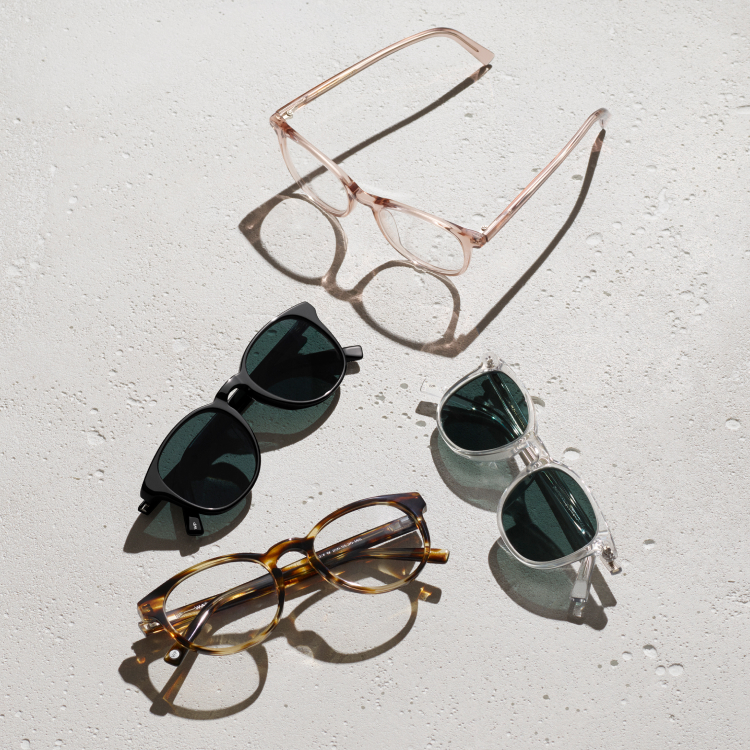
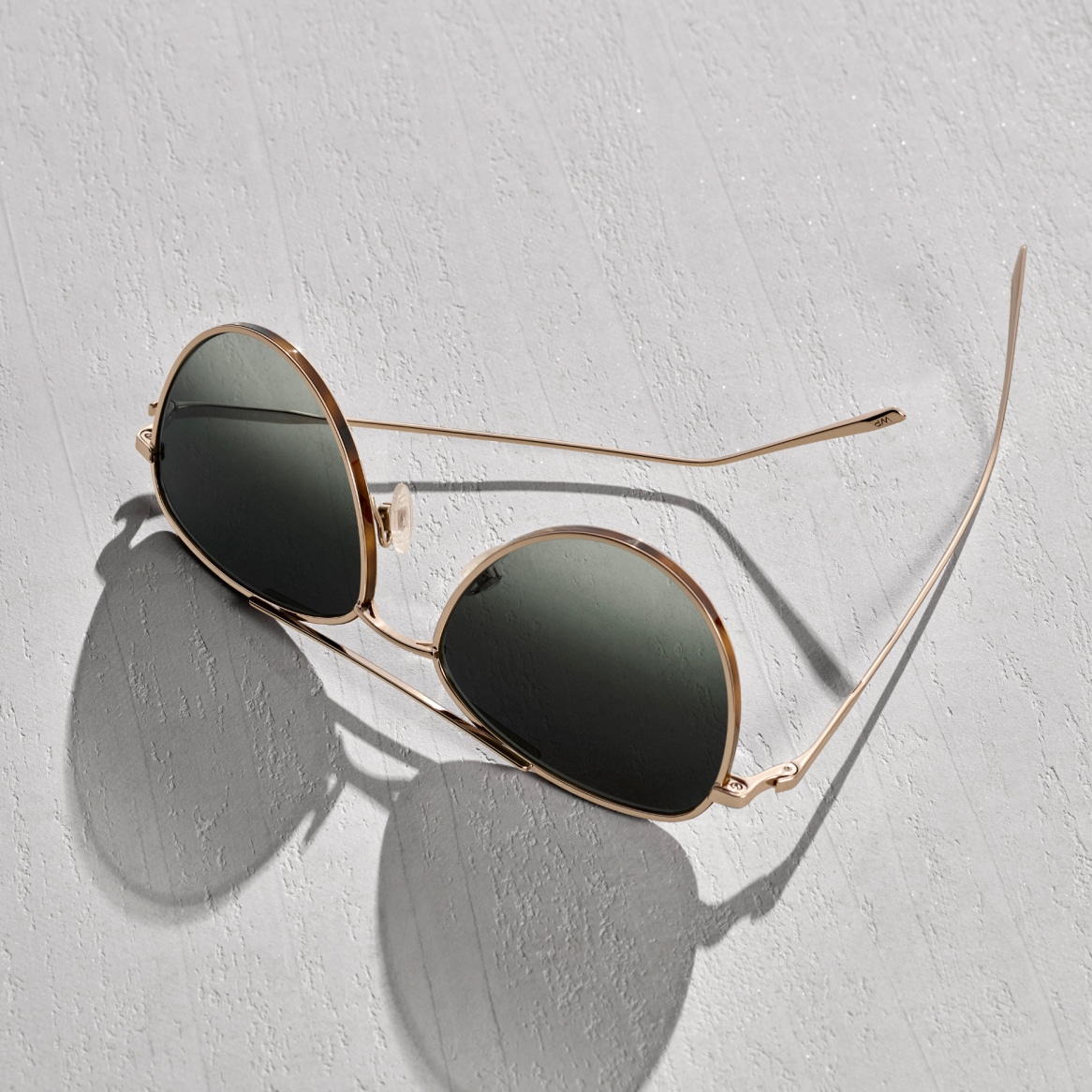
Travel lighter
Consider light-responsive lenses or Clip-Ons in lieu of traditional sunglasses
Frequently Asked Questions
How do I know if I have a high nose bridge?
One simple way to get a general sense is to look straight into a mirror. If the top of your nose bridge sits at or above your pupils and your glasses tend to ride high or move downward over time, you may have a relatively higher bridge. An optician or eye care professional can also offer perspective on how your bridge height relates to frame fit.
What glasses are good options for a high nose bridge?
Glasses that many people with higher nose bridges consider tend to feature keyhole or lower-set saddle bridges, adjustable nose pads, and a bridge width that feels snug but not tight. These details can help the frame sit on an area of the nose that feels more stable.
Why do my glasses slide down my high bridge?
There are several possible reasons. Frames may be too wide at the bridge, relatively heavy for your preferences, or not adjusted at the nose pads or temples. Over time, that can make it easier for gravity to pull the frame to a lower, wider part of your nose.
Can plastic frames work on a high nose bridge?
Yes. Plastic or acetate frames can be an option for higher bridges if the bridge area is deep and contoured (often keyhole-style) and the overall frame size isn’t too wide. Trying them on and noticing whether they start to move within a few minutes can help you assess the fit.
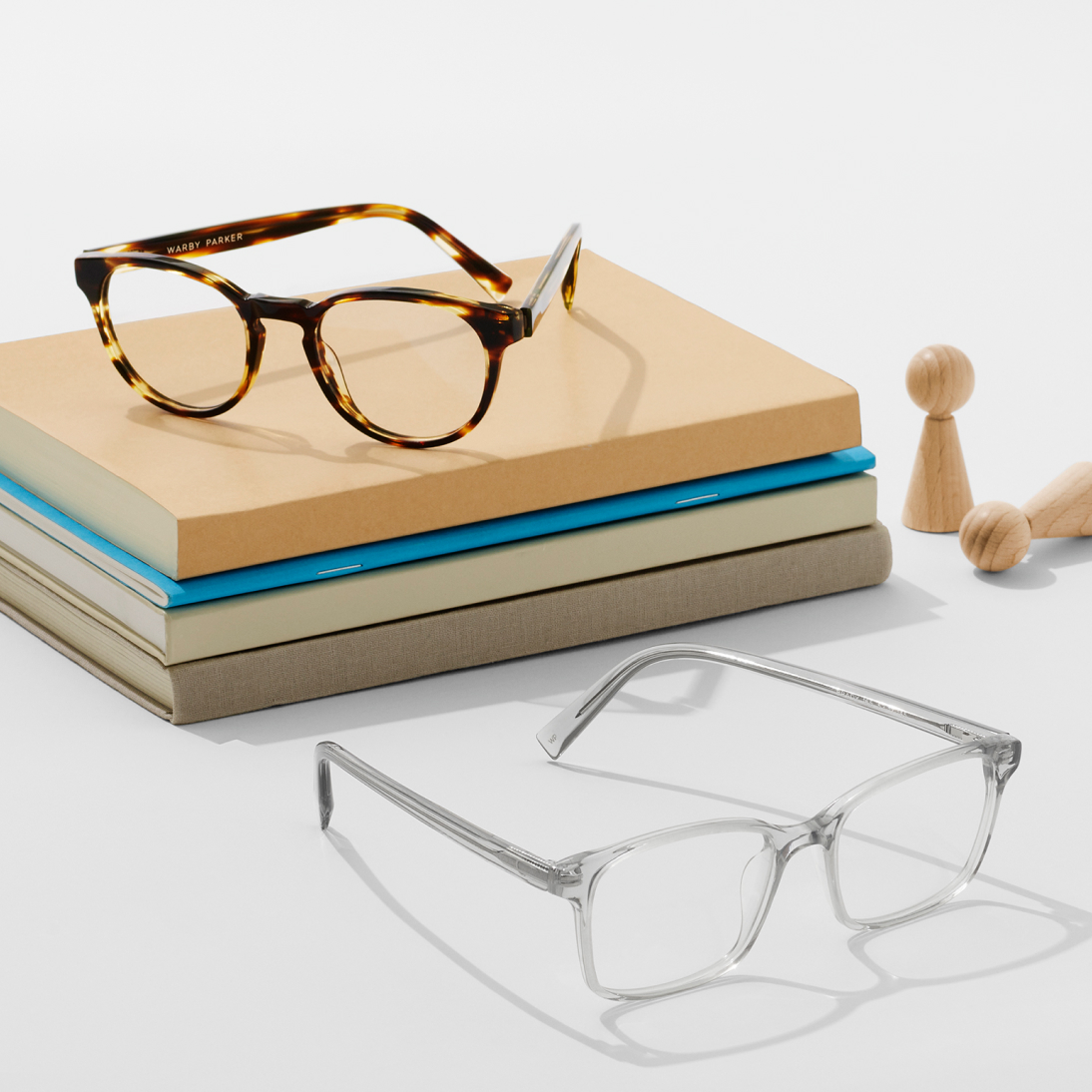
Showcase those peepers
All eyes deserve to see clearly. Frame them with glassses—or go with contacts.
Do I need adjustable nose pads for a high bridge?
They’re not required, but many people with higher bridges find adjustable pads helpful. They allow an optician to customize how and where the frame rests on your bridge, which can make it easier to reach a position that feels secure.
Will lighter lenses help my glasses stay up?
Lighter lenses can reduce the overall weight of your glasses, which may lessen downward pull on the bridge. In combination with frame choices and adjustments, that can help frames feel more secure and comfortable for some wearers.
Disclaimer
This content is for general informational purposes only and is not intended as medical or vision advice, diagnosis, or treatment. It should not be used as a substitute for professional advice from an eye care provider or other qualified health professional who is familiar with your individual needs. Always consult an eye care professional with questions about your vision, eyewear, or eye health. If you are experiencing pain, sudden changes in vision, or another urgent concern, contact a health care provider or call emergency services right away.
Need Glasses?
Shop prescription glasses starting at $95