High Index Prescription Sunglasses: Slim Lenses with UV-Blocking Options
If you have a strong prescription, you may assume sunglasses will always feel heavy, thick at the edges, and unflattering in photos. High-index prescription sunglasses are designed to offer a slimmer profile than many standard lens options.
This article explains how high-index sun lenses can offer vision correction, a slimmer lens profile, and UV‑filtering features in bright conditions. The goal is to help you understand your options so you can compare sunglasses features that are important to you.
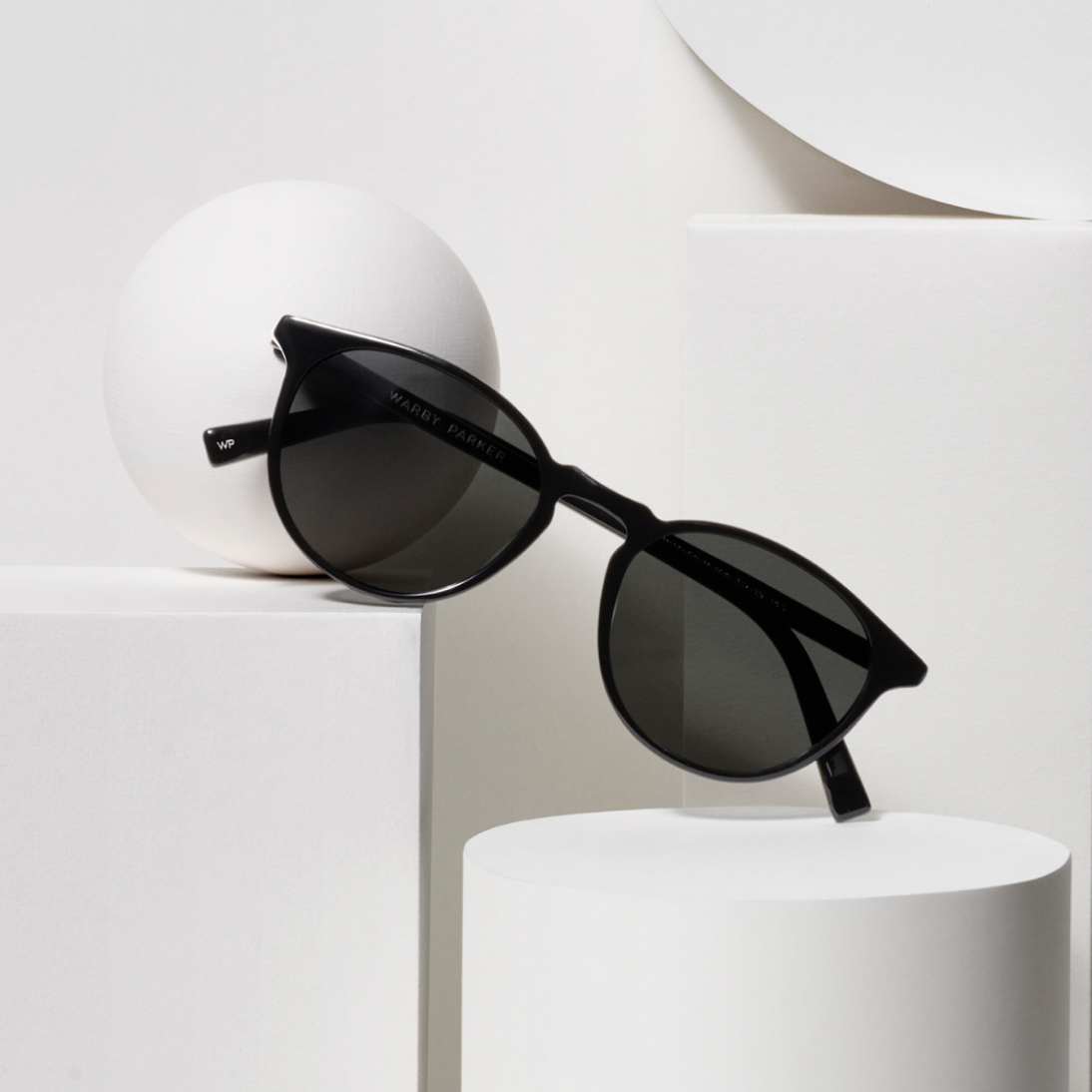
Sunglasses have come a long way
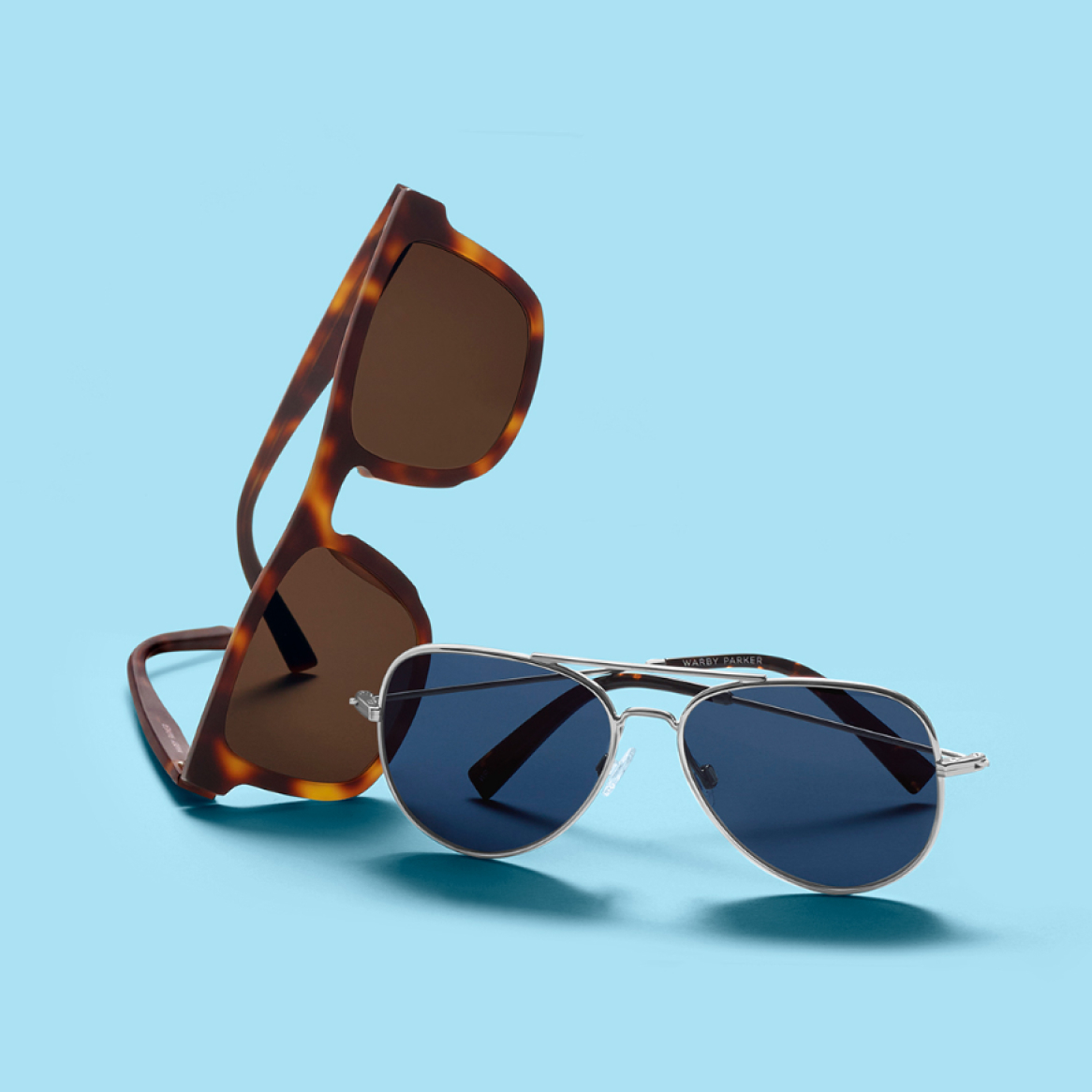
We have endless shapes and colors to choose from
We will define what makes high index prescription sunglasses different, how they are commonly used for moderate-to-strong prescriptions, and which features can be relevant for appearance, durability, and UV‑filtering.
To help you decide we will get you more familiar with how people compare lens index, coatings, and frame styles, along with answers to common questions about thickness, UV information, and cost.
What Makes High-Index Prescription Sunglasses Different?
High-index lenses are made from materials that bend light differently than many standard plastics. Because they can redirect light with less material, they can be used to provide prescription correction in a thinner profile compared to many standard lens materials, depending on the prescription.
In practical terms, that can mean reduced edge thickness for many nearsighted wearers and a different lens shape at the center for those who are farsighted. In some cases, this may change how lenses sit and look in certain frames, especially in sunglasses where lens size tends to be larger.
Glare beware
Get polarized lenses with your prescription sunglasses
High-index materials are commonly labeled with numbers like 1.60, 1.67, or 1.74. The higher the index, the thinner the lens can be for the same prescription compared to many standard plastic lenses. People with very strong prescriptions may see a more noticeable difference in lens thickness when they choose 1.67 or 1.74 materials, though your eye care professional can advise on options based on your exact prescription.
Because high-index lenses reflect more light off their surface, they are often paired with a reflection-reducing coating. On sunglasses, this is commonly used on the back surface of the lens, where reflections from behind you might otherwise be visible in bright conditions.
Need (or want) new glasses or sunglasses?
Virtually try on frames from home—or visit a nearby store
Why UV Filtering Matters in High-Index Prescription Sunglasses
While slimmer lenses can influence appearance and how glasses feel to wear, the UV-filtering function of prescription sunglasses is also an important consideration. Ultraviolet (UV) radiation from the sun can contribute to long-term eye conditions over time.
For anyone who depends on prescription lenses to see clearly, skipping sunglasses can mean choosing between prescription correction and UV‑filtering features. High-index prescription sunglasses can combine your prescription with UV‑filtering features, so you do not have to choose between the two when you are outdoors. This can make them a convenient option for everyday use.
- Check product details: Look for language such as “99% to 100% UV filtering” or “UV400.”
- Tint vs. protection: Keep in mind that darker tint alone does not guarantee UV‑filtering properties.
- Frame coverage: Consider slightly larger or wrap-style frames if you prefer to reduce the amount of light entering from the sides.
- Confirm with your provider: Ask whether UV‑filtering properties are built into your chosen lens material or added through a coating.
A new prescription means…
Pick out a new pair, starting at $95
Choosing the Right Index, Tint, and Coatings
Selecting high-index prescription sunglasses involves a few key decisions: the lens index you are considering, how you would like the world to look through the lenses, and which surface treatments you might want to explore.
For many nearsighted wearers with prescriptions in the -4.00 to -7.00 range, a 1.60 or 1.67 high-index lens is a commonly chosen option that can offer a different balance of thickness, weight, and cost compared to standard plastic. For stronger prescriptions beyond that range, stepping up to 1.67 or 1.74 may further reduce edge thickness and change the way the lens looks in the frame.
Tint and color influence both appearance and how bright the world looks through the lenses:
- Gray tints: Tend to keep colors closer to how they appear without sunglasses, making them a popular all-purpose choice.
- Brown and copper tints: Can change contrast and the way details appear in varying light.
- Green tints: Offer a balance between color perception and brightness.
Polarized options are commonly chosen for driving or time near water, because they are designed to reduce reflected light from flat surfaces such as roads or water.
Coatings are another consideration:
- Reflection-reducing treatment: Commonly applied to the back surface to address reflections of your own eye or bright objects behind you.
- Scratch-resistant coatings: Designed to help with surface durability, especially if you plan to wear your sunglasses frequently.
- Mirror finishes: Can change the look of the lenses and slightly affect how much light passes through, which some people prefer in very bright environments.
For stress-free reading
Go ahead, get lost in a book. Our glasses make it easy.
The Bottom Line on High Index Prescription Sunglasses
High index prescription sunglasses combine thinner-looking lenses and UV‑filtering features, and can be a practical option for many people with moderate or strong prescriptions. By understanding lens index, tint choices, and common coatings, you can compare sunwear features and decide what may fit your day‑to‑day routine.
A useful next step is to review your current prescription and talk with your eye care provider about which indexes and features are available and how they might fit your typical activities – whether you spend more time driving, working outdoors, or active on weekends.
If you are comparing options online, you can reference this guide as a checklist – look for UV‑filtering information, a high-index material that is appropriate for your prescription range, and coatings that match how and where you plan to wear your sunglasses. For personalized guidance, share any remaining questions with your eye care provider or optician.
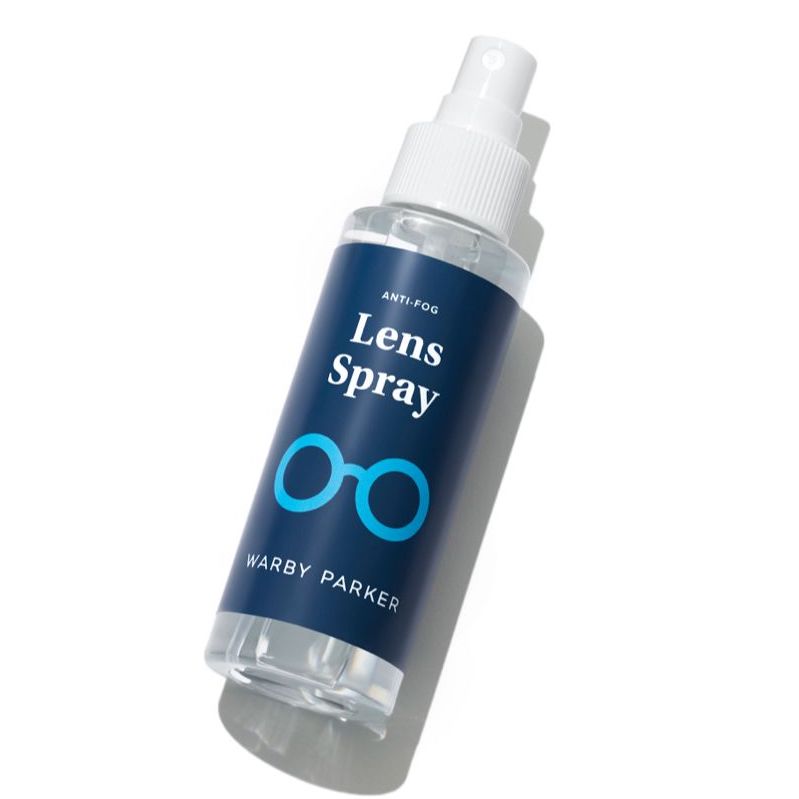
Clean your sunglasses on the go
Meet our travel-size lens cleaning kit—complete with anti-fog spray, a cleaning cloth, and a handy pouch-and-cloth combo.
Legal Disclaimer
MEDICAL DISCLAIMER: This content is provided for educational and informational purposes only and is not intended as medical advice, diagnosis, or treatment. This information should not be used to replace professional medical care or consultation. Individual results may vary significantly. Always consult with a qualified healthcare provider before making any decisions about your health, vision, or medical treatment. Never disregard professional medical advice or delay seeking treatment because of information you have read on this website.
VISION CARE DISCLAIMER: Vision correction needs vary by individual. Consult an eye care professional for personalized assessment and recommendations.
FDA DISCLAIMER: These statements have not been evaluated by the Food and Drug Administration. This content is not intended to diagnose, treat, cure, or prevent any disease or medical condition.
PROFESSIONAL CONSULTATION REQUIRED: Only qualified eye care professionals can provide personalized recommendations for your specific vision needs and health conditions.
This article is for informational purposes only. It is not intended to provide medical advice or substitute for professional health services. Warby Parker complies with all HIPAA regulations regarding your health information. For personal health questions or concerns related to your vision or eyewear prescriptions, please consult a qualified healthcare provider.
Need sunglasses?
Starting at $95, with free shipping.