Glasses for Sports: Secure, Clear Vision
Regular prescription frames are typically designed for office, classroom, and daily wear – not specifically for sprints, dives, or collisions. They may slide as you sweat, move with every step, or shift enough to be distracting during play.
There are also safety considerations. Everyday frames are generally not designed with the same impact-resistance features as sports-focused eyewear. Many people each year are treated for sports-related eye injuries, and standard prescription glasses are generally not recommended as protective sports eyewear in this setting.
In higher-speed or contact sports, lenses and frames that are not impact-rated may crack or shatter, which can increase the risk of eye injury.
Looking for new lenses?
Our glasses include prescription lenses with scratch-resistant, anti-reflective coatings
For low-risk activities – such as light yoga, walking, or casual cycling – many people simply wear their usual frames. As intensity, speed, or physical contact increase, sports-focused prescription glasses or goggles may be a more practical option and may offer additional impact resistance compared with many everyday styles.
Key Features of Sports-Friendly Prescription Glasses
Sports-focused eyewear often emphasizes three things: safety-related features, stability, and visual clarity. The right combination can help your glasses feel less noticeable while you stay focused on your activity.
Lens material is an important consideration. Polycarbonate and similar impact-resistant plastics are commonly used for sports because they are typically lightweight and more shatter-resistant than standard plastic or glass.
Frame design can help keep your glasses more secure during movement. People often look for wraparound or semi-wrap styles, rubberized nose pads, and grippy temple tips that help the frame stay in place. Many sports frames also accept straps or headbands to help reduce slippage during fast movement, jumps, or quick rotations.
Think you may need glasses?
See an eye doctor for a vision check
Certain lens features and frame shapes are designed to support clarity in different environments. Fog resistant coatings can be useful for indoor courts or cool arenas, and reflection resistant coatings can help manage glare under bright lights. Frame shape, lens tilt, and coverage can contribute to a wide field of vision, which many people find helpful for tracking play.
- Impact-resistant lenses: Polycarbonate or similar lenses
- Durable frames: Flexible frames with secure grip points
- Straps or bands: Optional straps or bands for higher-movement play
- Lens coatings: Fog resistant and reflection resistant lens coatings
- Wide field of vision: Coverage and curvature that support a wide field of vision
Matching Glasses for Sports to Your Activity
Not every sport places the same demands on eyewear. Thinking about your typical motion and level of contact can help you understand which features might matter most.
For court sports such as basketball, volleyball, or indoor soccer, many people prefer frames that help reduce sweat-related slipping and keep lenses relatively stable during quick stops and pivots.
For racquet sports with fast-moving balls, projectiles, or frequent collisions, the potential for eye impact is higher. In high risk situations, sports goggles or eye guards that fully encase impact-resistant lenses are often chosen instead of open-frame glasses.
Non-contact but high-motion activities – like running, cycling on a stationary bike, or fitness classes – often involve less direct impact risk but plenty of movement. In these cases, many people look for lightweight, wraparound prescription glasses or sunglasses with secure nose pads and temples, where stability and sweat management features may be more important than maximum impact coverage.
Want to try on a few frames?
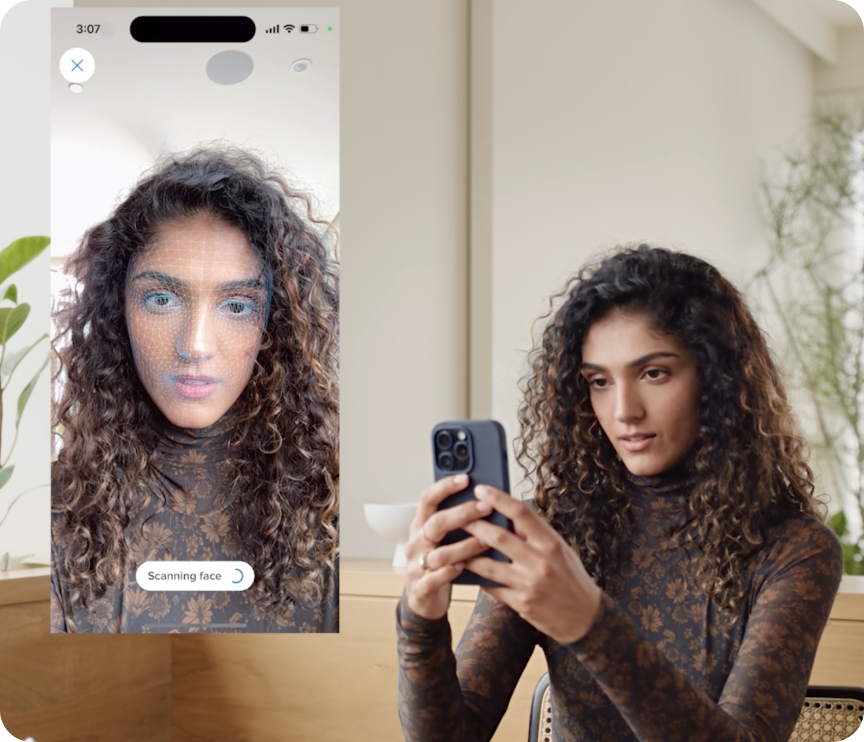
Try on any pair virtually from home
If you play multiple sports, you might consider a modular approach: one frame for routine everyday use, plus a dedicated pair of sports-focused prescription glasses or goggles for your highest-intensity or most contact-heavy activity.
Final Thoughts on Glasses for Sports
Choosing glasses for sports is often about considering eye safety features and consistent vision during activity. Impact-resistant lenses, secure-feeling frames, and activity-appropriate designs may offer additional impact resistance compared with many everyday styles.
Your next step is to talk with your eye doctor about your typical sport, intensity level, and vision needs. You can ask about impact-resistant materials, sports-focused frames, and whether dedicated goggles might be appropriate for your activities.
If you are comparing options now, you can explore sports-focused prescription frames and goggles, compare fit and features, and choose the setup that you find comfortable and suitable for your activities. You may also find it helpful to share this guide with teammates or parents of young athletes and discuss what has worked well for them.
Need Glasses?
Shop prescription glasses starting at $95
Legal Disclaimer
MEDICAL DISCLAIMER: This content is provided for educational and informational purposes only and is not intended as medical advice, diagnosis, or treatment. This information should not be used to replace professional medical care or consultation. Individual results may vary significantly. Always consult with a qualified healthcare provider before making any decisions about your health, vision, or medical treatment. Never disregard professional medical advice or delay seeking treatment because of information you have read on this website.
VISION CARE DISCLAIMER: Vision correction needs vary by individual. Consult an eye care professional for personalized assessment and recommendations.
FDA DISCLAIMER: These statements have not been evaluated by the Food and Drug Administration. This content is not intended to diagnose, treat, cure, or prevent any disease or medical condition.
PROFESSIONAL CONSULTATION REQUIRED: Only qualified eye care professionals can provide personalized recommendations for your specific vision needs and health conditions.
This article is for informational purposes only. It is not intended to provide medical advice or substitute for professional health services. Warby Parker complies with all HIPAA regulations regarding your health information. For personal health questions or concerns related to your vision or eyewear prescriptions, please consult a qualified healthcare provider.
Are regular prescription glasses safe for sports?
For low-risk, low-speed activities, many people use their regular glasses. For faster or contact sports, safety organizations generally do not recommend standard prescription glasses as protective sports eyewear, and they may break on impact. Talk with an eye care professional about the specific activities you or your child participate in.
What type of lenses are often used for sports glasses?
Polycarbonate or similar impact-resistant lenses are commonly chosen for sports-focused eyewear because they are typically light and durable and are more shatter-resistant than standard plastic or glass.
Do I need special glasses for indoor sports if there is no sun?
Even for indoor sports, many people look for glasses with a secure fit and impact-resistant materials. Indoor lighting, temperature changes, and fast movement can all affect how everyday frames feel and perform. An eye care professional can help you understand options for your specific sport.
Should children wear sports goggles instead of regular glasses?
For organized, higher-intensity sports, sports goggles with impact-resistant lenses are commonly used because they are designed to offer more coverage and a secure fit. Ask your child’s eye care professional what type of eyewear is appropriate for the sports they play.
Can I wear contact lenses and skip sports glasses?
Contact lenses can enhance vision but do not provide impact protection on their own. Some people choose to wear protective sports eyewear or goggles over their lenses, depending on the sport and level of contact. Your eye care professional can help you decide what is suitable for you.
Need Glasses?
Shop prescription glasses starting at $95