Glasses for Humid Climates: Choosing Eyewear for Heat and Humidity
If you live in a tropical city, work outdoors, or simply walk from air‑conditioning into sticky air, you know the frustration of fogged lenses, slipping frames, and constant wiping. Humidity can turn even premium eyewear into a daily annoyance.
This article explains general factors to consider when choosing glasses for humid climates, with a focus on managing condensation on lenses and frame slippage.
We will outline common lens materials, coatings, and frame designs that people often choose for use in heat and moisture, and share general tips for reducing lens fogging in real‑world conditions.
Style meets affordability
Our prescription glasses start at $95
By the end, you will have an overview of what to look for when buying your next pair of glasses, ideas for how to help reduce fogging, and everyday habits that may make eyewear feel more manageable in hot, humid weather.
Why Humid Climates Can Be Challenging for Everyday Glasses
Humid air is full of moisture. When warm, moist air hits a cooler lens surface – like when you step out of an air‑conditioned car – water condenses and forms a thin film or droplets. Optical research has shown that even light condensation on a surface can reduce contrast and clarity because droplets scatter light before it reaches the eyes; in other words, surface fogging can reduce optical transparency.
Fogging is not just irritating; it can also interfere with what you are able to see through the lenses. For activities like driving, cycling, or working around potential hazards in humid conditions, being able to see clearly through your lenses can be important.
Humidity also increases perspiration. Sweat on your nose and temples makes frames slip, and moisture around your eyes can fog lenses from the inside. Heavy plastic frames or non‑breathable nose pads can trap more heat, making the problem worse.
Did you know?
You can order our frames as readers or with non-prescription lenses at no additional cost
Finally, people in humid regions still spend time in dry, air‑conditioned spaces. Indoor airflow and temperature shifts can affect how your eyes feel, especially if vents blow directly toward your face. Choosing frames that fit well and offer moderate coverage may help reduce direct airflow around the eyes while still allowing for ventilation.
Lens Options: Materials, Coatings, and Fog Resistant Technologies
Certain lens features can influence how your glasses behave in humid weather. Many people prefer lightweight, impact‑resistant materials such as polycarbonate or high‑index plastic. Depending on the prescription, these options may provide lighter lenses, and high‑index materials may allow for thinner lenses than standard plastic, while glass lenses are often heavier.
Lens coatings are another consideration. Standard anti-reflective coatings are used to help reduce reflections and glare. Dedicated fog resistant treatments are designed to interact with condensed moisture on the lens surface.
When comparing options, you may want to consider whether lenses offer:
- Fog-resistant coatings: Factory-applied treatments on prescription lenses.
- Spray/wipe compatibility: Options for fog-resistant sprays or wipes if lenses lack a factory coating.
- Scratch-resistant layers: Designed to help protect the surface in everyday use.
- UV-filtering properties: Commonly recommended in bright regions with strong sunlight.
It is helpful to keep expectations realistic. Even many fog resistant systems can be overwhelmed during sudden, extreme temperature changes – like opening a dishwasher or entering a steam‑filled room. In everyday warm, humid environments, some people find that certain fog resistant features reduce how often they need to wipe their lenses, but experiences can differ from person to person.
Looking for new lenses?
Our glasses include prescription lenses with scratch-resistant, anti-reflective coatings
Frame Design: Fit and Stability in Humidity
Frames also play a role in how glasses feel to wear in humid conditions. In muggy weather, many people look for lightweight designs that stay in place without feeling too tight. Thin acetate, titanium, or stainless‑steel frames can offer a lighter feel compared with very thick or oversized options.
Nose pads and temple tips are especially noticeable in humid climates because they contact areas where sweat often collects. Adjustable silicone pads with a slightly textured or grippy finish are often chosen by people who want frames that feel more secure on the nose. Some modern frames use rubberized temple tips designed to provide additional grip when damp, which some wearers feel helps their glasses stay in place.
Ventilation is another consideration. Glasses that fit extremely close around the eyes can trap warm, moist air and may make it more likely that warm air lingers around the lenses. Many everyday frames use moderate wrap or more open, rectangular shapes that leave small gaps for air circulation, rather than goggle‑like designs. Sealed or semi‑sealed designs may still be appropriate for certain sports or work settings, depending on guidance from an eye care professional or safety specialist.
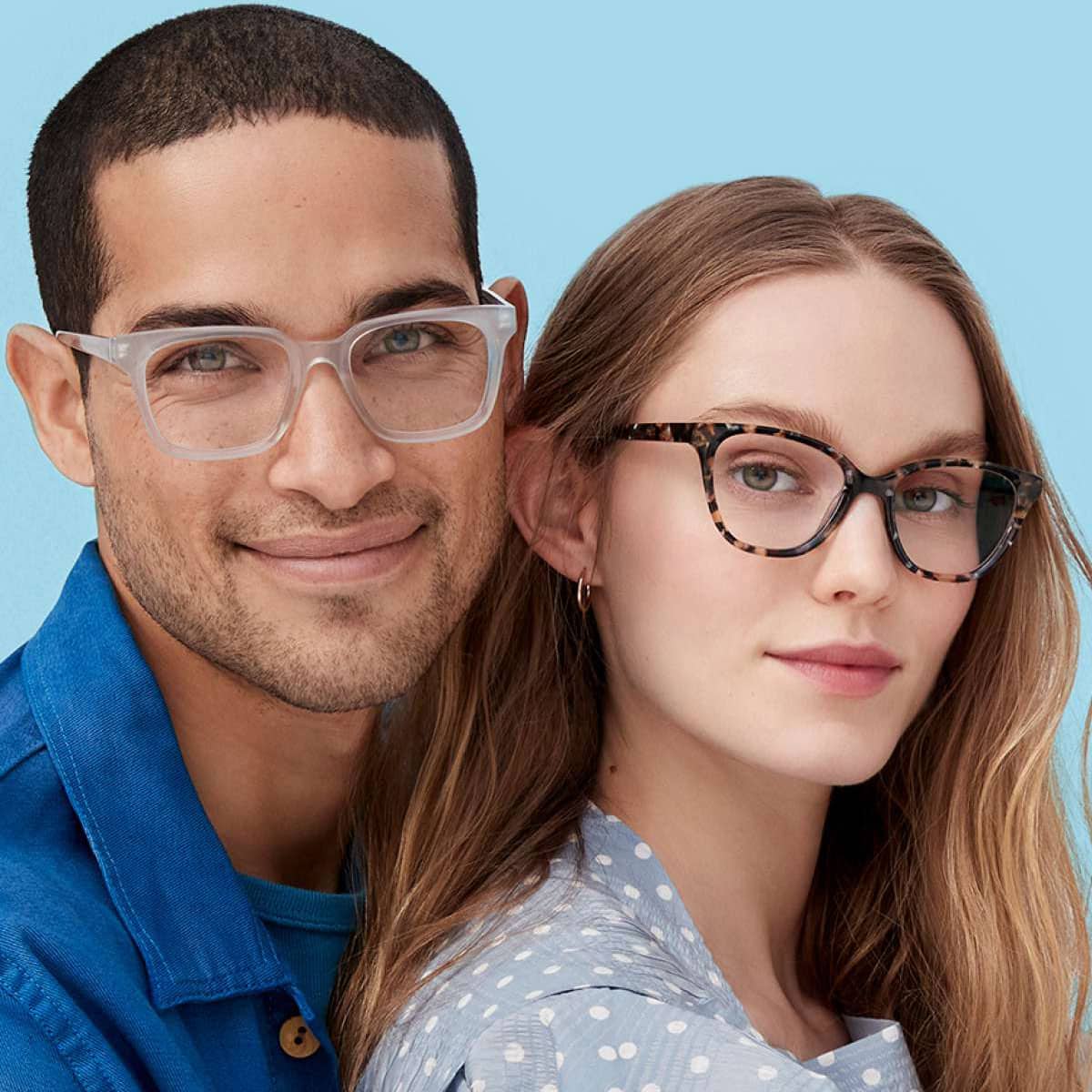
No matter your eye color'
You deserve to see clearly. (And to have a little fun shopping for eyewear, too.)
Key Takeaways and Next Steps for Glasses in Humid Climates
Living or working in a humid climate often means thinking more carefully about how glasses interact with moisture and heat. There are many frame and lens features that people consider when choosing eyewear for these environments.
By prioritizing lens features such as fog resistant technologies, scratch‑resistant and UV‑filtering treatments, along with lightweight materials and frames designed for a secure fit, you may find it easier to manage condensation, slippage, and perceived heat on frames and lenses. Research has shown that fogged lenses can affect how quickly people detect what is in front of them in certain test settings, while some coatings and thoughtful frame choices may support clearer viewing through your lenses in everyday humidity.
When you are ready for your next pair of glasses, you might use a simple checklist: consider thin, impact‑resistant lenses; look into available fog resistant and scratch resistant treatments; select frames with nose pads and temples that feel stable yet comfortable; and check that the fit leaves some space for airflow around the lenses. An eye care professional can explain which options they recommend for the kinds of environments you spend time in, including humid, high‑moisture settings.
If you have your own strategies, product experiences, or questions about wearing glasses in heat and moisture, consider discussing them with an eye care professional or exploring additional educational resources on lens coatings and frame fit.
Nearsighted?
Our glasses include prescription lenses with scratch-resistant, anti-reflective coatings
Legal Disclaimer
MEDICAL DISCLAIMER: This content is provided for educational and informational purposes only and is not intended as medical advice, diagnosis, or treatment. This information should not be used to replace professional medical care or consultation. Individual results may vary significantly. Always consult with a qualified healthcare provider before making any decisions about your health, vision, or medical treatment. Never disregard professional medical advice or delay seeking treatment because of information you have read on this website.
VISION CARE DISCLAIMER: Vision correction needs vary by individual. Consult an eye care professional for personalized assessment and recommendations.
FDA DISCLAIMER: These statements have not been evaluated by the Food and Drug Administration. This content is not intended to diagnose, treat, cure, or prevent any disease or medical condition.
PROFESSIONAL CONSULTATION REQUIRED: Only qualified eye care professionals can provide personalized recommendations for your specific vision needs and health conditions.
This article is for informational purposes only. It is not intended to provide medical advice or substitute for professional health services. Warby Parker complies with all HIPAA regulations regarding your health information. For personal health questions or concerns related to your vision or eyewear prescriptions, please consult a qualified healthcare provider.
What types of glasses are commonly chosen for humid climates?
Many people in humid climates look for glasses with lightweight lenses, optional fog resistant features, and frames that fit securely without sealing tightly around the eyes. Adjustable, textured, or non‑slip nose pads and temple tips are also common preferences.
Do fog resistant sprays work on everyday eyeglasses?
Fog resistant sprays and wipes are marketed to help reduce fogging on some lenses, especially if the lenses do not have a factory‑applied fog resistant layer. Their effects are typically temporary and can vary by product and by user. Always follow the product maker’s directions and check whether a particular spray or wipe is compatible with your lenses and coatings.
How can I help reduce fogging on my glasses when I go outside?
Some people use lenses with fog resistant features or compatible fog resistant treatments, choose frames that feel secure but not overly tight, and adjust the fit so that there is a bit of airflow around the lenses. Avoiding a very tight seal around the eye area may help lessen how much warm, moist air is trapped near the lenses.
Why do my glasses seem to slip more in hot, humid weather?
In hot, humid weather, sweat and skin oils can make contact points on the nose and behind the ears feel more slippery. Adjustable silicone nose pads, temple tips designed for added grip, and periodic professional adjustments may help some people feel that their glasses stay in place more consistently.
Are metal or plastic frames better in humid conditions?
Both metal and plastic frames can be used in humid conditions. Preferences often come down to weight, fit, and nose‑pad style. Some people prefer thin metal or mixed‑material frames because they can feel lightweight while still providing a stable fit and allowing airflow around the lenses.
Need Glasses?
Shop prescription glasses starting at $95