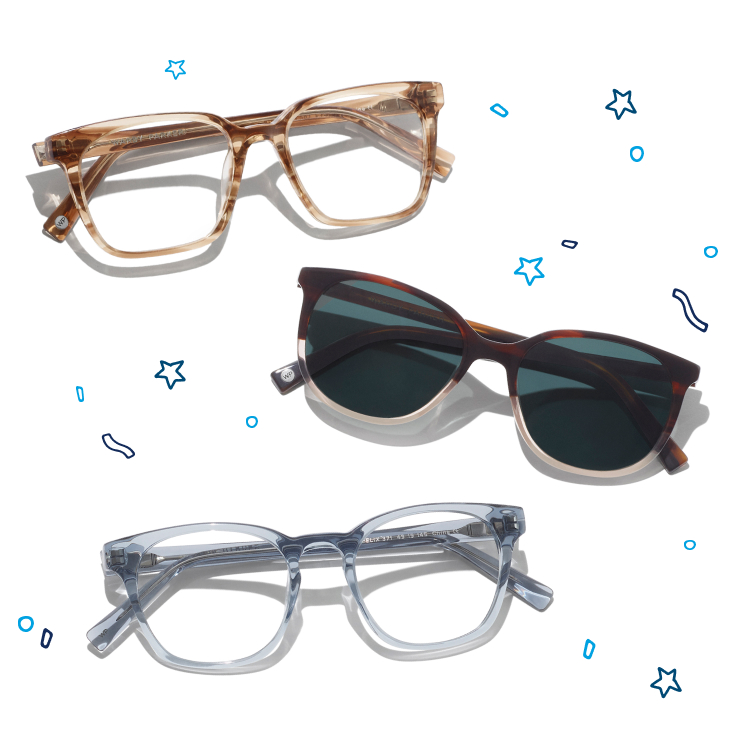
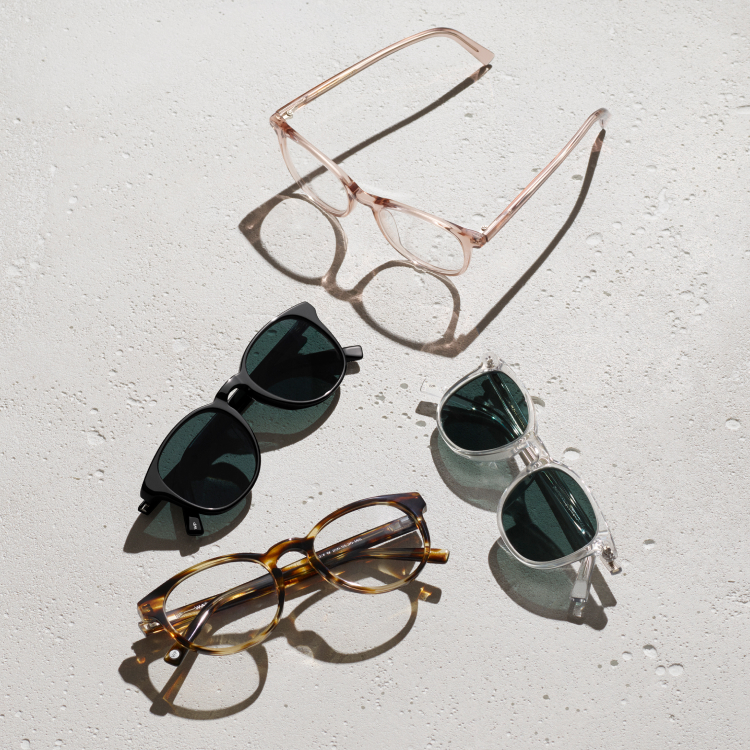
If you love crafting, but feel like your eyes are working harder than your hands, you’re not alone. From tiny stitches to miniature parts, many hobbies involve detailed close-up work, and some people prefer eyewear chosen specifically for that distance.
This guide is designed to help you think through glasses and other eyewear options for crafts & hobbies so you can feel more at ease during your projects and focus on fine details.
Whether you’re hand-quilting, painting miniatures, tying flies, or assembling models, some people like having eyewear they use specifically for crafts & hobbies to make small details easier to see at their preferred working distance.
Let’s look at how craft-focused eyewear is often used, common lens types that people choose for different hobbies, ways to set up your space to support clarity, and simple habits that may help you take breaks and manage long creative sessions.
Why Dedicated Glasses for Crafts & Hobbies Matter
Most crafts are intensive near-vision activities. Many guidelines define this as working with small objects or reading small print at about 20 inches or less. That’s often where you might hold your knitting, embroidery hoop, or model kit.
Standard single-vision distance glasses or basic reading glasses are not always selected with that specific working distance in mind. You might find yourself leaning in, tilting your head, or constantly adjusting your project just to see the way you’d like, which some people find uncomfortable over time.
Task-specific glasses, sometimes called hobby glasses or craft glasses, are often selected with a particular working distance in mind. Eye care professionals may consider a person’s usual working distance when discussing near-vision lenses. Many hobbyists find it useful to think about where they naturally hold their work when they talk with an eye care provider about eyewear.
When your eyewear, posture, and working distance are considered together, many people feel their setup better supports their creative process.
Best Lens Types and Features for Crafting Glasses
The eyewear you choose may depend on how you typically look at your projects during your favorite hobbies. The following are common approaches that people discuss with their eye care providers; they are not specific recommendations for any individual.
If you’re mainly focused on a single distance like hand sewing at your lap some people use single-vision near lenses that are discussed with their eye care provider for that general range. They can offer a wide viewing area for your project. This differs from multifocal designs, which include multiple viewing zones.
If your hobby has you frequently shifting where you look, such as looking from a pattern to your hands to tools on the table, some people use progressive or occupational lens designs. These designs often include an upper area used for intermediate distances (such as a pattern stand or tablet) and a lower area used for closer work. Some eye care professionals discuss specialty eyewear for specific near tasks, which can include certain craft activities.
- Single-vision near: Commonly used for handwork at one main distance (for example, embroidery or beading), when someone wants a large, consistent viewing area at that range.
- Progressive lenses: Sometimes chosen by people who move between close and intermediate viewing (for example, quilting while also looking at a pattern wall or tools nearby).
- Occupational / office lenses: Often discussed as an option for tabletop crafts and screen-based design, where a person spends most of their time at intermediate and near distances.
- Optional magnification: Clip-on magnifiers or built-in loupe segments are often used for ultra-fine details, such as miniature painting or very small components.
If you’re interested in eyewear for crafts, you can ask your eye care provider whether it would be helpful to talk about your hobby setup. Consider bringing a photo of your space or project and show where you typically hold your work. This can help your eye care provider understand your real-world hobby distance, which may help inform any eyewear recommendations they make.
Comfort, Lighting, and Break Tips for Long Craft Sessions
Comfort also depends on how you use your eyes over time. Many people notice that prolonged close work can feel tiring. Some hospitals and eye-care organizations describe a simple “20-20-20” approach: every 20 minutes, look at something about 20 feet away for roughly 20 seconds. If you have questions about whether this type of habit makes sense for you, talk with an eye care professional.
Lighting is just as important as eyewear setup. Many people prefer bright, even task lighting that comes from behind or beside the shoulder, rather than shining directly into the eyes. Adjustable lamps with bulbs that provide good contrast can make stitches, beads, and brushstrokes easier to distinguish and may help reduce bothersome reflections.
Ergonomics can also play a role. Keeping your project at a comfortable height may help you avoid hunching over or lifting your chin in ways that feel awkward. A stand, frame, or tabletop easel can bring work closer to where you naturally like to look, which some people find more comfortable for their eyes and neck.
Key Takeaways and Next Steps for Choosing Glasses for Crafts & Hobbies
Eyewear used during crafts & hobbies can work best when it takes into account natural work environments, sitting position, and the lighting used. When those pieces come together, details may feel easier to see and you may feel more at ease during creative sessions.
A simple next step is to pay attention during your next crafting session. Take note of where you hold your work, how often you lean in, and how your eyes and body feel over time. You can bring that information and, if you’d like, photos of your setup to your next eye exam and ask your provider whether there are eyewear options that might fit how you like to do your hobbies.
If you’ve already tried different lenses or setups, you can share what you liked or didn’t like with your eye care provider and with other makers. Hearing a range of experiences may help people think about their own setups and get back to what matters most: the joy of creating.
Frequently Asked Questions
Do I really need separate glasses for crafts & hobbies?
Not necessarily. Some people are comfortable using the same eyewear for most activities. Others choose separate eyewear for crafts because they prefer how it feels for their detailed work. An eye care provider can talk with you about what might make sense for your situation.
Are reading glasses good enough for sewing or knitting?
For some people, over-the-counter readers or existing eyewear feel fine for sewing or knitting, especially if the working distance matches how they like to hold their project. Other people prefer an eyewear prescription discussed with their eye care provider that takes into account where they naturally hold their project.
What lenses are commonly used for jewelry making or miniature painting?
People who do very detailed work sometimes use single-vision near lenses and may add optional magnification tools (such as clip-on loupes) for very small details. Others use progressive or occupational designs if they often look up from the bench to tools, instructions, or screens. Your eye care provider can help you understand the options.
Can eyewear used for hobbies help me feel more comfortable?
Some people feel more comfortable when their eyewear is selected with their usual craft distance and habits in mind. Your eye care provider can discuss eyewear options and general habits,like taking regular breaks and adjusting lighting,that may support your overall visual comfort. If you have ongoing discomfort, changes in your vision, or other concerns, contact an eye care professional.
How do I figure out my crafting working distance?
You can start by sitting as you normally would, holding your project where it feels natural, and having someone measure the distance from your eyes to the work. You can share that approximate measurement and a description of your setup with your eye care provider, who can decide how (or whether) to use that information.
Are magnifying headbands the same as prescription glasses for crafts?
Magnifying headbands and similar tools may help some people see fine details more easily, but they serve a different purpose than prescription eyewear discussed with an eye care professional. Some crafters use prescription eyewear as a base and add magnifiers only when they want extra enlargement for the smallest work.
Legal Disclaimers
MEDICAL DISCLAIMER
This content is provided for educational and informational purposes only and is not intended as medical advice, diagnosis, or treatment. This information should not be used to replace professional medical care or consultation. Individual results may vary significantly. Always consult with a qualified healthcare provider before making any decisions about your health, vision, or medical treatment. Never disregard professional medical advice or delay seeking treatment because of information you have read on this website.
VISION CARE DISCLAIMER
Vision correction needs vary by individual. Consult an eye care professional for personalized assessment and recommendations.
FDA DISCLAIMER
These statements have not been evaluated by the Food and Drug Administration. This content is not intended to diagnose, treat, cure, or prevent any disease or medical condition.
PROFESSIONAL CONSULTATION REQUIRED
Only qualified eye care professionals can provide personalized recommendations for your specific vision needs and health conditions.