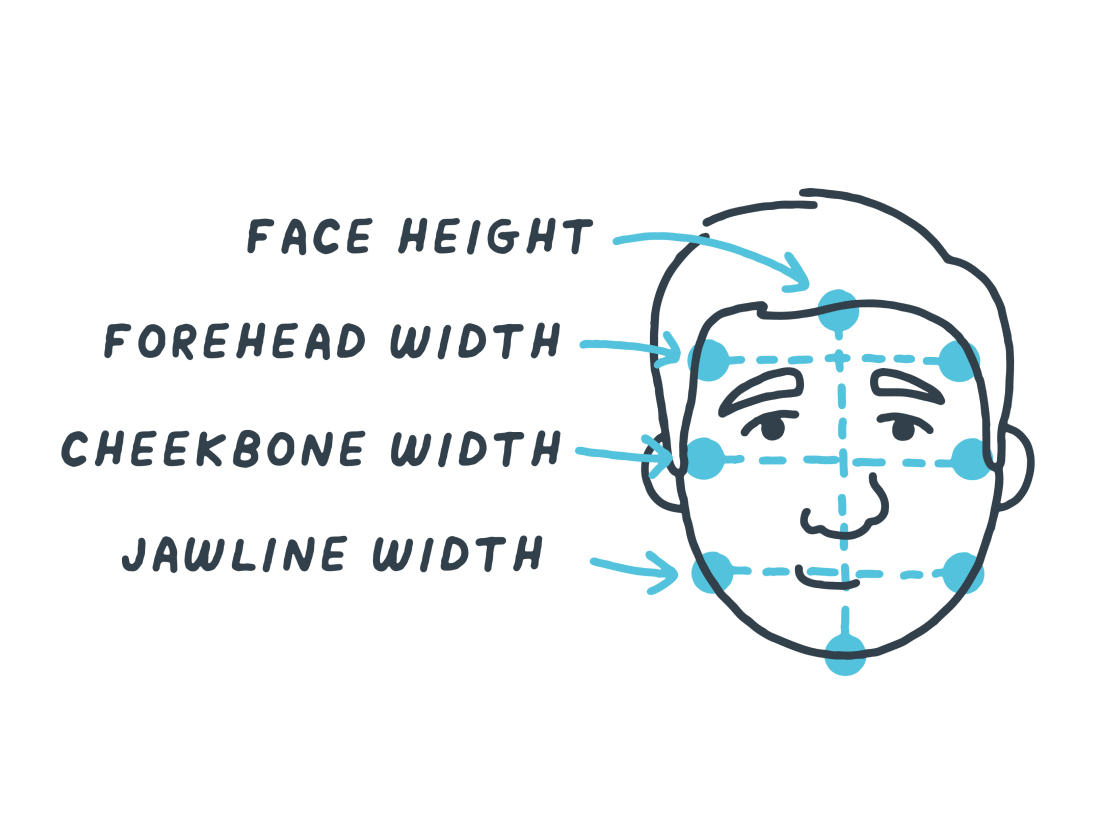
If your glasses regularly dig into your temples, leave dents on your temples, or feel like small vices on your head, the issue might be frame fit. Many standard frames are built around average measurements, which can leave people with wider heads settling for eyewear that feels too narrow.
This article walks through how to find glasses for big heads that can offer a more comfortable, balanced fit. Instead of guessing at “XL” labels, you will see which numbers and design details to pay attention to.
We will break down what wide-fit can mean, how to read frame measurements, and how to quickly tell whether glasses for big heads are wide enough for you based on sizing information. You will also see how some eyewear design research discusses the relationship between frame dimensions and perceived comfort.
By the end, you will have a simple checklist for measuring your head, decoding product specs, and using those measurements to compare wide-fit frames online or in store.
Understanding Fit: Why Width Matters for Big Heads
Most eyeglass frames are designed around common head widths. For people at the upper end of the size range, this can mean tight-feeling temples, sliding bridges, and frames that never seem to sit quite right. Research on eyewear design includes work such as a parametric design method that customizes frames based on individual 3D‑scanned head and face measurements, highlighting how head width and temple shape can inform frame design.
For wider heads, overall frame width-not just lens width-plays an important role in how a frame sits on the face. A frame that is much narrower than your head may need to flex outward to fit, which many people notice as increased pressure at the temples or behind the ears.
In practical terms, if you have a big head, it can be especially helpful to pay attention to overall frame width and temple length when you shop. A wide-fit frame is generally designed to sit straight, make light contact at the temples, and feel reasonably secure when you look down or turn your head-without feeling overly tight.
How to Measure and Read Sizes for Wide-Fit Glasses
Finding glasses for big heads often starts with two simple measurements: your head width and your current frame width (if you already own glasses).
If you do not already own a pair of glasses, you can estimate your face width by looking at the distance across the front of your temples, where the frame front sits. However, this is only a rough guide. A more reliable reference is the total frame width of glasses that already fit you well. Using those measurements can make it easier to compare new frames when shopping online or in store.
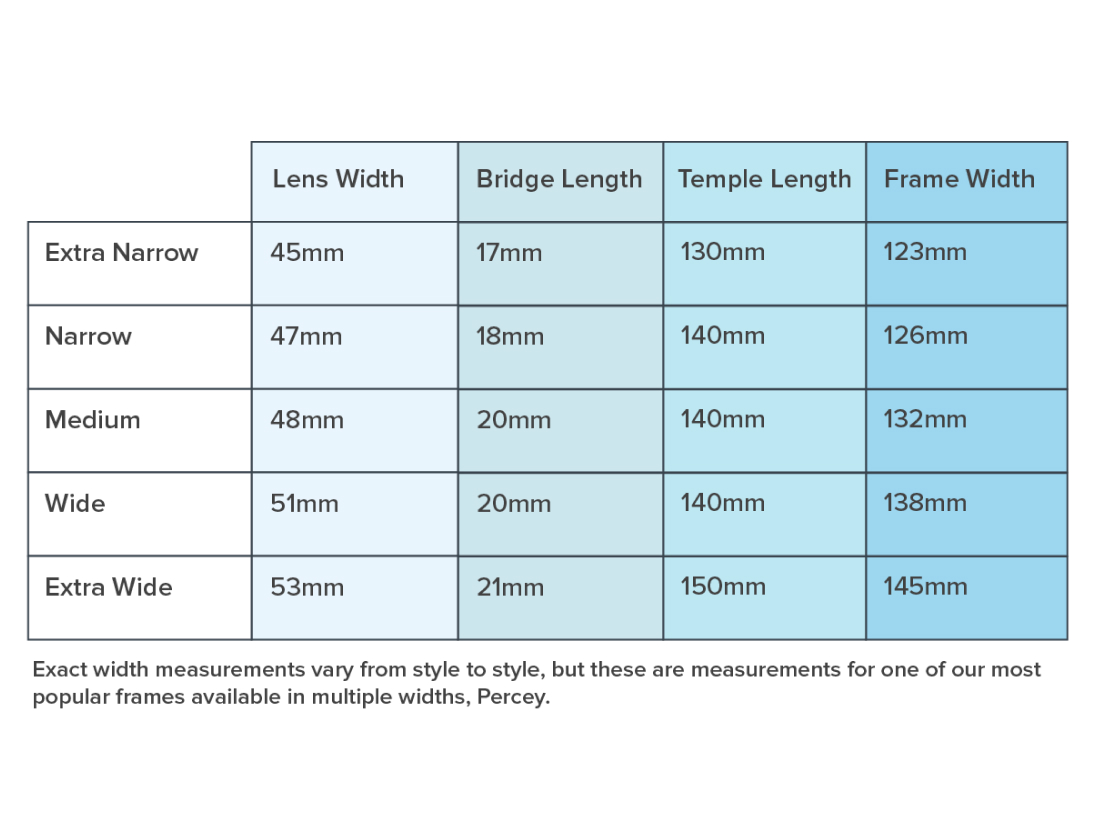
Next, check frame sizing numbers usually printed inside the temple arm. You will often see something like 56-18-145. These represent:
- Lens width
- Bridge width
- Temple length
To estimate overall frame width, many fit tools use:
2 × lens width + bridge width
This provides a useful comparison, although actual frame width can vary slightly depending on the frame design.
For bigger heads, you might find the following considerations helpful:
- Look at lens and bridge width together: Larger lens widths (for example, 55 mm and above) can contribute to a wider overall frame, especially when paired with proportionally wider bridges and frame fronts.
- Pay attention to temple length: If your frame arms bend before reaching your ears or feel like they are pulling upward, you may want to try a longer temple length (for example, 145-150 mm), depending on what is available.
- Use commonly shared sizing guidelines: Some sizing guides suggest that the overall width of the frame should be slightly wider than your face, with no more than a small gap (such as about a finger width) between the temple and your face.
- Compare numbers when shopping online: When you shop online, compare the listed frame width (often provided in millimetres) directly to your measured head width and to frames you already know feel reasonably comfortable.
Design Details That Can Work Well for Big Heads
Beyond raw width, certain design features can work well for wider heads:
- Temple shape: Straight or gently curved temples, rather than aggressively wrapped arms, may allow more room at the sides.
- Hinges: Spring hinges can offer more flexibility at the temples when you put your glasses on or take them off.
- Bridge design: A slightly wider bridge can help distribute the frame’s weight. Some people find this helps the frame sit in a way that feels more secure.
- Nose pads: Adjustable nose pads, common on metal frames, can often be fine-tuned to better match your nose bridge height and shape.
Overall width classifications from manufacturers can also provide context. Some frame guides note that width measurements of 149-159 mm are classified as large for certain styles, and widths above the mid‑140s are sometimes considered extra-large or oversized. If you frequently feel squeezed in standard frames, exploring frames within these wider ranges can be a useful starting point when you prefer a roomier fit.
Key Takeaways and Next Steps for Glasses for Big Heads
Finding glasses for big heads is less about hunting for an “XL” label and more about understanding measurements and design details. When frame width is closer to your head width, many people find that temple pressure feels more balanced and the frame feels more at ease on the face.
Wide-fit frames with added width, longer temples, and flexible hinges are designed with roomier proportions that can suit broader head sizes.
Your next step is to measure your head, compare it with any current frame that feels reasonably comfortable, and use those numbers to filter for wide-fit styles. When you review options, check overall width, lens width, bridge size, and temple length-then confirm that the frame is only slightly wider than your face, with a small, comfortable gap at the temples.
If you are unsure, visit an optician or try a virtual or home try-on service that shows detailed sizing information. Share your measurements and let the professional know that you are looking for wide-fit frames; they may be able to help you narrow down designs that align with your measurements and preferences.
Legal Disclaimer
MEDICAL DISCLAIMER: This content is provided for educational and informational purposes only and is not intended as medical advice, diagnosis, or treatment. This information should not be used to replace professional medical care or consultation. Individual results may vary significantly. Always consult with a qualified healthcare provider before making any decisions about your health, vision, or medical treatment. Never disregard professional medical advice or delay seeking treatment because of information you have read on this website.
VISION CARE DISCLAIMER: Vision correction needs vary by individual. Consult an eye care professional for personalized assessment and recommendations.
FDA DISCLAIMER: These statements have not been evaluated by the Food and Drug Administration. This content is not intended to diagnose, treat, cure, or prevent any disease or medical condition.
PROFESSIONAL CONSULTATION REQUIRED: Only qualified eye care professionals can provide personalized recommendations for your specific vision needs and health conditions.
This article is for informational purposes only. It is not intended to provide medical advice or substitute for professional health services. Warby Parker complies with all HIPAA regulations regarding your health information. For personal health questions or concerns related to your vision or eyewear prescriptions, please consult a qualified healthcare provider.
What size glasses are good to consider for big heads?
Look for large or extra‑large frames with overall widths that match or slightly exceed your temple‑to‑temple head width. In many size charts, lens widths of around 55 mm or more and wider bridges are often used to indicate frames that offer more overall width.
How do I know if glasses for big heads really fit?
In general, the frame should sit straight, make light contact at the temples, and feel reasonably secure when you look down. Many people prefer not to feel strong pinching behind the ears, deep marks on the nose, or pronounced pressure at the sides after wearing their glasses.
Are wide-fit glasses just a style, or do they feel different to wear?
Wide-fit typically refers to frames that are designed with added width and roomier proportions, especially at the front of the frame and the temples. Many people with broader heads find that these designs can feel different from narrower frames, particularly around the sides of the face and behind the ears. Some eyewear design research explores how frame width and temple shape relate to how wearers perceive comfort, but individual experiences can vary.
Can I adjust regular frames to fit a big head?
Minor adjustments at the temples and nose pads can sometimes help a regular frame feel more comfortable. However, if the basic frame width feels much too narrow, adjustments may not fully address that issue. In that situation, you may want to consider trying frames that are designed with a wider overall fit.
What frame shapes can complement wide faces?
Balanced proportions often matter more than specific shape labels. Many people with wider faces feel that rectangular, square, or gently rounded frames that are at least as wide as their face can create a more proportional look than very small or narrow designs. Personal style and preference play an important role as well.
Do I need longer temple arms with a big head?
Often, longer temple arms can be helpful for broader heads or longer face dimensions. If your current arms bend before reaching the back of your ear or feel like they are pulling upward, you may want to look at frames with longer listed temple lengths (for example, 145-150 mm), depending on the options available.