Everyday Prescription Glasses: Styles, Lenses & Fit Guide
If you wear glasses from the moment you wake up until you go to bed, they become so much a part of your everyday life that you sometimes forget they’re there entirely. The right pair makes it easier to glide through work, driving, and screen time. But a poor fit or style that doesn’t suit your routine can lead to constant adjusting and frustration.
This guide is designed to break down the basics of everyday prescription glasses so you can feel more informed when comparing frame styles and lens options. Whether this is your first pair or you’re replacing an old favorite, understanding the fundamentals may help you shop more confidently.
Most people who use everyday prescription glasses have a refractive error, meaning how the eye focuses light isn’t right for some reason. For many individuals, eyeglass prescriptions are written to address these focusing issues using lenses in a frame that fits comfortably.
Speaking of making your eyes pop…
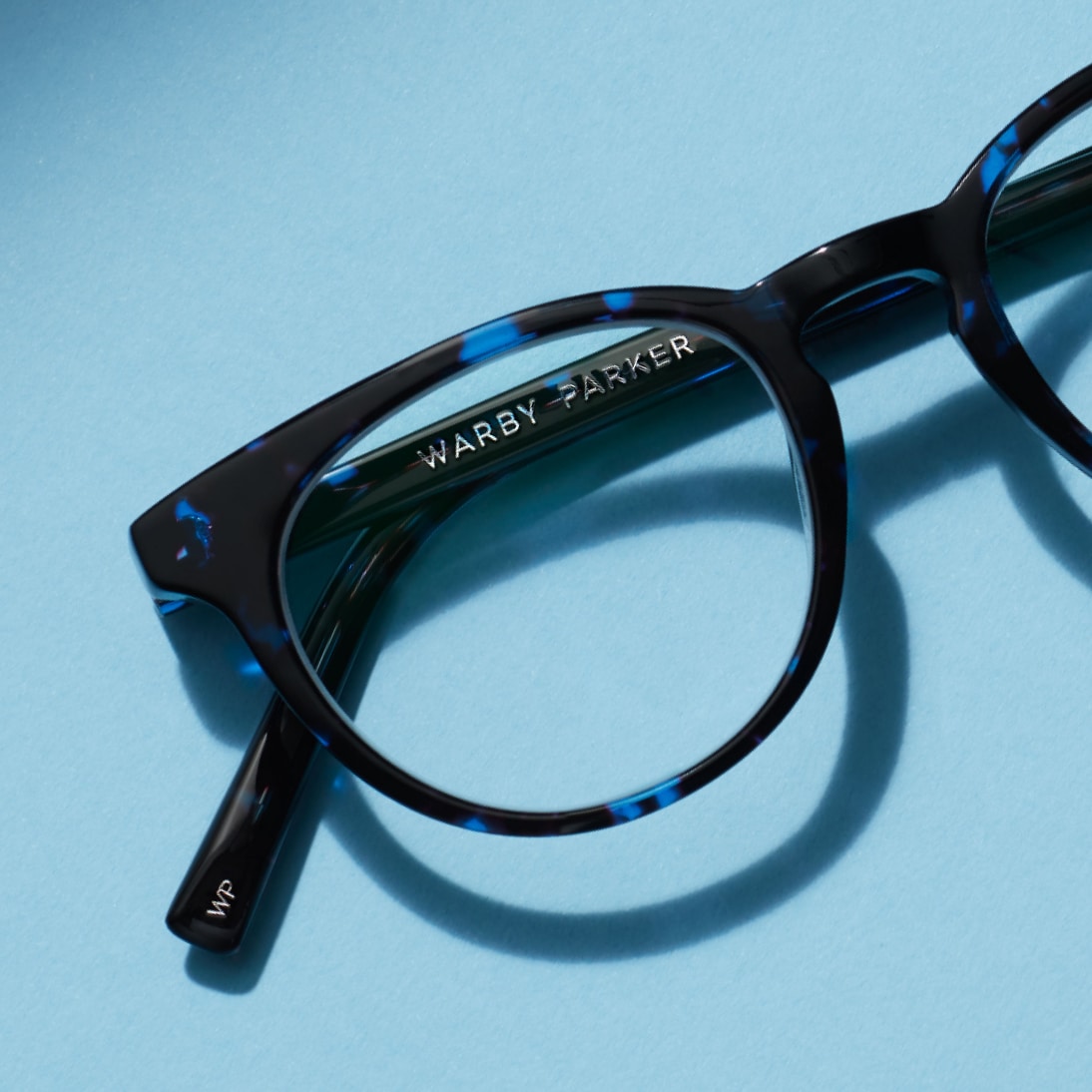
Whatever your eye color, highlight them with glasses or let them shine with contacts
In this article, you’ll find an overview of what your prescription means, common lens designs and coatings, what to consider in frames, and general tips for caring for glasses so they stay in good shape for everyday use.
Understanding Everyday Prescription Glasses & Your Vision
Everyday prescription glasses are typically used to address the way light is focused by the eye so that images can appear clearer. When the eye’s focusing system is not aligned, you may notice blurred vision at near, far, or multiple distances. These issues are called refractive errors and include nearsightedness, farsightedness, astigmatism, and age‑related close‑up difficulty.
The National Eye Institute explains that refractive errors are the most common type of vision problem, and they are typically managed with eyeglasses or contact lenses. Many people use everyday glasses as a convenient way to wear the lenses prescribed by their eye care professional, especially if they spend time reading, working, or driving.
Your written prescription may include values for sphere (overall lens power), cylinder and axis (for astigmatism), and sometimes an “add” power for close work if you have presbyopia. It can also include a pupillary distance (PD) so the optical center of each lens is aligned with your pupils, an important factor for visual clarity and comfort, especially with stronger prescriptions and multifocal lenses.
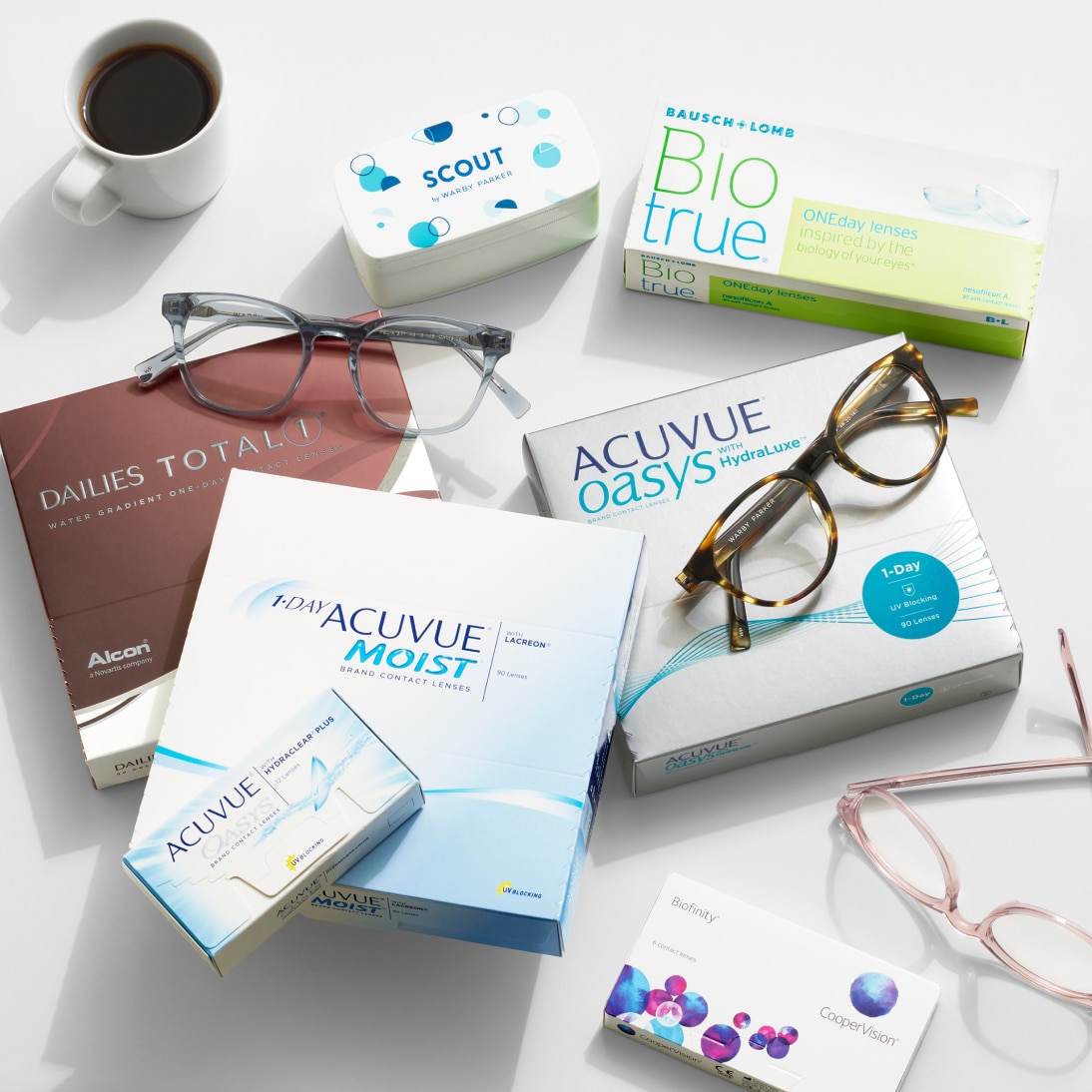
Looking for new lenses?
Our glasses include prescription lenses with scratch-resistant, anti-reflective coatings
Eye care professionals sometimes refer to “best‑corrected” vision, which generally means the best visual acuity a person can achieve when using appropriate glasses or contact lenses. This concept underscores why accurate exams and precise measurements are important parts of the prescription process.
Lens Types, Coatings, and Everyday Use
The lenses you choose can influence how you see through your glasses, how they feel to wear, and how they look on your face. For many people, everyday prescription glasses use one of three main designs: single‑vision, progressive, or bifocal/trifocal lenses.
Single‑vision lenses are typically used to address one distance, either far (such as for driving or walking) or near (such as for reading or crafting). They are commonly chosen by people who mainly notice difficulty at a single distance. Progressive lenses include distance, intermediate, and near areas within one lens, without a visible line. Single-vision, bifocal and progressive lenses are designed to address different daily visual tasks and preferences. Bifocals and trifocals have defined segments and are still used by people who prefer distinct viewing zones.
Lens materials and finishes are another consideration. High‑index lenses are manufactured to be thinner and lighter than standard plastic at the same prescription strength, and they are often chosen by people with stronger prescriptions who want a slimmer profile. Common lens coatings and treatments include:
- Anti-reflective: Designed to minimize the appearance of reflections from sources such as screens, headlights, and overhead lights, which can make lenses look clearer to others.
- Scratch‑resistant: Helps lenses better withstand everyday handling, like being set down on a desk or placed in and out of a case.
- Blue‑light filtering: An optional feature that adjusts how certain wavelengths of light pass through the lens; some people simply prefer how this looks.
A common approach for everyday prescription glasses is to pair single‑vision or multifocal lenses (such as progressives) with a reflection resistant coating. Some people who spend long periods at a computer or doing close work also choose a dedicated pair of glasses set up for those specific tasks.
Is it time for new glasses?
Our prescription glasses start at $95 with free shipping
Choosing Frames That Fit Your Face and Lifestyle
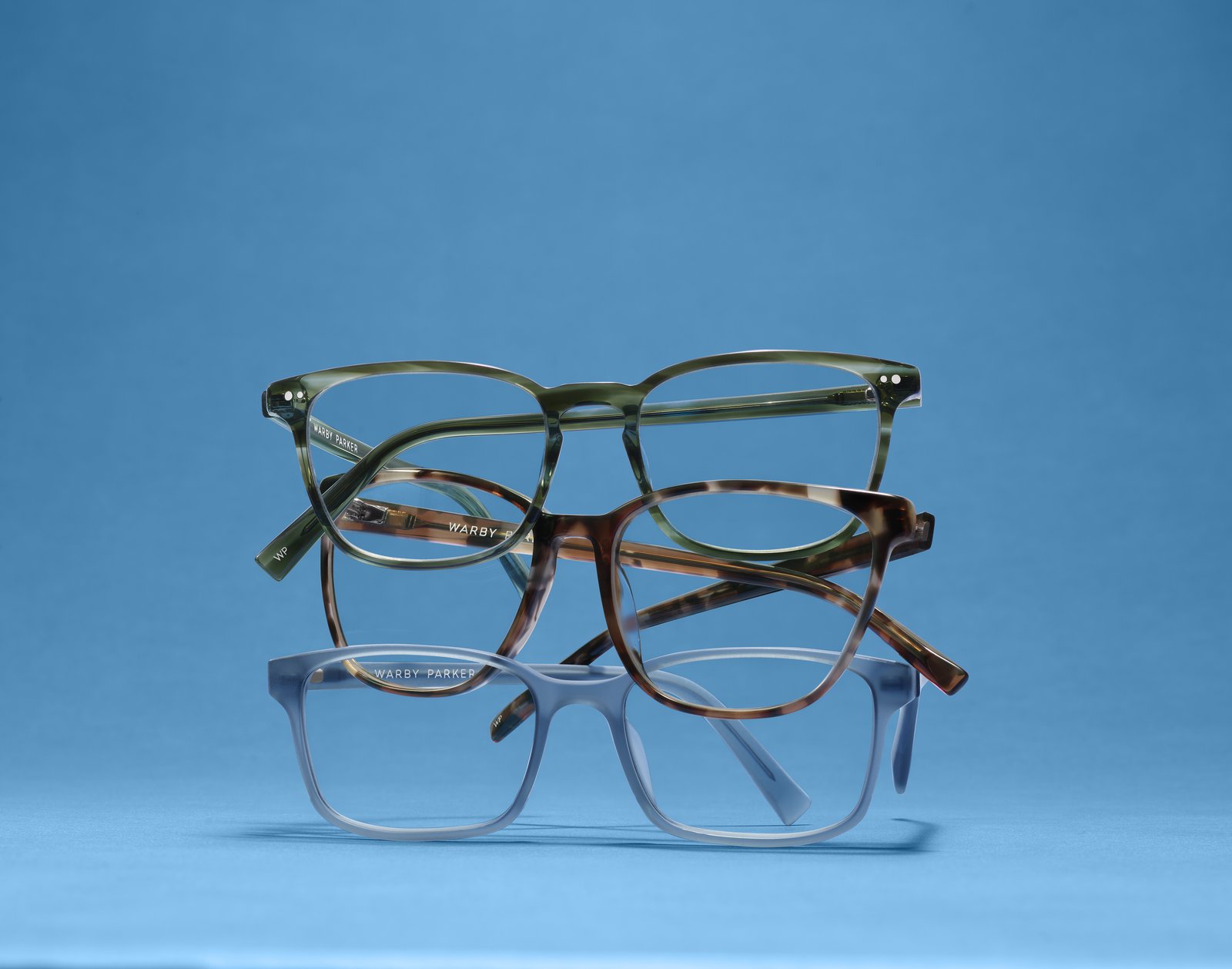
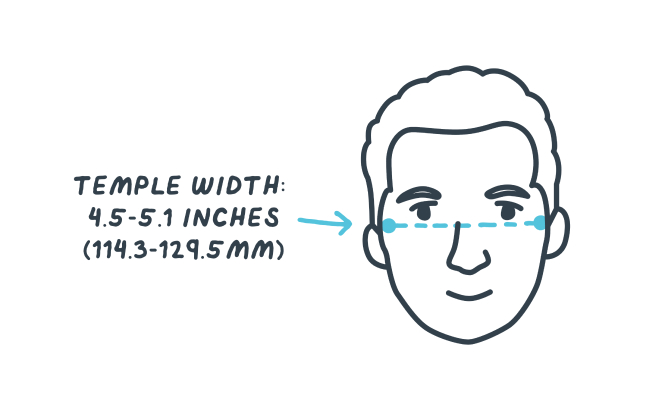
Frames do more than hold your lenses; they can influence how securely and comfortably your glasses sit throughout the day. Key fit points include bridge width (how the frame rests on your nose), temple length (the arms that go over your ears), and overall frame width relative to your face.
For day‑long wear, many people look for frames that sit level, do not pinch at the temples, and do not leave deep marks on the nose. Lightweight materials like acetate, titanium, and stainless steel are commonly used for everyday prescription glasses because they can balance durability with a lighter feel. Features like spring hinges can add flexibility and may help reduce the risk of bending or breaking.
Style also plays a role, especially if you wear your glasses at work, social events, and on video calls. Some people feel that rounder faces pair well with more angular frames, while square faces may be complemented by round or oval styles. Ultimately, your personal taste and how you feel in the frame are often more important than any style rule.
Time for a style shake-up?
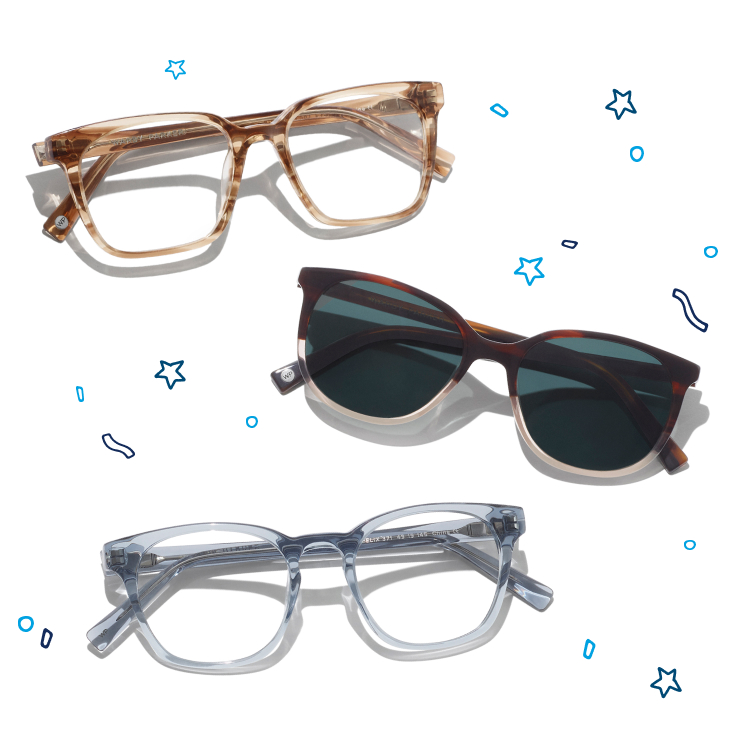
Retrofit your look with new eyeglasses or sunglasses
It can also be helpful to consider how your frame choice relates to your prescription. For example, very thin metal frames may not work as well with some prescriptions that tend to create thicker lens edges, while oversized fashion frames may affect how things look through the lenses if the lens area is very large. When you have questions, an eye care professional or optician can offer guidance on frame shapes and sizes that align with your prescription and daily routine.
Key Takeaways and Next Steps with Everyday Prescription Glasses
Everyday prescription glasses are shaped by three main elements: a current exam and prescription, a lens design and coatings that align with how you typically use your glasses, and frames that fit your face and lifestyle. Many people find that considering all three together helps them build a pair that works well for their day‑to‑day activities.
Your next step is to schedule a comprehensive eye exam, review your prescription with your eye care provider, and use this guide as a general checklist when selecting frames and lenses, whether in‑office or online. You can bring questions about lens types, coatings, and fit so your everyday pair reflects the way you actually live and work.
If you found this overview helpful, you might share it with someone choosing their first pair of glasses or bookmark it for reference at a future eyewear appointment. You can also explore related guides on lens options, computer‑oriented eyewear, or frame‑style ideas as you narrow down your choices.
Do you have grey eyes?
Frame them in the right eyewear or keep them unobscured with contacts
Legal Disclaimer
MEDICAL DISCLAIMER: This content is provided for educational and informational purposes only and is not intended as medical advice, diagnosis, or treatment. This information should not be used to replace professional medical care or consultation. Individual results may vary significantly. Always consult with a qualified healthcare provider before making any decisions about your health, vision, or medical treatment. Never disregard professional medical advice or delay seeking treatment because of information you have read on this website.
VISION CARE DISCLAIMER: Vision correction needs vary by individual. Consult an eye care professional for personalized assessment and recommendations.
FDA DISCLAIMER: These statements have not been evaluated by the Food and Drug Administration. This content is not intended to diagnose, treat, cure, or prevent any disease or medical condition.
PROFESSIONAL CONSULTATION REQUIRED: Only qualified eye care professionals can provide personalized recommendations for your specific vision needs and health conditions.
This article is for informational purposes only. It is not intended to provide medical advice or substitute for professional health services. Warby Parker complies with all HIPAA regulations regarding your health information. For personal health questions or concerns related to your vision or eyewear prescriptions, please consult a qualified healthcare provider.
How often should I think about replacing my everyday prescription glasses?
Many people update their glasses every 1-2 years, or sooner if they notice changes in their vision, if lenses become heavily scratched, or if frames no longer fit the way they’d like. Your eye care provider can advise on timing based on your specific situation.
Can I use the same everyday prescription glasses for computer, driving, and reading?
Some people use a single pair of everyday glasses for most tasks. Others may choose different prescriptions or frame styles for activities like driving, computer work, or detailed close‑up tasks. Your eye care professional can explain what your prescription is designed for and discuss options that may suit your typical routine.
Should everyday prescription glasses include blue‑light filtering?
Blue‑light filtering is optional. Some people prefer the appearance of lenses with this feature, while others are comfortable with standard clear lenses that include treatments like UV‑filtering and reflection resistant coatings. Your choice may come down to personal preference and guidance from your eye care provider.
What kinds of lenses do people often choose for everyday prescription glasses if they're over 40?
As people reach their 40s and beyond, they may notice more difficulty with close‑up tasks such as reading. Progressive lenses are a common choice in this stage because they are designed to provide distance, intermediate, and near correction in one pair. Other options, such as single‑vision readers or bifocals, may also be recommended depending on your prescription and preferences.
How do I know if my glasses fit in a way that works for me?
Many people look for glasses that stay in place without frequent sliding, do not pinch behind the ears or at the temples, and rest comfortably on the nose. It can also help if your eyes are generally centered in the lenses. An optician or eye care professional can assess fit and make adjustments if needed.
Can I reuse my old frames with a new prescription?
In some cases, older frames can be fitted with new lenses if the frames are still in good condition and compatible with your new prescription. An optician can check the frame’s structural strength and let you know whether it is a good candidate for new lenses.
Need Glasses?
Shop prescription glasses starting at $95