Glasses for Oval Faces: A Versatile Fit Guide
If you have an oval face, you have a particularly versatile canvas for eyewear. But with so many options, it’s easy to feel overwhelmed by choices instead of empowered by options.
This guide breaks down how to choose glasses for an oval face, with tips to help you feel confident about your new frames.
We’ll walk through why many style and eyewear guides note that glasses for oval face shapes can be relatively straightforward to fit, and how to use that flexibility to explore everyday styles you enjoy.
You’ll learn how to get a general sense of your face shape, frame shapes and sizes that often work well, what to consider avoiding, and styling ideas for both everyday glasses and sunglasses-so you can shop with more clarity about your options.
How to Tell If You Really Have an Oval Face Shape
Before you start adding frames to your cart, it can be helpful to check whether you have an oval face. Oval faces are typically longer than they are wide, with gently curved lines, a slightly narrower jaw than forehead, and no sharp angles. The cheekbones are usually the widest point, but transitions between forehead, cheeks, and chin are smooth.
Stand in front of a mirror, pull your hair back, and trace your face outline on the glass with a removable marker or lipstick. Step back and look: does your outline appear like a tall, rounded egg-longer than wide, with a softly rounded chin and forehead? If yes, you may fall into the oval category.
Need an eye exam?
Schedule an appointment with an expert optometrists today
Some eyewear guides describe oval faces as relatively straightforward to fit because of their balanced proportions. One guide notes that oval faces are highly versatile when it comes to choosing eyeglass frames, which means you may feel comfortable experimenting with a range of styles.
If you’re still unsure, compare your outline with common shapes-round, heart, square, diamond. If none of those feel quite right and your features look softly balanced, you can use oval-focused tips as a starting point when thinking about frames.
Best Frame Shapes and Sizes for an Oval Face
The general guideline for glasses on an oval face is to honor your natural balance. Because the features are already fairly harmonious, many frame shapes can work-as long as they don’t overwhelm your face or hide key features.
Some style resources emphasize that oval faces offer a lot of flexibility when it comes to choosing glasses, since many frame styles can work well. Still, certain silhouettes are often considered especially polished on oval faces:
- Rectangle and square frames: Add defined lines and a modern edge, often chosen for work or minimal style.
- Cat-eye frames: Emphasize the upper corners of the frame and draw attention toward the cheek area-great if you like a playful, fashion-forward look.
- Wayfarer and D-frame: Timeless, casual shapes that can suit both everyday wear and weekend outfits.
- Aviators: A popular choice for sunglasses and bold eyeglasses; their curves can echo the natural shape of an oval face while adding character.
For size, many guides suggest trying frames that are as wide as, or just slightly wider than, the broadest part of your face. Choosing frames that are slightly wider than the widest part of the face can help keep proportions balanced and avoid a look that feels too narrow.
Treat Your Eyes
Toric lenses? We’ve got ’em.
What to Avoid and How to Keep Your Look in Balance
Even with an oval face’s flexibility, a few choices can change the overall balance of your features. Extremely oversized frames that extend far beyond your temples or cover most of your eyebrows and cheeks can make your facial features feel less defined. Very narrow, tiny lenses can also make your face appear longer.
One style guide explains that individuals with oval faces can comfortably experiment with different frame shapes, colors, and sizes, but still notes that extremes may feel less balanced. Think statement-making, not face-swallowing.
Color and detail matter too. Bold hues, tortoiseshell, clear acetate, and metal frames can all work well on oval faces. Try balancing the energy of your glasses with your wardrobe and lifestyle. If you wear bright clothes, a neutral or translucent frame may keep things cohesive; if your style is classic or minimal, a pop of color at your eyes can add interest without much effort.
Finally, consider bridge fit and lens height. A well-fitting bridge can help reduce sliding and keep lenses centered in front of your eyes, which many people find important for both comfort and appearance. Medium lens heights often provide coverage without feeling visually heavy.
Final Thoughts on Glasses for Oval Face Shapes
Having an oval face means you can treat eyewear as a style playground. You’ve seen how to get a general sense of your face shape, which frame shapes and sizes many people with oval faces prefer, what to consider avoiding, and how to play with color and proportion while still keeping your natural balance in mind.
Keep the core idea in mind: with glasses for oval face shapes, many different options can work as long as your features remain the focus.
Ready to put these tips into practice? You might start by shortlisting a few rectangle, cat-eye, or D-frame styles in a medium or slightly wide fit, then compare how each one frames your eyes, brows, and cheekbones.
If you’re still deciding between a few favorites, you can snap photos, ask a trusted friend for their opinion, or bring your options to your next eye exam and ask your optician which frames they think complement your features and lifestyle.
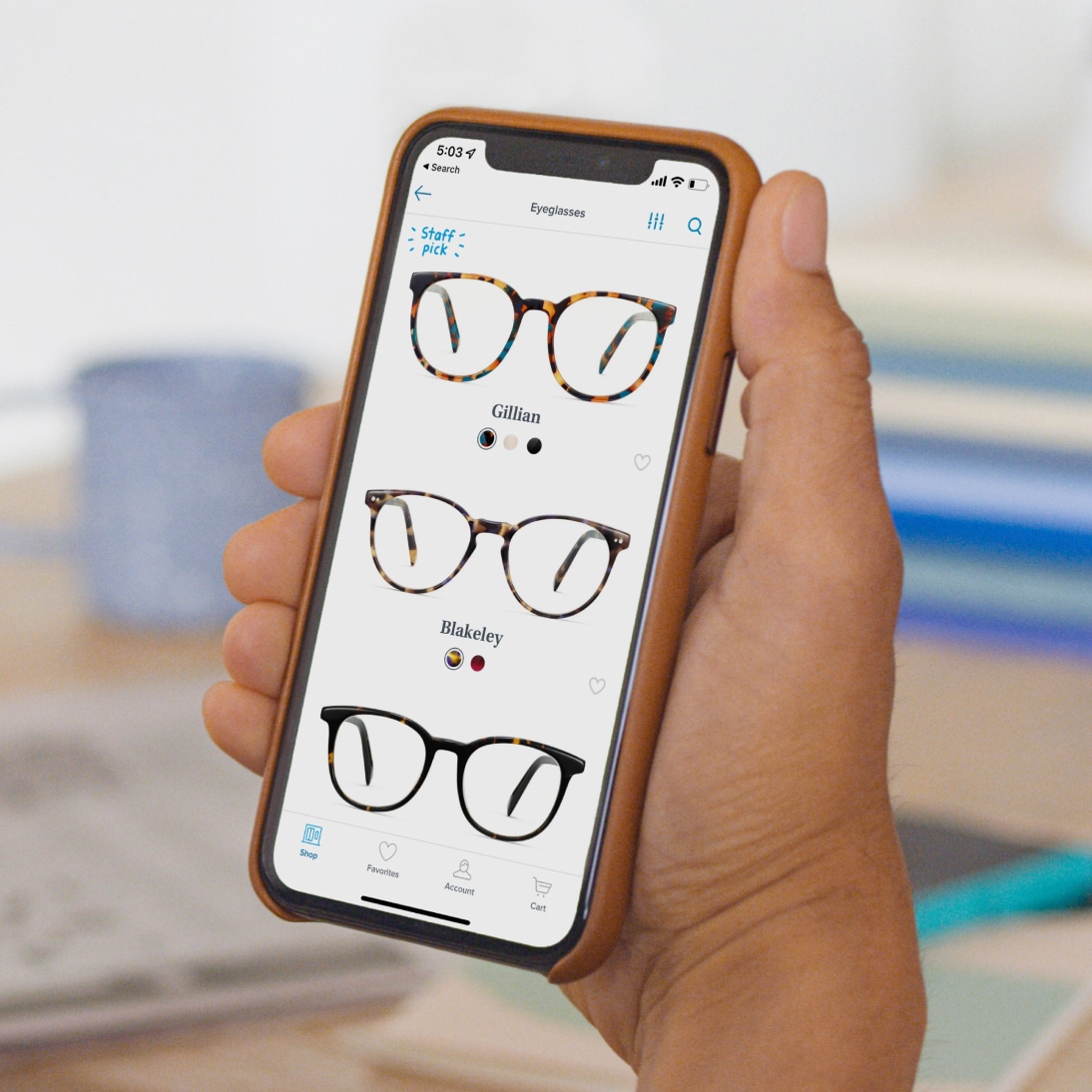
Want to try before you buy?
Try on any pair virtually from home
Want new glasses?
Try on any pair virtually from home
Frequently Asked Questions
What glasses shape is often recommended for an oval face?
Rectangle, square, cat-eye, and classic Wayfarer-inspired shapes are often considered flattering for oval faces, because they add gentle structure while keeping the face’s natural balance visible.
Can oval faces wear round glasses?
Yes, many people with oval faces wear round frames, especially in medium sizes. It can help to avoid ultra-small or extremely oversized circles if you prefer not to emphasize face length.
Are oversized glasses a good option for oval face shapes?
Moderately oversized frames can look stylish on many oval faces, but if they cover most of your cheeks or brows, they may feel like they’re overwhelming your features. If you like a bolder look, you can try on a few oversized options and compare photos to see what you prefer.
What color glasses can suit an oval face?
Many colors work well with oval faces. Black, tortoiseshell, clear, metal finishes, and bold hues can all complement an oval face. It can be helpful to choose shades that coordinate with your skin tone, hair color, and everyday wardrobe.
Do aviator glasses work on an oval face?
Aviator styles can suit many oval faces. Their curved lines can echo an oval face’s natural shape, and they can be a strong choice for both eyeglasses and sunglasses, especially in medium or slightly wide widths.
How do people often like their glasses to fit on an oval face?
Many people with oval faces look for frames that are as wide as or slightly wider than their cheekbones, with a comfortable bridge, lenses that sit centered in front of the eyes, and temples that feel secure without pinching.
Citations
https://www.warbyparker.com/learn/glasses-for-different-face-shapes
*Disclaimer: This content is for general informational and style purposes only and is not intended as medical or vision advice, diagnosis, or treatment. It should not be used as a substitute for professional advice from an eye care professional or other qualified health provider. If you have questions about your vision, eye health, or which lenses are appropriate for you, speak with an eye care professional. If you are experiencing a medical emergency, call 911 or your local emergency number immediately.*
Need Glasses?
Shop prescription glasses starting at $95