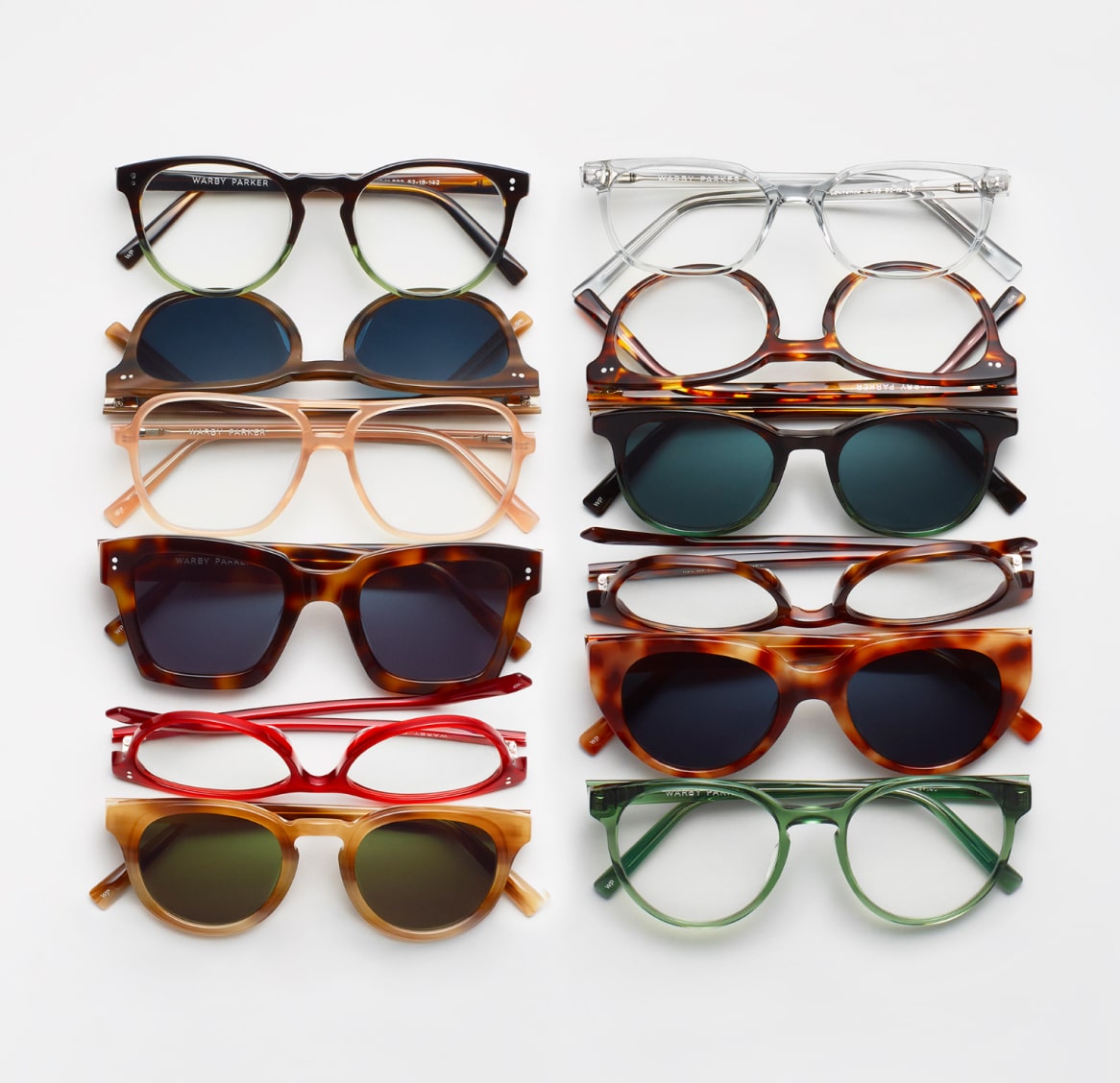
Eco Friendly Eyeglass Frames: Sustainable Materials Overview
Millions of people around the world wear glasses every day. They’re essential in so many ways that you can’t quite imagine living your life without them. But their impact reaches far beyond just improving your eyesight. The materials used in all of those frames have a big environmental footprint.
This article helps you understand what truly makes eyewear sustainable, so you can move beyond green buzzwords and make confident, informed choices that align with your values.
We will look at how eco-friendly eyeglass frames are described, which materials are often associated with lower environmental impacts in the research literature, and how lifecycle thinking can matter just as much as style.
Got an FSA or HSA?
Use your vision benefits for prescription eyewear.
By the end, you may feel more prepared to compare plant-based plastics, recycled metals, bamboo and wood options, and identify labels and features to consider when choosing your next pair.
Eco Friendly Eyeglass Frames and the Life Cycle of Spectacles
When we talk about sustainable eyewear, we are really talking about the entire life of a product. A rigorous life cycle assessment of spectacles shows that frame and lens materials, manufacturing energy, and end-of-life treatment together drive most of the environmental footprint. That means the material in your frames can be an important consideration.
Traditional petroleum-based plastics and metals can be resource-intensive to produce and difficult to recycle at the product’s end of life. Some studies suggest that recycled or bio-based materials may require fewer fossil resources and be associated with lower greenhouse gas emissions over the product life, provided they are responsibly sourced and processed.
At the same time, durability can play a role. Eyeglass frames are often worn for extended periods of time. Research on biodegradable versus durable plastics suggests that, for long-lasting items, designing for longevity and recyclability can offer advantages in certain contexts, compared with focusing primarily on rapid breakdown.
Bundle & save
Buy one prescription pair and save 20% on additional pairs
For consumers, more sustainable choices can include frames that combine lower-impact materials (where available) with robust construction and options for repair, reuse, or material recovery when it is time for a new pair.
Key Sustainable Materials for Eco Friendly Eyeglass Frames
One of the most common materials in eco friendly eyeglass frames is bio-based acetate. Unlike conventional acetate made entirely from fossil-derived plasticizers, modern bio-acetate replaces much of the petrochemical content with plant-based ingredients such as wood pulp and natural plasticizers. Studies comparing bio-based versus petrochemical plastics suggest that some bio-based materials may reduce fossil energy use and life-cycle emissions when sustainably sourced.
Another fast-growing option is castor-oil-based nylon, used in lightweight, flexible frames. These bio-based polyamides start from a renewable plant source and are designed to offer strength and heat resistance suitable for everyday wear.
Metal frames are evolving too. Stainless steel made with a high recycled content and recycled aluminum may be associated with lower embodied energy compared with virgin metals. Evidence on recycled aluminum environmental benefits shows that secondary aluminum production can use far less energy than primary production from ore, while offering similar material performance.
Is it time for new glasses?
Our prescription glasses start at $95 with free shipping
Finally, natural materials such as bamboo and responsibly sourced wood appeal to customers who prefer a warm, organic look. Properly treated, these materials can be used to create stable, lightweight frames and store carbon for as long as the frames are in use. Some materials to consider include:
- Bio-based acetate: Made from wood pulp and plant plasticizers.
- Bio-based nylon: Castor-oil-derived nylon and other bio-based polyamides.
- Recycled metals: Recycled stainless steel and recycled aluminum.
- Natural materials: Bamboo and certified wood from responsibly managed forests.
How to Evaluate Eco-Friendly Eyeglass Frames
With more brands marketing “green” collections, it can be helpful to look beyond slogans. Some people start by asking what percentage of the frame material is bio-based or recycled, and whether this is independently verified. Clear percentages and third-party certifications can provide more specific information than general statements.
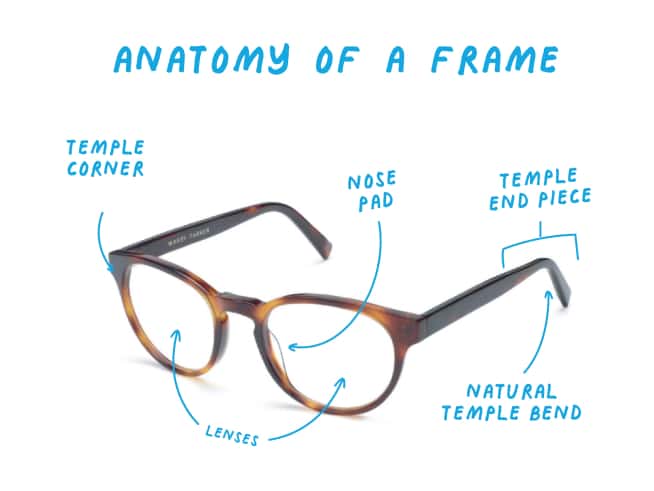
Durability and repair options are another consideration. Eco-conscious design is often linked to circular economy principles in product design, which emphasize long product lifetimes, replaceable parts, and the potential to refurbish or recycle items. Features such as robust hinges, replaceable nose pads, and brand-led repair or take-back programs can be indicators of this approach.
Many people also consider how frames feel and fit into daily life, including overall weight and how the frames rest on the nose and ears, as well as shapes and sizes that match personal style preferences.
Think you need glasses?
Time to check in with one of our friendly optometrists
The Bottom Line on Eco Friendly Eyeglass Frames
Eco friendly eyeglass frames are often associated with a focus on materials, thoughtful design, and product longevity. Bio-based acetate, plant-derived nylons, recycled metals, and responsibly sourced bamboo and wood are among the options that may help reduce environmental impact when paired with durability and end-of-life pathways, such as repair, reuse, or material recovery programs.
As you compare styles, you may want to ask questions about material content, repair options, and take-back schemes, and consider brands that provide clear, accessible information about these details.
If you are exploring new frames, you can use this guide as a general checklist and share it with friends or colleagues who are also interested in learning more about sustainable eyewear choices.
Like the Classic Fable…
Tortoise frames are bold (and super wearable)—and come in a bevy of shapes
Legal Disclaimer
MEDICAL DISCLAIMER: This content is provided for educational and informational purposes only and is not intended as medical advice, diagnosis, or treatment. This information should not be used to replace professional medical care or consultation. Individual results may vary significantly. Always consult with a qualified healthcare provider before making any decisions about your health, vision, or medical treatment. Never disregard professional medical advice or delay seeking treatment because of information you have read on this website.
VISION CARE DISCLAIMER: Vision correction needs vary by individual. Consult an eye care professional for personalized assessment and recommendations.
FDA DISCLAIMER: These statements have not been evaluated by the Food and Drug Administration. This content is not intended to diagnose, treat, cure, or prevent any disease or medical condition.
PROFESSIONAL CONSULTATION REQUIRED: Only qualified eye care professionals can provide personalized recommendations for your specific vision needs and health conditions.
This article is for informational purposes only. It is not intended to provide medical advice or substitute for professional health services. Warby Parker complies with all HIPAA regulations regarding your health information. For personal health questions or concerns related to your vision or eyewear prescriptions, please consult a qualified healthcare provider.
Need Glasses?
Shop prescription glasses starting at $95