So you start your day with your glasses feeling light and easy. But by lunchtime you can feel them, and they feel – heavy. Frame weight and fit may be part of the reason. Marks on the nose, sensitivity around the ears, or frequent adjusting can indicate that your frames are carrying more weight or making contact in a way that doesn’t feel ideal for you.
This guide explains what to consider when you’re looking at lighter-feeling eyeglass frames, with a focus on materials, frame design, and overall fit. The goal is to help you understand the features that can influence how your glasses feel during everyday wear.
We’ll break down the factors that contribute to a frame’s overall weight and how that weight is distributed on your face, so you know what to look for before you buy.
By the end, you’ll be familiar with common lightweight materials like titanium and modern plastics, how frame design relates to areas of contact on your face, and key questions to ask when comparing different frame options.
What Influences How Lightweight Eyeglass Frames Feel?
Comfort with eyewear isn’t just about how many grams a frame weighs; it also relates to where and how that weight rests on your skin. Heavier spectacle frames are associated with increased contact pressure on the nose and ears, which can contribute to how noticeable glasses feel over time.
Frames that use lighter materials and thoughtful design can distribute weight over a broader area, particularly at the bridge of the nose and behind the ears. When weight and contact areas are balanced, some people find that their glasses feel less prominent during wear.
Frame design also plays a role. How a frame distributes its weight-through the bridge, temple width, and contact surfaces-can influence how it feels on your face. Research has found that spectacle frame design and weight can influence pressure on the nose and ears and perceived comfort, so design considerations can matter in addition to overall weight.
For people who wear glasses from morning to night, choosing a frame made from lighter materials with design features that spread out contact areas may help the glasses feel less noticeable throughout the day.
Lightweight Frame Materials: Titanium, Plastics & More
Material choice is one of the biggest factors in how light a frame can be. Modern eyeglass frames are commonly made from metals such as titanium and stainless steel and plastics such as cellulose acetate and polyamides, each with its own characteristics for weight, flexibility, and durability.
Titanium is commonly used in lightweight eyeglass frames. It has a high strength-to-weight ratio, meaning it can be made relatively thin while remaining structurally stable. Titanium is also corrosion-resistant and is often chosen by people who want a frame that stands up well to everyday wear.
Advanced plastics like TR-90 or high-performance polyamides are another option frequently used in lightweight designs. They are generally light, can offer a degree of flexibility, and are often selected for frames intended for active, casual, or kid-friendly use.
Here’s how some of the main material options are often described when you’re shopping:
- Titanium: Typically very light and durable, often used in minimalist or professional-looking frames.
- Stainless or metal alloys: Strong and slim, though they may weigh more than comparable titanium designs.
- TR-90 / performance plastics: Generally light and flexible, frequently used for frames intended for active lifestyles.
- Acetate: Offers a wide range of colors and shapes and can be adjusted by an optician; usually heavier than many metal or TR-90 options.
Design Details That Influence How Glasses Feel
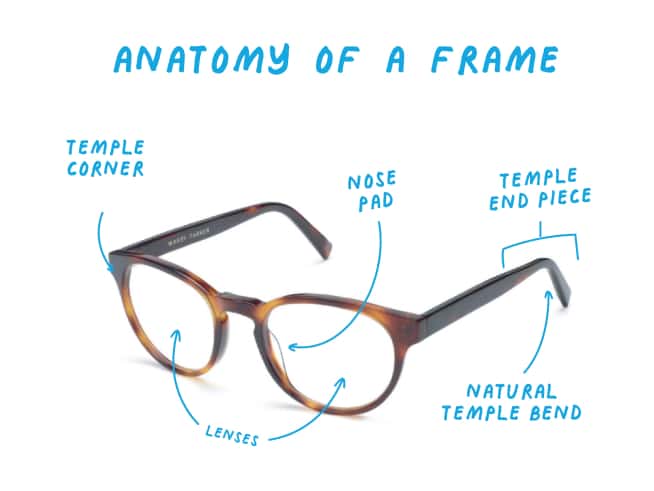
Two frames can weigh the same but feel different on your face. That’s where design comes in. A wider, well-shaped bridge can spread weight more evenly across your nose. Adjustable nose pads can help fine-tune how and where the frame makes contact with your skin.
Temple design matters as well. Very thin or sharply angled temple tips may feel more concentrated behind the ears, while slightly wider or contoured tips can spread contact over a broader area. Clinical work on contact pressure suggests that when weight is concentrated in small areas, frames can feel more noticeable on the skin, especially during long periods of wear.
Lens size and thickness also contribute to how light or heavy your glasses feel. Larger lenses made from standard plastic may feel heavier toward the front and may shift more on your face. Choosing a slightly smaller lens shape or lenses made from materials that allow thinner designs can help manage overall frame-and-lens weight.
Bringing Materials, Design, and Fit Together
Lightweight eyeglass frames can bring together three main elements: lower-weight materials like titanium or certain plastics, frame geometry that spreads contact across the nose and ears, and an adjusted fit that aligns with your face.
As you compare options, pay attention to how the frame sits on your nose and around your ears, not just how it looks in photos. You can ask about approximate frame weight, material type, and whether adjustments are available so you can revisit the fit after you’ve worn the glasses for a bit.
If you’re interested in exploring lighter-feeling eyewear, you can look at collections that highlight lighter materials and schedule a fitting to compare different frame styles in person. Sharing what you notice-such as where the frame touches your nose or ears-with your eyecare provider or eyewear specialist can help you find a fit that feels well-balanced for you.
Frequently Asked Questions
What are lightweight eyeglass frames typically made of?
Lightweight eyeglass frames are often made from materials like titanium, stainless steel, TR-90, and other performance plastics. These materials are commonly used when designers want to keep frame weight relatively low.
Are titanium glasses more comfortable?
Titanium frames are known for being light and strong, which is why many people prefer them for everyday wear. How comfortable they feel can vary from person to person and depends on factors like frame shape, design, and how the frame is adjusted on your face.
How many grams is considered lightweight for glasses?
There’s no single definition, but some shoppers look for frames under about 20 grams (without lenses) when they’re prioritizing lower weight. Personal preferences can vary, and trying on different options is often the best way to compare how they feel.
Can lightweight frames still be durable?
Yes. Materials such as titanium and many performance plastics are used in frames that are intended to balance low weight with everyday durability. Actual durability depends on specific design, construction, and how the glasses are used and cared for.
Do lighter frames change whether you see marks on your nose or feel pressure?
Some people notice differences in where and how marks or pressure appear when they switch between frame styles or materials, but experiences vary. Frame design, nose pads or bridge style, and overall fit all play a role in how glasses may look and feel on your face.
Will lightweight frames work with stronger prescriptions?
Many lightweight frames can be paired with a range of prescriptions. Lens material and design (for example, lenses that can be made thinner) also influence how the finished pair feels. An eyecare professional or eyewear specialist can help you understand which frame-and-lens combinations are appropriate for your prescription.
Disclaimer
This article is for general informational purposes only and is not intended as medical or vision advice, diagnosis, or treatment. Always consult an eye care professional or other qualified health provider with any questions you may have about your eyes, vision, or eyewear options. If you think you may be experiencing a medical emergency, call 911 or your local emergency number immediately.