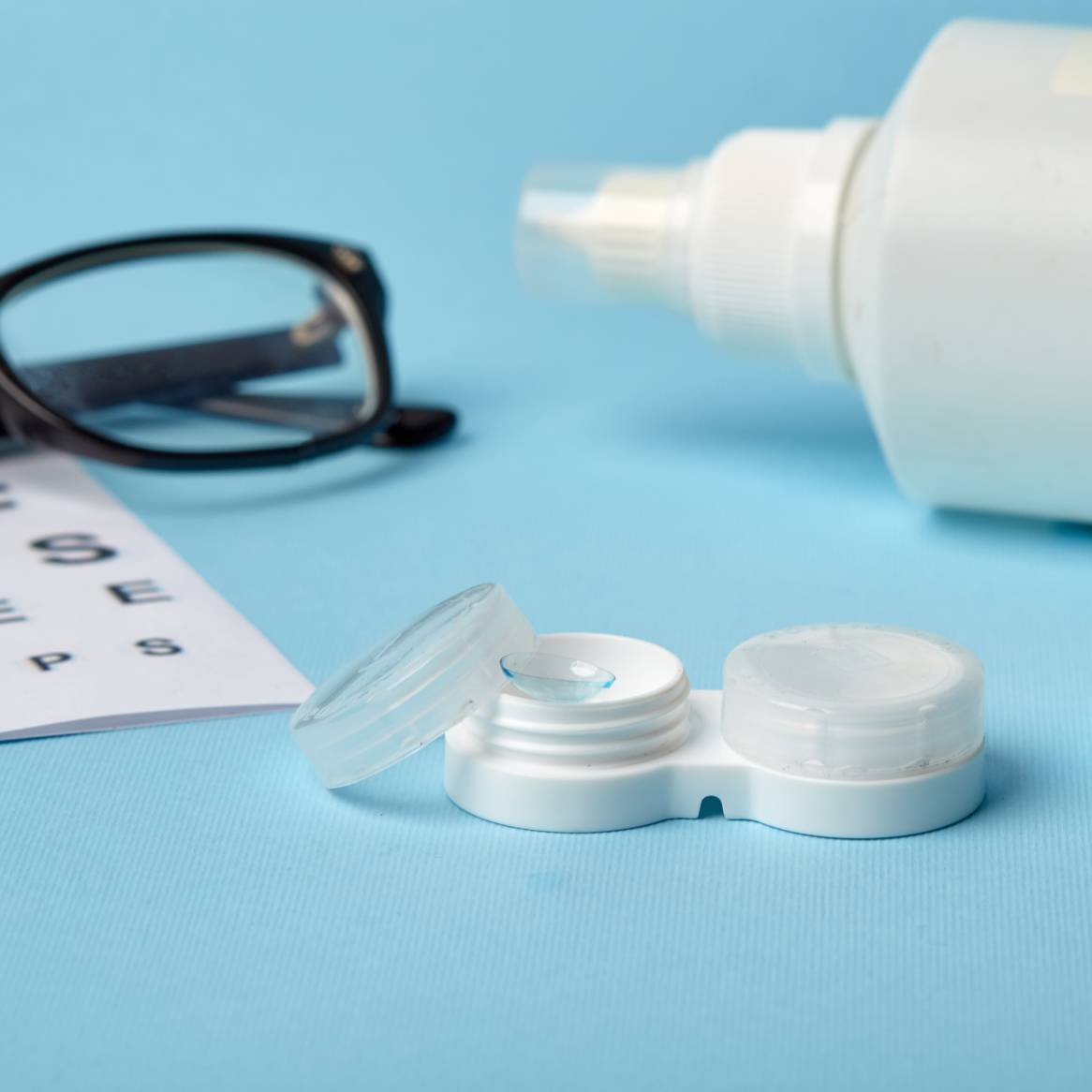
When it comes to contact lens care, most people zero in on the lenses themselves, and forget about the case they are stored in. But that little container plays a bigger role than it gets credit for. It’s not just storage; it can directly affect how clean and comfortable your lenses feel.
Good case maintenance helps reduce bacterial buildup, which in turn supports healthier, happier eyes. It’s a small habit with outsized impact, and one that’s easy to overlook until it causes problems.
In this article, we’ll walk through practical, no-nonsense tips for choosing, cleaning, and replacing your contact lens case. A few simple adjustments can go a long way toward supporting a smoother, safer lens care routine.
Choosing a Case: Material and Design Considerations
When it’s time to choose a contact lens case, the details actually matter more than most people realize. Material and design can influence how easy the case is to clean, and how well it supports your overall lens care routine.
Cases made from durable, non-porous materials are often easier to keep clean than softer plastics, which can trap residue over time. Designs that come apart easily also make a difference, letting you reach every surface instead of just hoping a quick rinse does the trick.
If you’re unsure what works best for your lenses, an eye care professional can help point you in the right direction. A quick recommendation based on your lens type and habits can make daily care simpler and more effective.
Size and Fit: Finding an Appropriate Case
The size of your contact lens case matters more than you might expect. A case that fits your lenses appropriately helps minimize unnecessary exposure to air and moisture. Cases that are too large may hold excess solution, while cases that are too small might not close securely or damage your lenses. Consider your lens size and type when selecting a case to help support proper storage.
Cleaning Your Case: A Regular Routine
Maintaining a clean contact lens case is an important part of lens hygiene. Many eye care professionals recommend rinsing the case with fresh contact lens solution (not tap water) after each use and allowing it to air dry. Regularly cleaning your case, ideally daily, may help limit the accumulation of deposits and debris. Consult your lens care guide or eye care provider for cleaning recommendations specific to your products.
Basic cleaning steps:
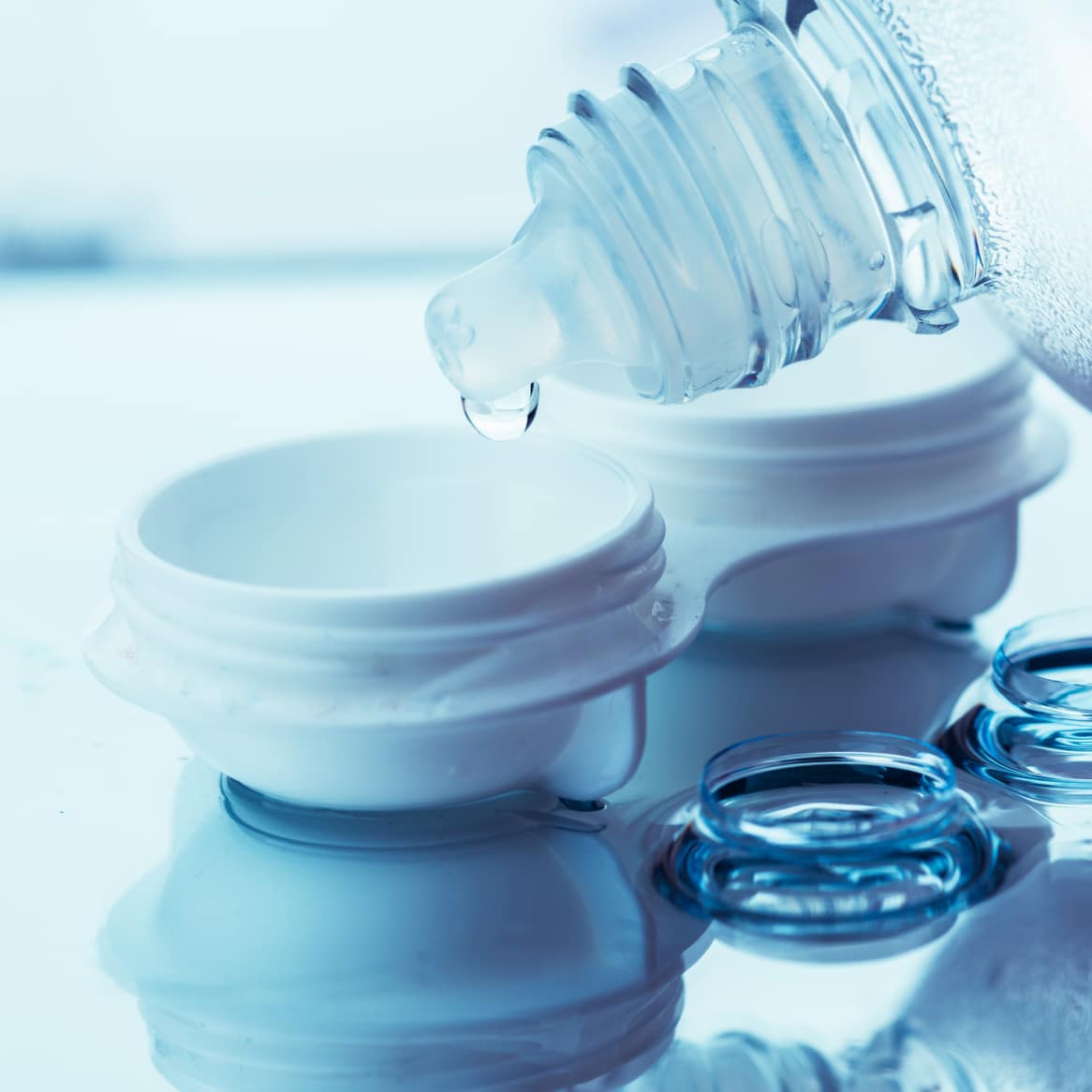
- Empty the case of old solution after inserting your lenses
- Rinse with fresh contact lens solution
- Wipe with a clean paper towel if needed
- Allow to air dry face-down on a clean paper towel or tissue
Seal and Closure: Features to Consider
A case with a secure seal and proper closure may help limit exposure to dust and debris. Look for cases that close firmly without gaps. For those who travel frequently, compact and durable cases designed for portability may be worth considering. A secure closure helps keep the solution in and contaminants out. Screw top contact lens cases are the best to avoid leakage.
Replacement Schedule: When to Get a New Case
Contact lens cases are not meant to last indefinitely. Over time, cases may develop scratches or wear that can be more difficult to clean thoroughly. Some eye care professionals suggest replacing your case every one to three months, or whenever you start a new bottle of solution. Keeping a spare case on hand can make regular replacement easier to maintain.
Signs it may be time for a new case:
- Visible scratches or cracks
- Discoloration
- Difficulty closing securely
- Buildup that does not clean away
Avoiding Common Mistakes
A few common habits may affect case hygiene:
- Using tap water: Tap water may contain microorganisms so NEVER use. Stick to contact lens solution for rinsing.
- Topping off old solution: Fresh solution each time helps maintain effectiveness.
- Storing a wet case closed: Allowing the case to air dry may help reduce moisture buildup.
- Skipping replacement: Even cases that look clean will benefit from regular replacement every 1-3 months
Being aware of these habits may support consistent lens care practices.
Working with Your Eye Care Professional
Your eye care provider can offer personalized guidance on case hygiene as part of your overall lens care routine. During regular eye exams, they can review your cleaning habits, recommend appropriate products, and address questions about lens or case maintenance. This professional input can support informed choices about your lens care.
Contact lens case hygiene is one piece of the larger lens care picture. From selecting an appropriate case to establishing a regular cleaning routine and replacement schedule, each step will support comfortable lens wear. Discuss your case care routine with your eye care professional during your next visit to align your approach with your specific needs.
Key Takeaways
Thinking it might be time to take a closer look at your contact lens care routine? An eye exam is a great opportunity to check in-not just on your vision, but on the habits that support comfortable lens wear day to day.
By talking through your lens and case hygiene with an eye care professional, you can get personalized guidance tailored to how you actually use your contacts. A few small tweaks can make a big difference in comfort, clarity, and confidence every time you put your lenses in.
Legal Disclaimers
MEDICAL DISCLAIMER
This content is provided for educational and informational purposes only and is not intended as medical advice, diagnosis, or treatment. This information should not be used to replace professional medical care or consultation. Individual results may vary significantly. Always consult with a qualified healthcare provider before making any decisions about your health, vision, or medical treatment. Never disregard professional medical advice or delay seeking treatment because of information you have read on this website.
VISION CARE DISCLAIMER
Vision correction needs vary by individual. Consult an eye care professional for personalized assessment and recommendations.
FDA DISCLAIMER
These statements have not been evaluated by the Food and Drug Administration. This content is not intended to diagnose, treat, cure, or prevent any disease or medical condition.
PROFESSIONAL CONSULTATION REQUIRED
Only qualified eye care professionals can provide personalized recommendations for your specific vision needs and health conditions.
This article is for informational purposes only. It is not intended to provide medical advice or substitute for professional health services. Warby Parker complies with all HIPAA regulations regarding your health information. For personal health questions or concerns related to your vision or eyewear prescriptions, please consult a qualified healthcare provider.