Navigating the world of contact lenses is akin to a modern balancing act. While they offer a seamless solution to vision correction without the weight of eyeglasses, maintaining them requires diligence. Proper contact lens hygiene is essential not just for the longevity of the lenses but, more importantly, for the health of your eyes. Unfortunately, many find themselves inadvertently slipping into less-than-ideal habits. Are you guilty of these common contact lens hygiene mistakes? Let’s explore how awareness and a few simple tweaks can make all the difference for your eye health.
Understanding the Basics of Contact Lens Hygiene
The foundation of contact lens hygiene begins with the basics—a ritual as simple as washing your hands. Before touching your contact lenses, thorough handwashing is essential. This simple act can drastically reduce the transfer of potential pathogens to your eyes. Similarly, it’s crucial to use a contact lens solution recommended by your eye-care professional. Tap water, despite its innocuous appearance, can be a breeding ground for microorganisms, making the use of saliva or water a significant no-no. Furthermore, while you might think expired lens solutions are still usable, they lose their disinfecting efficacy and might invite eye infections instead.
- Wash and dry hands thoroughly before handling lenses.
- Use only the solution recommended by your eye-care professional; never tap water or saliva.
- Do not “top off” old solution—always use fresh solution.
- Check solution expiration dates before use.
- Follow rub-and-rinse instructions if your solution requires it.
- Keep lenses and cases away from water (showers, pools, hot tubs).
Risks Associated with Poor Contact Lens Hygiene
The allure of convenience sometimes blinds wearers to the risks of poor hygiene practices. Take, for example, the tempting prospect of sleeping with your contact lenses, despite knowing your lenses are not designed for overnight wear. This habit considerably raises the risk of developing eye infections in addition to corneal ulcers and potential scarring of the cornea.
Equally concerning is neglecting your contact lens case’s cleanliness. Bacteria can flourish in dirty or damaged cases, increasing the risk of eye infections and inflammation. Another common issue is overusing lenses—wearing them longer or more frequently than prescribed—which can strain the eyes and compromise corneal health.
Sleeping in contact lenses not designed for overnight wear is especially risky. During sleep, reduced oxygen to the eye and decreased tear exchange can allow bacteria to multiply more easily, raising the risk of complications such as corneal irritation, inflammation, or infection.
- Sleeping in lenses not designed for overnight wear.
- Overextending lens replacement schedules.
- Using a dirty, cracked, or rarely replaced case.
- Wearing lenses after water exposure.
- Ignoring discomfort, redness, or vision changes.
Best Practices for Contact Lens Care
Optimizing your contact lens care routine is not only simple but immensely beneficial. Start by committing to regular cleanings of your contact lens case, replacing it every three months. Ensure that you insert and remove your lenses with clean hands, storing them in fresh solution every time. Adhering to a consistent replacement schedule for your lenses is just as vital—it’s a surefire way to prevent the myriad of complications that sneak up on extended use. These practices collectively create a safer and more comfortable experience, supporting optimal eye health.
Daily: Insert/remove with clean hands, store lenses in fresh solution, leave the case open to air‑dry upside down.
Regular: Replace your lens case every three months.
Replacement: Dispose of daily disposables each day; replace bi‑weekly/monthly lenses on schedule (set calendar reminders).
Many contact lens hygiene mistakes start at the microscopic level. Topping off old solution, exposing lenses or cases to tap water, or relying on saline instead of a true disinfecting solution can nurture biofilms and invite organisms like Acanthamoeba. Sleeping in lenses not designed for overnight wear reduces oxygen to the cornea and can aggravate inflammation and potentially lead to infection, corneal ulcers, and scarring. Overextending replacement schedules encourages protein, lipid, and cosmetic residue buildup that dulls comfort, undermines disinfection, and can mimic dry-eye symptoms.
Myths vs Facts
Myth: Saline disinfects.
Fact: Saline rinses; it does not disinfect.
Myth: Rewetting drops clean lenses.
Fact: They lubricate; they don’t clean.
Myth: Daily disposables don’t require clean hands.
Fact: Clean hands are still essential.
Myth: Colored lenses are “cosmetic.”
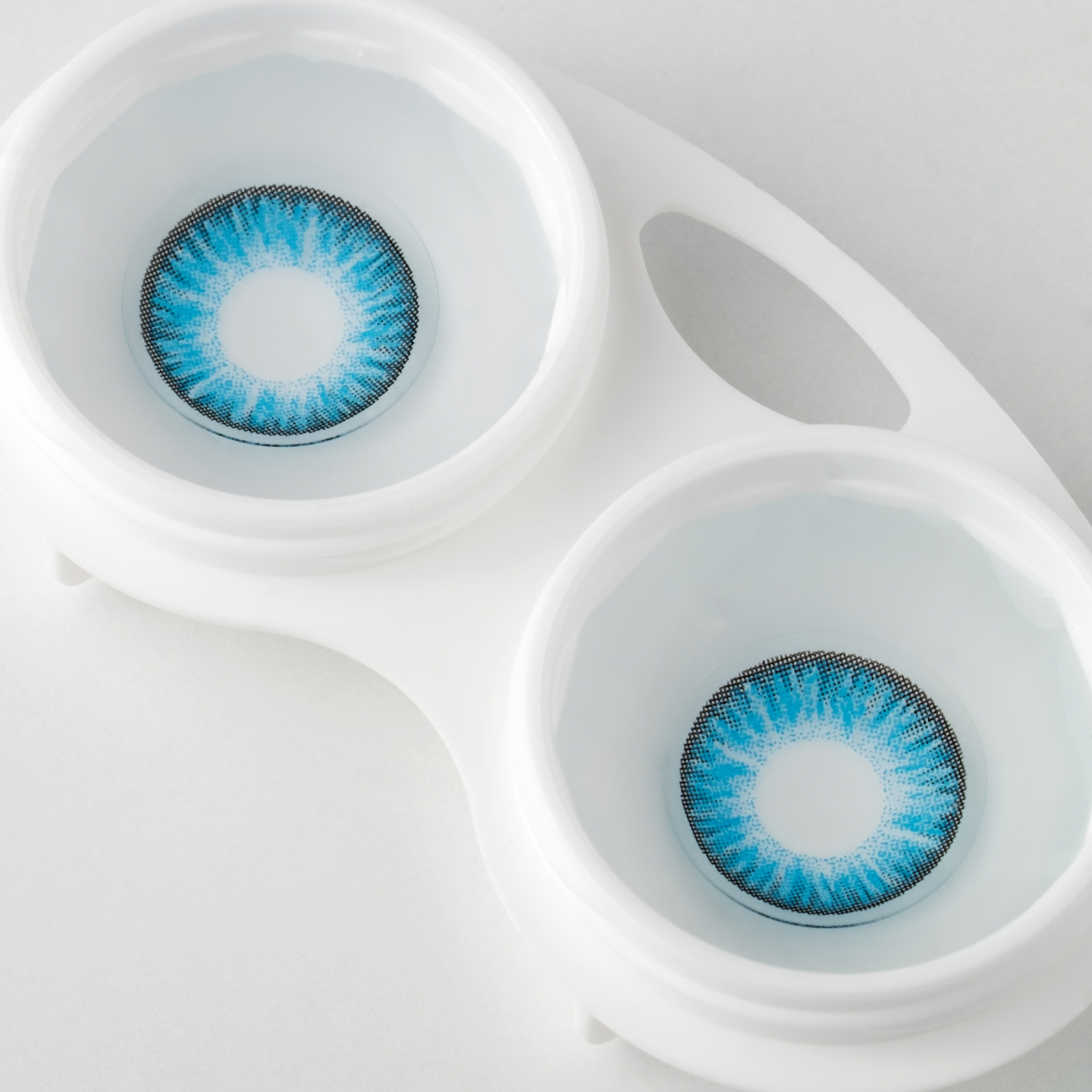
Fact: They’re medical devices and require the same care and a prescription.
Next Steps
Your eye health hinges significantly on adherence to good contact lens hygiene. From the crucial act of handwashing to the establishment of a consistent lens cleaning routine, each step plays a pivotal role in safeguarding your eyes. As you reevaluate your current practices, consider areas where you might improve. Opt for a professional check-up to ensure you’re on the right track. Explore our latest frames or book an eye exam with a licensed professional. Taking these steps not only enhances your eye health but also brings peace of mind.
Contact lens wearers can ensure healthier outcomes by embracing effective hygiene practices. By recommitting to fundamental hygiene steps, rethinking old habits, and considering professional guidance, you secure both the comfort and safety of your eyes. At Warby Parker, whether you’re ready to explore new frames or schedule an eye exam, we are here to support you on your journey towards better vision and healthier eyes. Step forward with confidence and clarity.
Legal Disclaimer
MEDICAL DISCLAIMER: This content is provided for educational and informational purposes only and is not intended as medical advice, diagnosis, or treatment. This information should not be used to replace professional medical care or consultation. Individual results may vary significantly. Always consult with a qualified healthcare provider before making any decisions about your health, vision, or medical treatment. Never disregard professional medical advice or delay seeking treatment because of information you have read on this website.
VISION CARE DISCLAIMER: Vision correction needs vary by individual. Consult an eye care professional for personalized assessment and recommendations.
FDA DISCLAIMER: These statements have not been evaluated by the Food and Drug Administration. This content is not intended to diagnose, treat, cure, or prevent any disease or medical condition.
PROFESSIONAL CONSULTATION REQUIRED: Only qualified eye care professionals can provide personalized recommendations for your specific vision needs and health conditions.
This article is for informational purposes only. It is not intended to provide medical advice or substitute for professional health services. Warby Parker complies with all HIPAA regulations regarding your health information. For personal health questions or concerns related to your vision or eyewear prescriptions, please consult a qualified healthcare provider.