Imagine a magical world where you step outside into bright sunlight and your glasses automatically take on a darker tint, rather than having to frantically swap to a different pair (if you actually have them with you). That’s the idea behind color changing lenses.
This article will walk through what color changing lenses do, common use cases, and how to choose a pair that matches your preferences, lifestyle, and budget. Whether you’re tired of juggling multiple pairs or just curious about the technology, you’ll find straightforward, practical information.
We’ll cover how color changing lenses work, general benefits and limitations, and how they compare with wearing regular glasses plus prescription sunglasses, so you can decide whether this type of lens aligns with what you’re looking for.
By the end, you’ll know how these lenses perform in real life at work, outdoors, driving, and on screens and what to ask your eye care provider before you buy.
How Color Changing Lenses Work (Without the Jargon)
Color changing lenses are designed to look clear or nearly clear indoors and then darken outdoors in response to sunlight. On a microscopic level, these lenses contain molecules that respond to ultraviolet (UV) light. When UV reaches the lens, those molecules change state, absorb more light, and make the lens appear darker.
When you go back inside and UV exposure drops, the molecules gradually return toward their original state and the lens becomes clearer again over the course of a few minutes. In general, color changing lenses darken when exposed to sufficient UV light and then lighten when that exposure decreases.
It’s worth knowing that car windshields filter much of the UV that activates many color changing lenses. As a result, these lenses may not darken as much in the car as they do outdoors. Some modern designs are now responsive to both UV and visible light, which allows for color changing lenses to activate more depending on sunlight conditions
Because the technology is integrated into the lens material, color changing options are often available across a range of prescription types, including single-vision, progressives, and some high-index lenses. Availability depends on the specific lens design and prescription.
Benefits of Color Changing Lenses: Convenience and Style
For many people, the main appeal is convenience. One pair of glasses can be used in both indoor and outdoor settings, which may reduce the need to switch between everyday glasses and prescription sunglasses or carry multiple pairs.
Color changing lenses are generally designed to filter a high level of UVA and UVB rays, depending on the specific product. This UV filtering feature is built into the lens and remains active even when the lens appears lighter.
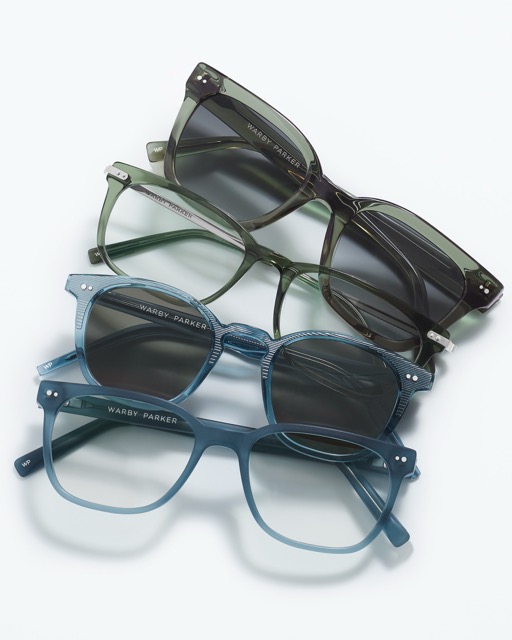
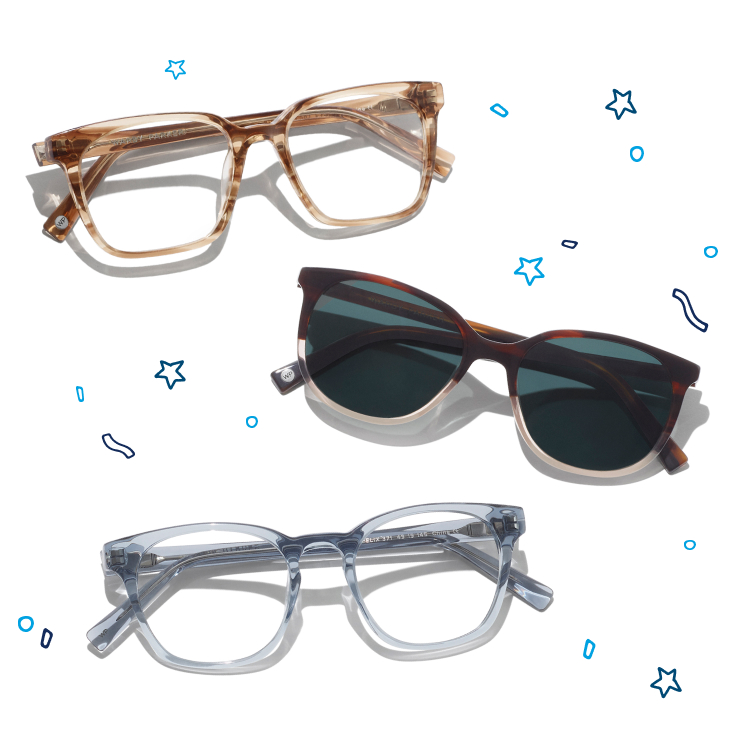
On the style side, color changing lenses now come in more than just standard gray. You’ll find options such as brown and green, and in some cases other fashion-forward tints. Frame choices are also broad, so you can pair these lenses with classic, minimalist, or bold statement styles.
Key Tradeoffs: What Color Changing Lenses Don’t Do Perfectly
Color changing lenses have tradeoffs that are important to understand before you choose them.
Timing is one consideration. Lenses generally darken within a short period of being in bright outdoor light, but the time it takes to become lighter again indoors can feel gradual, especially when moving quickly from bright sunlight into a dimmer space.
Performance in the car is another common concern. Because many windshields filter out much of the UV that triggers the color change, these lenses might not reach the same darker tint while you’re driving that they do outdoors. People who drive frequently may still choose to use a separate pair of prescription sunglasses.
- Pros: All-in-one convenience for indoor and outdoor use; UV filtering features built into the lens; potential for fewer pairs of glasses to keep track of.
- Cons: Gradual lightening time when you go indoors; may not darken as much in cars; added upfront cost compared with standard clear lenses; how they behave can vary by temperature, environment, and product design.
- May be a good fit for: People who regularly move between indoor and outdoor environments and want a single pair of glasses for both.
- May be less ideal for: People who spend long periods driving and want very dark lenses in the car, or anyone who prefers a consistently dark fashion tint.
Choosing the Right Color Changing Lenses for Your Lifestyle
Start by thinking about where you spend most of your time. If you’re in and out of buildings frequently, you might prioritize options that are designed to transition between clear and dark tints in a way that feels suitable for your routine, and choose neutral tints that you’re comfortable wearing indoors.
If you’re outdoors for long stretches walking the dog, coaching, or hiking, you might look for lenses that reach a darker shade at full activation, based on the product specifications.
Next, consider how the lens works with your prescription and frame style. Higher prescriptions may be available in lighter, thinner materials, and people with more active routines might choose lenses that can be paired with impact-resistant materials and scratch-resistant coatings. It’s also useful to confirm whether a color changing option is offered in your specific prescription type, such as progressives or bifocals.
Digital lifestyle can be another factor. Some color changing designs also include features that are designed to filter portions of blue light from screens and indoor lighting. These lenses are not a substitute for healthy screen habits, but they can be one element of an overall setup that includes regular breaks and appropriate lighting.
Finally, think about long-term value. Color changing lenses may remain effective for several years with typical use. When you compare the cost of one pair of glasses with color changing lenses to buying both everyday glasses and prescription sunglasses, you may find that one approach or the other makes more sense for your budget.
Color Changing Lenses
Color changing lenses offer a mix of style, UV filtering features, and everyday convenience, especially if you move often between indoor and outdoor spaces and prefer to rely on a single pair of glasses.
If you’re considering this type of lens, talk with your eye care provider about your daily routine, driving habits, and style preferences. They can explain which lens materials, tints, and frame options are available for your prescription and how different choices may behave in various lighting conditions.
You can also use this guide as a starting point for questions at your next eye exam, including how color changing lenses compare with standard clear lenses and prescription sunglasses for your day-to-day activities.
Legal Disclaimer
MEDICAL DISCLAIMER: This content is provided for educational and informational purposes only and is not intended as medical advice, diagnosis, or treatment. This information should not be used to replace professional medical care or consultation. Individual results may vary significantly. Always consult with a qualified healthcare provider before making any decisions about your health, vision, or medical treatment. Never disregard professional medical advice or delay seeking treatment because of information you have read on this website.
VISION CARE DISCLAIMER: Vision correction needs vary by individual. Consult an eye care professional for personalized assessment and recommendations.
FDA DISCLAIMER: These statements have not been evaluated by the Food and Drug Administration. This content is not intended to diagnose, treat, cure, or prevent any disease or medical condition.
PROFESSIONAL CONSULTATION REQUIRED: Only qualified eye care professionals can provide personalized recommendations for your specific vision needs and health conditions.
This article is for informational purposes only. It is not intended to provide medical advice or substitute for professional health services. Warby Parker complies with all HIPAA regulations regarding your health information. For personal health questions or concerns related to your vision or eyewear prescriptions, please consult a qualified healthcare provider.
Are color changing lenses worth the extra cost?
They may be, depending on how you use your glasses. If you frequently move between indoor and outdoor environments or prefer to rely on a single pair of frames, you might decide that the added convenience and UV filtering features align with the additional cost.
Do color changing lenses work in the car?
Many color changing lenses darken less behind a windshield because much of the UV light that activates them is filtered. Some newer designs are engineered to behave differently in vehicles, allowing for color changing lenses to still activate during daytime driving. That being said, some drivers still choose to use a dedicated pair of prescription sunglasses for driving for maximum and stable tint quality.
How long do color changing lenses last?
With typical use and care, color changing lenses may perform as intended for several years. Over time, you may notice that they do not darken or become clearer as quickly as they once did, which can be a sign that it’s time to replace your lenses.
Are color changing lenses suitable if I'm often in bright outdoor conditions?
Color changing lenses are designed to become darker in brighter outdoor environments and lighter indoors. If you often find yourself in bright conditions, you may appreciate having lenses that adjust their tint based on light exposure. For personalized recommendations, talk with your eye care provider.
Can I get color changing lenses in any prescription?
Color changing options are available in many common prescriptions, including single-vision and progressives. Very high or less common prescriptions may have fewer options, so it’s a good idea to check with your provider about what’s available for you.
Do color changing lenses help with screen use?
Some versions include features that are designed to filter portions of blue light from screens and indoor lighting. These lenses are not a replacement for healthy screen habits, so it’s still important to follow general guidance about taking breaks and setting up a comfortable workspace.