Kids Prescription Sunglasses: UV-Focused Options for Outdoor Wear
Children often spend hours outdoors every day, whether that means at school, on playgrounds, or at practice. And since young eyes are still developing, this makes them vulnerable to ultraviolet (UV) damage.
Kids prescription sunglasses are one option families may consider for outdoor wear. They can offer UV-filtering lenses and vision correction in one pair, so children don’t need to switch back and forth between non-prescription sunglasses and their everyday glasses.
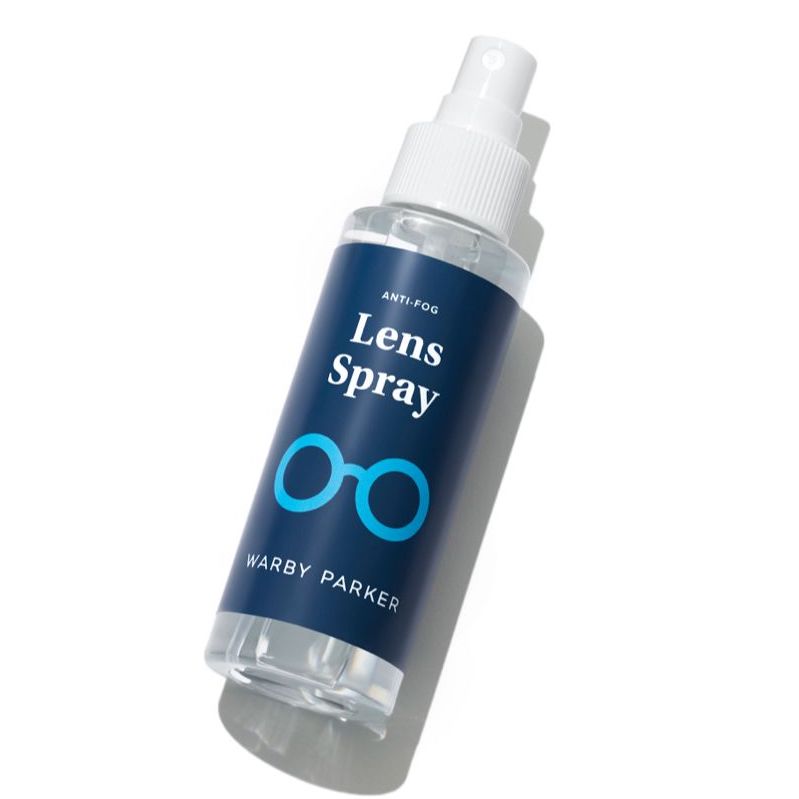
Clean your sunglasses on the go
Meet our travel-size lens cleaning kit—complete with anti-fog spray, a cleaning cloth, and a handy pouch-and-cloth combo.
Because kids’ prescription sunglasses replace or complement everyday glasses outside, some families find them helpful for keeping a child’s usual glasses protected during more active play. In this guide, you’ll learn why UV filtering matters so much for young eyes, what to look for in frames and lenses, the differences between tints, polarized and photochromic options, and how to help your child actually enjoy wearing their sunglasses.
Why Kids May Use Prescription Sunglasses, Not Just “Cute Shades”
Children receive more annual sun exposure than adults and their eye structures filter less UV light, which means more radiation reaches sensitive internal tissues. Over years, that extra exposure can add up.
Short term, spending time in bright sunlight without eye protection may leave eyes feeling uncomfortable or sensitive to light. Long term, cumulative UV exposure has been associated in the clinical literature with certain eye changes later in life. That’s why many pediatric and eye-health organizations include UV filtering as part of their general guidance on outdoor safety for children.
For kids who already wear glasses, regular (non-prescription) sunglasses may not be practical for all situations. They may take them off to see better, push them up to read, or simply prefer their regular glasses. Kids prescription sunglasses may help with this by incorporating the child’s prescription into tinted, UV-filtering lenses, so they can use one pair when they’re at the park, on the field, or at the beach.
Glare beware
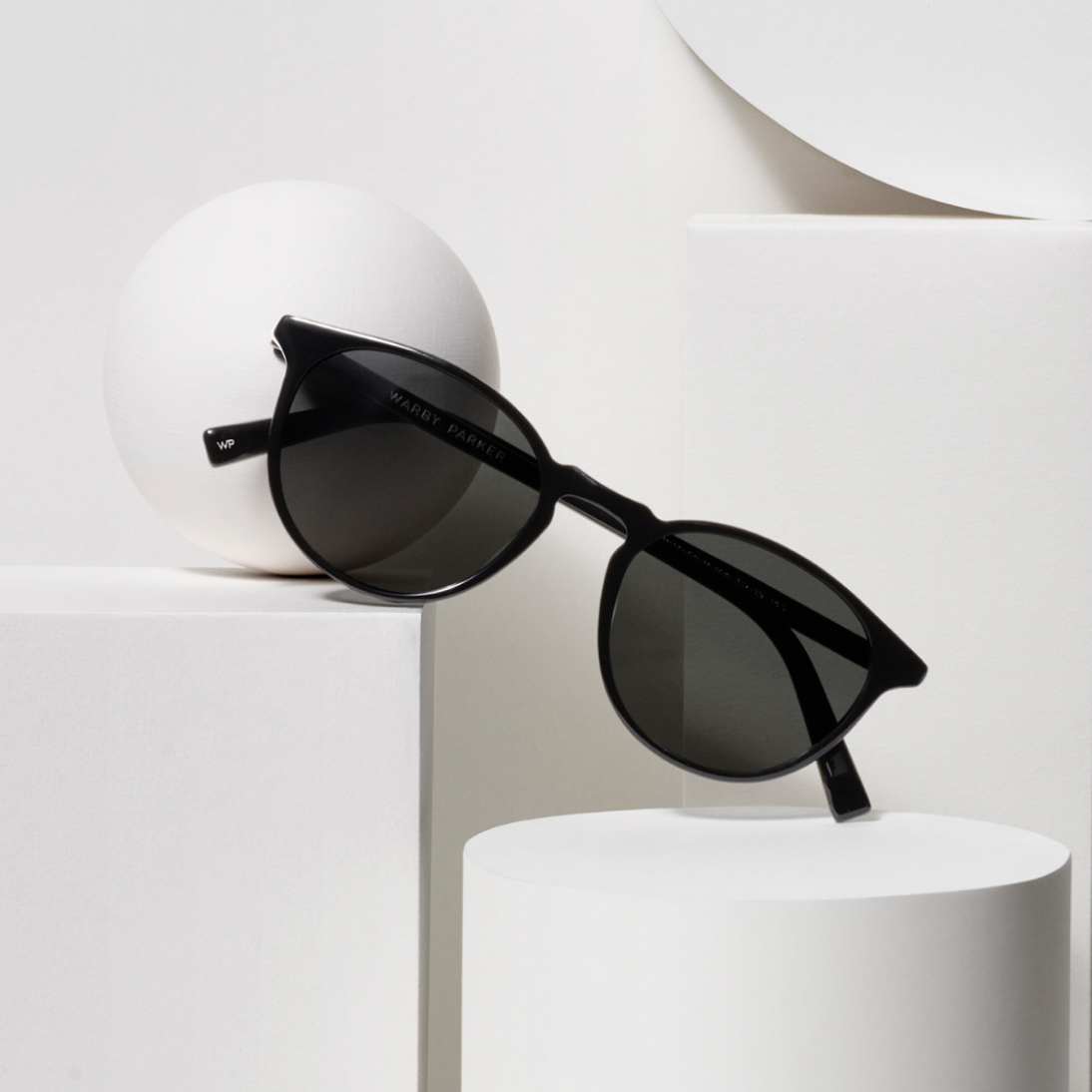
Get polarized lenses with your prescription sunglasses
Because many outdoor activities involve movement like running, cycling, and ball games, some families also like having a pair of glasses intended specifically for outdoor use. Having prescription sunglasses available does not guarantee any particular safety outcome, but some parents appreciate having a dedicated option for bright conditions.
What to Look For in Kids Prescription Sunglasses
Children’s sunglasses can vary in the type and level of protection they’re designed to provide. A key feature to look for is information about UV-filtering performance.
Parents should check labels or product descriptions for “100% UVA/UVB” or “UV400” filtering. This rating indicates that lenses are designed to filter both main types of UV radiation across commonly referenced high-energy wavelengths. Dark tint alone does not indicate UV filtering; without UV-filtering properties, dark lenses may allow more UV to reach the eye.
- Frames: Many families look for durable, flexible materials that can handle drops and bending. Wraparound or larger lenses can offer broader coverage around the eyes.
- Lens material: Polycarbonate or similar impact-resistant materials are commonly used for children’s eyewear.
- Fit: Lightweight frames with soft nose pads or bridges and temples that curve gently around the ears may be more comfortable for extended wear.
- Certification: Information about testing to relevant safety or performance standards can give added reassurance around impact resistance and optical quality.
Comfort is important. UV-related features may not be helpful if your child doesn’t wear the sunglasses consistently. Involving them in choosing frame colors and shapes, and checking that there are no pressure points on the nose or behind the ears, can make it more likely that they’ll reach for their sunglasses when they head outside.
Want to try sunglasses? It's free.
Virtually try on sunglases—anytime, anywhere
Lens Options: Tints, Polarized, and Photochromic for Kids
Once you’ve reviewed basic safety and materials information, lens options are another consideration.
- Tints: Neutral grey tints are often chosen for preserving general color perception, which some families like for sports and playground use. Brown or amber tints can change contrast and the way colors appear, which some people find more comfortable in certain lighting conditions.
- Polarized lenses: Polarized lenses are designed to reduce reflected glare from horizontal surfaces like water, sand, or roads. This may be especially helpful for children who spend time near water or who are sensitive to bright reflections. Polarization does not replace UV filtering; it addresses glare only.
- Photochromic lenses: For families who prefer one pair instead of swapping between regular glasses and sunglasses, photochromic lenses may be worth considering. These lenses are designed to stay clearer indoors and darken outdoors in response to UV exposure. Photochromic lenses are also referred to as Transitions lenses.
No single tint or lens type is right for every child. Many parents choose based on their child’s typical activities, sensitivity to light, and guidance from their eye doctor or eye-care professional.
Need a new pair?
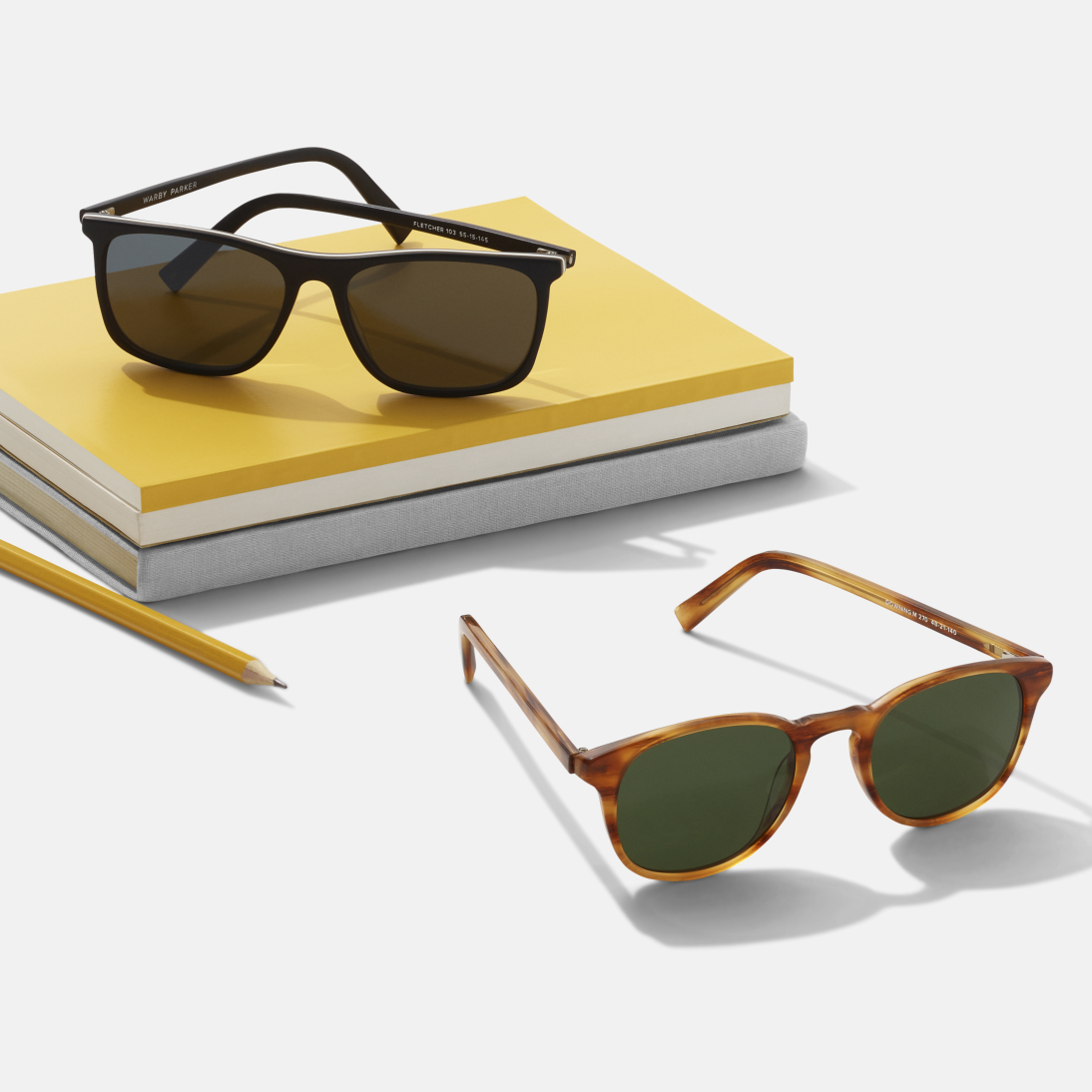
Shop our latest sun shapes and colors
Key Takeaways and Next Steps for Choosing Kids Prescription Sunglasses
Kids prescription sunglasses combine vision-enhancing lenses with sun-oriented features in one pair. Because young children may spend a lot of time outdoors, some families consider UV-filtering sunglasses an important part of their overall sun-safety routine.
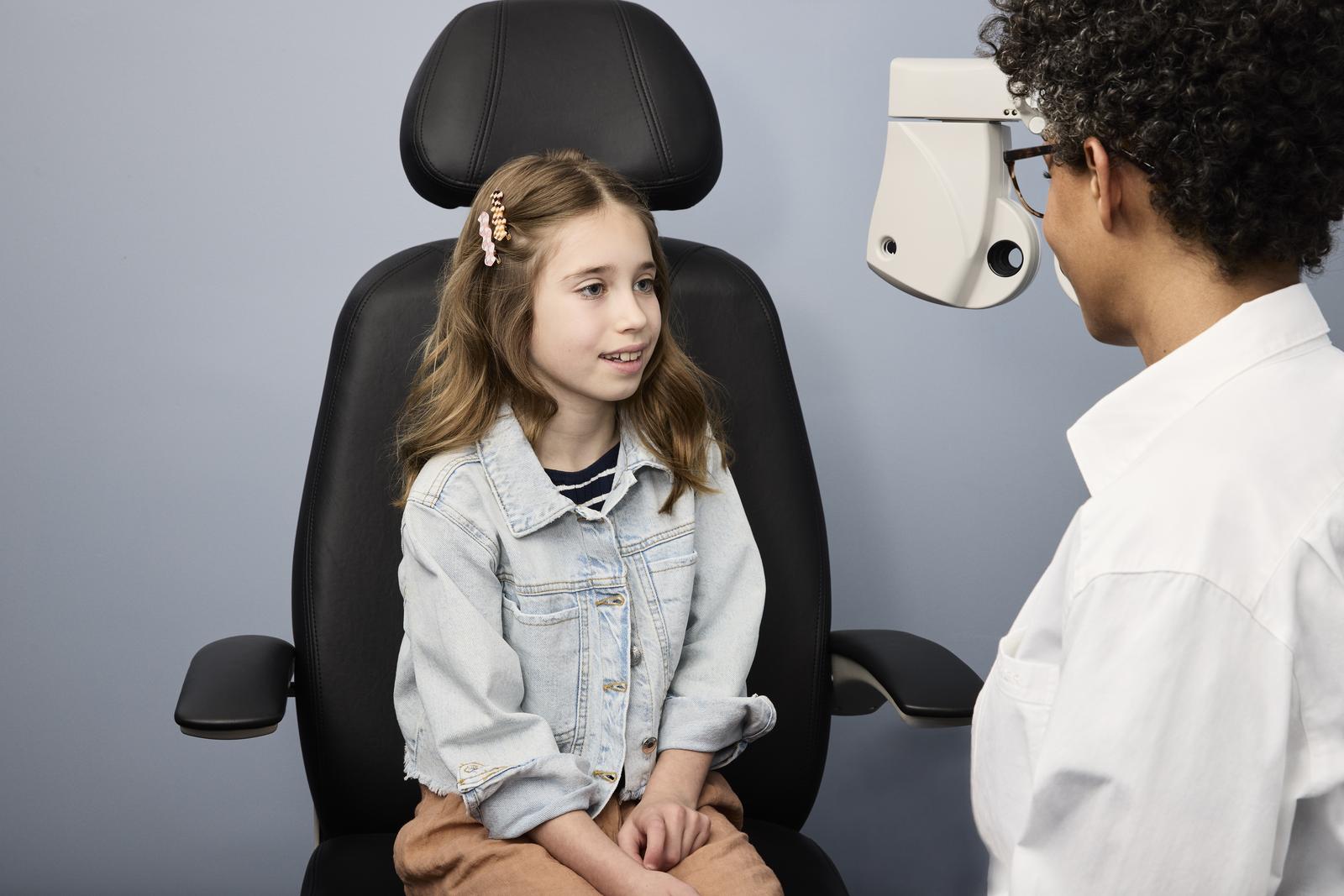
As a next step, you may want to think about your child’s daily routine – school commute, outdoor play, and sports – and discuss UV filtering, lens options, and fit with your eye doctor or eye-care professional when you update their prescription. You can ask specifically about kids’ prescription sunglasses so you can compare frame styles, lens materials, and whether a dedicated sun pair or photochromic lenses might align with your child’s needs and preferences.
If your family has already tried kids sunglasses or prescription sun wear, it may be helpful to reflect on what worked and what didn’t, such as frame shape, tint, or how easy they were to keep track of, before your child’s next eye exam.
Want to protect your eyes from glare?
Try polarized sunglasses
Legal Disclaimer
MEDICAL DISCLAIMER: This content is provided for educational and informational purposes only and is not intended as medical advice, diagnosis, or treatment. This information should not be used to replace professional medical care or consultation. Individual results may vary significantly. Always consult with a qualified healthcare provider before making any decisions about your health, vision, or medical treatment. Never disregard professional medical advice or delay seeking treatment because of information you have read on this website.
VISION CARE DISCLAIMER: Vision correction needs vary by individual. Consult an eye care professional for personalized assessment and recommendations.
FDA DISCLAIMER: These statements have not been evaluated by the Food and Drug Administration. This content is not intended to diagnose, treat, cure, or prevent any disease or medical condition.
PROFESSIONAL CONSULTATION REQUIRED: Only qualified eye care professionals can provide personalized recommendations for your specific vision needs and health conditions.
This article is for informational purposes only. It is not intended to provide medical advice or substitute for professional health services. Warby Parker complies with all HIPAA regulations regarding your health information. For personal health questions or concerns related to your vision or eyewear prescriptions, please consult a qualified healthcare provider.
Need sunglasses?
Starting at $95, with free shipping.