Vintage ’70s Sunglasses Styles and How To Wear Them
Sunglasses in the ’70s, much like sunglasses of any era, were worn for both function and fashion. And ’70s sunglasses styles tended to make a statement—sometimes a bold one. But how do you know which styles are considered “’70s sunglasses”? And which can you wear today?
We’ll introduce (or reintroduce) you to what sunglasses were popular in the ’70s and how to wear them to make a statement of your own.
Looking to try '70s sunglasses?
Virtually find your perfect sunglasses anywhere, anytime
1970s Sunglasses Styles To Wear Today
The ’70s were half a century ago, but its influence on fashion lingers on. Check out these ’70s-style sunglasses that are ready for you to incorporate into your personal look.
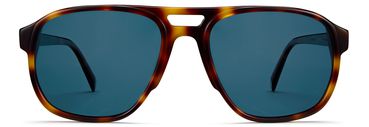
Aviator Sunglasses
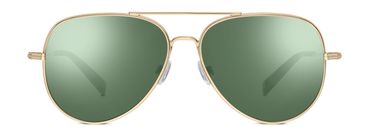
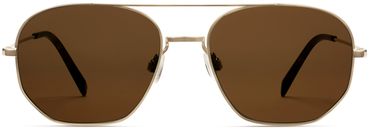
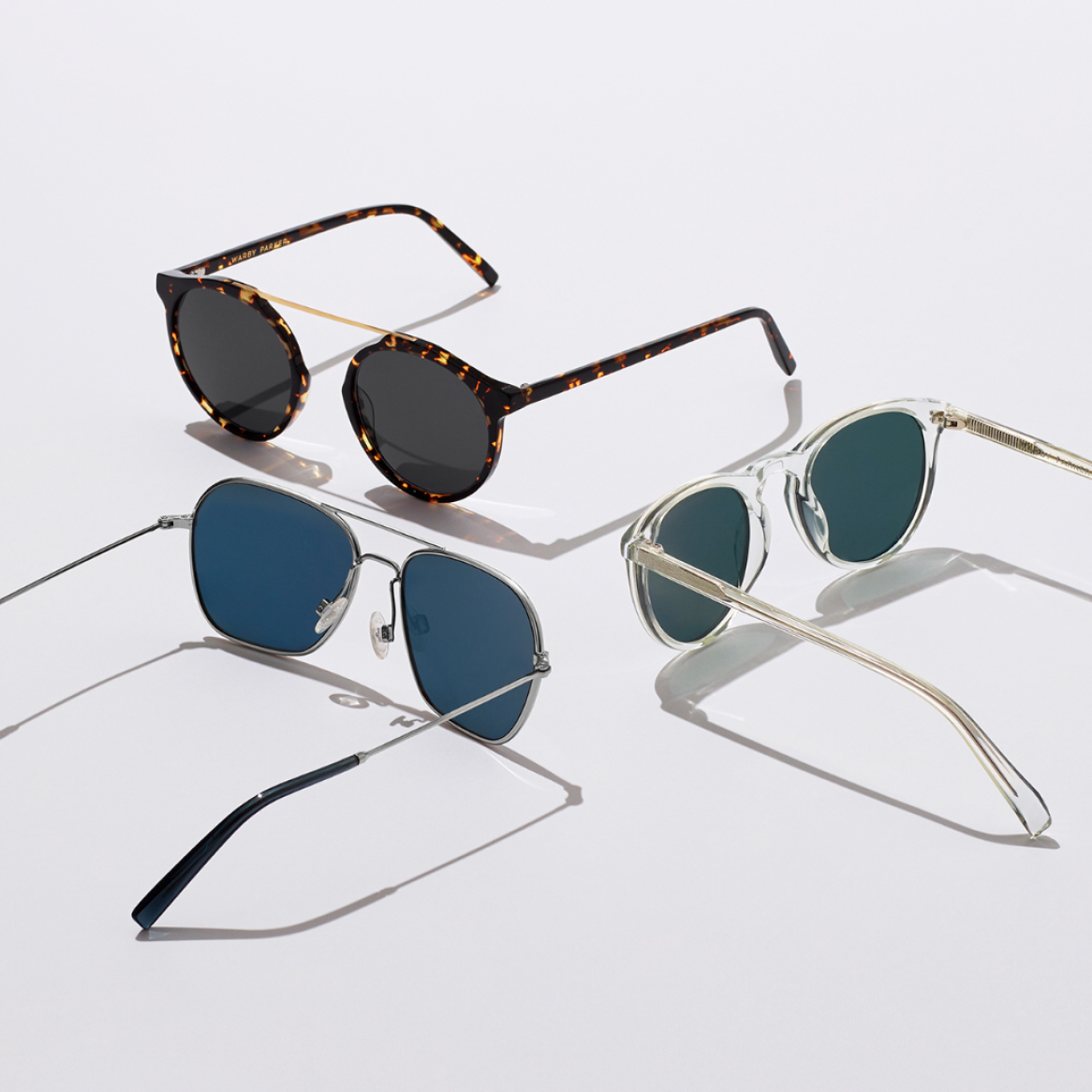
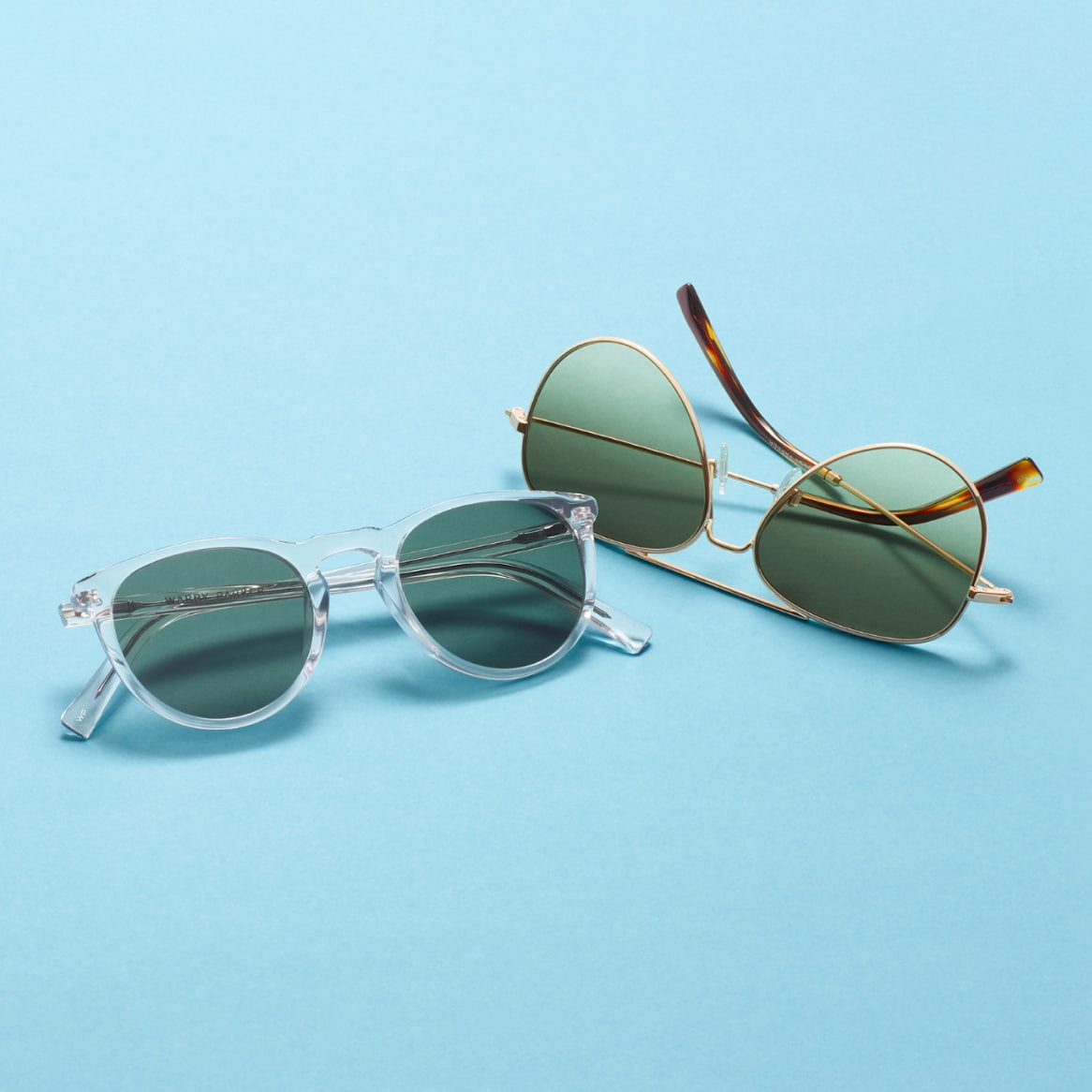
Since their invention in the 1930s, the aviator eyewear shape has transcended time and place. Even so, some versions of aviator sunglasses give off a distinctly ’70s vibe.
For one, ’70s-style aviator sunglasses tended toward a slightly bigger lens. And molded variations of “ski” aviators, with or without mirrored lenses, were seen not just all over the slopes but on flat land and water, too.
Today, you can still wear ’70s-style aviator sunglasses to bring classic style to your favorite outfits.
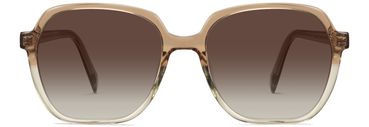
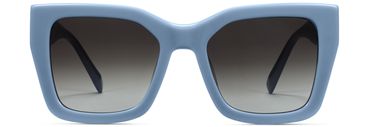
Oversized Sunglasses
Eyewear of the 1960s had a way of gliding into the 1970s, where it enjoyed the same, if not more, popularity—especially at the beginning of the decade. Case in point: “Mod” oversized sunglasses held their appeal through much of the ’70s.
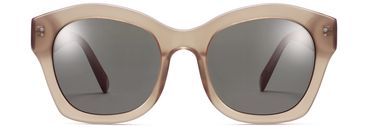
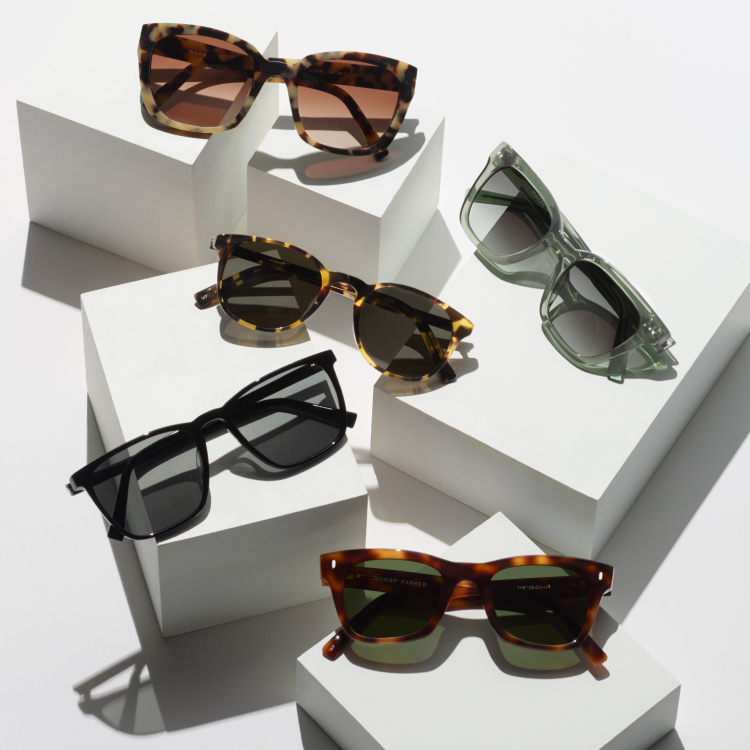
Big ’70s sunglasses, worn by stars on and off the screen, usually came with round or square frames, often in thick black with dark lenses. Today, numerous frame colors and variations on the standard oversized round sunglasses and oversized square sunglasses are available.
One note of caution: While oversized glasses are eternally chic, they can easily overpower. We suggest being careful not to go too big if you have a small face. But, like with any sunglasses, if you love the look, brave those ’70s oversized sunglasses and be proud.
Double-Bridge Sunglasses
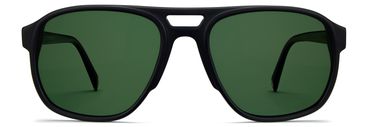
Watch a movie made and set in the ’70s and, along with the requisite long brown cars, you’ll probably spy a few pairs of double-bridge sunglasses.
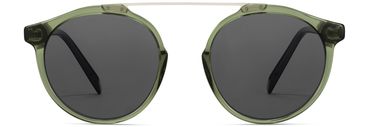
A double bridge is just what you’d think: an extra nose bridge running from lens to lens just above the usual nose bridge. In the ’70s, a double bridge could be a feature of sunglasses with a more squared-off or rounded shape, whether in black, tortoise, or another frame color. And although double-bridge sunglasses were often worn a few centimeters above a ’70s mustache, anyone could (and still can) sport this style.
Today, a double bridge can be mimicked with a brow bar—a thin bar spanning the top of the lenses. A brow bar is regularly found on aviator sunglasses but can be seen on other sunglasses frame shapes, too.
Butterfly and Cat-Eye Sunglasses
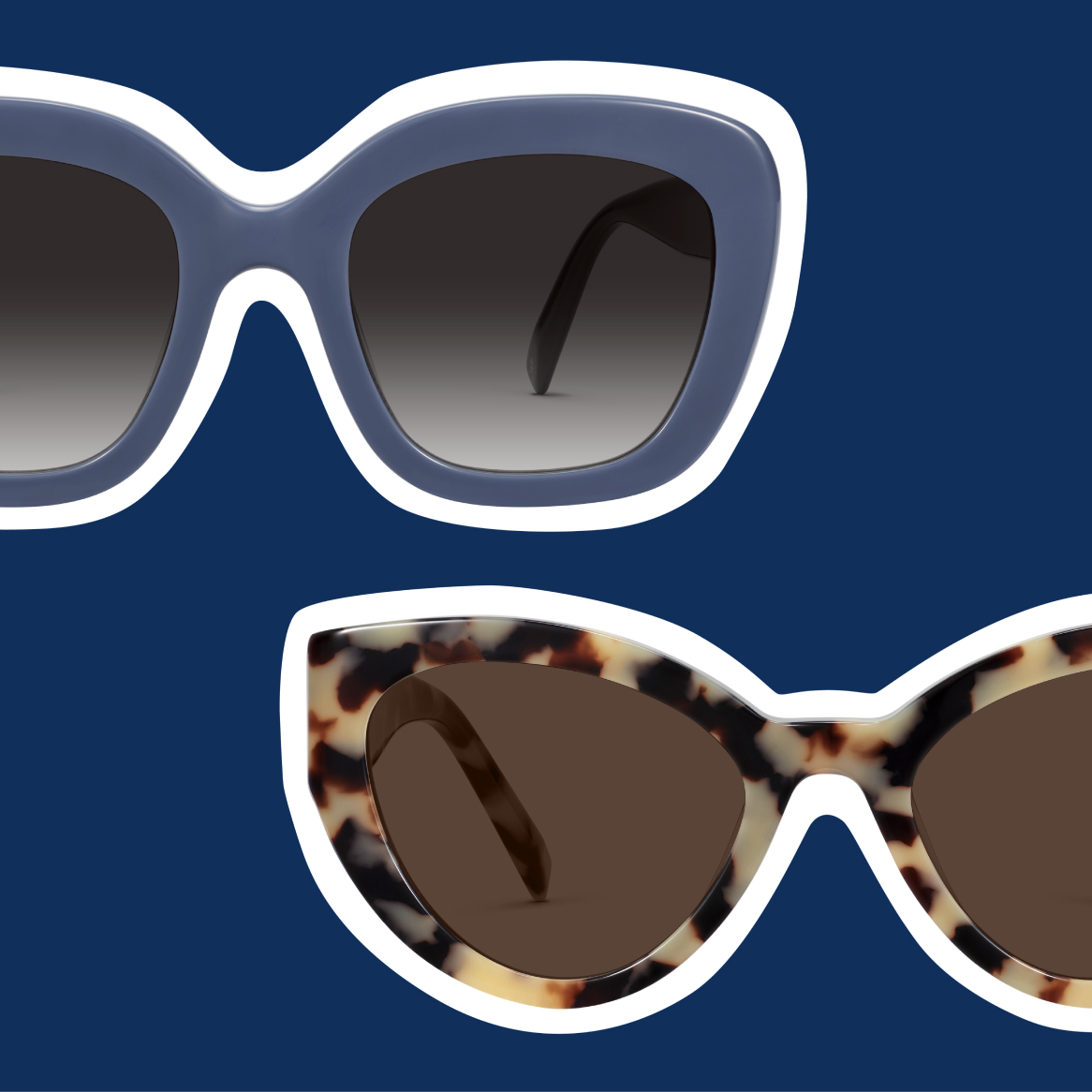
Imagine the shape of a butterfly, and that’s pretty much what butterfly sunglasses look like. Like a butterfly’s wings, these sunglasses have frames that pinch in at the bridge and flare out at either edge.
Butterfly sunglasses of the 1970s could also be a variation of cat-eye sunglasses, which took their cues from classic sunglasses of the ’50s. Cat-eye frames feature an upsweep at the temples that can be pointy or rounded. Today, butterfly and cat-eye sunglasses are much loved and come in a variety of frame materials, from metal to colorful acetate.
Round Sunglasses
Round sunglasses always seem to be in style—and for good reason. They tend to be flattering on many a face. Bonus: This effortlessly cool shape is offered in a wide range of sizes and frame colors.
Round sunglasses of the ’70s could be somewhat larger than in the ’80s. And yet, smaller round frames (particularly with metal constructions) also had considerable staying power during the 1970s as a holdover from the counterculture boom of the ’60s.
The best rule of thumb with round sunglasses is to pay attention to which size is best for your face. To make this determination, it’s a good idea to try on a variety of round sunglasses frames and see which ones resonate with you.
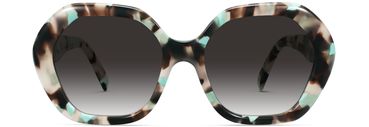
Geometric Sunglasses
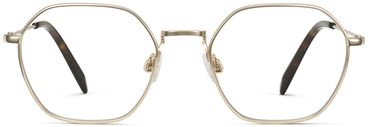
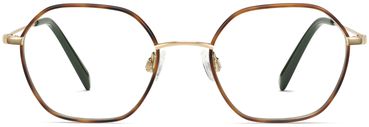
One funky type of 1970s sunglasses that’s having a resurgence is geometric sunglasses. It’s easy to imagine someone wearing geometric sunglasses (e.g., a hexagonal pair) in the disco era—with its wild prints and exaggerated clothing silhouettes.
In any case, geometric sunglasses are not for the faint of heart, as they tend to grab attention. But if that’s your goal, they might be just what you’re looking for.
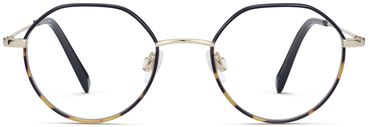
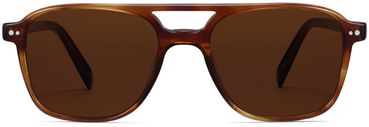
Layton
Goldfinch Tortoise Fade with Polished Gold
Shop Layton
’70s Sunglasses With Gradient Tinted Lenses
Another defining characteristic of ’70s sunglasses is the lens tint. The lenses of sunglasses in the ’70s were often tinted one color, like black. But gradient lens tints, especially in earthy hues, were popular in the 1970s, too. With ’70s gradient lenses, the color was usually more intense at the top of the lens and graduated to a lighter tint or even no tint at the bottom.
You can go full vintage with ’70s-style sunglasses fitted with brown or amber gradient lenses. Or, to make this aesthetic more contemporary, try a gradient tint in a color like blue or violet. You can even consider fitting a more modern frame shape with ’70s gradient lenses.
New Frames Inspired by Classic Styles
While legitimate vintage sunglasses can offer interesting style choices, new glasses grant you the benefits of modern eyewear features, like scratch-resistant polarized lenses with UV protection, while still getting the design you dig. And while you’re at it, make sure you’re keeping up with your annual comprehensive eye exams. At your appointment, your eye doctor will give you the most up-to-date prescription and check for underlying eye conditions, too.
Need sunglasses?
Starting at $95, with free shipping.