Women’s Prescription Sunglasses for Every Day
Your sunglasses should work as hard as you do, right? Of course they should, and that means picking the right pair of sunglasses from the start so they fit your busy lifestyle.
This guide is designed to help you choose women’s prescription sunglasses that feel like a natural extension of your everyday style while offering built‑in sun‑filtering features.
We will walk through some common considerations in women’s prescription sunglasses: UV labeling, lens options, frame shapes, and lifestyle features, so you can choose options that align with how and where you typically wear them.
Protect those peepers!
Our sunglasses come with a scratch-resistant coating and block 100% of UV rays
By the end, you will have a clearer sense of how to pick frames you feel good in, lenses that fit your routine, and details you may appreciate in everyday use – from quick coffee runs to long beach days.
Why UV Information in Women’s Prescription Sunglasses Matters
Good sunglasses are not only a style decision; they are also a practical everyday accessory when you spend time outdoors. The sun’s ultraviolet rays can reach your eyes on bright days, cloudy mornings, and even through reflected light from water, sand, and pavement.
That is why UV labeling is a common recommendation when choosing women’s prescription sunglasses, regardless of how short the outing may be. According to the CDC, making sun protection an everyday habit can help lower skin cancer risk. Public‑health resources often recommend making sun protection an everyday habit, which can include options like sunscreen, hats, and UV‑rated eyewear.
Think of it this way: if you would not skip sunscreen on a sunny beach day, it makes equal sense not to skip UV-filtering sunglasses on your drive, your dog walk, or that quick coffee run.
Need (or want) new glasses or sunglasses?
Virtually try on frames from home—or visit a nearby store
Finding the Right Frames: Style, Fit, and Feel
A great pair of women’s prescription sunglasses is often the one you actually wear. That starts with frames that feel good, stay put, and reflect your personal style. Many people look for a secure yet gentle fit at the nose and behind the ears, with enough coverage so light is not streaming in from the top or sides.
Face‑shape guidelines can be helpful but not rigid. Softer, rounded frames can balance sharper features, while angular or cat‑eye styles can add structure to rounder faces. Oversized frames offer more physical coverage and a fashion‑forward look, which some people like for beach days or outdoor events.
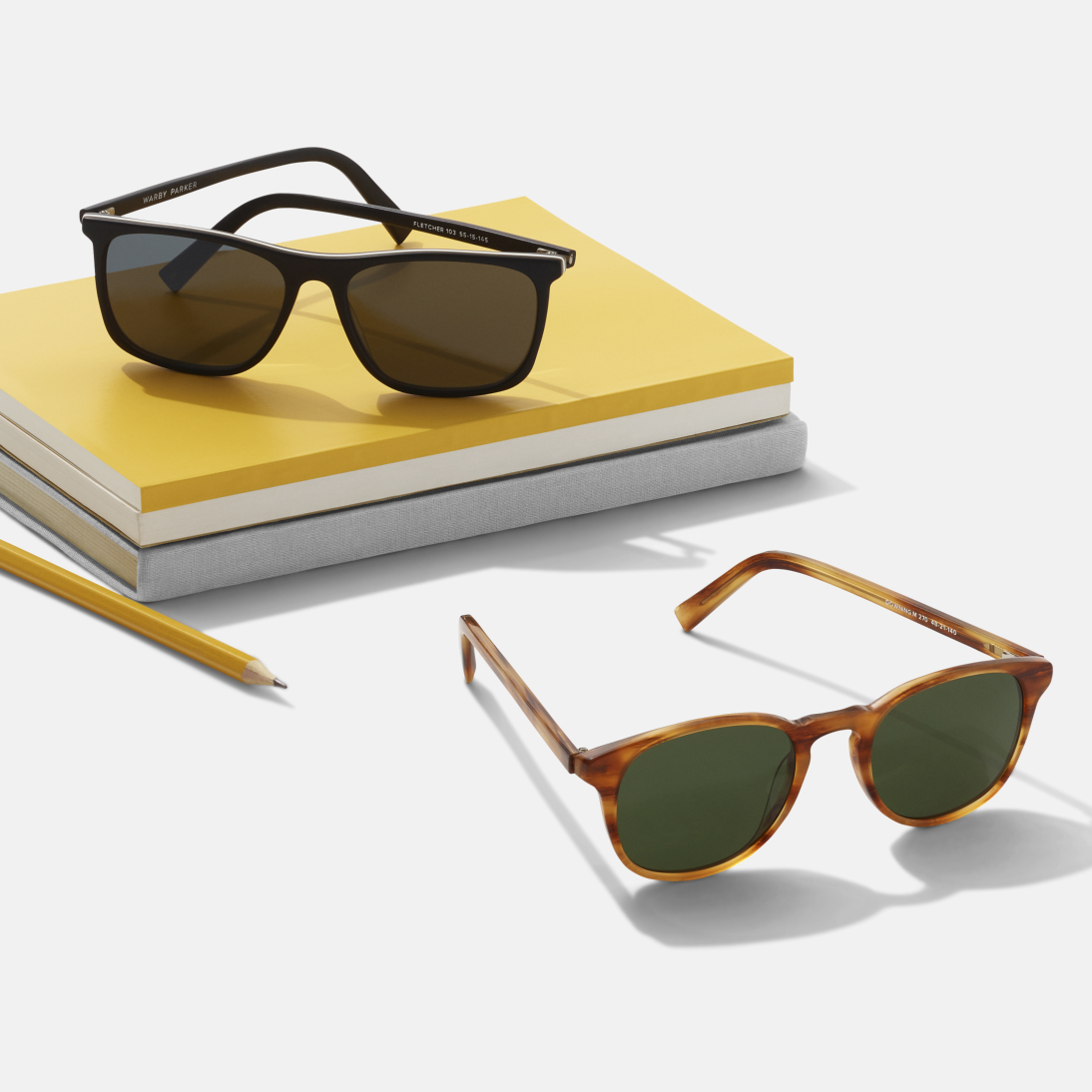
- Everyday styles: Slim rectangles, soft cat‑eyes, and subtle rounds often pair well with workwear and weekend basics.
- Active styles: Slight wrap or sport‑inspired silhouettes can feel more secure for walks, hikes, and playground time.
- Occasion styles: Bolder shapes, thicker acetates, or metal accents can complement vacation and event outfits.
For all‑day wear, many people prioritize lightweight materials and smooth, well‑finished touchpoints. If you have a low bridge, wide face, or high cheekbones, you may want to consider fit options (like alternative fit bridges) that can help reduce slipping and pinching. Sunglasses that fit securely may feel more comfortable and can reduce the amount of light entering around the edges.
Looking to try on sunglasses?
Vitually try on frames in the comfort of your own home
Lens Choices for Coffee Runs, Commutes, and Beach Days
Lens decisions are where function meets your daily routine. Once you have confirmed the UV information that works for you, you can think about how and where you wear your women’s prescription sunglasses most.
Polarized lenses are designed to reduce glare bouncing off roads, water, or sand, which some people find useful when driving or spending long stretches by the pool. They are intended to address glare without changing the level of UV filtering, and many people find this can make bright conditions feel more comfortable.
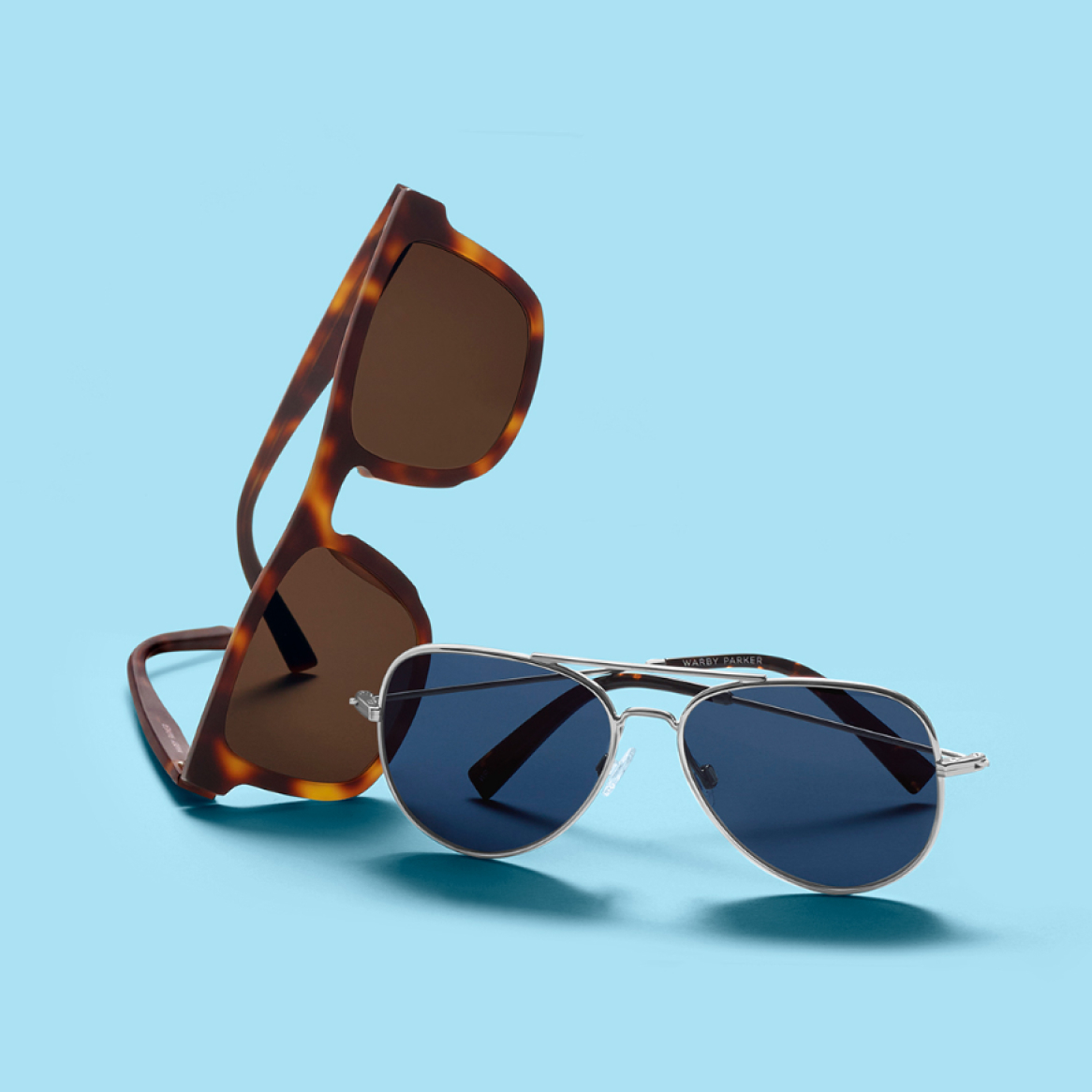
Tint color and darkness are also common considerations. Gray tints keep colors looking closer to how they appear without sunglasses and are a popular choice for driving. Brown or bronze tints are often chosen by people who prefer lenses that feel a bit more contrast‑oriented in variable light, such as city streets with pockets of shade and sun. For beach vacations or high‑glare settings, a slightly darker tint may feel better to some wearers, while mid‑tints are often used for mixed indoor‑outdoor errands.
Bright out?
Sunny days have met their match
Key Takeaways and Next Steps for Women’s Prescription Sunglasses
Women’s prescription sunglasses can combine sun‑filtering features, clear vision correction, and personal style, supporting everything from short drives to longer days spent outside. Prioritizing UV400 or 99-100% UVA/UVB labeling, a comfortable and secure frame fit, and lens options that match how you spend your time can make sunglasses feel like a regular part of getting ready for time outdoors.
As a next step, you can review your current pair: check for UV labeling, think about how the fit feels, and note when you’d prefer different tint or coverage (commutes, outdoor activities, vacations). You can use that list to choose your next women’s prescription sunglasses-whether that means selecting polarized lenses, trying a frame shape with more coverage, or adding a second pair dedicated to travel.
If you have questions about UV ratings, lens options, or frame styles that may suit your face and lifestyle, consider speaking with an eye‑care professional or a style consultant. You can also share what you like about your go‑to pair or which features you now consider important, which may help others feel more confident in their own choices.
Looking to try '70s sunglasses?
Virtually find your perfect sunglasses anywhere, anytime
Legal Disclaimer
MEDICAL DISCLAIMER: This content is provided for educational and informational purposes only and is not intended as medical advice, diagnosis, or treatment. This information should not be used to replace professional medical care or consultation. Individual results may vary significantly. Always consult with a qualified healthcare provider before making any decisions about your health, vision, or medical treatment. Never disregard professional medical advice or delay seeking treatment because of information you have read on this website.
VISION CARE DISCLAIMER: Vision correction needs vary by individual. Consult an eye care professional for personalized assessment and recommendations.
FDA DISCLAIMER: These statements have not been evaluated by the Food and Drug Administration. This content is not intended to diagnose, treat, cure, or prevent any disease or medical condition.
PROFESSIONAL CONSULTATION REQUIRED: Only qualified eye care professionals can provide personalized recommendations for your specific vision needs and health conditions.
This article is for informational purposes only. It is not intended to provide medical advice or substitute for professional health services. Warby Parker complies with all HIPAA regulations regarding your health information. For personal health questions or concerns related to your vision or eyewear prescriptions, please consult a qualified healthcare provider.
Do I really need women's prescription sunglasses if I already wear regular glasses?
Many people choose prescription sunglasses in addition to their everyday glasses, especially if they spend a lot of time outside or driving. Prescription sunglasses combine vision enhancement with tinted lenses designed for bright conditions, which some wearers find more comfortable than using clear lenses outdoors.
What should I look for in UV information?
Many shoppers look for lenses labeled UV400 or 99-100% UVA and UVB protection. This labeling generally refers to lenses that are designed to filter most UVA and UVB rays, regardless of lens color or darkness.
Are polarized women's prescription sunglasses worth considering?
If you often drive or spend time near water, sand, or snow, you may want to consider polarized lenses. Polarization is designed to reduce glare from reflective surfaces, which many people find more comfortable in bright conditions. It does not replace UV labeling but can be used alongside it.
How can I choose a frame shape I like for women's prescription sunglasses?
There is no single right shape. As a starting point, some people like to contrast their face shape – round faces may pair well with angular or cat‑eye styles, while angular faces can be softened with round or oval frames. Ultimately, the goal is to find frames you feel good wearing.
Can I use women's prescription sunglasses for driving?
Many people use prescription sunglasses for daytime driving, as long as their prescription is current and the lenses are not overly dark for their driving conditions. Neutral gray or brown tints with appropriate UV labeling are common choices for driving.
Need Glasses?
Shop prescription glasses starting at $95