
The fact is that eye pain can stem from a wide range of things, from getting a little dust in the eye all the way to vision-threatening medical conditions. Don’t panic—most of the time, eye pain isn’t serious. But it is always best to check in with your eye doctor when you’re experiencing pain to ensure it’s not a symptom of an underlying issue.
This guide will walk through some of the many possible explanations for eye pain, as well as discuss some remedies for soothing soreness.
Disclaimer: This guide does not constitute professional medical advice; it represents the opinion of its authors and is for educational or informational purposes only. The information in this guide should not be used as a substitution for advice provided by an optometrist or ophthalmologist. Readers in urgent need of assistance should contact their eye doctor or visit the emergency room.
Common Eye Pain Causes
Eye Strain
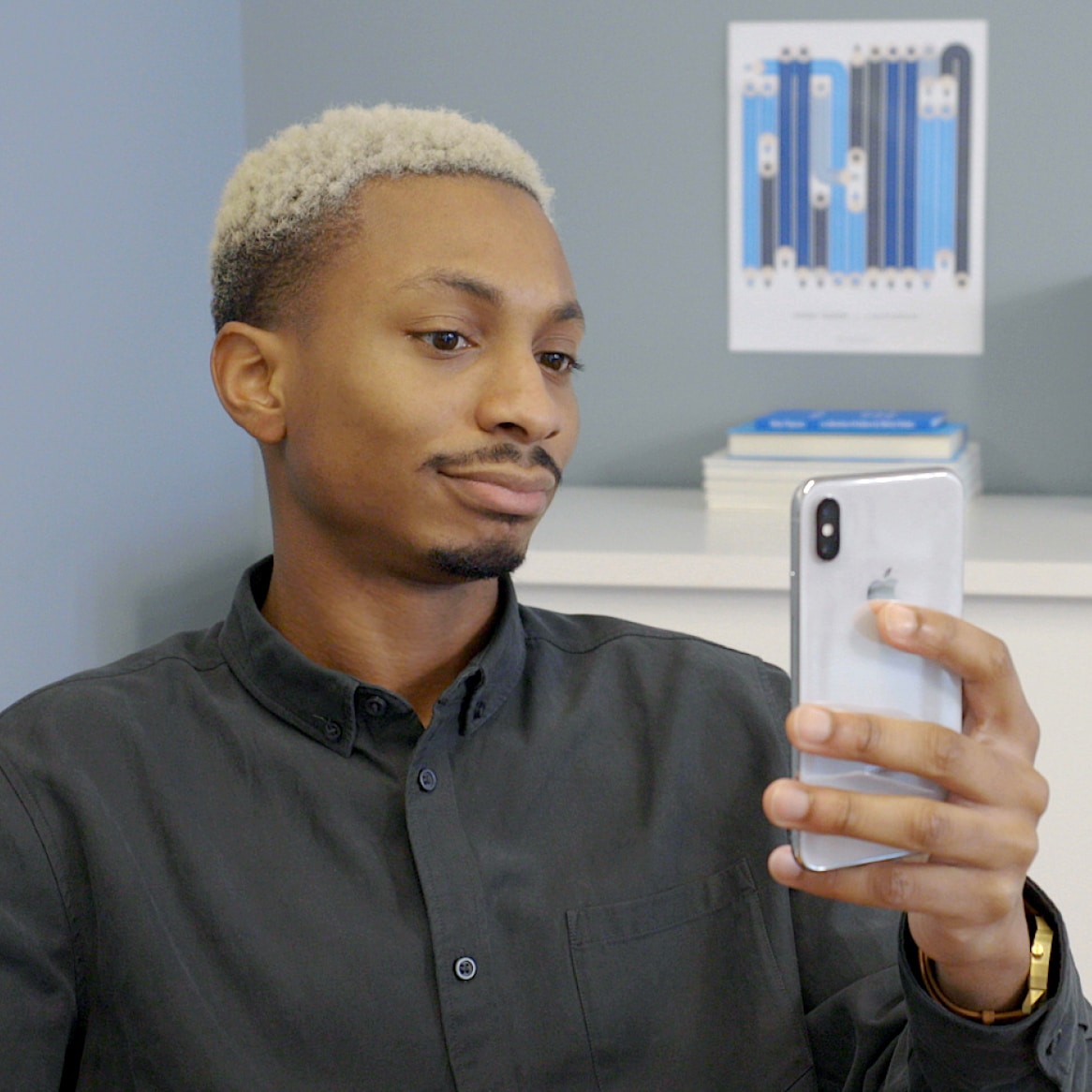
Reading, embroidery, driving, drawing—anything that keeps your eyes focused for extended periods can overwork your eyes, causing eye strain. Prolonged exposure to screens (i.e., TVs, phones, computers, or tablets) can also lead to a particular type called digital eye strain (also known as computer vision syndrome).
Pain from eye strain can feel like dull aching behind the eyes, or it might cause symptoms similar to dry eyes, including light sensitivity, stinging, itching, or burning.
At home, you can try resting your eyes for a while and using a cool compress to relieve soreness. Be sure to follow the 20-20-20 rule at the computer—looking away from the screen every 20 minutes to focus on an object roughly 20 feet away for 20 seconds.
If you’re regularly experiencing eye strain, you should talk to your eye doctor about reading glasses, anti-fatigue glasses, or other solutions that could help prevent daily eye strain.
Dry Eyes
Dry eyes often cause surface eye pain. In addition to feeling dry and scratchy, your eyes might feel sensitive to light, or they may feel like they’re stinging, itching, or burning.
And, while it might not make sense, dry eyes may leave your eyes feeling teary or watery. Dry eyes occur when your eyes’ natural tear production isn’t working as well as it should. Teariness caused by dry eyes isn’t the right kind of tears to provide your eyes the relief they need.
Lubricating eye drops can be helpful for treating dry eyes. For more information, check out our guide: Eye Drops for Dry Eyes: Which Type Is Best for You? If you’re regularly experiencing dry eyes with minimal relief from over-the-counter remedies, please see your eye care professional so that they can make tailored recommendations for you.
Foreign Debris and Scratches
Another common culprit for eye pain is foreign debris that gets in your eye, whether it’s dust, dirt, makeup, an eyelash, or even a pesky little bug! For minor situations, there are steps you can take to get something out of your eye at home, but when in any doubt or experiencing an emergency, you should have someone take you to an emergency room for professional care.
Particles that aren’t easily dislodged from the eye can scratch the cornea (the surface of the eye). Also called “corneal abrasions,” these scratches are best left to your eye doctor for a professional assessment. Deeper scratches can become infected or lead to more serious issues when not properly treated.
Sinus Infections, Cluster Headaches, and Migraines
While they aren’t technically eye conditions, headaches and migraines can sometimes originate behind the eyes, making them hurt. Cluster headaches can especially be intensely painful.
Additionally, the sinuses are located around the eyes, so sinus congestion and infections can put pressure on the eyes, causing throbbing or aching pain.
You should see a general physician for these conditions. Addressing these underlying conditions will help ease related eye pain.
Needing a New or Updated Eye Prescription
Sometimes what makes your eyes hurt is an outdated (or absent) eye prescription. One possible symptom of needing vision correction or a prescription change is eye fatigue, as your eyes are working overtime to compensate.
Read More: How to Know if You Need Glasses