Experts Share Tips for Wearing Contacts with Allergies
Allergy season has a special talent for turning perfectly good contact lens wearers into squinty, itchy, slightly grumpy people. When pollen is floating through the air like it owns the place, even lenses that usually feel great can suddenly feel not so great.
The good news? Comfort is absolutely still on the table. You don’t have to give up your contacts or resign yourself to red, irritated eyes for months on end. A few smart adjustments can make a surprisingly big difference.
With the right lens choice, solid cleaning habits, and a little guidance from an eye care professional who knows what allergy season does to eyes, many contact lens wearers get through it just fine, with clear vision, calm eyes, and minimal eye-rubbing included.
Understanding the Impact of Allergies on Contact Lens Wear
For millions of individuals who wear contact lenses, seasonal allergies introduce a host of complications. Allergens such as pollen and dust are notorious for causing eye irritation. For those with allergies, these minute particles can cling to contact lenses, which can contribute to discomfort.
Key symptoms associated with this discomfort include:
- Itching
- Redness
- A gritty sensation in the eyes
These symptoms arise due to the eyes’ natural inflammatory responses to allergens. Understanding these reactions is vital, as it forms the basis for selecting the most suitable lenses and maintenance routines.
Consult with an Eye Care Professional
The significance of consulting with an eye care professional when managing allergies alongside lens wear cannot be overstated. Optometrists and ophthalmologists offer:
- Diagnosis of specific allergies
- Recommendations for compatible lenses
- Advice on a custom care routine
Scheduling regular eye exams is essential to maintain continuous assessment and adaptation to any changes in the eyes or environment. This professional advice is invaluable in selecting the right lenses and supporting more comfortable lens wear.
Daily Disposable Lenses: A Potential Solution
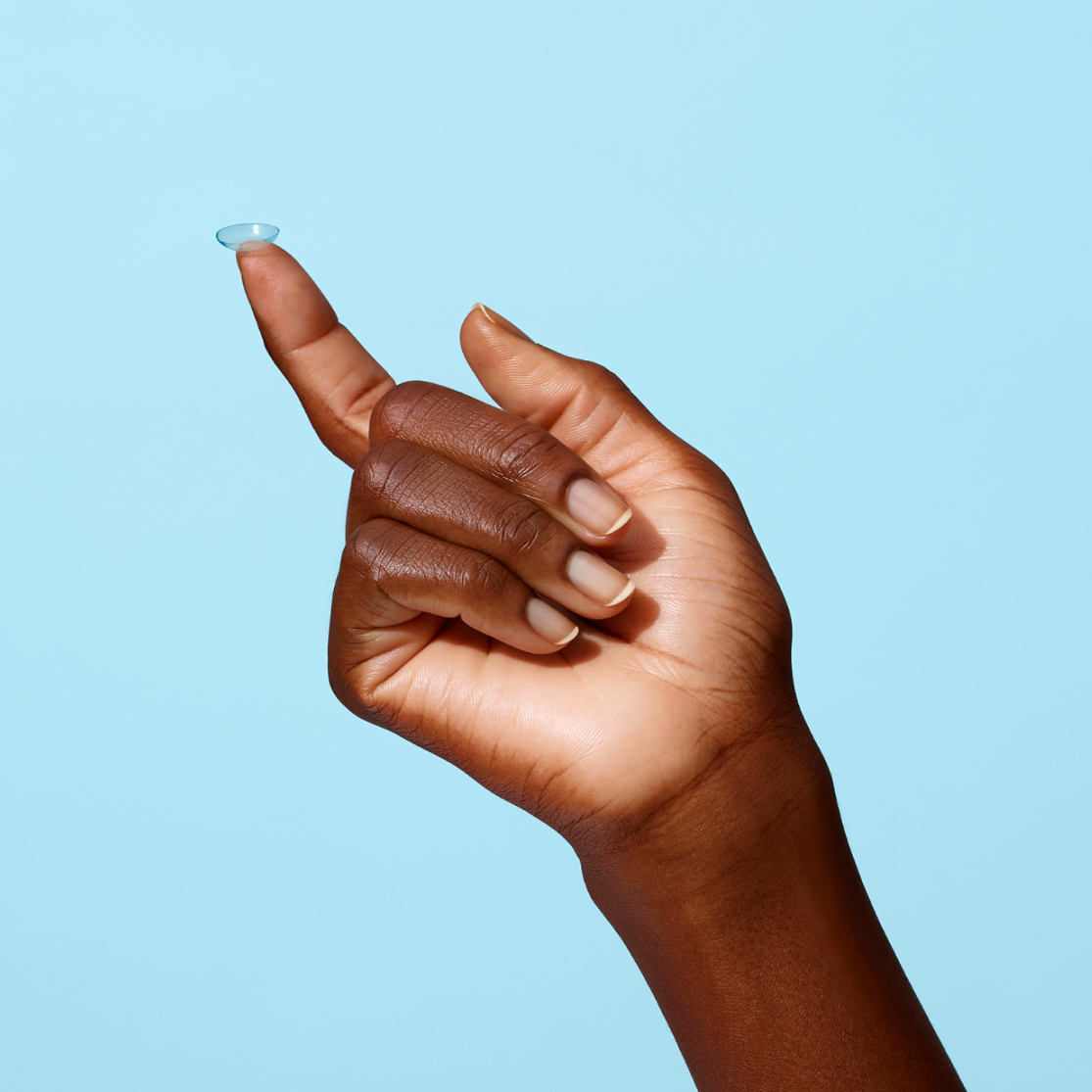
Daily disposable lenses have emerged as a popular option for some contact lens wearers with allergies. These lenses minimize allergen buildup due to their daily replacement cycle.
Showcase those peepers
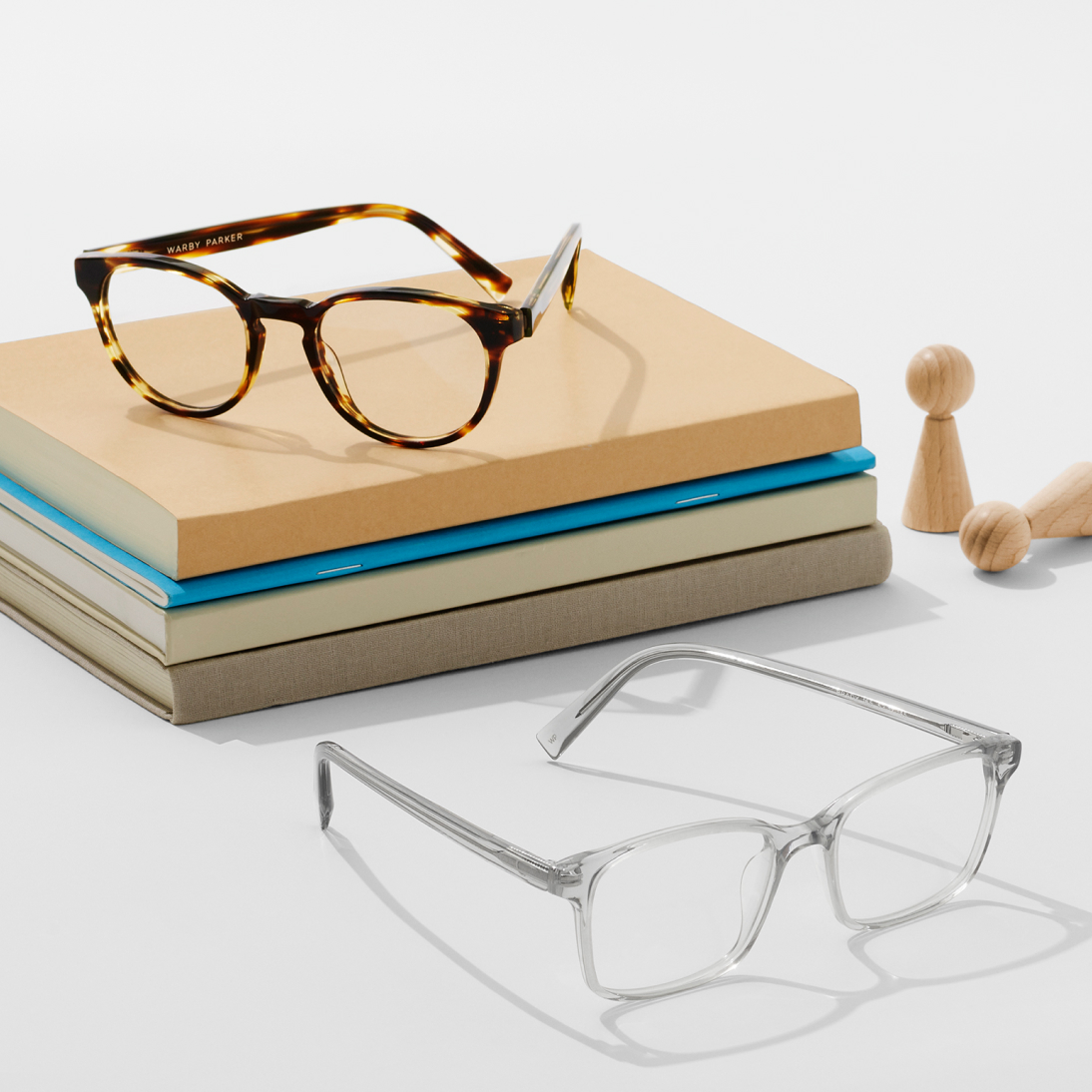
All eyes deserve to see clearly. Frame them with glassses—or go with contacts.
Benefits include:
- May help limit irritation for some wearers
- No need for cleaning solutions that might contain irritants
- Enhanced comfort during peak allergy seasons
Adopting daily disposables may enhance day-to-day comfort, providing a fresh start each day.
Selecting the Right Lens Material
Choosing the right material for your contact lenses is crucial for individuals with sensitive eyes. Lenses crafted from hypoallergenic materials or those allowing enhanced oxygen permeability are often recommended.
Hypoallergenic materials offer a lower risk of allergic reactions, while high oxygen permeability helps maintain moisture and reduces irritation. These features help maintain optimal eye health, making them ideal for those with heightened sensitivities.
Allergy Medication Compatibility
Allergy medications are commonly used to manage symptoms, but compatibility with contact lenses is crucial. Consider these points when using medications:
- Check product guidance or consult a professional if unsure
- Watch for side effects like dryness
- Avoid medications that exacerbate eye irritation
Some antihistamines can cause dryness, intensifying discomfort. Consulting with a healthcare provider ensures you select medications that support comfortable lens wear without compromising symptom relief.
Using Preservative-Free Solutions for Comfort
For those who do not use daily disposables, choosing the right contact lens solution is critical. Preservative-free solutions can help reduce irritation by avoiding substances that may provoke allergic reactions. When using conventional solutions, those containing preservatives might irritate sensitive eyes. Replacing these with preservative-free options can make a noticeable difference in comfort.
Maintaining a Regular Cleaning Routine
Implementing a thorough cleaning routine is essential for anyone who uses reusable contacts, particularly if they have allergies.
Follow these steps:
Think you may need glasses?
See an eye doctor for a vision check
1. Clean lenses daily with appropriate cleaners recommended for your lenses. 2. Thoroughly rinse lenses. 3. Disinfect overnight to minimize allergen buildup.
By adhering to these steps, allergy sufferers can alleviate some of the irritation typically associated with contact lens use.
Environmental Considerations for Lens Wearers
External factors like air quality significantly affect the comfort of contact lens wearers with allergies. High pollen counts or dusty environments can exacerbate irritation.
Tips for managing the environment include:
- Monitor allergen levels.
- Use air purifiers indoors.
- Wear sunglasses outside to protect eyes from allergens.
Being proactive about these environmental factors can lead to a more comfortable experience for lens wearers during allergy season.
Key Takeaways
Allergies and contact lenses get a bad rap as an incompatible pair, but they’re not the doomed duo people make them out to be. With the right lenses, a disciplined (but totally manageable) cleaning routine, and a few smart tweaks to your environment, contacts can stay comfortable even when allergens are doing their worst.
This is where regular check-ins with your eye doctor really shine. An optometrist can help fine-tune your setup, whether that means switching lens types, adjusting how often you replace them, or sharing small habits that add up to healthier, happier eyes.
If allergies have been making contact lens wear feel like a gamble, it might be time for a more personalized plan. Schedule an eye exam with a knowledgeable optometrist and discover how tailored advice can help you wear contacts comfortably, no matter what’s floating around in the air.
Frequently Asked Questions
What are some recommended contact lenses for people with allergies?
For people with allergies, daily disposable contact lenses are often recommended as they limit allergen exposure on lenses like pollen and dust. These lenses help you start each day with a fresh pair, minimizing irritation and promoting eye health.
First Things First
Renew your prescription from home with Virtual Vision Test
How can wearing contact lenses affect allergy symptoms?
Wearing contact lenses during allergy season can sometimes exacerbate symptoms such as itchiness, redness, and tearing. This occurs as lenses can trap allergens against the surface of the eye. To mitigate these effects, consider options like using antihistamine drops before lens insertion or switching to glasses when symptoms are severe.
How do antihistamine eye drops help when wearing contacts during allergy season?
Antihistamine eye drops provide relief by reducing itching and redness caused by allergens. It is typically recommended to apply these drops at least 10 minutes before inserting your contact lenses, allowing the drops to provide a protective barrier and reduce allergen buildup on the lens surface.
Should I alternate between contact lenses and glasses if I have allergies?
Yes, alternating between contact lenses and glasses during allergy season can be beneficial. This strategy allows your eyes to rest and reduces the buildup of allergens on or under the lenses. Glasses can also act as a physical barrier to airborne allergens, offering additional protection.
What are the risks of wearing contact lenses if you suffer from allergies?
The primary risks include increased eye irritation, redness, and discomfort due to allergen buildup on the lenses. These symptoms can lead to greater discomfort if not managed properly. Hence, adopting a hybrid eye care approach that includes using eye drops and switching to glasses can greatly reduce these risks.
Legal Disclaimer
MEDICAL DISCLAIMER: This content is provided for educational and informational purposes only and is not intended as medical advice, diagnosis, or treatment. This information should not be used to replace professional medical care or consultation. Individual results may vary significantly. Always consult with a qualified healthcare provider before making any decisions about your health, vision, or medical treatment. Never disregard professional medical advice or delay seeking treatment because of information you have read on this website.
VISION CARE DISCLAIMER: Vision correction needs vary by individual. Consult an eye care professional for personalized assessment and recommendations.
FDA DISCLAIMER: These statements have not been evaluated by the Food and Drug Administration. This content is not intended to diagnose, treat, cure, or prevent any disease or medical condition.
PROFESSIONAL CONSULTATION REQUIRED: Only qualified eye care professionals can provide personalized recommendations for your specific vision needs and health conditions.
This article is for informational purposes only. It is not intended to provide medical advice or substitute for professional health services. Warby Parker complies with all HIPAA regulations regarding your health information. For personal health questions or concerns related to your vision or eyewear prescriptions, please consult a qualified healthcare provider.
Need Glasses?
Shop prescription glasses starting at $95