Absolute hyperopia, a condition that impacts everyday vision, is more common than you might think. Whether you’re newly diagnosed or exploring vision health options, understanding absolute hyperopia can be helpful. This article covers the causes, symptoms, and management options for absolute hyperopia, offering information to help you learn more about this condition.
Understanding Absolute Hyperopia: Causes, Symptoms, and Vision Solutions
Updated: May 4, 2026
What is Absolute Hyperopia?
Absolute hyperopia is the portion of farsightedness that cannot be compensated for by the eye’s natural accommodative effort and typically requires corrective lenses for clear vision, especially at near distances. Unlike other forms of hyperopia that may vary with age or the eye’s ability to accommodate, absolute hyperopia tends to remain constant.
This condition differs from latent hyperopia, where the eyes can somewhat compensate. Absolute hyperopia is characteristically persistent across different activities and ages. According to research, a significant portion of the population experiences some form of hyperopia, making awareness and management an important consideration.
Causes and Risk Factors
The primary causes of absolute hyperopia include genetic factors and the physical structure of the eye. Hyperopia occurs when the eyeball is shorter than normal or the cornea has less curvature, causing light to focus behind the retina rather than directly on it.
Environmental factors such as extended screen time or inadequate lighting may also contribute to the prominence of symptoms. Common risk factors include:
- Genetic predisposition: Family history can play a significant role in hyperopia risk.
- Age-related changes: Natural aging processes may affect vision clarity over time.
- Associated conditions: Eye health issues like cataracts or diabetes may be associated with increased risk.
Symptoms and Diagnosis
Common symptoms of absolute hyperopia include eye strain, headaches, and blurred vision, particularly when engaging in near tasks like reading. These symptoms often prompt individuals to seek professional evaluation.
Diagnosis of absolute hyperopia typically involves comprehensive eye exams conducted by eye care professionals. These exams assess visual acuity and refraction to determine the specific condition. Early diagnosis and appropriate management from eye care professionals can help address symptoms effectively.
Management Options
There are several approaches to managing absolute hyperopia, from traditional methods to more advanced options:
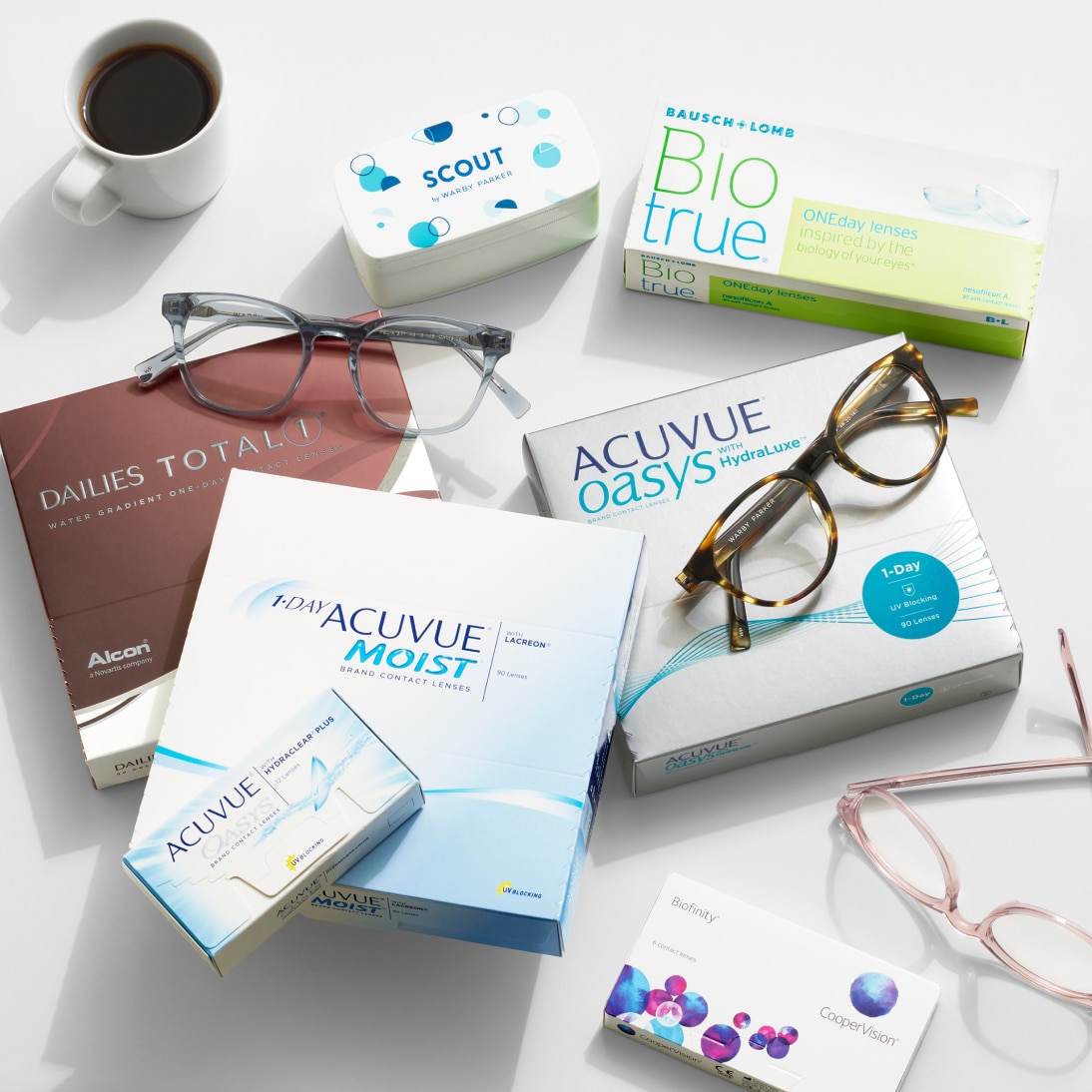
- Corrective lenses: Glasses and contact lenses are common solutions that can offer vision improvement and may be customized for comfort and style.
- Refractive surgery: Procedures like LASIK may offer longer-term solutions for eligible candidates, potentially reducing dependence on lenses.
- Lifestyle adjustments: Modifying screen time, improving lighting conditions, and using vision aids can help manage symptoms.
Impact on Daily Life
Absolute hyperopia can affect different age groups in various ways. Children with absolute hyperopia may experience challenges with reading and educational activities. Young adults might find difficulties in tasks requiring sustained near focus, such as working on computers or reading for extended periods.
Older adults may experience increased eye strain and headaches, which can affect comfort during everyday activities like reading or hobbies that require close vision.
Supportive Measures
While absolute hyperopia cannot be entirely prevented, certain lifestyle considerations may help manage the condition:
- Screen time management: Limiting extended screen use may help reduce eye strain and fatigue.
- Eye exercises: Some focusing exercises may support eye muscle flexibility, though they are not a substitute for professional treatment.
- Proper lighting: Ensuring adequate lighting during reading or screen time may help reduce additional strain.
- Regular eye exams: Routine check-ups can facilitate early detection and ongoing management.
- Nutrition: A diet rich in vitamins A, C, and E may support overall ocular health.
The American Optometric Association recommends comprehensive eye exams to help identify refractive errors like hyperopia, even before symptoms become noticeable.
Common Misconceptions
Myth: Hyperopia only affects children.
Fact: Hyperopia can affect individuals of any age, though it may present differently across life stages.
Myth: Wearing glasses worsens hyperopia.
Fact: Corrective lenses do not worsen hyperopia. They help manage symptoms by supporting focus and providing clearer vision.
Myth: Hyperopia can be completely cured with exercises or home remedies.
Fact: While eye exercises may support overall eye health, they do not cure hyperopia. Professional treatments like corrective lenses or surgery are the primary options for effective management.
Need Glasses?
Shop prescription glasses starting at $95
Key Takeaways
Understanding absolute hyperopia is an important step toward effective management. By working with eye care professionals and considering options such as corrective lenses, potential surgical procedures, and lifestyle adjustments, individuals can address their vision needs.
If you think you may have symptoms of hyperopia, scheduling a comprehensive eye exam with an eye care professional is a good next step. They can provide personalized recommendations based on your specific situation.
Legal Disclaimer
MEDICAL DISCLAIMER: This content is provided for educational and informational purposes only and is not intended as medical advice, diagnosis, or treatment. This information should not be used to replace professional medical care or consultation. Individual results may vary significantly. Always consult with a qualified healthcare provider before making any decisions about your health, vision, or medical treatment. Never disregard professional medical advice or delay seeking treatment because of information you have read on this website.
VISION CARE DISCLAIMER: Vision correction needs vary by individual. Consult an eye care professional for personalized assessment and recommendations.
FDA DISCLAIMER: These statements have not been evaluated by the Food and Drug Administration. This content is not intended to diagnose, treat, cure, or prevent any disease or medical condition.
PROFESSIONAL CONSULTATION REQUIRED: Only qualified eye care professionals can provide personalized recommendations for your specific vision needs and health conditions.
This article is for informational purposes only. It is not intended to provide medical advice or substitute for professional health services. Warby Parker complies with all HIPAA regulations regarding your health information. For personal health questions or concerns related to your vision or eyewear prescriptions, please consult a qualified healthcare provider.
Frequently Asked Questions
What is the main cause of absolute hyperopia?
Genetic predisposition and age-related changes are considered primary contributing factors to absolute hyperopia.
Can absolute hyperopia be prevented?
While absolute hyperopia cannot be entirely prevented, early detection through regular eye exams and appropriate management can help address its impact on daily activities.
What are common treatments for hyperopia?
Corrective lenses, such as glasses or contact lenses, are the most common treatment. Refractive surgery may also be an option for some individuals, depending on their specific circumstances.
How does screen time affect hyperopia?
Extended screen time can contribute to eye strain, which may make hyperopia symptoms feel more pronounced. Taking regular breaks and ensuring proper lighting may help reduce strain.
Need Glasses?
Shop prescription glasses starting at $95
Related Articles

Categories