Tortoise Eyeglasses: A Timeless Pattern for Many Settings
Some frames shout for attention. Others simply feel right for special days or outfits. Tortoise eyeglasses often fall into that second group, a quiet classic that many people choose for work, weekends, and a range of occasions.
This article looks at why tortoise acetate glasses remain a consistently popular choice in modern eyewear, bringing together distinctive patterning with everyday practicality.
You’ll find an overview of what makes tortoise acetate glasses different from other patterns, how many contemporary acetate materials are made and used, and general considerations for choosing a shade and shape that aligns with your preferences and day-to-day life.
We’ll walk through the history and ethics of the tortoise pattern, general characteristics of acetate as a frame material, style and color-matching ideas, and a few points to keep in mind as you explore your options.
The Story Behind Modern Tortoise Acetate Glasses
Today’s tortoise frames are inspired by history but rely on modern materials. Historically, “tortoiseshell” accessories were made from hawksbill turtle shell, including combs, jewelry, and early spectacles. That practice is no longer acceptable; the hawksbill turtle is now listed as critically endangered.
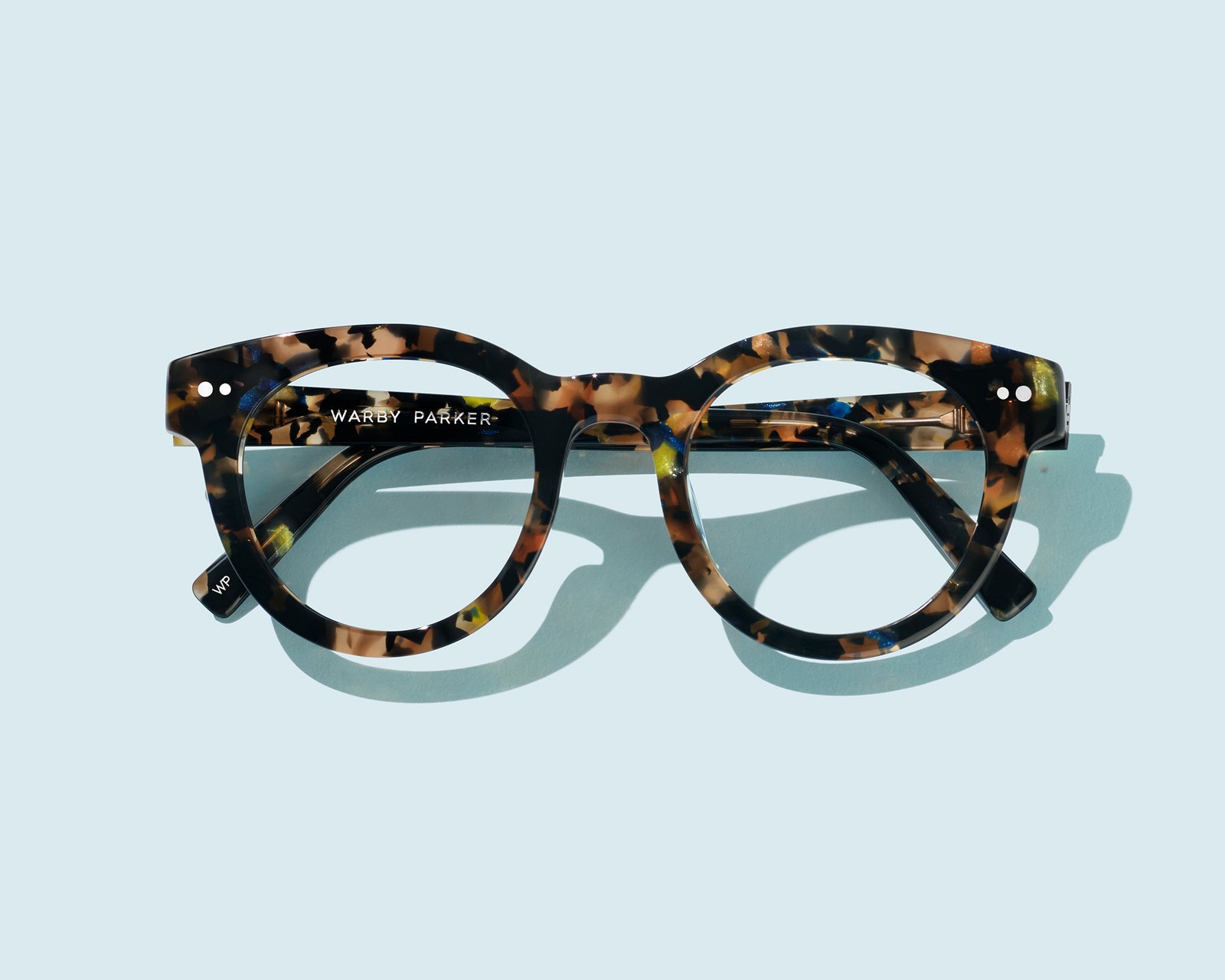
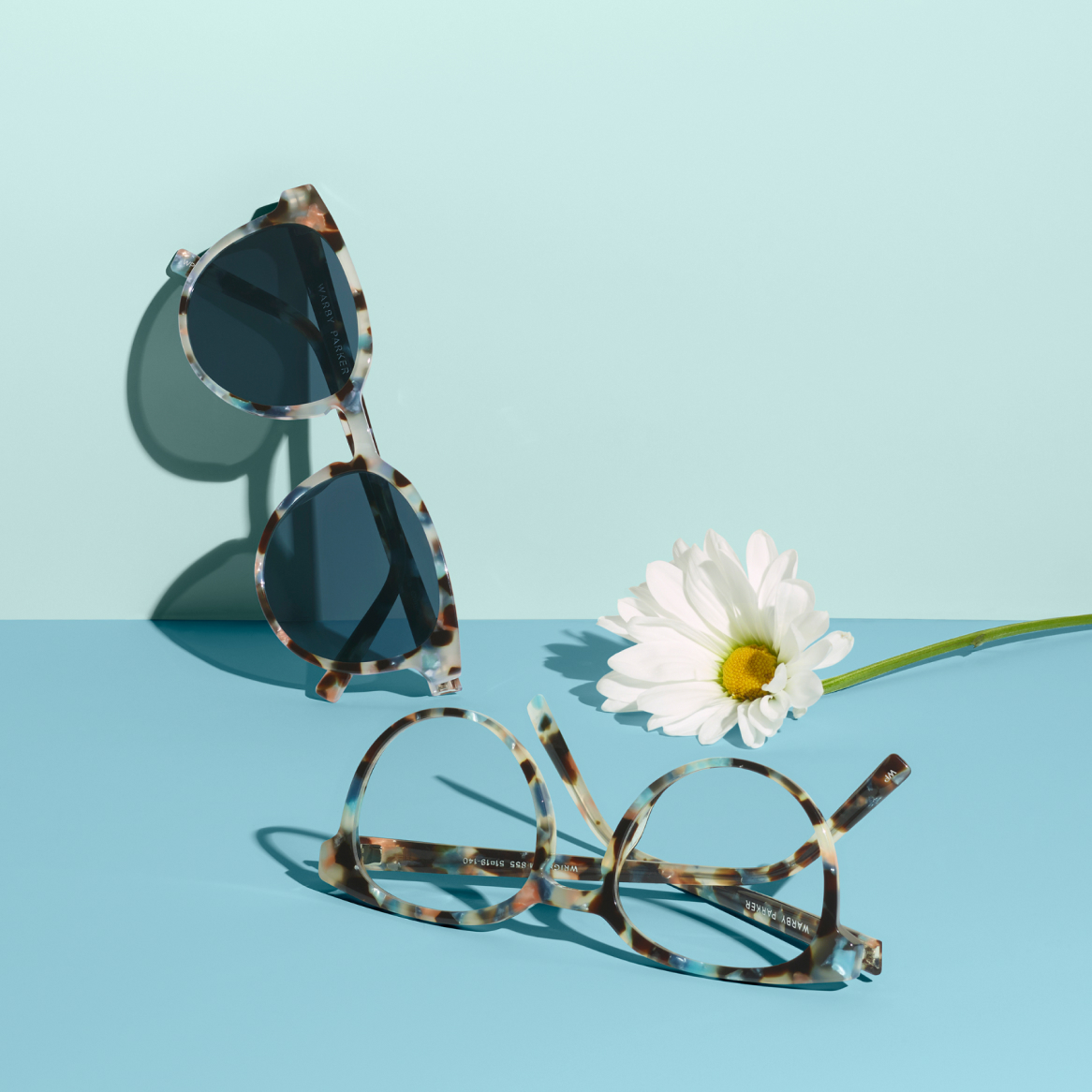
Modern “tortoise shell glasses” address this ethical concern by recreating the look using cellulose acetate. As contemporary eyewear guides explain, modern tortoise shell glasses are typically made of cellulose acetate, a plant-derived plastic that can be colored and layered to mimic the warm, mottled pattern of natural shell.
That pattern, amber, honey, and chocolate tones scattered through a translucent base, has become a design language of its own. Trade and fashion observers frequently note that tortoiseshell is a timeless, versatile eyewear pattern, appearing regularly in optical collections over many decades.
For many people, that history matters in two ways. First, it clarifies that the frames you’re considering are designed as an animal-friendly alternative to historical materials. Second, it helps explain why tortoise acetate glasses may feel familiar: they’re associated with a long tradition of refinement, creativity, and quiet confidence in eyewear.
Peep this
We offer prescription glasses starting at $95, with free shipping and free returns
Why Cellulose Acetate Is Commonly Used for Tortoise Frames
Tortoise eyeglasses could be produced using various plastics, but acetate is a common industry choice. Educational resources on eyeglass frame materials like cellulose acetate highlight that acetate can support rich colors and patterns while remaining relatively lightweight for many wearers.
From a design perspective, acetate can be layered and cut to reveal depth within the pattern. That’s why some tortoise acetate glasses seem to glow at the edges in sunlight or show subtle shifts from caramel to dark chocolate when you turn your head. The marbling is typically not just printed on the surface; it runs through the material.
- Smooth finish: Acetate frames are generally smooth against the skin and can often be adjusted by an optician to help the frames sit more securely on your face.
- Shape retention: With normal care, acetate can hold its shape for everyday wear, which is one reason many people who wear glasses most of the day choose acetate frames.
- Color range: From classic brown tortoise to lighter “honey” or higher-contrast versions, acetate supports a wide palette of colors and patterns.
- Appearance refresh: Small surface scratches can sometimes be polished by an optical professional, which may help refresh the appearance of the frame.
Another frequently mentioned characteristic is weight. While not as light as some specialized metals, acetate typically offers a balance that many people find workable, substantial enough to feel present, yet often worn throughout the day in both optical and sunglasses styles.
How to Choose Tortoise Acetate Glasses That Suit Your Style
Because the pattern is versatile, the key is coordinating color, contrast, and frame shape with your overall style and wardrobe.
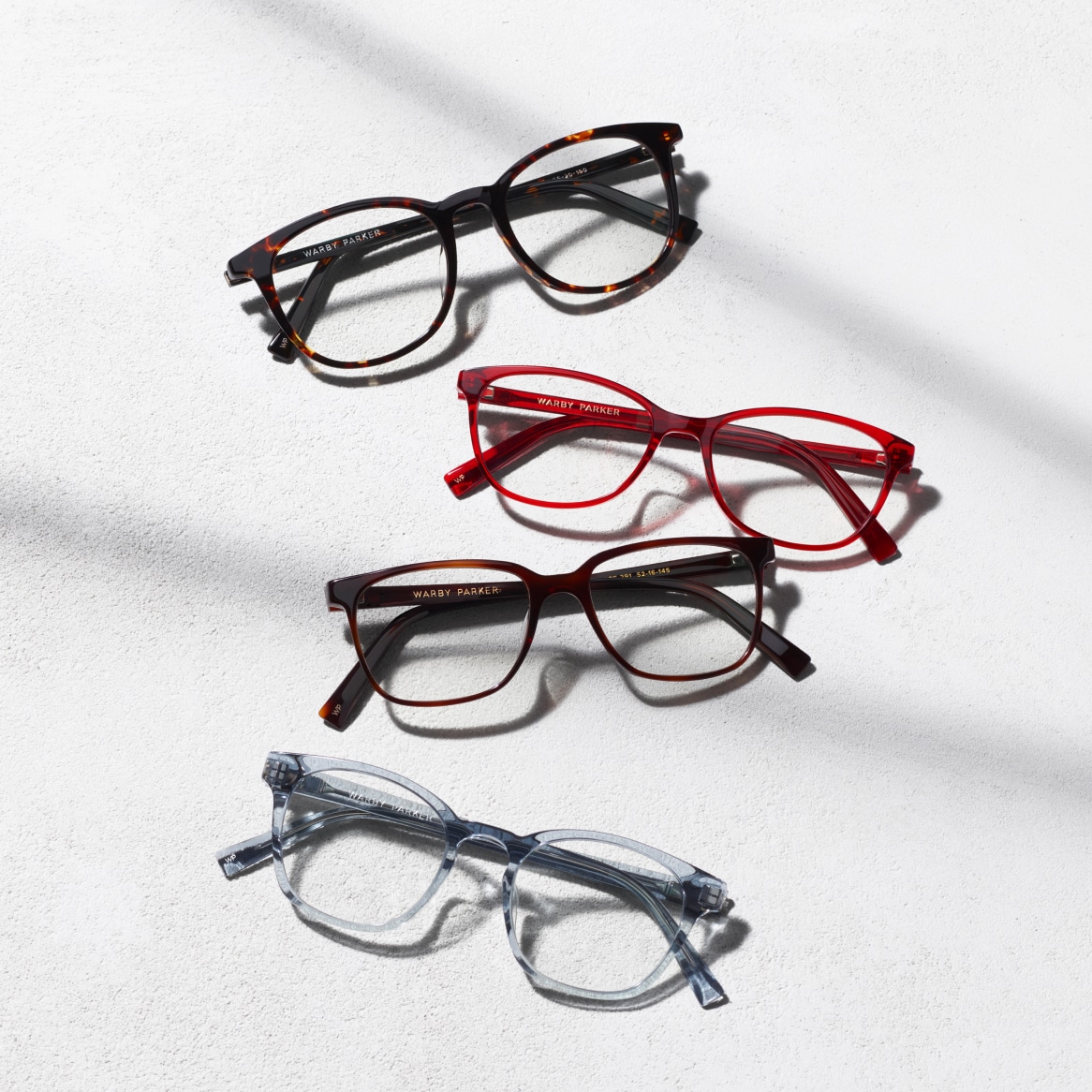
Classic medium-brown tortoise often functions as a neutral, pairing easily with navy, grey, black, and earth tones. Brighter or more contrasted tortoise can act as more of a statement accessory over simpler outfits.
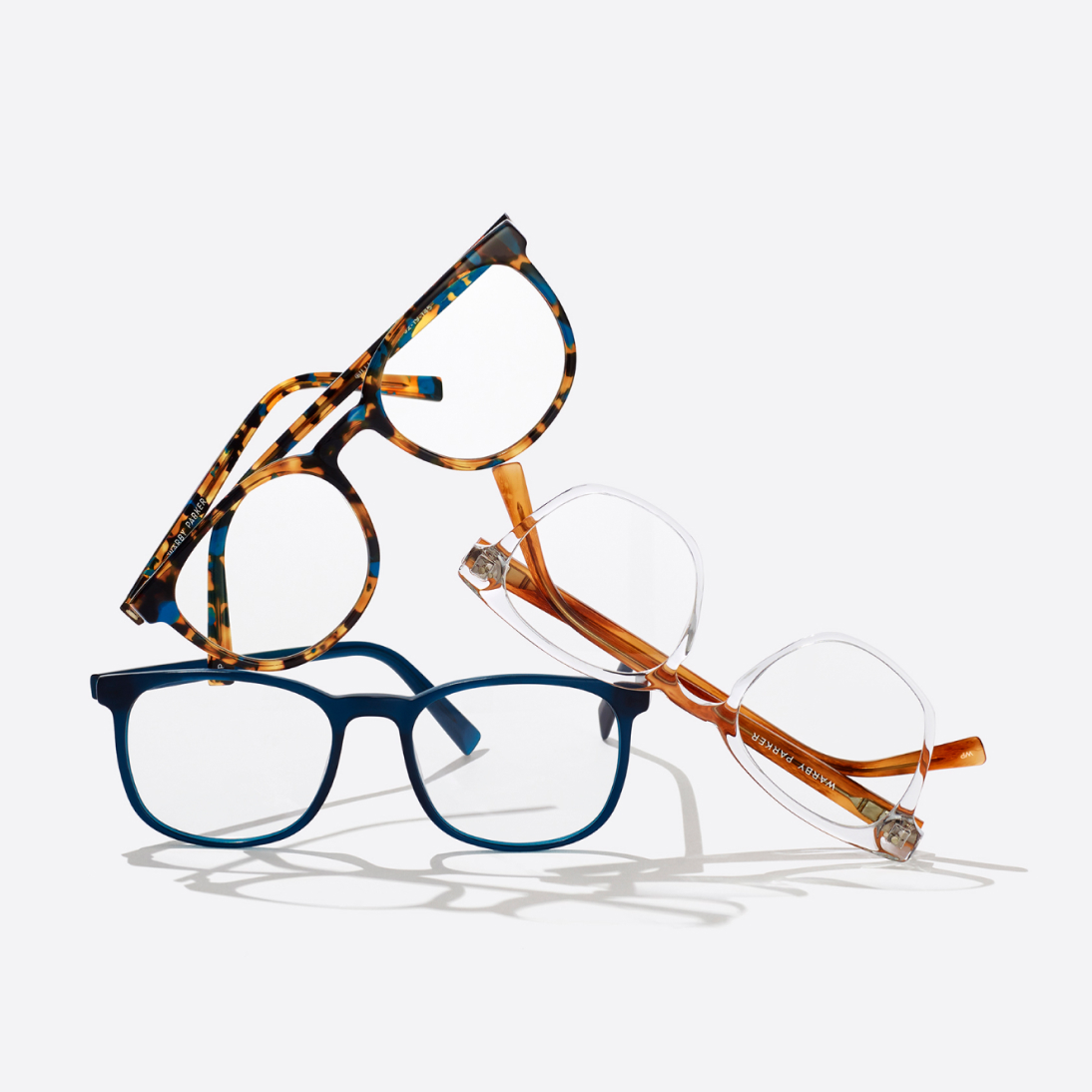
If you tend to notice color differences, it can help to look closely at the base tone of the pattern. Honey or lighter amber tortoise is often chosen by people with fair or cooler complexions, while deeper chocolate-based tortoise is frequently selected by people with medium and deeper skin tones. Transparent or crystal-acetate fronts paired with tortoise temples offer a softer take that some people prefer.
Face shape is another consideration. Softer, rounded rectangles or ovals in tortoise acetate glasses can be a versatile option for many wearers and may feel appropriate in a range of professional settings. Bolder cat-eye or oversized squares tend to create a more fashion-forward look while still reflecting the warmth and visual interest of the pattern.
If you’re unsure where to start, you may find it helpful to try a few shapes within a similar color family, such as two or three different tortoise frames, to see which overall silhouette you prefer.
Want to try before you buy?
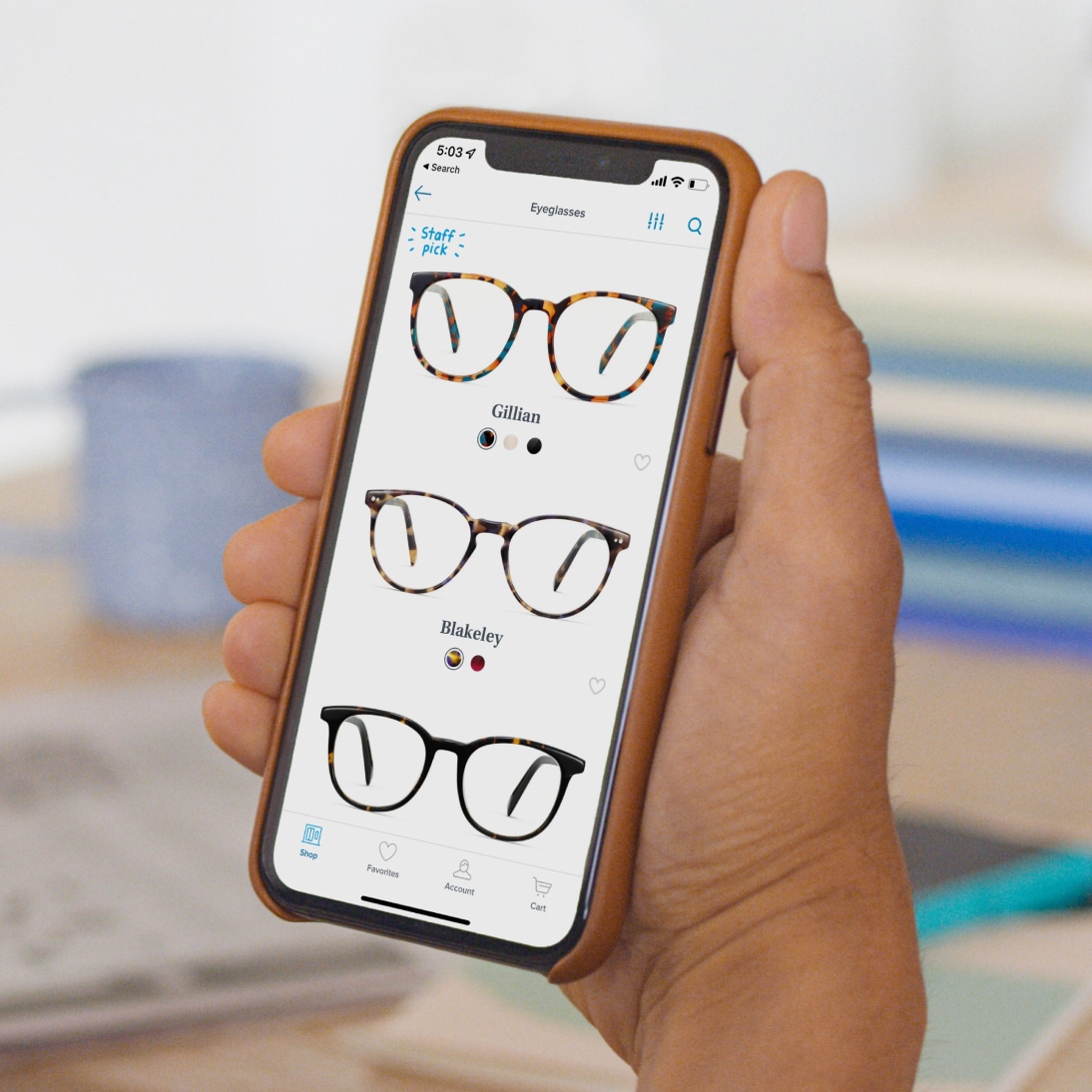
Try on any pair virtually from home
Key Takeaways and Next Steps with Tortoise Acetate Glasses
Across decades of changing fashion, tortoise acetate glasses have remained a recurring presence in eyewear collections. The pattern combines visual depth and character, while modern acetate is commonly associated with comfort and adjustability in everyday wear.
As you narrow down your options, it may help to focus on three choices:
1. Color depth: The depth of tortoise color that you like against your complexion and wardrobe.
2. Frame shape: The overall silhouette that fits into your day-to-day life (for example, more understated versus more statement-making shapes).
3. Contrast level: How much contrast you enjoy wearing: subtle, medium, or high.
Trying a couple of different tortoise colorways in similar shapes can help you see how changes in hue and contrast influence the overall effect.
If you’re considering a new pair, you can explore current tortoise collections, compare shapes on your face (in-store or via virtual try-on tools where available), and, if you have questions about fit, ask an eye care professional about frame adjustments.
Frequently Asked Questions
Are tortoise acetate glasses still in style?
Yes. Tortoise-pattern frames are widely viewed as a long-term classic, with warm, mottled tones that can work with both casual and professional outfits.
What are tortoise acetate glasses made from?
They are typically made from cellulose acetate, a plant-derived plastic that is colored and patterned to mimic traditional tortoiseshell without using animal shell.
Do tortoise frames suit every skin tone?
Style is personal, but many people are able to find a tortoise variation they like. Lighter honey tones are often chosen by people with fair or cooler skin tones, while deeper browns are frequently selected by people with medium and deeper complexions.
Are acetate tortoise glasses durable for everyday wear?
With normal care, acetate frames are often described as sturdy and can generally handle the usual bumps of daily wear when handled appropriately. As with any eyewear, avoiding excessive heat, pressure, or harsh chemicals can help maintain their appearance.
Can I wear tortoise acetate glasses in a formal work setting?
Yes. Classic, medium-contrast tortoise in simple shapes such as rectangles or ovals is commonly worn in business and formal environments.
How do I clean tortoise acetate frames safely?
Use lukewarm water, a small amount of mild soap, and a soft, clean cloth. Avoid harsh chemicals or high heat, which can affect acetate and its finish.
Legal Disclaimers
MEDICAL DISCLAIMER
This content is provided for educational and informational purposes only and is not intended as medical advice, diagnosis, or treatment. This information should not be used to replace professional medical care or consultation. Individual results may vary significantly. Always consult with a qualified healthcare provider before making any decisions about your health, vision, or medical treatment. Never disregard professional medical advice or delay seeking treatment because of information you have read on this website.
VISION CARE DISCLAIMER
Vision correction needs vary by individual. Consult an eye care professional for personalized assessment and recommendations.
FDA DISCLAIMER
These statements have not been evaluated by the Food and Drug Administration. This content is not intended to diagnose, treat, cure, or prevent any disease or medical condition.
PROFESSIONAL CONSULTATION REQUIRED
Only qualified eye care professionals can provide personalized recommendations for your specific vision needs and health conditions.
This article is for informational purposes only. It is not intended to provide medical advice or substitute for professional health services. Warby Parker complies with all HIPAA regulations regarding your health information. For personal health questions or concerns related to your vision or eyewear prescriptions, please consult a qualified healthcare provider.
Need Glasses?
Shop prescription glasses starting at $95