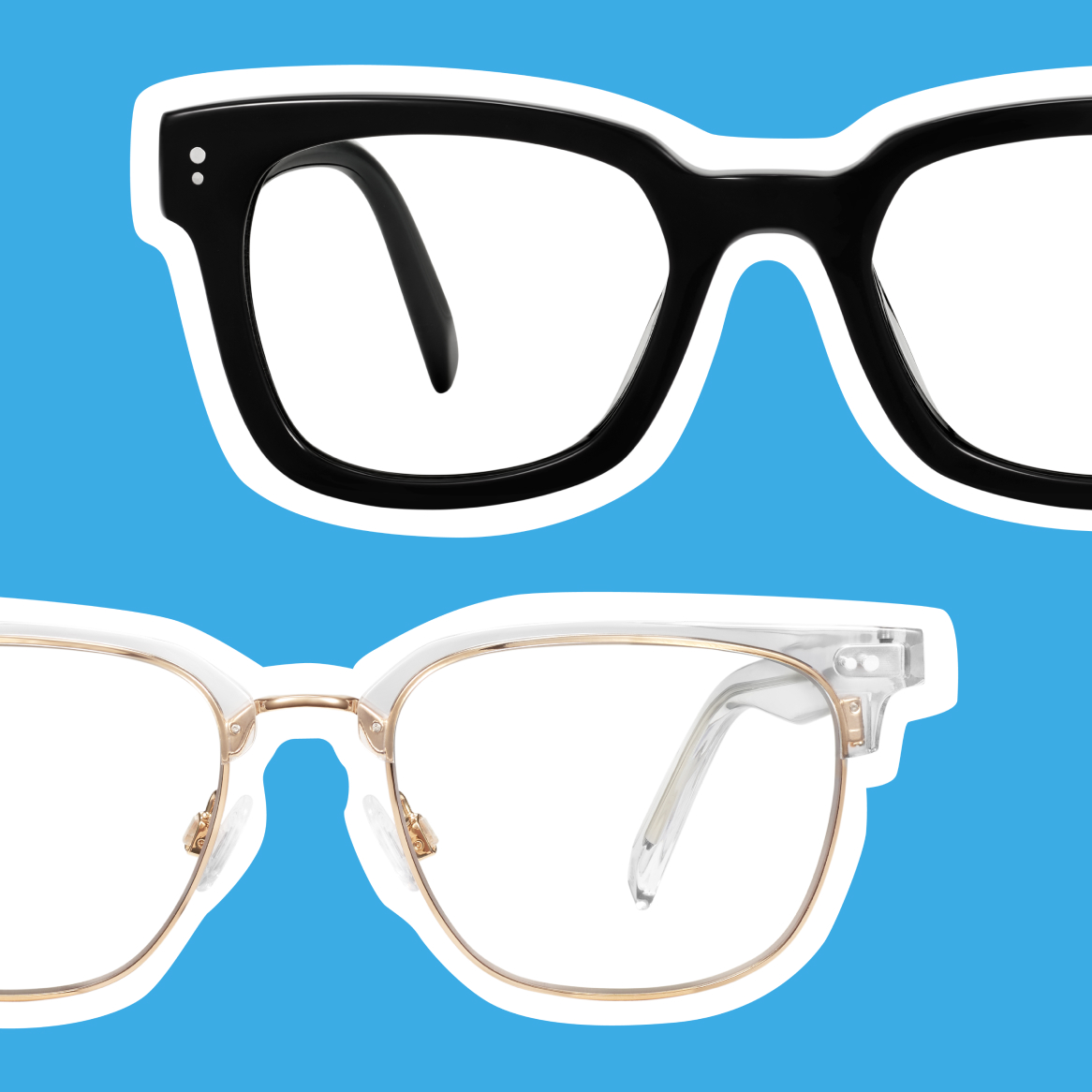
Stainless Steel Eyeglasses: Sleek, Strong, Minimal
If you prefer your glasses to have that sharp, minimal look, but still a relatively light feel, stainless steel eyeglasses may be a great option. They offer a clean, crisp profile, with material strength suited to long-term, everyday wear.
This guide explains what makes stainless steel eyeglasses different and how they compare with other frame materials. The goal is to help you decide whether they match your lifestyle, style preferences, and budget.
Need a new pair of glasses?
Vitually try on frames in the comfort of your own home
Stainless steel eyeglasses are often associated with a slim silhouette, durability, and resistance to rust and staining, which is why so many modern frame lines feature them.
Below, you’ll learn how stainless steel is made and why that matters, the key benefits and trade-offs, style considerations, and simple care tips that can help your frames stay looking sleek over time.
Why Stainless Steel Eyeglasses Stand Out
Stainless steel is an alloy of iron and carbon with added chromium-typically at least 10%-which helps the metal resist staining and rust. That unique composition lets manufacturers create ultra-thin but structurally sound frames. As a result, stainless steel eyeglasses can be both visually light and materially durable.
Modern optometry resources note that stainless steel frames are generally strong, relatively lightweight, and corrosion-resistant while maintaining their shape over time.
For stress-free reading
Go ahead, get lost in a book. Our glasses make it easy.
In terms of weight, stainless steel typically falls between acetate and titanium. The material is usually lighter than many traditional metal blends but a bit heavier than titanium, which many people may find feels secure yet relatively light.
Cost is another consideration. Stainless steel eyeglasses are often priced below titanium frames and are generally considered a durable option among common metal frame materials. If you prefer a minimal, contemporary look and are comparing different metals, stainless steel can be one option to add to your list.
Time for a style shake-up?
Retrofit your look with new eyeglasses or sunglasses
Key Benefits and Trade-Offs of Stainless Steel Frames
When you’re comparing frame materials, it can help to break things down into specific benefits and considerations. Stainless steel is commonly selected based on criteria that matter for daily eyewear.
On the benefits side, stainless steel is frequently described as offering a combination of strength, durability, and design flexibility. A university-affiliated optometry guide notes that stainless steel frames are non-corrosive, durable, and relatively lightweight, and can be formed into ultra-thin profiles that appeal to people who like minimalist designs.
Stainless steel is often chosen for frames intended for regular use, including frequent on-and-off.
There are also material characteristics that some people consider when thinking about comfort and skin contact. Some stainless steel eyeglasses are marketed as nickel-free or hypoallergenic. Clinical research has highlighted nickel as a leading cause of allergic reactions to spectacle frames; one review found that nickel is a leading cause of allergic contact dermatitis related to metal eyewear, which is one reason nickel-free stainless steel frames are sometimes suggested in resources discussing frame options for people with sensitive skin. If you have known metal sensitivities, it’s a good idea to review product details and speak with an eye care professional about materials that may be appropriate for you.
Need Glasses?
Shop prescription glasses starting at $95
There are trade-offs to consider:
- Weight vs. titanium: Stainless steel is typically slightly heavier than titanium, though it is still considered relatively light compared with some other metals.
- Adjustability: Stainless steel can generally be adjusted by an optician, though it may not offer the same level of flexibility as certain ultra-bendable titanium or memory-metal options.
- Finish options: Stainless steel is often used for modern, minimal looks. If you prefer bold textures or thicker silhouettes, acetate or other materials may provide more options.
Style, Fit, and Use Cases for Stainless Steel Eyeglasses
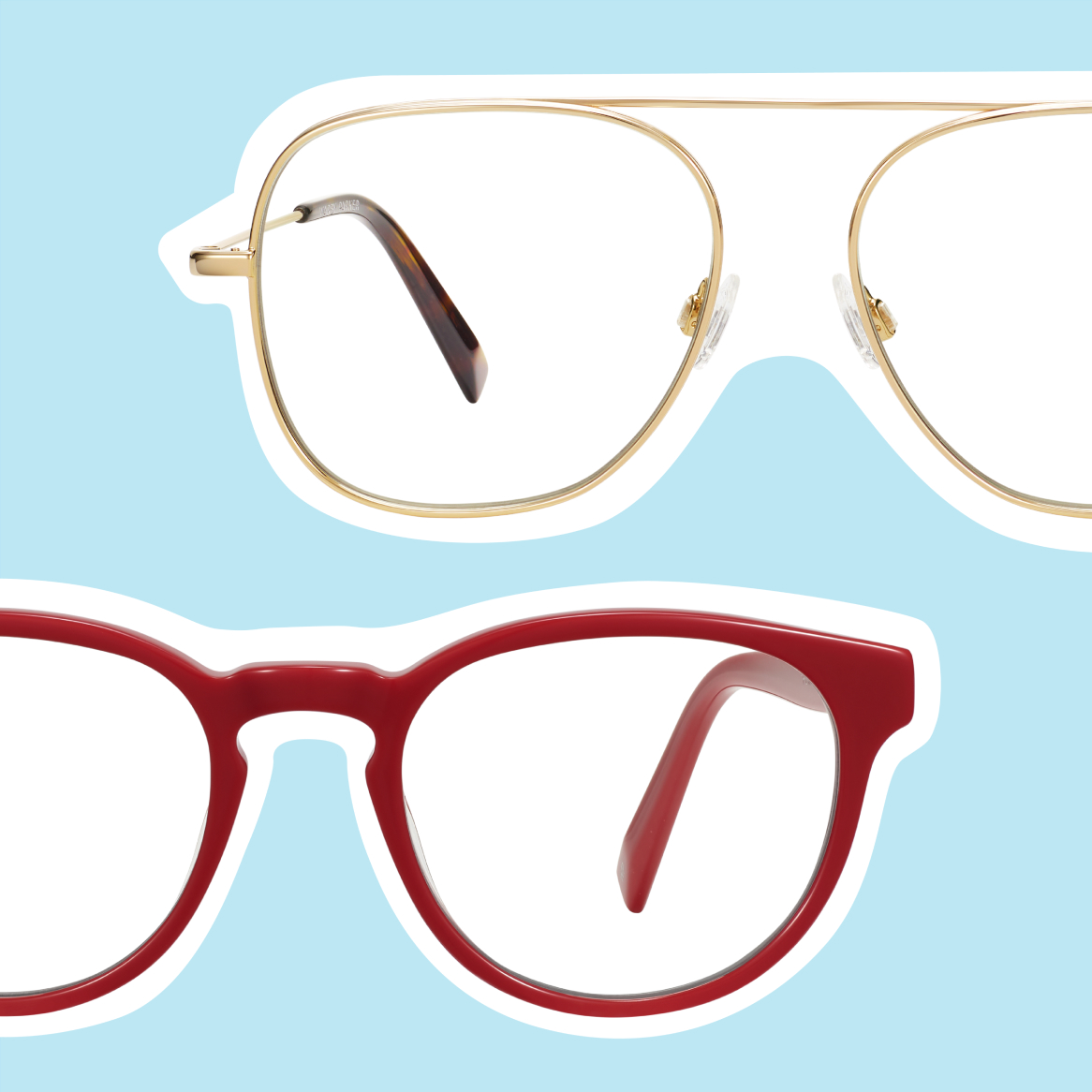
One reason stainless steel eyeglasses have become popular is their design versatility. The material supports thin rims and streamlined bridge designs, which can work well for minimalist aesthetics, tech-forward looks, and professional wardrobes. You’ll often see stainless steel in semi-rimless or full-rim slim silhouettes that give lenses a refined outline.
For everyday wearers, stainless steel is commonly chosen in environments where humidity, sweat, or temperature changes are part of daily life. Because of its inherent resistance to rust and staining, it can be a practical choice if you commute by bike, live in a coastal area, or tend to be hard on your glasses. Specialty resources note that stainless steel generally retains its shape and finish under regular use, which may help frames look newer for longer compared with some other metals.
Fit-wise, stainless steel eyeglasses can be used with a wide range of prescriptions. The material’s strength supports frame designs that can accommodate higher-index or thicker lenses, especially in full-rim styles. Adjustable nose pads and flexible temple tips are common in many stainless steel frames, allowing an optician to adjust how the frame sits on your nose and ears.
Final Thoughts on Stainless Steel Eyeglasses
Stainless steel eyeglasses combine slim, minimal styling with material strength that can work well for everyday wear, often at a generally accessible price point. Thanks to characteristics like corrosion resistance and shape retention, they can be a practical option for many different lifestyles.
If you’re ready to explore new frames, you might shortlist a few stainless steel options in shapes that complement your face and day-to-day activities, then try them on in person or via a virtual try-on tool to compare the look.
As you narrow your choice, notice how frames feel on your nose and behind your ears, and review product information for details about materials (including whether a frame is described as nickel-free or hypoallergenic). You can also ask an eye care professional about stainless steel and other materials if you have questions about what may work for you.
Not sure which glasses to get?
Try on frames virtually, right now
Legal Disclaimer
MEDICAL DISCLAIMER: This content is provided for educational and informational purposes only and is not intended as medical advice, diagnosis, or treatment. This information should not be used to replace professional medical care or consultation. Individual results may vary significantly. Always consult with a qualified healthcare provider before making any decisions about your health, vision, or medical treatment. Never disregard professional medical advice or delay seeking treatment because of information you have read on this website.
VISION CARE DISCLAIMER: Vision correction needs vary by individual. Consult an eye care professional for personalized assessment and recommendations.
FDA DISCLAIMER: These statements have not been evaluated by the Food and Drug Administration. This content is not intended to diagnose, treat, cure, or prevent any disease or medical condition.
PROFESSIONAL CONSULTATION REQUIRED: Only qualified eye care professionals can provide personalized recommendations for your specific vision needs and health conditions.
This article is for informational purposes only. It is not intended to provide medical advice or substitute for professional health services. Warby Parker complies with all HIPAA regulations regarding your health information. For personal health questions or concerns related to your vision or eyewear prescriptions, please consult a qualified healthcare provider.
Are stainless steel eyeglasses good for everyday wear?
Stainless steel frames are commonly designed to be durable, relatively lightweight, and corrosion-resistant, which can make them a practical choice for everyday use at work, school, or on the go. Actual performance depends on the specific frame design and how you care for your glasses.
Are stainless steel eyeglasses hypoallergenic?
Some stainless steel frames are nickel-free or have lower nickel content, and certain products are marketed as hypoallergenic. If you have metal sensitivities or a history of skin reactions, check whether a frame is specifically labeled as hypoallergenic and talk with an eye care professional about materials that may be appropriate for you.
How do stainless steel frames compare with titanium?
Titanium is typically lighter and more flexible than stainless steel and is often priced higher. Stainless steel also supports modern, minimal styling and is generally considered a durable option among common metal frame materials, though it usually has a bit more weight than titanium. The right choice depends on your preferences for weight, budget, and style.
Will stainless steel eyeglasses rust or discolor?
Stainless steel contains chromium, which helps improve resistance to staining and corrosion. With normal use and basic care, stainless steel frames are designed to resist rust, even with exposure to sweat and humidity. However, finish and longevity can vary by product and how the frames are used.
Are stainless steel eyeglasses suitable for strong prescriptions?
Stainless steel frames are often used with a range of prescription strengths, including higher prescriptions, particularly in full-rim styles paired with lenses selected by an eye care professional. If you have a strong prescription, an optician can help you choose a frame and lens combination that works well together.
How should I care for stainless steel eyeglasses?
Rinse your glasses with lukewarm water, clean them with a lens-safe solution and microfiber cloth, and store them in a protective case when not in use. Avoid harsh chemicals or abrasive fabrics that could affect the finish or lenses. If your frames ever feel loose or out of alignment, visit an optical professional for an adjustment rather than trying to bend them yourself.
Need Glasses?
Shop prescription glasses starting at $95