Preservative-Free Eye Drops: A Gentle Option for Sensitive Eyes
If you’ve ever used eye drops and felt a burn, sting, or just general discomfort, it might not be your imagination—or even your dry eye. It could be the preservatives.
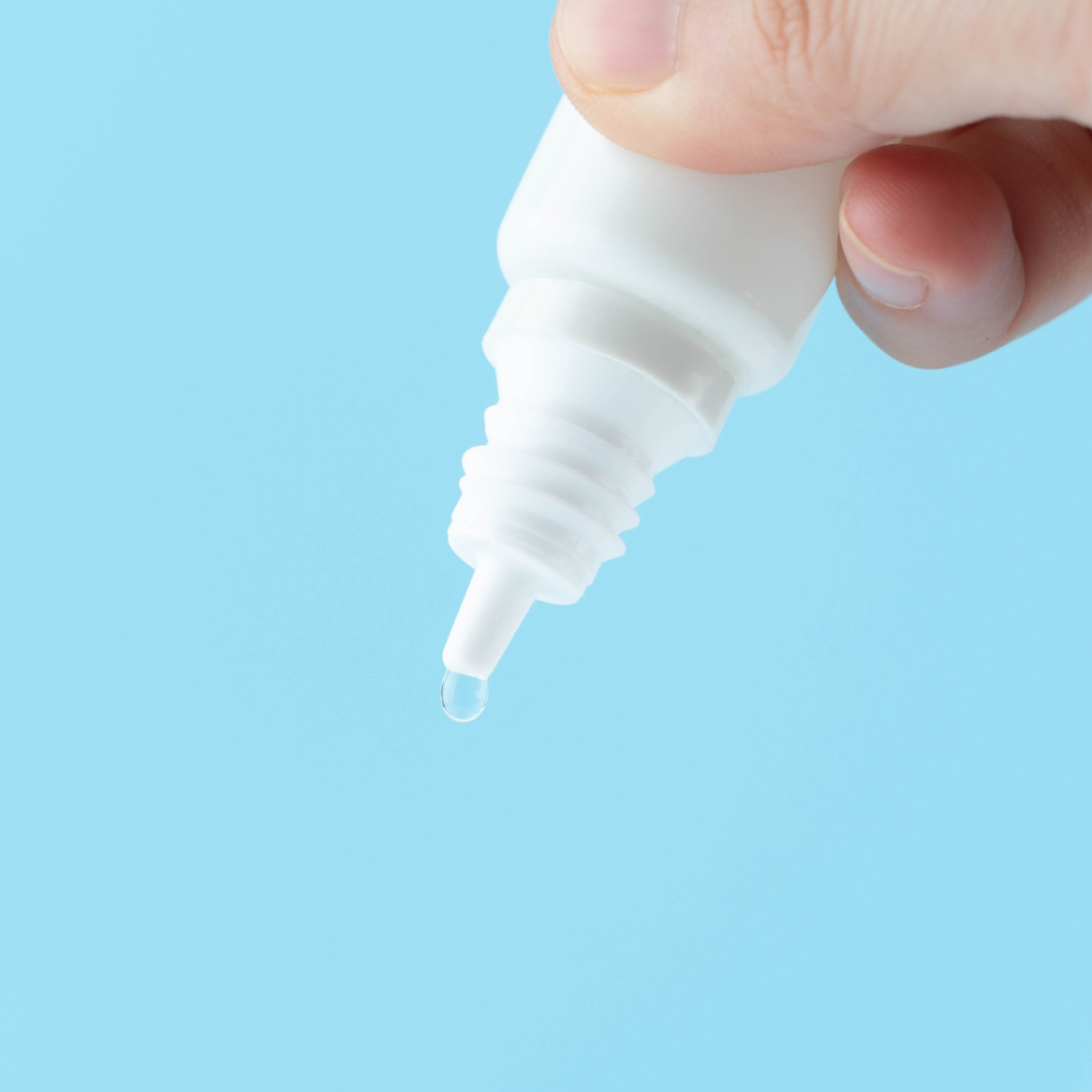
Eye drops are supposed to help your eyes feel better. But for people with sensitive eyes, some drops do the opposite. Enter: preservative-free eye drops—a gentler option that many people find soothing and less irritating. Here’s everything you need to know about what they are, why they matter, and how to pick the right ones for your eyes.
What Are Preservatives Doing in Eye Drops Anyway?
Most eye drops you’ll find on store shelves are packaged in multi-use bottles and contain preservatives—chemicals added to keep bacteria at bay once the bottle is opened. Think of them as microbial bouncers, making sure germs don’t sneak into your eyes uninvited.
Common preservatives, like benzalkonium chloride (BAK), do a solid job of keeping things sterile. They’re what allow eye drops to be stored for weeks or even months after you open the cap. From a shelf-life perspective, preservatives are practical. But your eyes might not think they’re very polite houseguests.
The Problem: Sensitive Eyes + Preservatives = Not a Great Match
For people with dry or sensitive eyes, preservatives can be a little too intense. The surface of the eye, especially if already irritated, doesn’t always tolerate extra chemicals well.
Here’s what can happen:
- Irritation or stinging after applying drops
- Redness or itching that sticks around
- Worsening dryness despite using artificial tears
- A weird gritty feeling, like something’s in your eye (spoiler: there isn’t)
That thin, protective layer on your eye—called the tear film—can already be compromised if you have dry eyes. Some studies suggest that preservatives like BAK may contribute to irritation or impact tear production over time, especially with frequent use.
And frequency matters. Using preserved drops once or twice a day? Probably fine. Using them five, six, or more times a day? That’s a lot of chemical exposure for delicate eye tissue. Many eye care professionals may recommend preservative-free options for those using drops frequently—more than four times a day.
Preservative-Free Eye Drops: Why They’re a Game-Changer
Preservative-free eye drops (also labeled “no preservatives” or “PF”) skip the additives, making them a gentler option—especially for eyes that are tired, dry, or extra reactive.
Here’s what sets them apart:
Kinder to Sensitive Eyes
No preservatives = less chemical interference. Preservative-free eye drops are formulated to moisturize and soothe, and they’re often better tolerated by people with sensitive eyes. They’re often recommended by medical professionals for people with moderate to severe dry eyes or those using drops frequently.
No Rebound Dryness
Some preserved drops cause dryness a few hours later. (Not great.) PF drops avoid this because they’re not messing with your tear film or natural tear production.
Safe for Frequent Use
Preservative-free drops are generally considered safe for more frequent use, though it’s always wise to follow usage directions and consult your provider if you’re unsure. That’s why they’re often the go-to for folks who need relief multiple times a day.
Preferred After Surgery
After procedures like LASIK or cataract surgery, your eyes are in healing mode. Many doctors recommend preservative-free options during recovery to reduce the likelihood of irritation.
Better for Contact Lens Wearers
Some preservatives soak into soft contacts, which can cause irritation or cloudiness. PF rewetting drops (specifically labeled for contacts) help avoid that issue—and help your lenses stay comfy and clear.
When Should You Consider Switching?
Still unsure if preservative-free drops are for you? Here are a few reasons to consider them:
- You use eye drops constantly (more than four times a day)
- Your current drops sting or make symptoms worse
- You’ve been diagnosed with chronic or severe dry eye
- You have known sensitivities or allergies to preservatives
- You wear contacts and feel eye discomfort or cloudiness
- Your eye doctor says to (they’re trained to take proper care of your eyes)
In short: If your eyes aren’t feeling better with your current drops, that’s a nudge to try something gentler.
How to Choose the Right Preservative-Free Drop
Good news: There are plenty of options. Here’s how to pick and use PF drops like a pro.
Check the Label
Look for “preservative-free,” “no preservatives,” or “PF” on the box or bottle. Scan the ingredients for common preservatives like BAK or sorbic acid.
Single-Use vs. Multi-Use
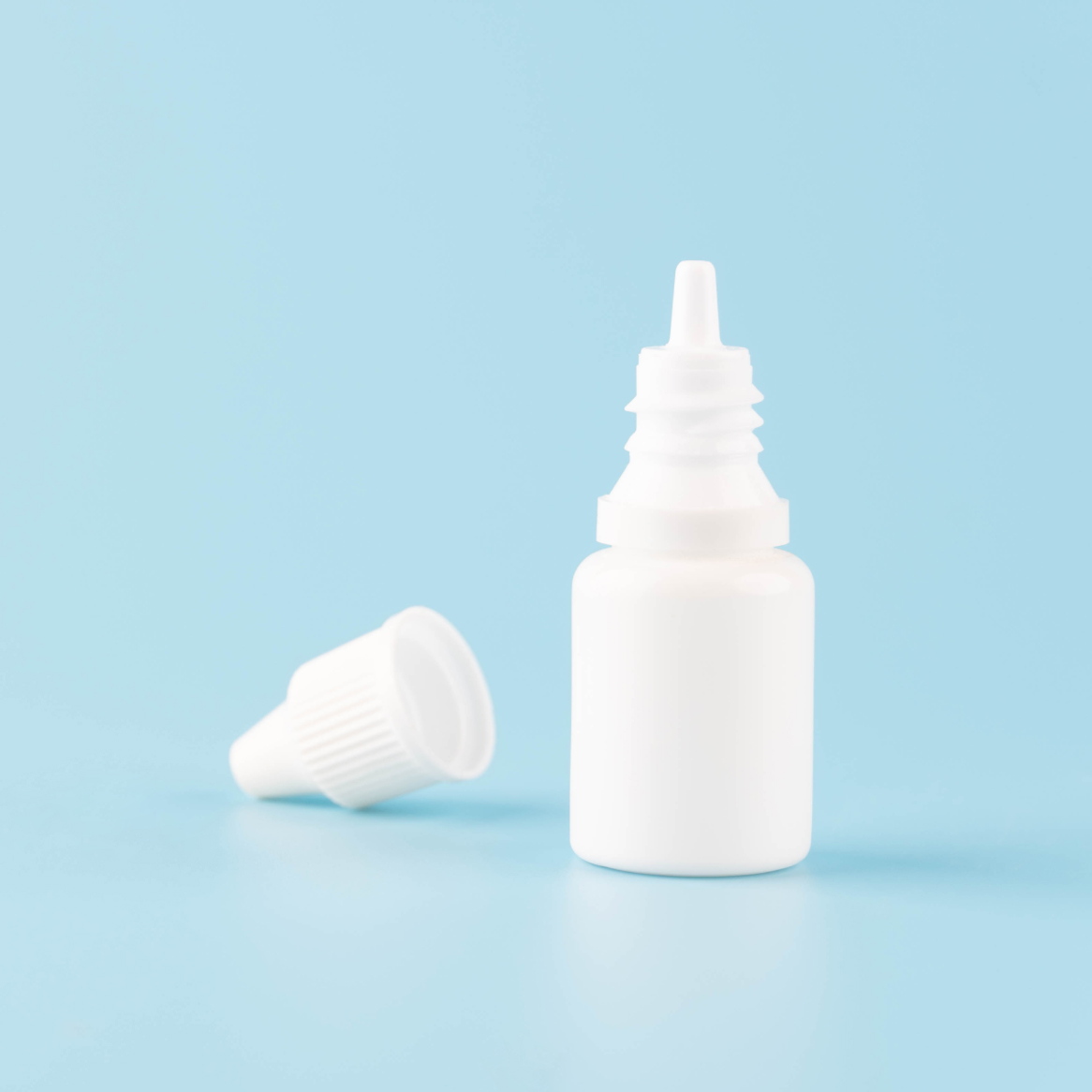
Most PF drops come in single-use vials. Open one, use it, and toss it—don’t save leftovers. (Even if there’s still liquid in there, it’s no longer sterile after opening.)
Newer multi-use PF bottles have special filters that block bacteria from entering the bottle. They’re more eco-friendly and can last 2–3 months after opening. Just follow the package instructions for how long after opening they’re recommended for use.
Contact Lens-Compatible?
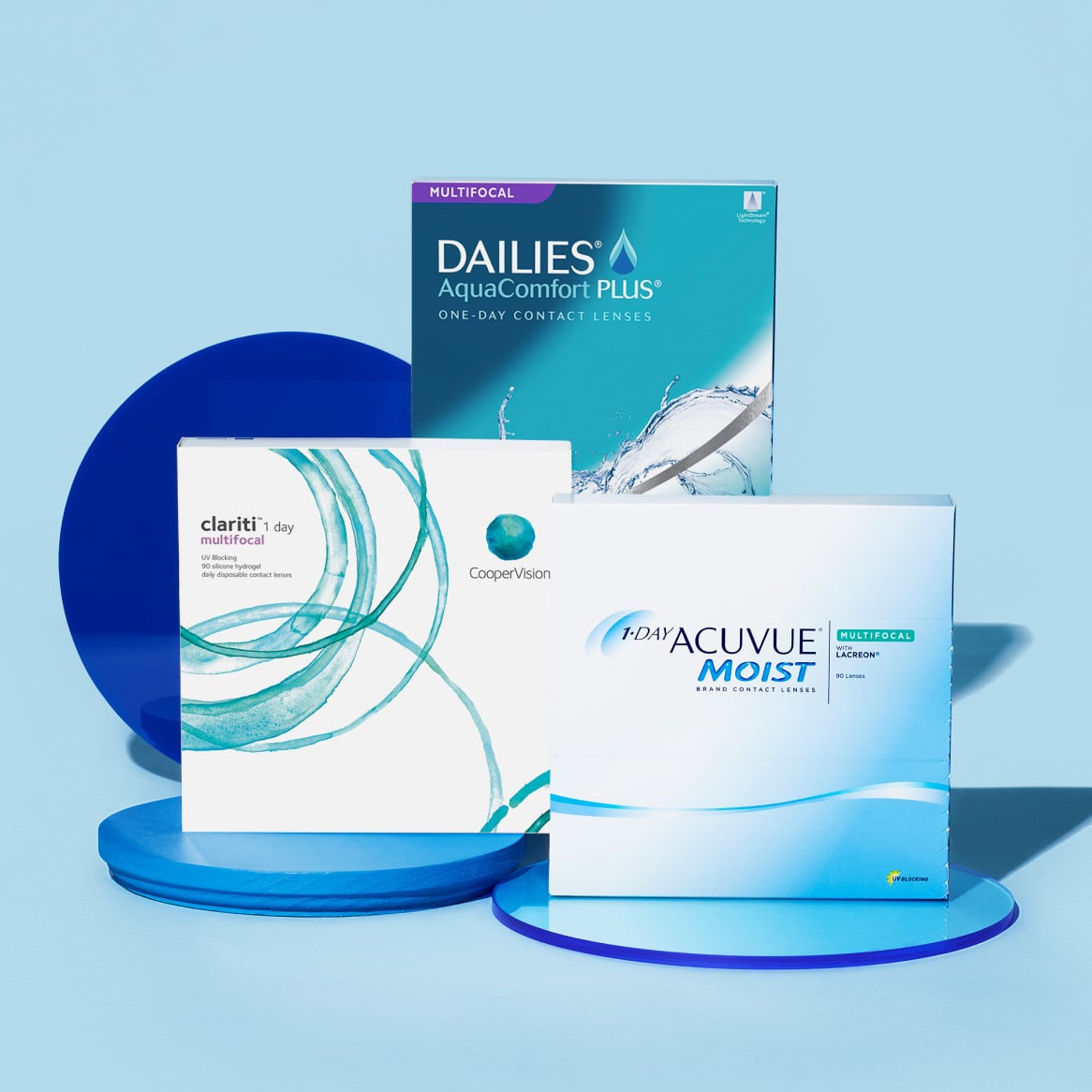
Not all PF drops are made to be used while wearing contacts. Look for specific labeling like “for use with contacts” or “rewetting drops.” When in doubt, take out your lenses, use the drops, then wait 10–15 minutes before reinserting them.
Bottom Line
Preservative-free eye drops are a smart, gentle option for anyone dealing with dry, sensitive, or easily irritated eyes. Preservatives help eye drops last longer—but they don’t always play nicely with your tear film. If your eyes are feeling the burn (literally), it might be time to swap to a PF option that may offer the relief you’ve been looking for—without added preservatives.
They’re widely used, generally well-tolerated, and designed for ease of use. They might be just the thing your eyes need.
Disclaimer: This article is for informational purposes only and does not constitute medical advice. Please consult a licensed eye care professional to determine the best treatment or product for your individual needs and call 911 in emergencies.
Sources:
- Mayo Clinic: Artificial Tears and Dry Eye Guidance
- Warby Parker: Eye Drops for Dry Eyes: Which Type Is Best?
- UC Davis Health: Safe Use of Preservative-Free Eye Drops
- Review of Optometry: Innovations in Multi-Use Preservative-Free Bottles