Prescription Sunglasses vs. Transitions Lenses: How They Compare
If you wear glasses, you’ve probably wondered whether you really need both prescription sunglasses and Transitions-style lenses. With so many options, it’s easy to feel frozen in front of the display wall at your local eyeglass shop.
This guide describes how each option works in everyday situations so you can feel more informed about what may fit your routine.
Looking to try on sunglasses?
Vitually try on frames in the comfort of your own home
We’ll compare prescription sunglasses vs. Transitions-style photochromic lenses on tint behavior, UV-filtering labels, day-to-day convenience, and typical use cases, using plain language and real-world scenarios.
By the end, you’ll have a clearer picture of when Transitions-style photochromic lenses may feel sufficient on their own, when a dedicated pair of prescription sunglasses may still be useful, and how some people keep their eyewear setup simple.
Understanding Prescription Sunglasses vs. Transitions-Style (Photochromic) Lenses
Prescription sunglasses are sunglasses made with your vision prescription. They have a constant tint, and many can be ordered with polarized lenses. More to come on polarized lenses later on in this article.
Photochromic lenses are clear or nearly clear indoors and darken outdoors. Many of these lenses are designed to include UV-filtering properties.
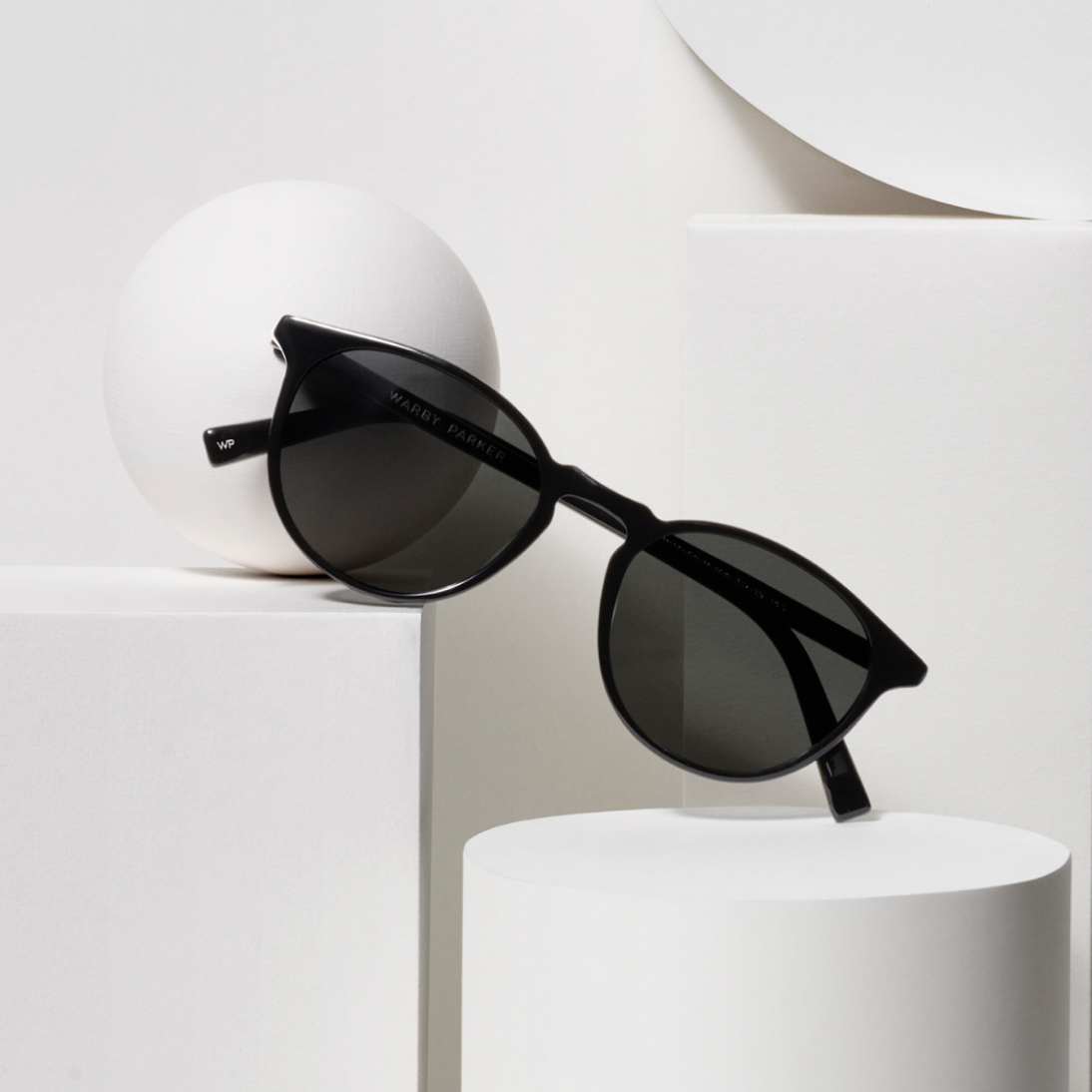
Protect those peepers
Our sunglasses provide 100% UV protection
The core difference is consistency versus adaptability. Prescription sunglasses stay tinted all the time. Photochromic lenses change appearance in response to UV exposure. That can lead to different experiences if you drive a lot, work near bright windows, or spend full days outdoors.
Both options can be made with lenses that are labeled to filter high levels of UV light. For many people, the choice comes down to convenience, how each option looks and feels in different lighting, and how they plan to use their glasses day to day.
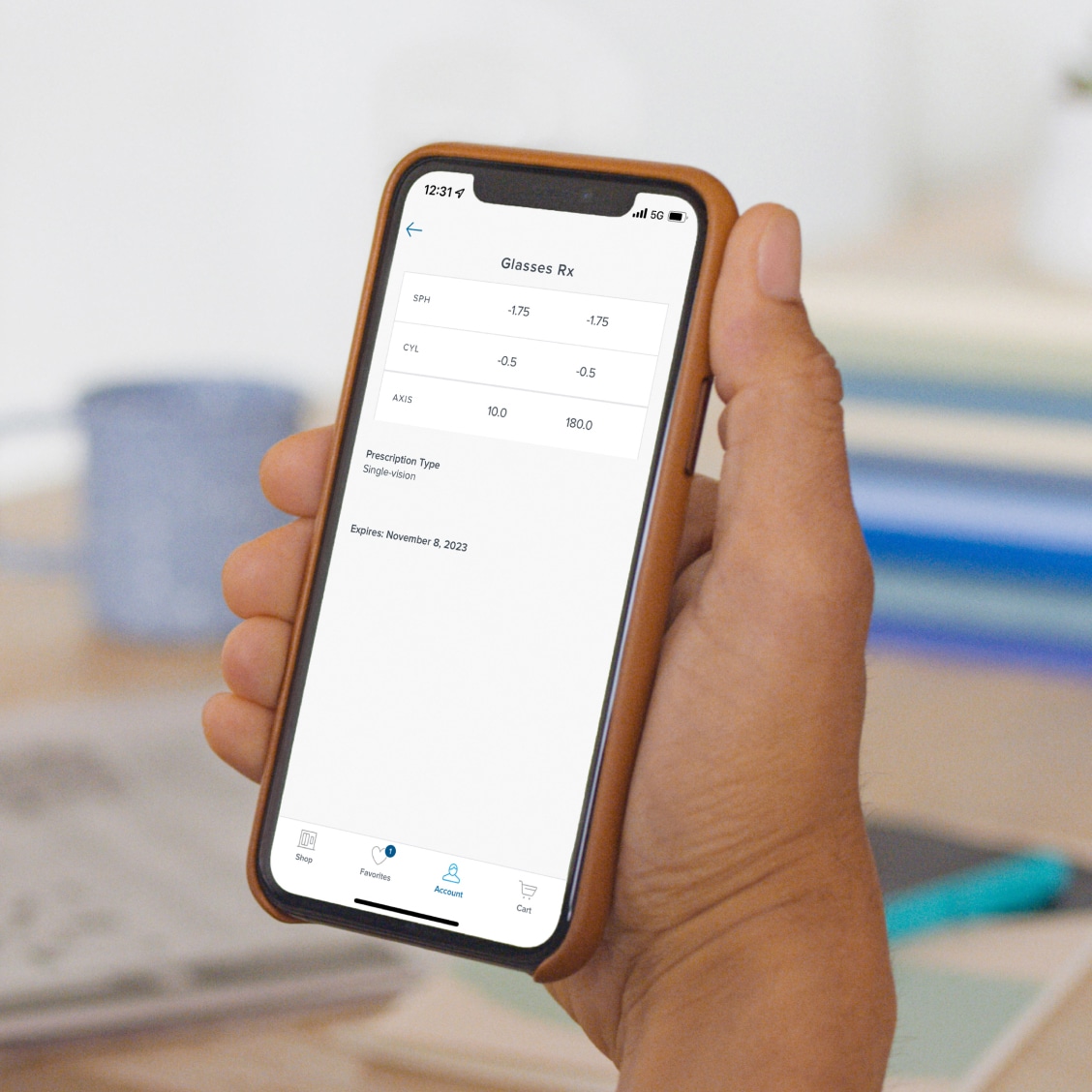
Looking for sunglasses?
See how your favorite frames look on you—instantly!
Pros and Cons: Prescription Sunglasses vs. Transitions in Daily Life
Prescription sunglasses are often preferred in bright, sustained outdoor conditions. Because the tint is always present, the lenses look dark as soon as you step outside. When available with polarized lenses, they are designed to help reduce reflected light from horizontal surfaces like roads, water, and snow, which many people find helpful for outdoor use, including driving.
On the other hand, prescription sunglasses mean carrying a second pair and switching when you move indoors. If you tend to misplace glasses or frequently move between interior and exterior spaces, that extra pair can feel like one more item to track.
Transitions-style photochromic lenses are typically worn in your primary, everyday glasses. They’re often chosen by people who move between indoors and outdoors throughout the day and prefer not to swap frames.
Some modern photochromic lenses are described as filtering 100% of UVA and UVB rays and are designed to automatically adjust their tint in response to light levels. As with any eyewear, you’ll want to review the specific product information to understand how a particular lens is described and labeled.
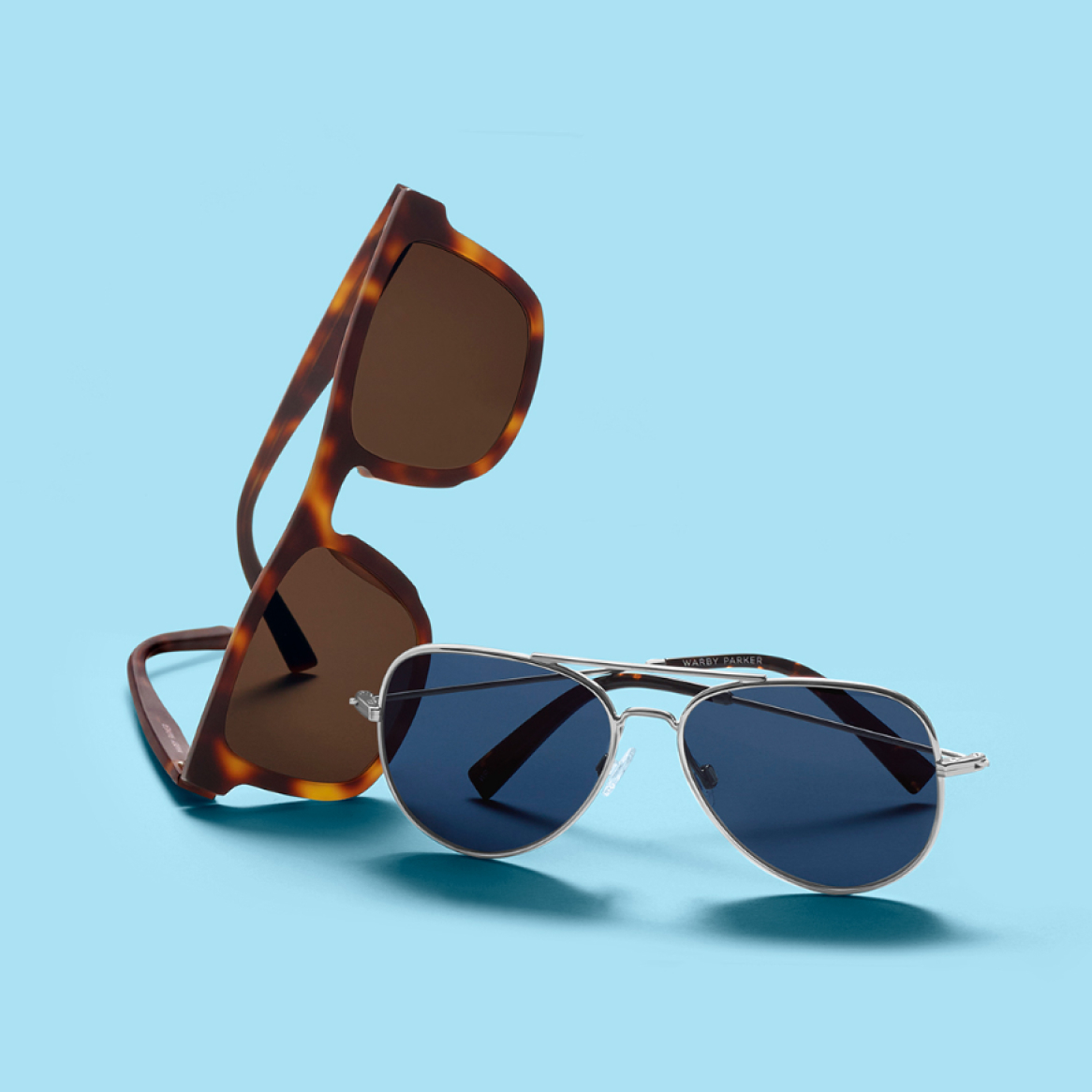
Sunglasses have come a long way
We have endless shapes and colors to choose from
However, photochromic lenses have some limitations. They take time to darken and to clear, and many do not reach their maximum tint behind a car windshield, where some UV light is already filtered. If you expect lenses to look fully dark immediately, this changeover time may not match your preferences.
Do You Need Both, or Can One Pair Do It All?
Whether you use prescription sunglasses, Transitions-style photochromic lenses, or both often depends on your lifestyle and what you value most – simplicity, flexibility, or having a dedicated pair for certain situations.
If you rarely drive, spend only short periods outdoors, and dislike juggling multiple frames, Transitions lenses in your main glasses may feel sufficient for your everyday routine.
If you drive daily, especially in bright environments, many people prefer having a dedicated pair of prescription sunglasses. Standard photochromic lenses may not fully darken behind car windshields, which can mean a different experience with brightness and reflections compared with wearing dedicated prescription sunglasses. For commuters, delivery drivers, or parents shuttling kids, having a separate, always-tinted sunglass lens may feel more consistent.
Some people decide to have both. A common setup is everyday glasses with Transitions lenses for errands, work, and school, plus a polarized prescription sunglass for extended driving, beach days, or outdoor sports. This “hybrid” approach offers added flexibility for many people and may feel most comfortable when light is harshest.
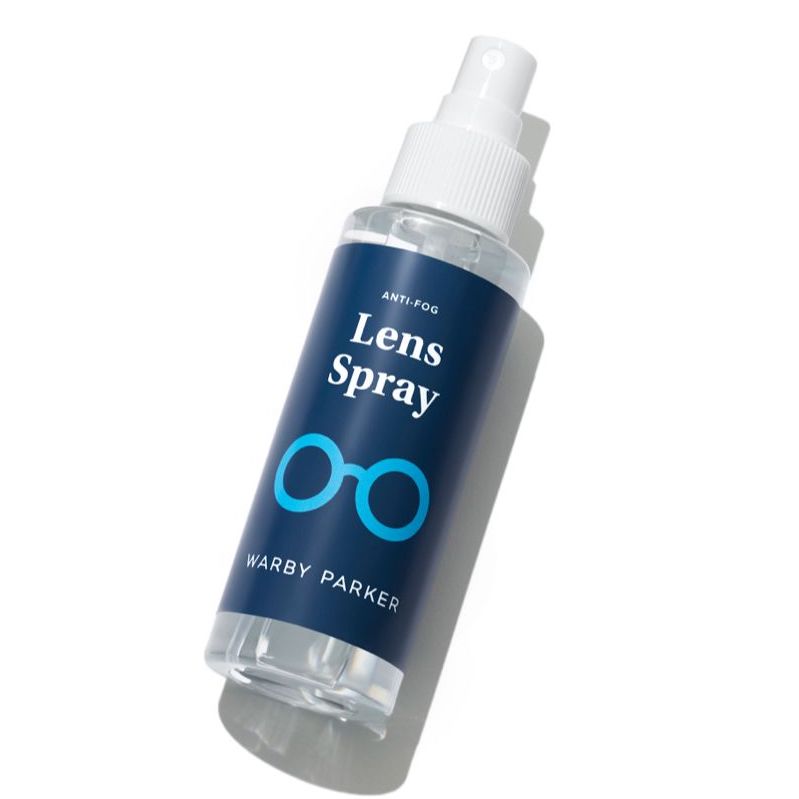
Fog Be Gone
Our Anti-Fog Lens Spray will keep your glasses steam- and smudge-free
Key Takeaways and Next Steps on Prescription Sunglasses vs. Transitions
When you compare prescription sunglasses vs. Transitions-style lenses, you’re not choosing a “right” or “wrong” option. You’re choosing what may align with how and where you wear your glasses.
Prescription sunglasses are often chosen for:
- Driving: Helpful for driving and other situations with strong reflections.
- Extended outdoor time: Useful for long stretches spent outdoors.
- Consistent tint: Preferred by people who want a consistently dark lens when outside.
Transitions/photochromic lenses are often chosen for:
- Simplicity: One primary pair of glasses for most situations.
- Frequent transitions: Ideal for moving between indoors and outdoors throughout the day.
- Less to track: Preferred by people who don’t want to keep track of multiple pairs.
A practical way to get started is to list the three ways you use your glasses most – for example, commuting, working near windows, or spending weekends outside – and share that list with your eye care provider. Ask which lens types they recommend you consider based on those scenarios.
If you’re unsure, some people start with the pair that fits their most frequent or demanding environment (such as regular driving or outdoor work), then decide later whether adding a second option would be helpful.
Sunglasses in a snap
We offer Clip-Ons—available in many sizes and colors—that fit our bestselling frames
Legal Disclaimer
MEDICAL DISCLAIMER: This content is provided for educational and informational purposes only and is not intended as medical advice, diagnosis, or treatment. This information should not be used to replace professional medical care or consultation. Individual results may vary significantly. Always consult with a qualified healthcare provider before making any decisions about your health, vision, or medical treatment. Never disregard professional medical advice or delay seeking treatment because of information you have read on this website.
VISION CARE DISCLAIMER: Vision correction needs vary by individual. Consult an eye care professional for personalized assessment and recommendations.
FDA DISCLAIMER: These statements have not been evaluated by the Food and Drug Administration. This content is not intended to diagnose, treat, cure, or prevent any disease or medical condition.
PROFESSIONAL CONSULTATION REQUIRED: Only qualified eye care professionals can provide personalized recommendations for your specific vision needs and health conditions.
This article is for informational purposes only. It is not intended to provide medical advice or substitute for professional health services. Warby Parker complies with all HIPAA regulations regarding your health information. For personal health questions or concerns related to your vision or eyewear prescriptions, please consult a qualified healthcare provider.
Need sunglasses?
Starting at $95, with free shipping.