Prescription Sunglasses for Strong Prescription: Buyer’s Guide
If you have a strong prescription, finding sunglasses that look good, feel comfortable, and actually work can be more challenging than you might want it to be. Thick and heavy lenses, limited frame options, and worries about distortion often get in the way.
This guide is designed to simplify that process. You’ll find an overview of what typically matters most when buying prescription sunglasses for a strong prescription, so you can feel more prepared when you’re comparing options.
Need (or want) new glasses or sunglasses?
Virtually try on frames from home—or visit a nearby store
We’ll walk through how to think about prescription sunglasses for strong prescription needs, focusing on practicality, day-to-day wear, and key product features, rather than technical jargon.
By the end, you’ll be familiar with common considerations around lens material, frame shape, coatings, and UV labeling – plus a few tips to avoid issues people with higher prescriptions sometimes run into.
Understanding the Basics: What “Strong Prescription” Means for Sunglasses
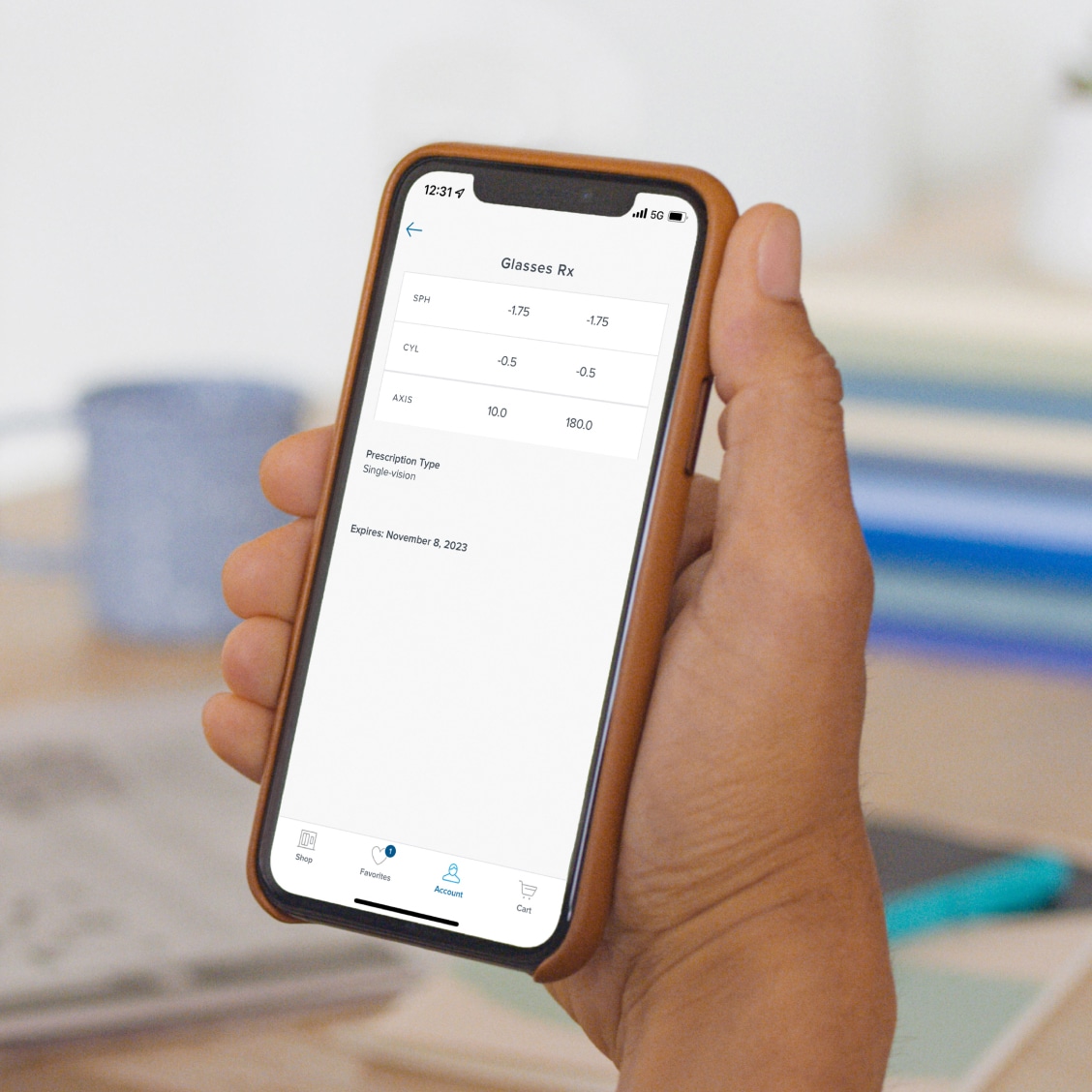
When your prescription is strong – whether for nearsightedness, farsightedness, or astigmatism – it usually means thicker, heavier lenses. That can influence how your sunglasses look, how they sit on your face, and even how wide your field of view feels through the lenses. Recognizing these factors can help you choose frames and lenses that work with your prescription.
For many high-prescription wearers, lens thickness at the edges (for minus lenses) or at the center (for plus lenses) is a main concern. High-index materials may offer thinner, lighter lenses than some standard plastics, which can change how the lenses look and feel. Many people consider a balance among appearance, weight, and lens characteristics when making a choice.
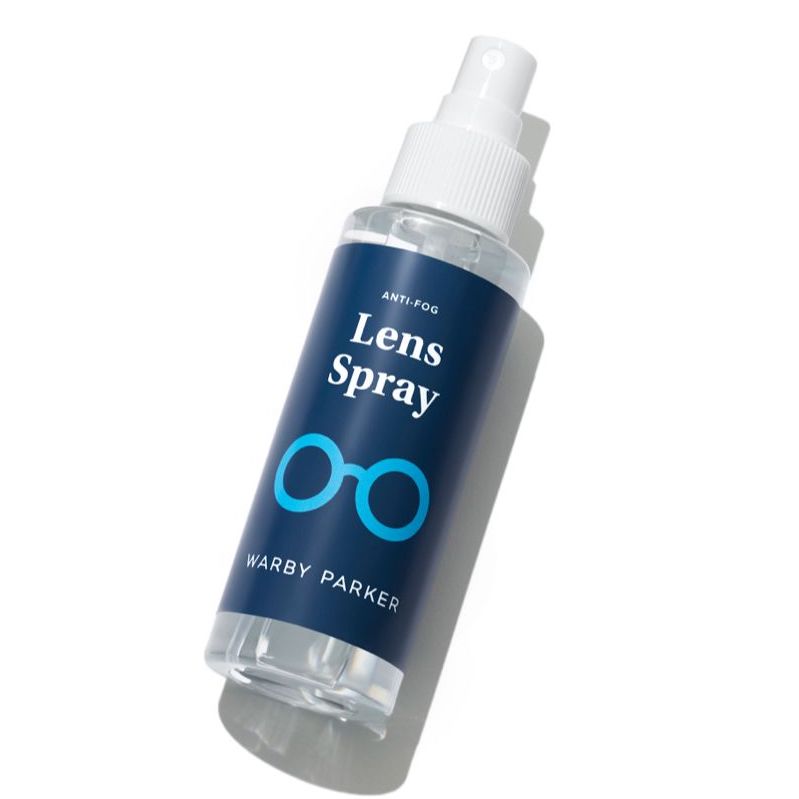
Clean your sunglasses on the go
Meet our travel-size lens cleaning kit—complete with anti-fog spray, a cleaning cloth, and a handy pouch-and-cloth combo.
Choosing the Right Lenses for High-Power Sunwear
The lenses are a key element of any pair of prescription sunglasses for a strong prescription. A few of the factors you may want to think about are material, index, tint, and glare control.
Start with material. Polycarbonate and similar materials may offer relatively thin, light lenses and often include UV-filtering properties, while some high-index plastics can reduce lens thickness further compared to many standard plastic options. The right choice can depend on how sensitive you are to lens weight, how you typically use your sunglasses, and guidance from your eye-care professional.
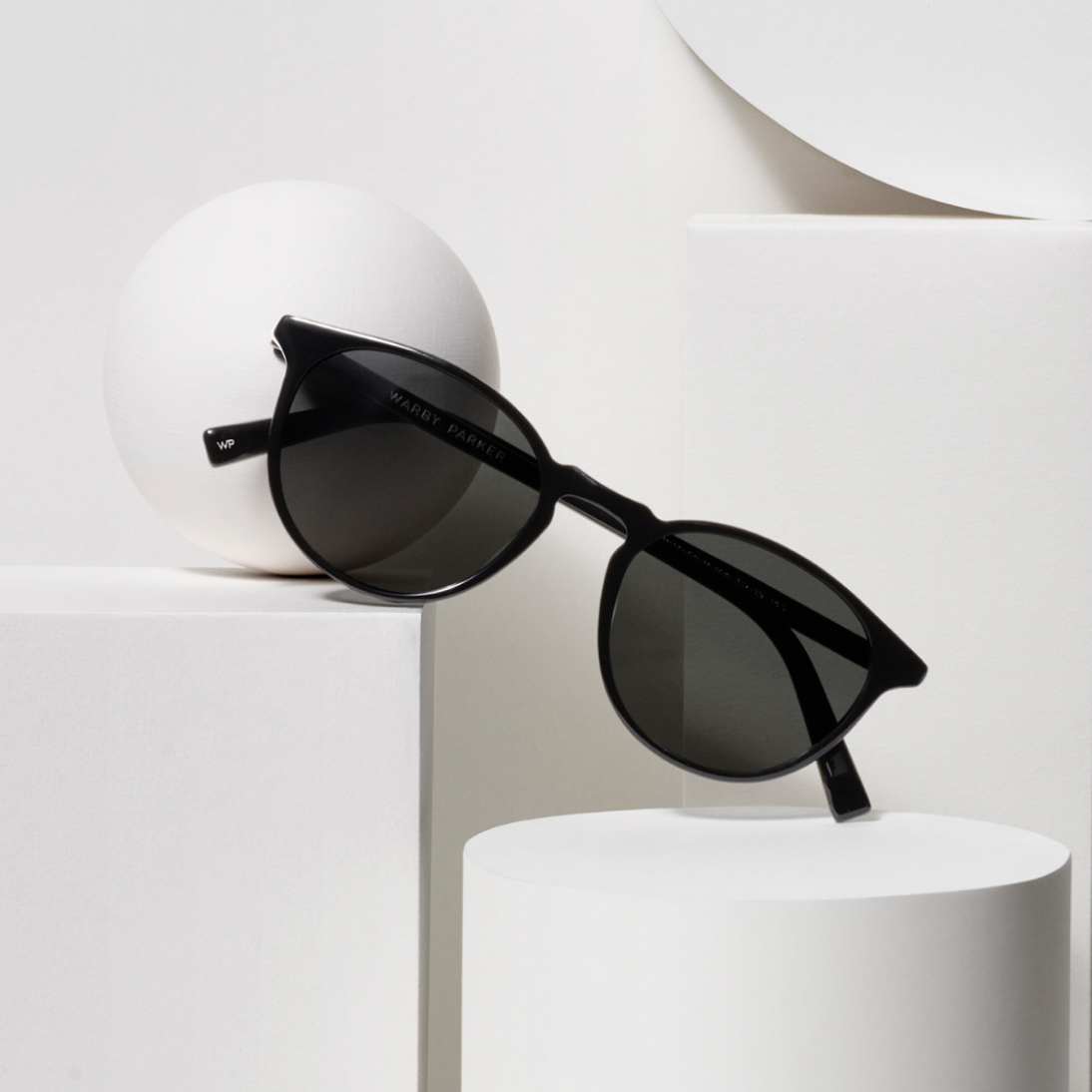
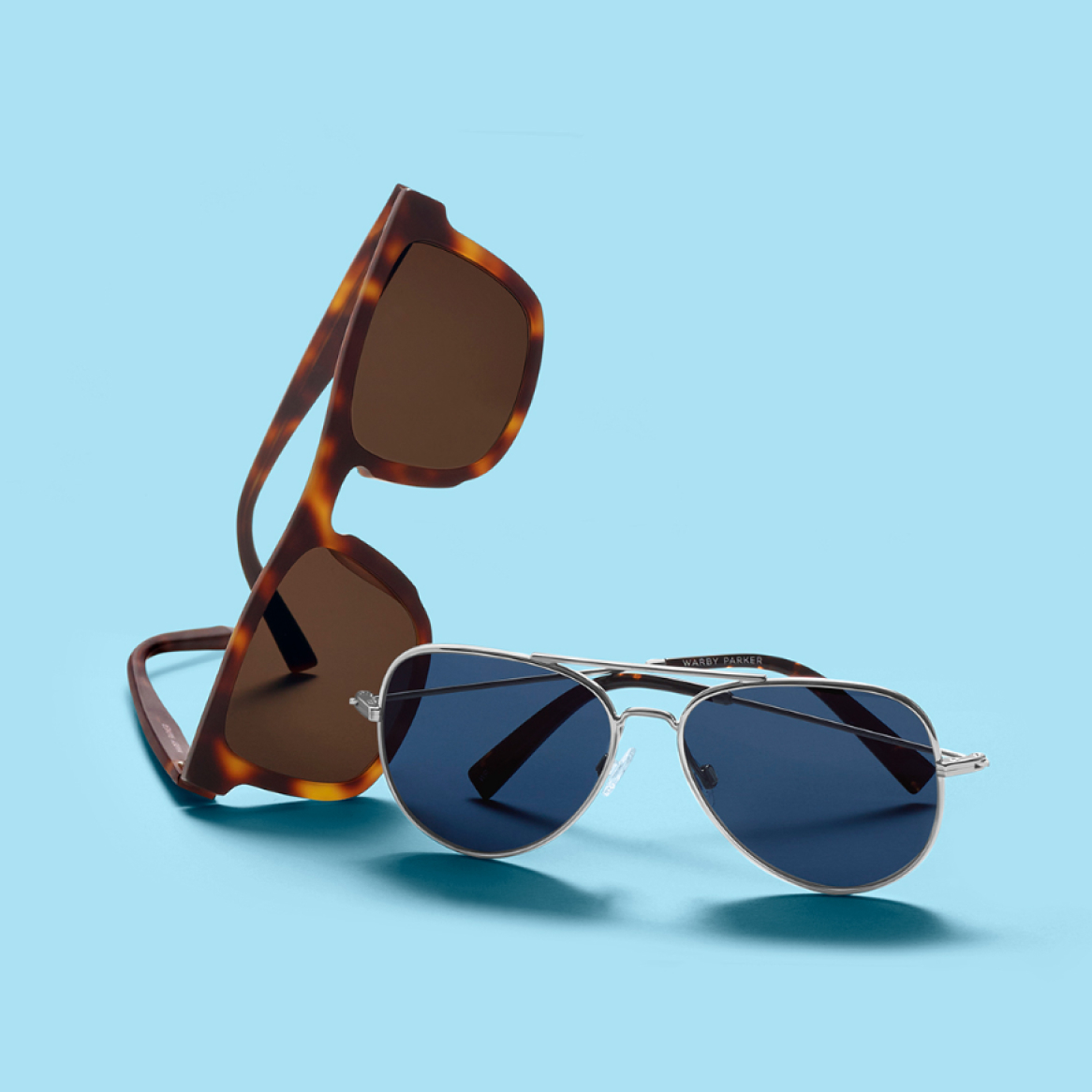
Sunglasses have come a long way
We have endless shapes and colors to choose from
Next, consider tint and glare control. While darker lenses may feel more comfortable to some people, lens darkness alone does not indicate how much UV light a lens filters. Polarized lenses are often used to reduce the appearance of glare from surfaces like water, roads, or snow, and some people prefer them for driving or outdoor activities.
- Material: Polycarbonate or other impact-resistant options are often chosen for durability and light weight.
- Index: High-index choices can allow for thinner-looking lenses in strong prescriptions.
- Tint: Neutral greys or browns are commonly selected by people who prefer more natural-looking color perception; gradient tints are sometimes chosen for activities like driving.
- Glare control: Polarization is often used to help reduce the appearance of reflective glare; it does not replace UV-filtering features.
Finally, consider lens coatings. An anti-reflective coating on the back surface may help cut down on distracting reflections from behind you. Scratch-resistant coatings can help protect lenses in everyday use, especially when lens edges are more exposed in higher prescriptions.
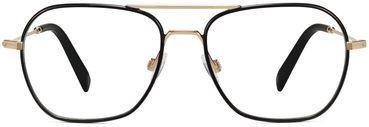
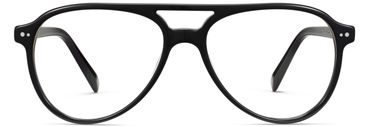
Abe
Brushed Ink with Polished Gold
Shop Abe
Frame Shapes, Fit, and Style for Strong-Prescription Sunglasses
Frame selection can have a big impact on how prescription sunglasses for a strong prescription look and feel. In general, smaller, more rounded frames are often chosen for higher prescriptions because they can limit lens edge thickness and may be less likely to highlight lens edges.
Wrap or larger styles may still be an option, depending on your prescription and the way the frame is designed. They can also offer more coverage around the eyes. This is a general sunglasses consideration and may be relevant when you’re deciding among different frame shapes.
Fit is another key factor, particularly when lenses are heavier. Many people look for frames with stable nose pads, well-balanced temples, and materials that sit securely without slipping. Adjustability can also be useful when lens weight increases, because even small shifts can change how you look through the lenses.
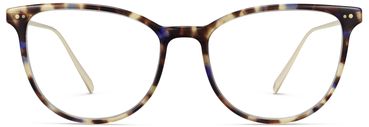
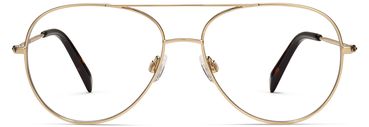
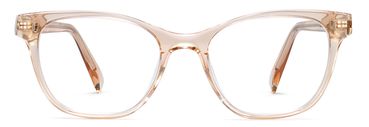
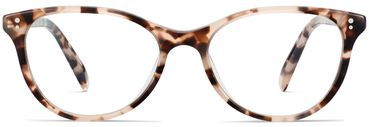
Maren
Violet Magnolia with Polished Gold
Shop Maren
Final Thoughts on Prescription Sunglasses for Strong Prescriptions
When you break it down, choosing prescription sunglasses for strong prescription needs often comes down to three main considerations: UV-related labeling, lens choices, and frame design.
Consider lens materials and tints that fit your routines – whether that’s commuting, driving, or spending time outdoors, and pair them with frames that align with your preferences around coverage, weight, and style.
Your next step may be to discuss these options with your eye-care professional or eyewear provider, including how and where you plan to use your sunglasses most. That conversation can help you think through choices around material, index, tint, and frame shape in the context of your individual prescription.
If you’re comparing products online, you can use this guide as a general checklist – looking at UV-related descriptions, lens materials, and frame designs that are commonly selected for higher prescriptions – and then bring a shortlist of options to your optometrist or optician for additional input.
Looking for sunglasses?
See how your favorite frames look on you—instantly!
Legal Disclaimer
MEDICAL DISCLAIMER: This content is provided for educational and informational purposes only and is not intended as medical advice, diagnosis, or treatment. This information should not be used to replace professional medical care or consultation. Individual results may vary significantly. Always consult with a qualified healthcare provider before making any decisions about your health, vision, or medical treatment. Never disregard professional medical advice or delay seeking treatment because of information you have read on this website.
VISION CARE DISCLAIMER: Vision correction needs vary by individual. Consult an eye care professional for personalized assessment and recommendations.
FDA DISCLAIMER: These statements have not been evaluated by the Food and Drug Administration. This content is not intended to diagnose, treat, cure, or prevent any disease or medical condition.
PROFESSIONAL CONSULTATION REQUIRED: Only qualified eye care professionals can provide personalized recommendations for your specific vision needs and health conditions.
This article is for informational purposes only. It is not intended to provide medical advice or substitute for professional health services. Warby Parker complies with all HIPAA regulations regarding your health information. For personal health questions or concerns related to your vision or eyewear prescriptions, please consult a qualified healthcare provider.
Can I get prescription sunglasses with a very strong prescription?
In many cases, yes. Many optical labs can make prescription sunglasses for strong prescription needs. Depending on your exact prescription, frame choices and lens materials may be more limited than for lower powers, so it can be helpful to review options with your eye-care professional.
What lenses are commonly used for strong-prescription sunglasses?
High-index lenses are often selected because they can offer a thinner profile and lighter feel compared to many standard plastic lenses, and they are frequently available with UV-filtering features. Your optometrist or optician can discuss which lens options are available for your prescription.
Do I need sunglasses that are described as filtering 99-100% of UV?
Many people look for sunglasses labeled as blocking 99-100% of UVA and UVB rays or offering UV400 protection. Lens darkness alone does not indicate UV protection, so checking the product label or description is important. If you’re unsure, ask your eye-care professional or eyewear provider to confirm the UV-filtering specifications.
Are polarized lenses a good option for a strong prescription?
Polarized lenses are often chosen by people who frequently drive or spend time near water or snow, because they are designed to reduce the appearance of glare from reflective surfaces. If you’re interested in polarized lenses with a stronger prescription, your eye-care professional can help you review available options.
What frame shapes are often chosen with thicker lenses?
Smaller, round, or oval frames are commonly selected for higher prescriptions because they can help limit visible edge thickness. Deeper or thicker frame styles can also help cover more of the lens edge. Your provider can help you see how different frame shapes interact with your particular prescription.
Need Glasses?
Shop prescription glasses starting at $95