Prescription Sunglasses for Commuting: Everyday Travel Guide
Rush-hour sun is unforgiving. It bounces off windshields, glass towers, and wet roads – right into your eyes – exactly when visibility matters most.
This article is designed to help you understand features to consider in prescription sunglasses for your daily commute, whether you drive, cycle, or walk.
With so many styles and lens options available, understanding what matters in prescription sunglasses for commuting can help you feel more prepared for your everyday trip.
You’ll learn how to think about tint choices for driving, why UV labeling and polarization are commonly discussed, what frame features can feel practical from car to sidewalk, and how to match lens options to the general conditions of your commute.
Glare beware
Get polarized lenses with your prescription sunglasses
Why Prescription Sunglasses Matter for Everyday Commuters
Many adults rely on clear vision when they’re on the road. A recent report notes that 62% of U.S. adults rely on prescription lenses for more than just reading. If you already use prescription glasses, some people find that wearing non‑prescription sunglasses over or instead of their regular glasses may feel less convenient or visually consistent.
Prescription sunglasses can incorporate your prescription with lenses that are designed to manage brightness and glare. This approach can offer a more consistent visual experience during your route compared with switching between different pairs of glasses.
UV exposure is another everyday factor. Because commuting happens in many different types of weather, some people look for sunglasses labeled as filtering 99-100% of UVA and UVB. This is one way manufacturers describe the UV coverage their lenses are designed to provide.
Finally, there’s the transition from car or train to sidewalk. Some commuters prefer frames and lenses that feel comfortable in bright midday conditions and when moving into shade, a parking garage, or an office lobby.
Bright out?
Sunny days have met their match
Lens Choices: Tint, Polarization, and UV for Commuting
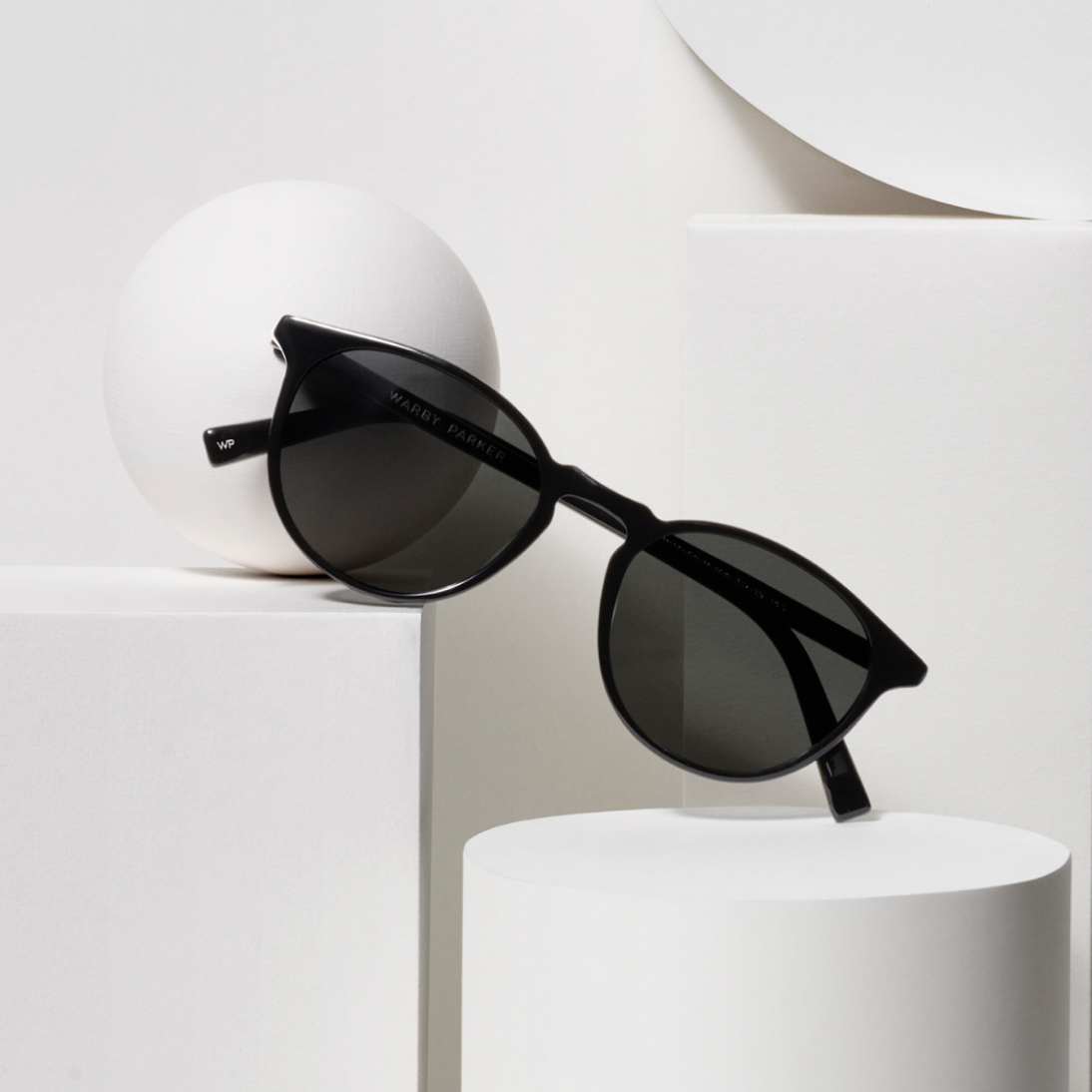
Lens color is not just a fashion detail. For many commuters, a neutral gray or gray‑green tint is a commonly used, versatile option that maintains overall color balance while reducing brightness.
Polarized lenses are designed to filter light that is reflected in a particular way from flat surfaces such as roads, water, and metal. Many people find polarized lenses comfortable in bright, reflective conditions and choose them for activities like daytime driving, walking, or cycling.
Remember that lens darkness does not necessarily indicate how much UV coverage a lens offers. You can review the product information that comes with your sunglasses or ask an eye care provider if you have questions about how a particular pair of sunglasses is described.
Sunglasses have come a long way
We have endless shapes and colors to choose from
Frames and Features that Work from Car to Sidewalk
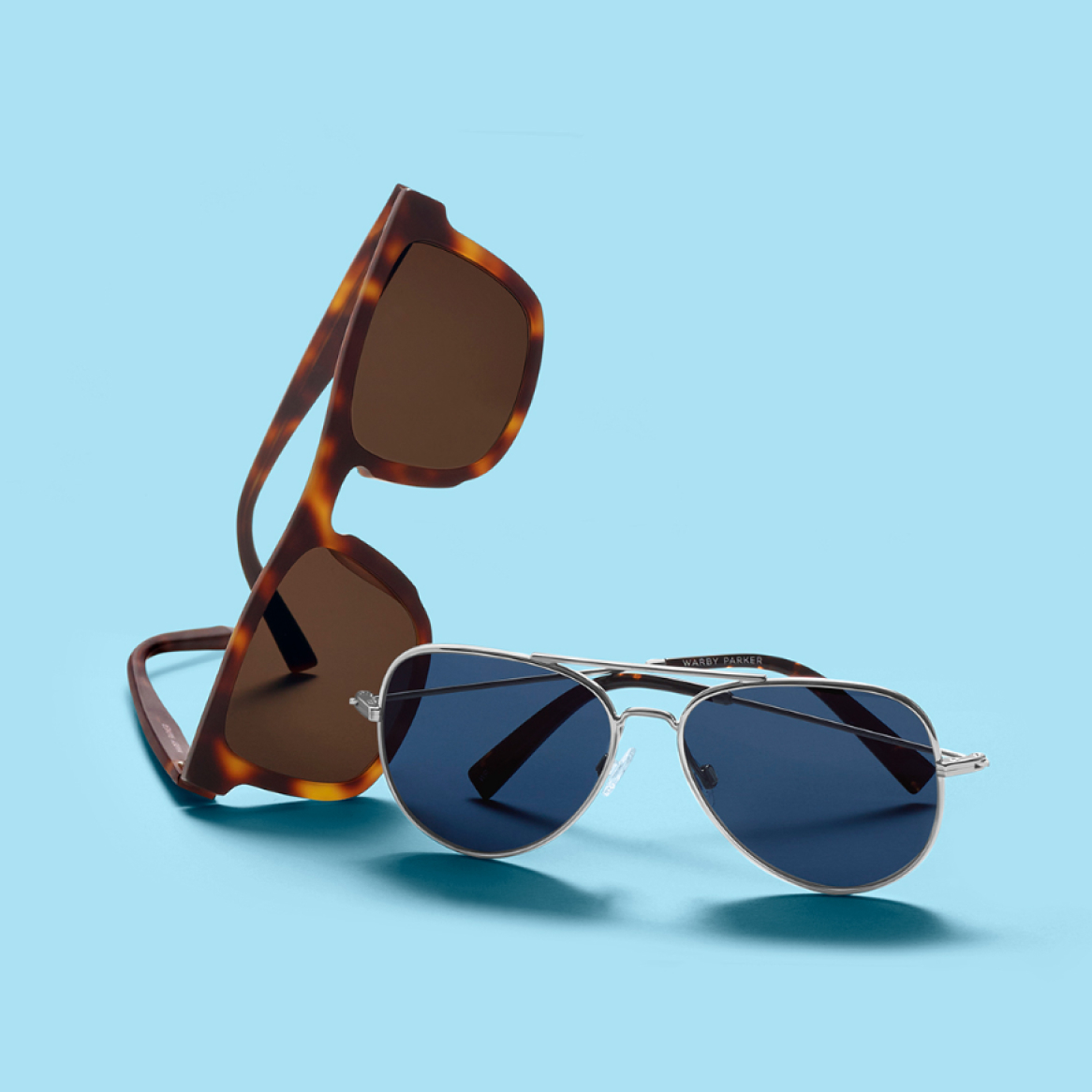
Frame design can influence whether you reach for a pair only while driving or also wear it as you move through the rest of your day. For commuting, some people prefer a comfortable, medium‑coverage shape that helps shield the eyes from side light while still feeling lightweight.
Lightweight materials such as thinner acetates or modern metal alloys can help glasses feel comfortable during longer wear and while you move around during the day. Adjustable nose pads and well‑fitting temples can help keep the frame stable as you change direction, look around, or use stairs.
Some people also consider add‑ons like reflection resistant coatings on the back surface of the lenses, which are designed to reduce certain reflections from behind you. For cyclists and pedestrians, impact‑resistant lenses and slightly wrapped frames may offer additional coverage from wind and airborne particles.
Need a new pair?
Shop our latest sun shapes and colors
Key Takeaways and Next Steps on Prescription Sunglasses for Commuting
Some commuters look for three main features in prescription sunglasses for everyday travel: lenses that incorporate their prescription, lenses described as providing UV coverage, and options for managing brightness and glare, such as tint choice or polarization. Neutral gray tints, UV‑coverage labeling, and optional polarization are commonly selected by people who want sunglasses they can use across a range of outdoor lighting conditions.
If it has been a while since your last eye exam, you can schedule a visit with an eye care professional to review your current prescription. You can also discuss how you typically commute – driving, cycling, or walking – so they can talk through lens and frame options that may work well for your routine.
If you’ve tried different setups or have questions about choosing between tints and lens features, writing down what you liked or didn’t like about previous pairs and sharing that with an eye care professional can be a helpful way to narrow down your options.
Looking for sunglasses?
See how your favorite frames look on you—instantly!
Legal Disclaimer
MEDICAL DISCLAIMER: This content is provided for educational and informational purposes only and is not intended as medical advice, diagnosis, or treatment. This information should not be used to replace professional medical care or consultation. Individual results may vary significantly. Always consult with a qualified healthcare provider before making any decisions about your health, vision, or medical treatment. Never disregard professional medical advice or delay seeking treatment because of information you have read on this website.
VISION CARE DISCLAIMER: Vision correction needs vary by individual. Consult an eye care professional for personalized assessment and recommendations.
FDA DISCLAIMER: These statements have not been evaluated by the Food and Drug Administration. This content is not intended to diagnose, treat, cure, or prevent any disease or medical condition.
PROFESSIONAL CONSULTATION REQUIRED: Only qualified eye care professionals can provide personalized recommendations for your specific vision needs and health conditions.
This article is for informational purposes only. It is not intended to provide medical advice or substitute for professional health services. Warby Parker complies with all HIPAA regulations regarding your health information. For personal health questions or concerns related to your vision or eyewear prescriptions, please consult a qualified healthcare provider.
Are prescription sunglasses worth it if I already own regular glasses?
Many people find prescription sunglasses helpful because they combine prescription lenses with sunglass features in a single pair. This can be appealing if you prefer not to switch between regular glasses and non‑prescription sunglasses.
What tint is commonly used for driving with prescription sunglasses?
Many drivers choose a neutral gray or gray‑green tint because these options are often described as reducing overall brightness while maintaining a more natural color balance, which can be helpful for viewing traffic lights and signs.
Do I need polarized lenses for commuting?
Whether to choose polarized lenses is a personal preference. Some commuters prefer polarized lenses if they frequently encounter strong reflections from roads, water, or glass. Many people describe polarized lenses as comfortable in bright, reflective daytime conditions.
Can I use prescription sunglasses for commuting on cloudy days?
UV rays can penetrate clouds, so some people choose sunglasses with labeled UV coverage even on overcast days. The level of tint and features you select will depend on your comfort and preferences.
Are prescription sunglasses for commuting too dark for walking into buildings?
This depends on the specific tint and on individual preference. With a medium rather than very dark tint, many people feel comfortable moving between bright and shaded areas.
Need sunglasses?
Starting at $95, with free shipping.