There is no doubt that modern work environments can put stress on both your eyes and your eyewear. Frames can feel heavy or slip during meetings, or your lenses may not match your typical viewing distance, which can make long days in front of a screen feel more tiring.
This guide walks through considerations for choosing glasses for office work, such as lens type, coatings, fit, and work-from-home realities so you can shop more confidently.
We will cover what many people look for in office glasses and how those features relate to screen distance and daily routines.
How Office Work Relates to Your Eyes (and Why Your Glasses Play a Role)
Modern office jobs often involve hours of focused screen time, sometimes with few real breaks. That constant near and mid-range focus can raise the risk of tired, dry, or burning eyes, headaches, and blurred vision.
For many people, a single all-purpose prescription designed for driving, walking, and reading may not be ideal for the 18-30 inches between the eyes and a monitor. That difference can lead people to change their head or body position, such as leaning forward or tipping the chin to find a clearer area in the lens.
Glasses for office work are often designed with this mid-range distance in mind. That might mean lenses prescribed specifically for computer use, office progressives that include a wider intermediate zone, or readers selected for a particular screen distance.
Eyewear that fits well can also make it easier to keep your head in a more neutral position. When you can see your screen more clearly without needing to adjust your head as much, it may be easier to maintain your usual posture.
Choosing the Right Lenses in Glasses for Office Work
It is important to start with current vision information from an eye exam. If you have not had a comprehensive eye exam within the last year or two, consider booking one before shopping. You can share how many hours you spend at a computer and your usual viewing distance, measured from your eyes to your primary screen.
For single-vision wearers, an eye doctor may prescribe lenses that are intended for a specific working distance, such as your main computer setup. Multifocal wearers may be prescribed lenses that prioritize mid-range and near vision for certain tasks.
- Reflection resistant coating: Designed to minimize reflections from overhead lights and screens, which can make it easier to see your screens and surroundings.
- Blue-light-filter options: Evidence for eye-health protection is limited, and blue light from screens is only one part of overall light exposure. Some people prefer the appearance of lenses with a subtle blue-light filter, particularly later in the day.
- Lightweight materials: High-index lenses and many thin, durable plastics can reduce the overall weight of your glasses, which may be helpful if you wear them for many hours.
Lens design is one part of a broader approach to more comfortable screen use. Other habits, like keeping screens at a comfortable distance, taking regular breaks, and blinking, are often important too.
Frame Style, Fit, and Features for Office-Ready Glasses
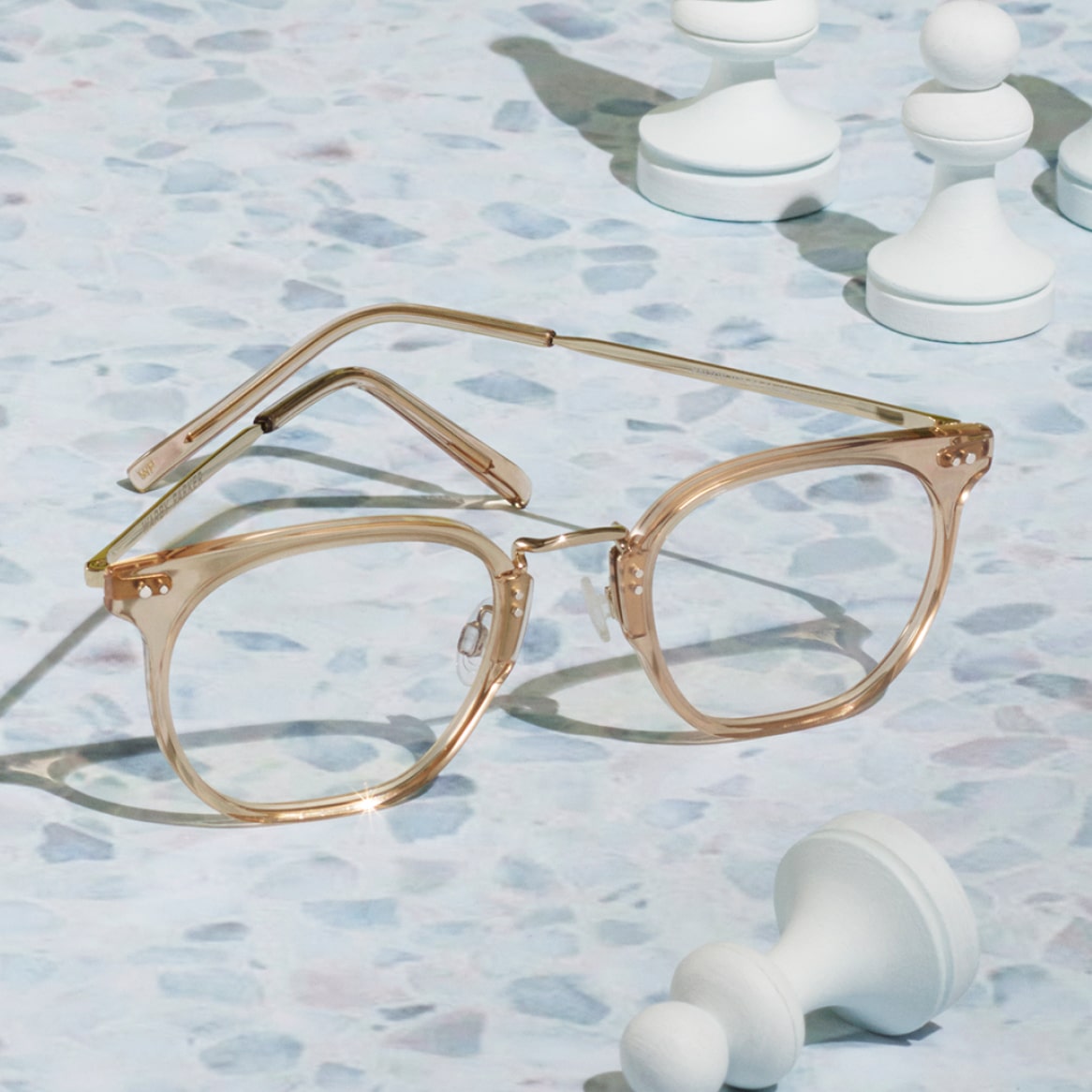
After you have considered lenses, frame choice can also play a role in how you feel throughout the day. Many people who work at a desk look for lightweight materials like acetate, titanium, or thin stainless steel.
Fit matters as much as design. Frames that are too wide can slip; frames that are too narrow can pinch behind the ears. Aim for nose pads or bridges that sit evenly without leaving deep red marks, and temples that follow the contour of your head without squeezing.
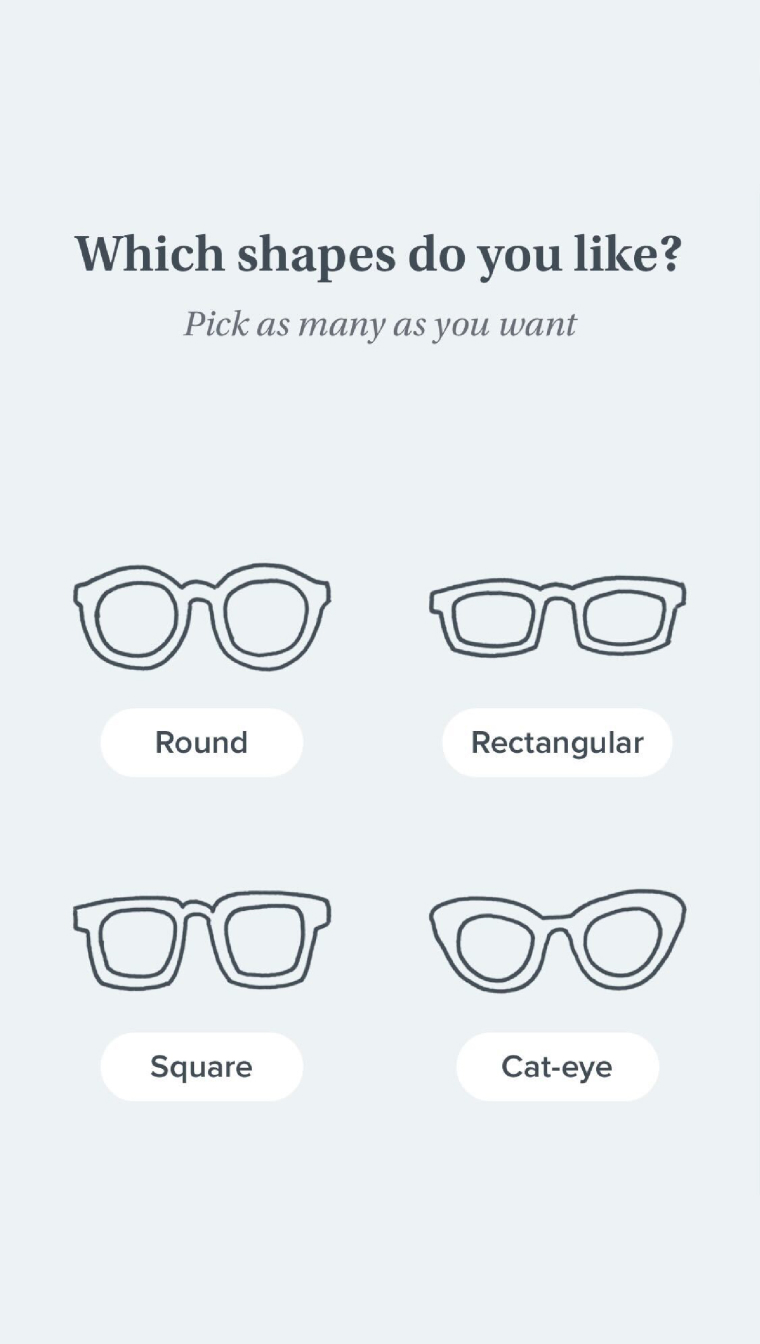
For open-plan offices, some people prefer subtle, low-glare finishes and classic shapes (browlines, rectangles, or soft rounds) that feel polished on camera and in person. In more casual or creative settings, bolder colors or thicker silhouettes can still function as everyday work tools.
Final Thoughts on Glasses for Office Work
Glasses for office work can be part of your everyday setup, along with your chair, desk, and screen arrangement. Many people focus on a combination of lens design, coatings, and frame fit that aligns with how and where they work.
As a next step, you might schedule an eye exam, measure your main screen distance, and make a short checklist of preferred features such as anti-reflective coating or specific frame materials before you browse.
From there, consider a few frame styles that match your office dress code and personality, and try different fits when possible. You may find a pair that feels comfortable enough that you do not think much about your glasses during the day.
Frequently Asked Questions
What type of glasses are often used for office work?
Many people who spend a lot of time at a desk prefer glasses that are designed for mid-range (computer) distance and include features like reflection resistant coating. Depending on your needs, an eye doctor may recommend single-vision lenses for your main working distance or multifocal designs that include an intermediate zone.
Do I really need different glasses for office work?
Not everyone chooses dedicated office glasses. If you spend several hours a day on screens and have questions about how your current glasses are working at that distance, you can discuss office or computer-focused lens options with your eye doctor.
Are blue-light-filter lenses important for office workers?
Blue-light-filter lenses are not considered essential for everyone, and research on eye-health protection is still evolving. Some people prefer how these lenses look, especially when they are using screens later in the day.
How can I support more comfortable screen use at my desk besides changing glasses?
Many people follow general tips such as the 20-20-20 rule, blinking often, keeping screens at a comfortable distance and slightly below eye level, and adjusting room lighting to reduce reflections on the screen.
How far should my computer be when I use my glasses at work?
Many people are comfortable with their monitor about an arm’s length away, though the exact distance varies. It can be helpful to measure your typical setup and share that distance with your eye doctor when discussing lens options.
Can I use reading glasses as my office glasses?
Some people use reading glasses at their desks, particularly for closer tasks. However, off-the-shelf readers are often designed for shorter distances, like books or phones. If you spend a lot of time working at a monitor, ask your eye doctor whether lenses set for your main screen distance may be useful.
Legal Disclaimers
MEDICAL DISCLAIMER
This content is provided for educational and informational purposes only and is not intended as medical advice, diagnosis, or treatment. This information should not be used to replace professional medical care or consultation. Individual results may vary significantly. Always consult with a qualified healthcare provider before making any decisions about your health, vision, or medical treatment. Never disregard professional medical advice or delay seeking treatment because of information you have read on this website.
VISION CARE DISCLAIMER
Vision correction needs vary by individual. Consult an eye care professional for personalized assessment and recommendations.
FDA DISCLAIMER
These statements have not been evaluated by the Food and Drug Administration. This content is not intended to diagnose, treat, cure, or prevent any disease or medical condition.
PROFESSIONAL CONSULTATION REQUIRED
Only qualified eye care professionals can provide personalized recommendations for your specific vision needs and health conditions.
This article is for informational purposes only. It is not intended to provide medical advice or substitute for professional health services. Warby Parker complies with all HIPAA regulations regarding your health information. For personal health questions or concerns related to your vision or eyewear prescriptions, please consult a qualified healthcare provider.