Low Bridge Fit Prescription Sunglasses: A Guide to Frame Fit
The last thing you want while navigating your day are glasses that flip and slide around as if they have a mind of their own. For anyone with a lower or flatter nose bridge, standard sunglasses can feel as though they never quite sit where you expect them to.
This article explains why that can happen and how low bridge fit prescription sunglasses are designed to address these fit challenges. Instead of “making do” with constant adjustments, you can look for frames that are designed with certain facial features in mind.
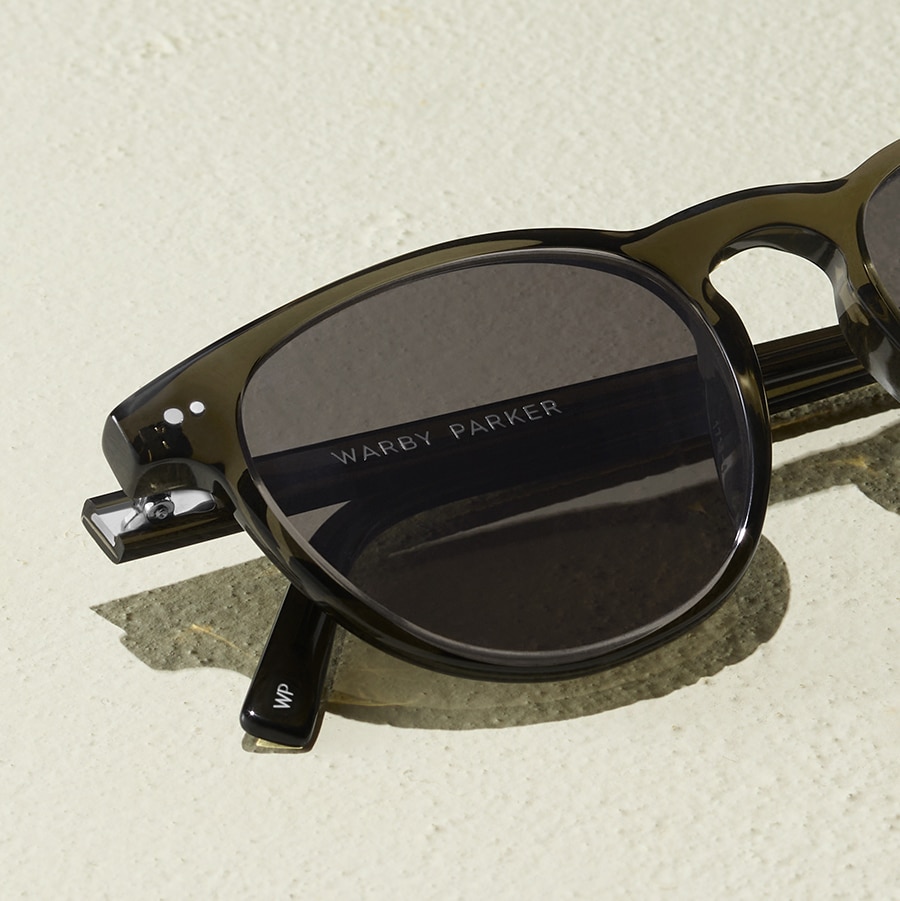
Bright out?
Sunny days have met their match
Low bridge fit prescription sunglasses are generally designed for people who notice that their glasses tend to slide, pinch, or sit too low because the bridge and nose pads don’t match their facial structure. Understanding how bridge fit works can help you consider fit along with style when you shop.
We’ll walk through what “low bridge fit” really means, common signs it might be a useful option for you to explore, key design features to look for, and practical tips for choosing a pair that feels comfortable to wear.
What Does Low-Bridge Fit Really Mean?
Low-bridge fit refers to sunglasses engineered for noses that are lower, flatter, or have a softer bridge. On these faces, standard bridges often leave a gap, letting the frame slide down until it rests on the cheeks.
Some eyewear resources describe frame designs that sit higher and more securely on a low or flat bridge by using modified bridge shapes and repositioned pads intended to help keep lenses in place. These adjustments focus on the structure of the frame rather than just its appearance.
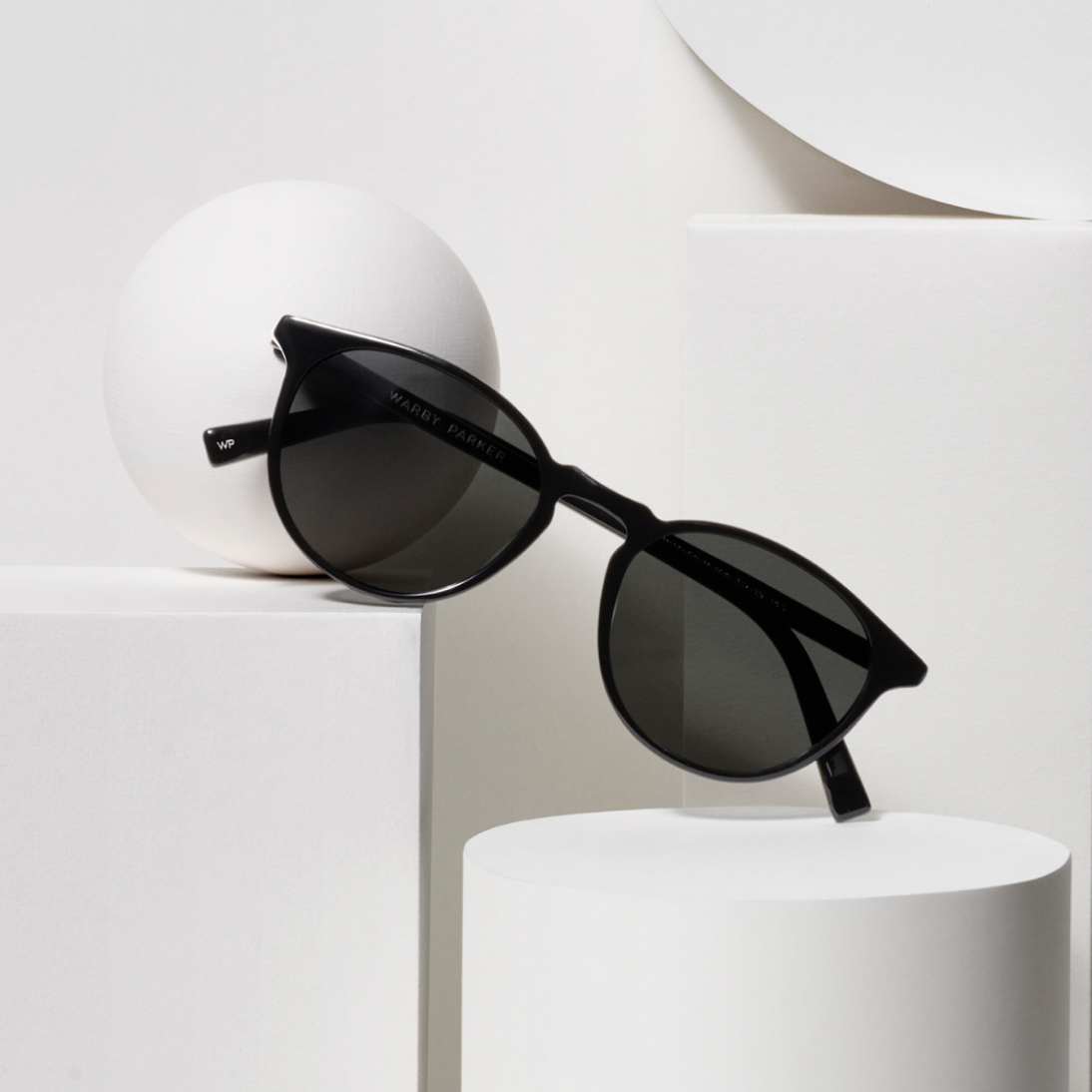
Need sunglasses?
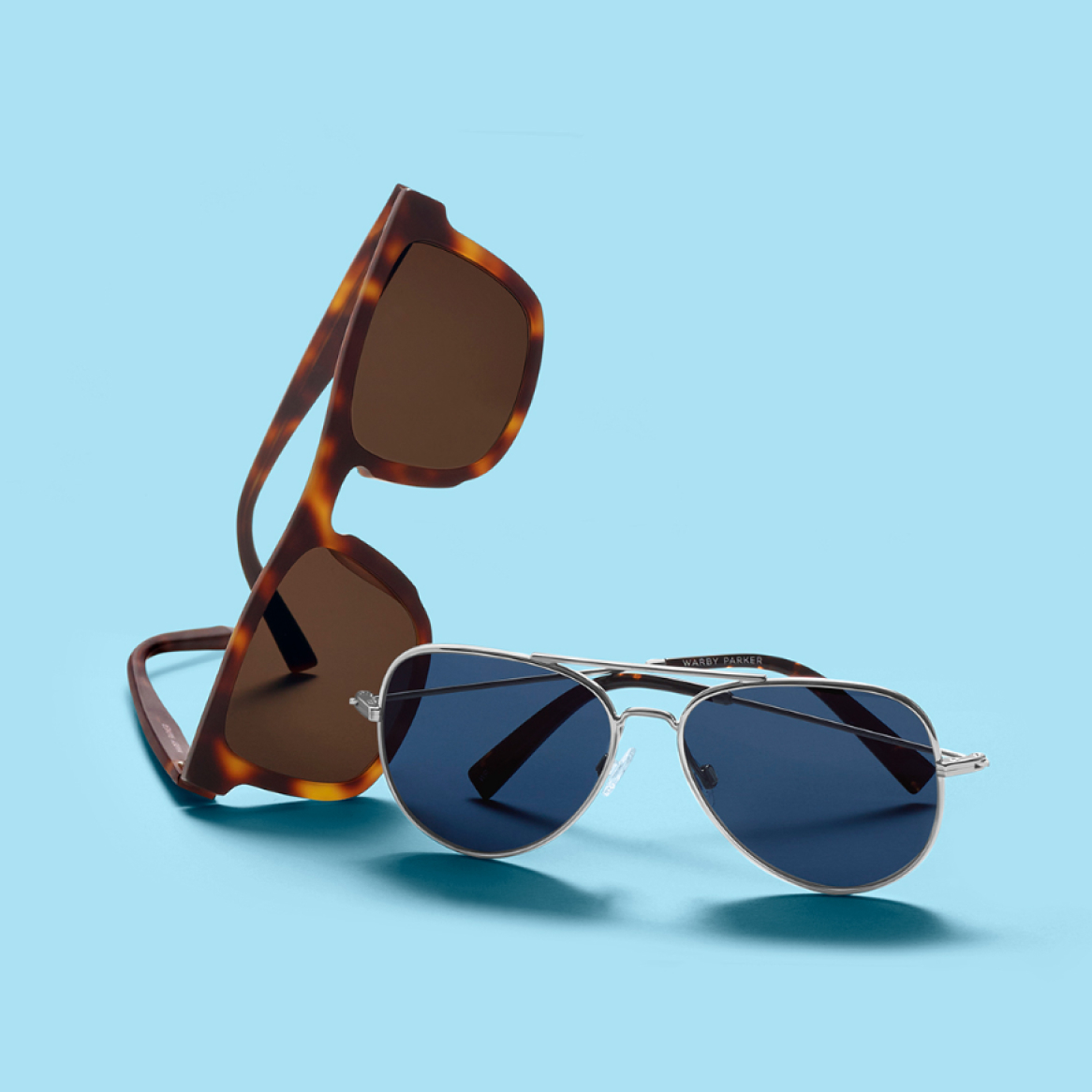
Protect those peepers from the sun’s harmful rays with 100% UV-blocking sunglasses
Many professional guides to eyeglass fit and frame selection explain that frame fit is closely related to how the bridge and pads rest on your nose. In general, properly fitted frames are described as feeling secure without excessive pressure and positioning lenses in a way that works with your prescription.
Put simply, low bridge fit prescription sunglasses adjust details like bridge height, nose-pad size and contour, and frame angle for certain facial shapes. The goal is a frame that is intended to sit more comfortably and help the lenses stay in a consistent position on your face.
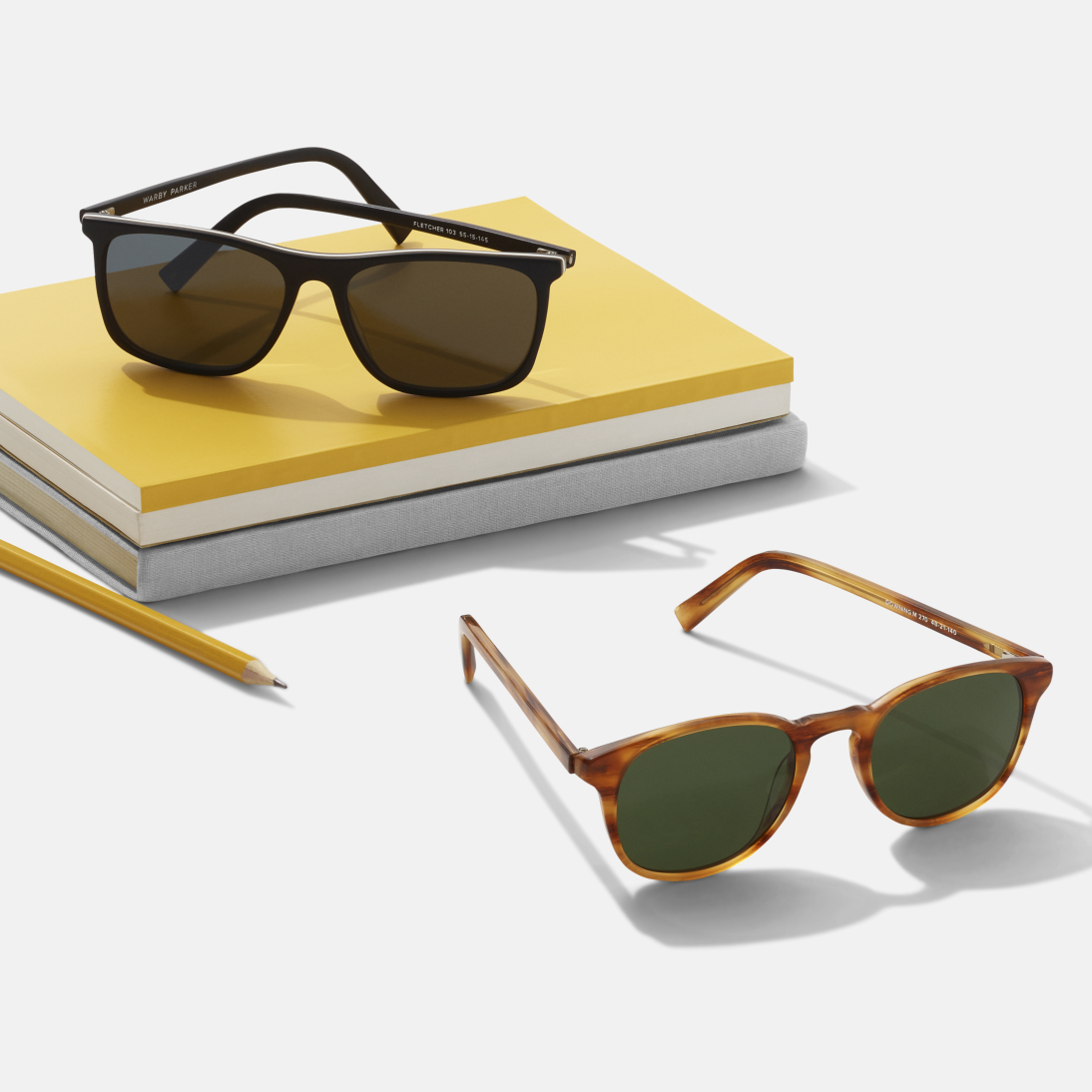
Sunglasses have come a long way
We have endless shapes and colors to choose from
Signs You May Want to Consider Low Bridge Fit Prescription Sunglasses
How do you know if low-bridge fit is something to explore? Start by thinking about the fit issues you notice most. If you’ve always felt that sunglasses “just don’t fit right,” there may be a pattern.
Consumer eyewear guides point out that standard-fit glasses can slide down a low nose bridge and cause pinching or other irritation when the bridge doesn’t match your anatomy. When prescription lenses are added to that mix, frequent slipping can make your glasses feel less comfortable to wear.
- Sliding frames: Your frames slide down within minutes, no matter how often you push them up.
- Cheek contact: The bottom of the lenses or frame rim rests on your cheeks, which may smear makeup or fog up when you smile.
- Nose-pad marks: You see deep nose-pad marks or feel soreness on the sides of your nose after wearing sunglasses.
- Low lens position: Lenses seem to sit lower than you’d expect, so you find yourself looking through the top edge or adjusting your head position to see through the middle of the lens.
If two or more of these sound familiar, low bridge fit prescription sunglasses may be worth considering as you compare frame options. These frames are typically designed so the bridge has more contact with your nose, the frame is intended to clear your cheeks, and lenses are meant to remain in a consistent position relative to your eyes.
Key Design Features to Look For
Once you know that bridge fit might be affecting how your sunglasses feel, the next step is understanding which design details matter. Not all sunglasses labeled “low bridge” use the same approach, especially when prescription lenses are involved.
Look first at the bridge and pads. Many low-bridge frames use a deeper, wider saddle bridge or larger, carefully angled nose pads that spread weight more evenly across the nose. Some optical research discusses how the contact points and pressure distribution of spectacle frames relate to how frames feel and sit on the face, which is why bridge and pad design are often highlighted as key fit considerations.
Frame front shape and tilt also matter. A slight inward curve and adjusted tilt help the frame hug your face without touching your cheeks. Temple arms may have more wrap or gentle curves behind the ears for stability without pinching.
For prescription wearers, it’s also important to think about whether the frame shape and size can accommodate your lens type. Sufficient lens height and width allow room for your prescription to be centered within the lens area, while a secure-feeling low-bridge design may help that alignment stay more consistent during everyday activities.
Have you considered dailies?
No sweat. No mess. No cleaning solution required.
Next Steps for Exploring Low-Bridge Fit
Low bridge fit prescription sunglasses may make your sunglasses feel more comfortable and easier to wear if you’ve struggled with sliding, pinching, or excessive cheek contact. We’ve covered what “low bridge fit” generally refers to, some common signs that it might be an option to explore, and which design features are often highlighted for this fit category.
If you’d like to try this type of fit, you can start by filtering for low-bridge frames, then comparing bridge shape, nose pads, and lens size against the issues you notice with your current pair. If possible, you may also want to work with an optician or use virtual try-on tools to see how a frame appears on your face before adding your prescription.
As you compare styles, you can consider fit alongside fashion – many designs are available in low-bridge options. When a frame feels well matched to your facial features, you may experience a more comfortable, stable-feeling wear and sunglasses you reach for more often. You can also explore related guides to learn more about frame materials, lens options, and UV filtering.
Protect those peepers!
Our sunglasses come with a scratch-resistant coating and block 100% of UV rays
Legal Disclaimer
MEDICAL DISCLAIMER: This content is provided for educational and informational purposes only and is not intended as medical advice, diagnosis, or treatment. This information should not be used to replace professional medical care or consultation. Individual results may vary significantly. Always consult with a qualified healthcare provider before making any decisions about your health, vision, or medical treatment. Never disregard professional medical advice or delay seeking treatment because of information you have read on this website.
VISION CARE DISCLAIMER: Vision correction needs vary by individual. Consult an eye care professional for personalized assessment and recommendations.
FDA DISCLAIMER: These statements have not been evaluated by the Food and Drug Administration. This content is not intended to diagnose, treat, cure, or prevent any disease or medical condition.
PROFESSIONAL CONSULTATION REQUIRED: Only qualified eye care professionals can provide personalized recommendations for your specific vision needs and health conditions.
This article is for informational purposes only. It is not intended to provide medical advice or substitute for professional health services. Warby Parker complies with all HIPAA regulations regarding your health information. For personal health questions or concerns related to your vision or eyewear prescriptions, please consult a qualified healthcare provider.
What are low bridge fit prescription sunglasses?
They’re sunglasses with prescription lenses in frames that are designed for people with lower, flatter, or softer nose bridges. The bridge, pads, and frame angle are adjusted with the aim of helping to reduce slipping and cheek contact compared with many standard-fit frames.
How do I know if I should try a low-bridge fit?
If your sunglasses constantly slide down, sit on your cheeks when you smile, or leave deep nose-pad marks, you may want to try low-bridge fit frames to see if they feel more comfortable.
Can I get progressives in low bridge fit prescription sunglasses?
Yes. Many low-bridge frames can be fitted with single-vision, progressive, or bifocal lenses, as long as the frame size and shape match your prescription needs.
Will low bridge fit sunglasses stop my glasses from touching my cheeks?
Low bridge fit frames are often designed to sit a bit higher on the nose and to angle the frame so the lenses have more clearance above the cheeks, which may help reduce smudging, fogging, and cheek contact. Actual fit can vary from person to person.
Need Glasses?
Shop prescription glasses starting at $95