Hypoallergenic Eyeglasses: Frames for Sensitive Skin
Do you regularly notice red marks or irritation where your glasses rest on your nose or ears? Some people with sensitive skin report that certain metals in traditional frames can sometimes cause irritation, especially with extended contact.
This guide walks through common eyeglass frame materials and product details that can be helpful to know if you have sensitive skin. It focuses on how different materials are described, how to read product information, and what questions you might consider asking your eyecare or skin-care professional.
We’ll cover potential triggers discussed in dermatology literature, frequently used “hypoallergenic” materials, how to interpret frame descriptions, and practical shopping tips, plus general answers to questions people often ask about frame materials and skin sensitivity.
Why Eyeglass Frames Can Irritate Sensitive Skin
Many standard eyeglass frames are made with metal alloys that can include nickel. For some people, nickel exposure can be associated with redness, itching, or dry/scaly patches where the metal touches the skin. When it comes to eyewear, that contact often occurs on the bridge of the nose, around the ears, and at the temples.
It’s not only the visible frame front that may matter. Smaller components like hinges, screws, and nose pad arms can also be metal, and these parts can rest against some of the thinnest facial skin. Everyday factors like sweat, cosmetics, and wear can affect how surfaces interact with the skin over time.
People who have been told they have conditions such as eczema, rosacea, or generally sensitive skin in other areas of the body may feel more aware of potential triggers, including jewelry and other accessories. If you have questions or concerns about skin changes, a dermatologist or other qualified healthcare professional can help evaluate possible causes.
Hypoallergenic Materials for Eyeglass Frames
When you’re shopping for eyeglass frames and you have sensitive skin, you may want to pay close attention to how materials are described. Certain metals and plastics are commonly highlighted in public-education resources and product marketing for people who are trying to limit nickel exposure. Always refer to the latest guidance from reputable sources and your own healthcare professional.
Nearsighted?
Our glasses include prescription lenses with scratch-resistant, anti-reflective coatings
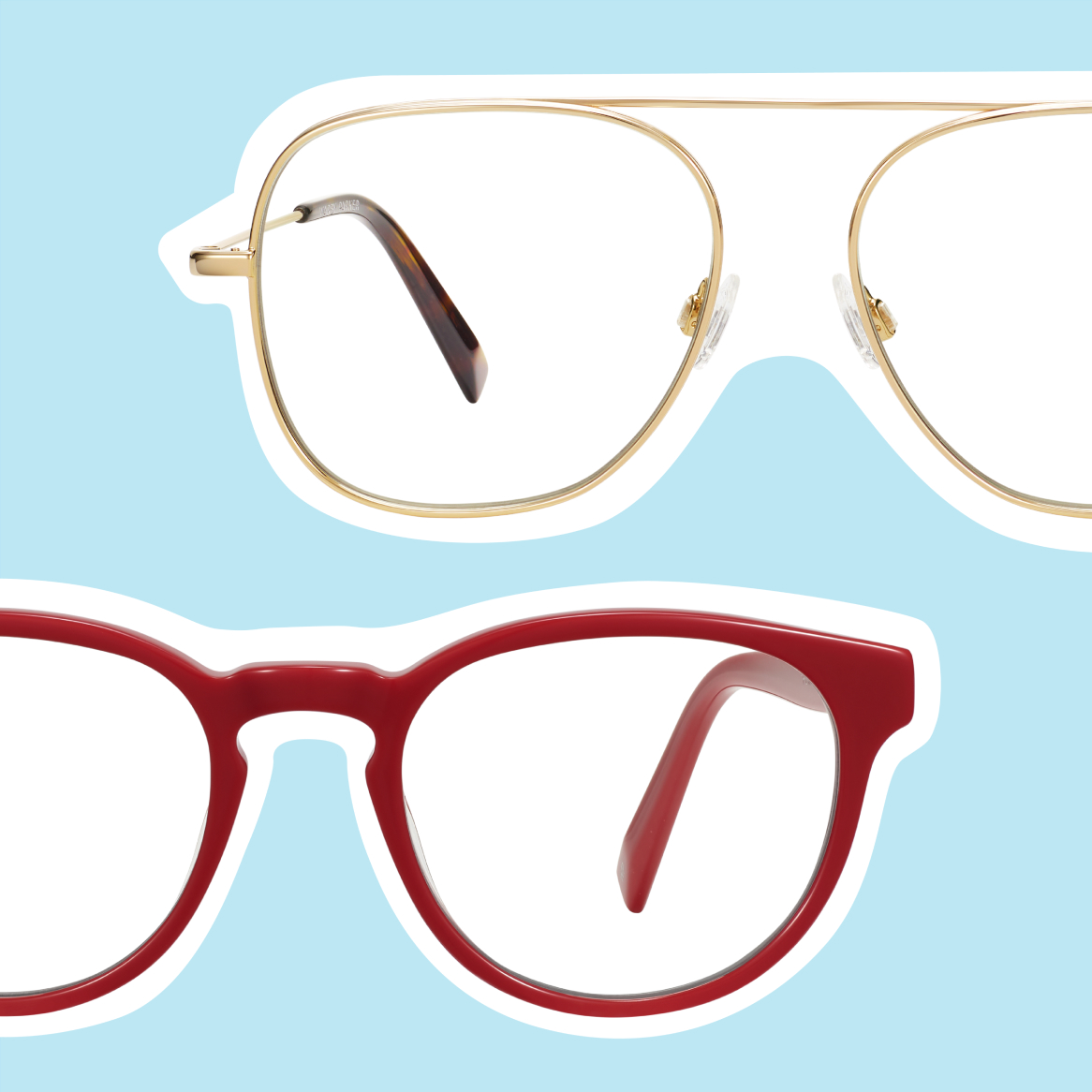
- Titanium: Often described as very light and corrosion-resistant. Frames labeled “100% titanium” or “beta titanium” are commonly chosen by people who prefer metal frames and are paying attention to material composition.
- Stainless steel (nickel-free grades): Some stainless steel options are marketed as “nickel-free” or “hypoallergenic steel.” If you are trying to avoid nickel, you may want to look for specific language such as “nickel-free” in the product description.
- Acetate and other plastics: Non-metal frames (like acetate or other plastics) are often chosen by people who like bolder colors and shapes. Product descriptions may refer to “hypoallergenic acetate” or “BPA-free” materials as part of the marketing.
- TR-90 and nylon blends: Flexible, lightweight plastics such as TR-90 and nylon blends are frequently used for sport and everyday frames and are sometimes highlighted for their durability and comfort.
It’s important to remember that “hypoallergenic” is a marketing term rather than a strictly regulated medical designation. Product labeling and descriptions can vary by brand. When in doubt, review the material listing carefully and consider asking a professional about what specific metals or plastics are present in the frame.
How to Choose Frames if You Are Concerned About Skin Sensitivity
If you’re shopping for eyeglass frames and you know your skin tends to be reactive, you may want to pay attention to where frames touch your face and what materials are used in those areas.
Some people choose to note where they see redness or irritation, and then compare those areas with where their current frames rest (such as the bridge of the nose, the backs of the ears, or along the temples). If you have questions about whether your skin changes could be related to contact with metals or other materials, a dermatologist or other qualified healthcare professional is positioned to help you evaluate potential causes.
When browsing online or in-store, it can be helpful to look closely at small hardware components. Even if the frame front is plastic, exposed metal nose pad arms or hinges may still come into contact with your skin. Some shoppers look for frames where these parts are described as titanium, stainless steel labeled nickel-free, or covered in soft plastic or silicone.
Fit can also play a role in how frames feel on your skin. Lightweight frames that distribute weight evenly may help reduce pressure and friction at contact points. Features such as adjustable silicone nose pads, spring hinges, and smooth, rounded temple tips are often mentioned in product descriptions for people seeking more customizable or comfortable fits.
If you’re unsure which materials or designs may be right for you, consider discussing options with your eyecare professional and, if appropriate, a dermatologist, especially if you have an existing skin condition or a history of metal sensitivity.
Key Takeaways and Next Steps for Finding Comfortable Frames
For some people, redness or irritation seems to occur where their glasses rest on the skin. As a result, some individuals choose frames that are labeled as nickel-free or made from materials such as titanium or plastic.
Add a pair and save
Buy one prescription pair and save 20% on additional pairs—eyeglasses or sunglasses!
As you narrow down your options, you might:
- Look for clear material information in product descriptions (for example, “nickel-free,” “titanium front and temples,” or “acetate frame”).
- Pay attention to which components (frame front, temples, nose pads, hinges) are metal and which are plastic or silicone.
- Ask your eyecare professional which materials your frames use and which parts come into direct contact with your skin.
If you have ongoing or significant skin concerns,whether or not you think they may be related to your glasses, consider speaking with a dermatologist or other qualified healthcare professional. They may discuss options such as patch testing or other evaluations to help identify potential triggers before you invest in new eyewear.
Have you experienced irritation from your glasses, or found a frame material that finally worked for your sensitive skin? Share your experience or questions so others can learn from your journey.
Frequently Asked Questions
What makes eyeglass frames hypoallergenic?
The term “hypoallergenic” is often used in marketing for frames made from materials that are less commonly associated with certain metal sensitivities, such as nickel. It does not guarantee that a reaction will not occur. If you’re concerned about potential allergies, ask a healthcare professional for guidance.
Which frame materials are often chosen by people concerned about nickel?
Frames made from materials such as titanium, stainless steel labeled as nickel-free, or plastics (including acetate or TR-90) are often chosen by people who want to limit contact with nickel-containing metals. Always review product details and, if needed, consult a healthcare professional about specific concerns.
Can plastic eyeglass frames still be associated with irritation?
Some people report irritation even when wearing plastic frames, which may be due to factors such as dyes, additives, or friction and pressure where frames touch the skin. If irritation continues despite changing frame styles or materials, consider speaking with a dermatologist or other qualified healthcare professional. The weight of a heavy plastic frame can also cause redness and irritation at the pressure points.
How can I tell if my skin changes might be related to my glasses?
Some people notice that redness or irritation appears in areas where their glasses rest, such as the bridge of the nose or behind the ears. Consider if the irritation happens mostly after wearing the glasses for an extended period of time. However, many different factors can affect the skin. A dermatologist or other qualified healthcare professional can help evaluate possible causes and recommend next steps.
Peep this
We offer prescription glasses starting at $95, with free shipping and free returns
Are titanium eyeglass frames worth considering if I have sensitive skin?
Titanium frames are often described as lightweight and durable, and they are sometimes chosen by people who pay close attention to metal composition in jewelry and accessories. Whether titanium is a good option for you depends on your budget, style preferences, and any guidance you receive from your eyecare or skin-care professional.
Can I change my existing frames to be more skin-friendly?
Some people consider options such as adding silicone sleeves to temples, swapping nose pads for silicone or plastic styles, or using coverings on certain metal contact points. If you have concerns about skin reactions, it’s a good idea to discuss them with an eyecare professional and, if needed, a dermatologist, who can help you think through possible approaches.
Legal Disclaimers
MEDICAL DISCLAIMER
This content is provided for educational and informational purposes only and is not intended as medical advice, diagnosis, or treatment. This information should not be used to replace professional medical care or consultation. Individual results may vary significantly. Always consult with a qualified healthcare provider before making any decisions about your health, vision, or medical treatment. Never disregard professional medical advice or delay seeking treatment because of information you have read on this website.
VISION CARE DISCLAIMER
Vision correction needs vary by individual. Consult an eye care professional for personalized assessment and recommendations.
FDA DISCLAIMER
These statements have not been evaluated by the Food and Drug Administration. This content is not intended to diagnose, treat, cure, or prevent any disease or medical condition.
PROFESSIONAL CONSULTATION REQUIRED
Only qualified eye care professionals can provide personalized recommendations for your specific vision needs and health conditions.
This article is for informational purposes only. It is not intended to provide medical advice or substitute for professional health services. Warby Parker complies with all HIPAA regulations regarding your health information. For personal health questions or concerns related to your vision or eyewear prescriptions, please consult a qualified healthcare provider.
Need Glasses?
Shop prescription glasses starting at $95