Teaching means long days on your feet, and frequently shifting between whiteboards, laptops, and stacks of papers. If your eyes feel tired before the last bell, your current eyewear may not match the way you work. Thoughtfully chosen glasses for teachers can support how you see and present yourself in the classroom.
This guide is designed to help teachers think about eyewear in the context of modern teaching: frequent screen time, near work, and active movement around students. We’ll focus on both how glasses are used in the classroom (for different viewing distances) and style (frames that match your personality and professional image).
We’ll break down what to consider in glasses for teachers, from lens types and coatings to frame materials and shapes that many people find practical for long school days.
By the end, you’ll be more familiar with different lens options for screens and reading, how to think about coatings, ways to choose flattering frames, and ideas for building an eyewear wardrobe that fits your routine.
Essential Vision Considerations for Teachers
Modern teaching can be visually demanding. You might be reading small print, scanning faces across the room, and moving between projectors and laptops throughout the day. All of which add to the work your eyes must do every day.
If this sounds familiar, it may be worth discussing your typical visual tasks with an eye doctor. You can start by thinking in three broad viewing zones: far (students and board), intermediate (computer), and near (papers and books).
Single-vision distance glasses are typically designed for far-away viewing, such as seeing the back row or the board. Some people use reading glasses, progressive lenses, or office lenses for activities like grading or screen use, depending on their needs and an eye doctor’s recommendations.
Many people in their 40s and beyond notice that near tasks suddenly feel harder. This normal age-related shift in near focus (presbyopia) can make it tougher to read in low light or at close distances for long stretches. Some people in this age range consider multifocal or task-specific glasses for grading and other close work, in consultation with an eye doctor.
Lens Choices and Coatings for the School Day
Lens design can have a significant impact on how your glasses feel and function from day to day.
Some teachers choose a dedicated pair of computer or “office” lenses. These lens designs prioritize intermediate and near viewing distances and may be used by people who spend much of their time at a screen or desk.
Progressive lenses are one option for people who want a single pair of glasses that can be used for multiple distances, such as seeing across the room and viewing materials up close. If you’re mostly at one distance (like the computer), a specialized office progressive with a wider intermediate zone may be preferred by some wearers who spend most of their time at that distance. An eye doctor can help you understand which lens designs may be appropriate for your needs.
- Reflection resistant coating: Designed to reduce reflections from classroom lighting, projectors, and screens.
- Scratch-resistant coating: Designed to make lenses more resistant to everyday wear, such as frequent cleaning and handling.
- Photochromic lenses: Lenses that are designed to darken outdoors and remain clear indoors. Some people find these useful if they frequently move between indoor classrooms and outdoor areas.
- Blue-light marketing claims: Research on blue-light-filtering lenses and eye strain is still evolving. Many eye health organizations emphasize factors like accurate prescriptions, reflection resistant coatings, general ergonomics, and healthy screen habits.
Because teachers may spend large parts of the day using digital devices, some eye health organizations highlight simple viewing habits like the 20-20-20 rule (every 20 minutes, look at something about 20 feet away for 20 seconds) for people who spend long periods on digital devices.
Frame Fit, Durability, and Style for the Classroom
Once you have a sense of the lenses you may want, it’s helpful to focus on frames that are comfortable to wear, feel durable for your routine, and align with your teaching persona.
Many people look for lightweight materials like acetate, titanium, or stainless steel. Features like spring hinges can add flexibility when you’re frequently taking glasses on and off.
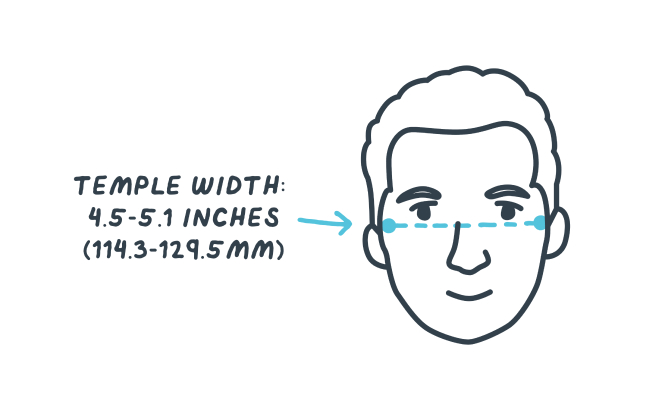
Fit matters just as much as looks. Frames that slide down your nose every time you look at a student or turn to the board can be distracting. A well-fitted pair typically sits securely, with nose pads or a bridge that matches your face shape, temples that don’t pinch, and a width that feels proportional to your face.
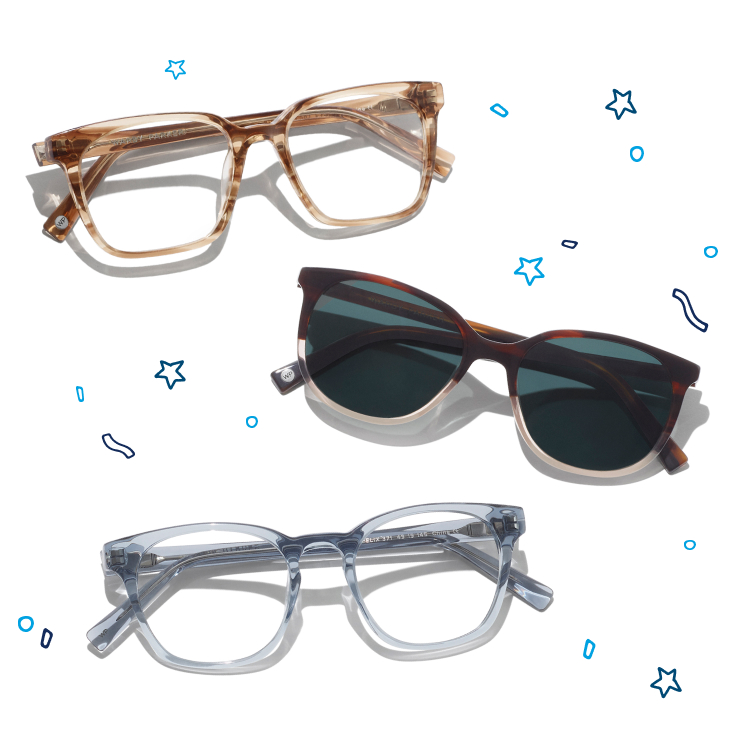
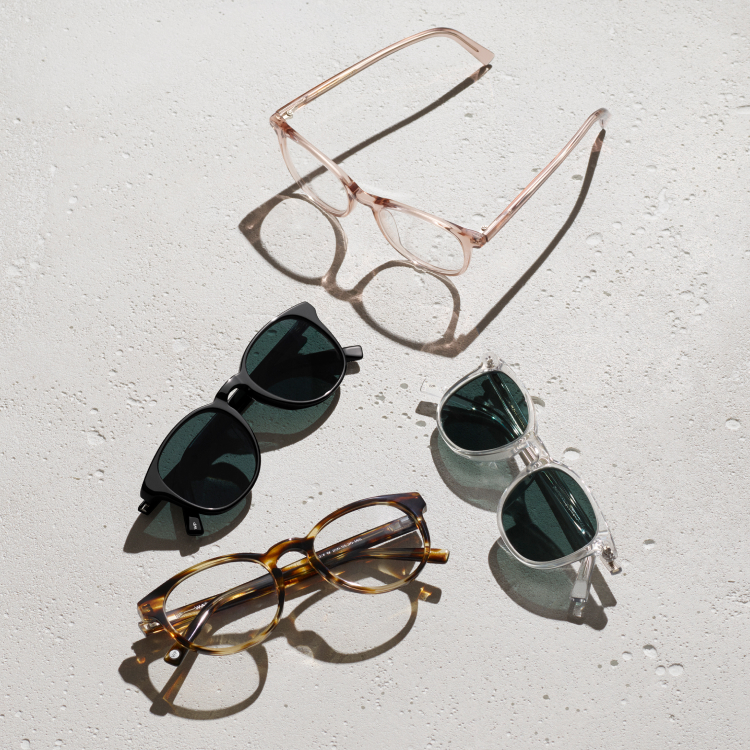
From a style perspective, your glasses can be part of your professional presence. Bold, colorful frames may project creativity and approachability in elementary classrooms, while sleek, minimalist designs may suit some secondary or administrative roles. Some teachers build a small “glasses wardrobe”: a classic neutral pair for everyday wear, a more expressive pair for casual days, and perhaps a pair that they primarily use at the computer or at their desk.
Final Thoughts on Glasses for Teachers
Choosing glasses for teachers is about aligning your eyewear with how you actually teach, moving, reading, presenting, and using screens throughout the day. Talking with an eye doctor about your prescription, how you use your eyes at work, lens design, and options like reflection resistant coatings can help you explore what may work well for your day-to-day tasks.
Your next step might be to schedule a comprehensive eye exam, bring notes about your daily tasks (time on screens, distance to the board, typical reading distance), and ask about lens designs that may be suitable for teaching. From there, you can explore frame options that match your face shape, style, and classroom environment.
If you’ve found frame styles or routines that make your teaching day feel more organized or streamlined, consider sharing them with colleagues, or in the comments of the retailer or blog you’re reading. Your experience may help another teacher think through their own eyewear choices.
Frequently Asked Questions
What are some glasses options for teachers who use computers all day?
Some teachers choose computer or office lenses that emphasize intermediate distances, sometimes combined with reflection resistant coatings. An eye doctor can help determine what lens design may be appropriate for your specific tasks and workspace.
Do I really need specific glasses for teaching, or will any pair work?
Different lens designs-such as single-vision, reading, progressive, or computer/office lenses-are used for different kinds of visual tasks. An eye doctor can help you decide whether a general-use design or a task-focused design is appropriate for you.
What can I consider if I’m concerned about eye strain while teaching?
Some eye health resources discuss steps such as taking regular breaks from screens, adjusting lighting to limit bothersome reflections, positioning screens at a comfortable distance, and making sure your prescription is up to date. If you are concerned about eye strain or related symptoms, consider discussing your work setup and how your eyes feel with an eye doctor.
Should teachers buy blue light glasses?
Research on blue-light-filtering lenses and eye strain is still developing. Many eye health organizations highlight factors like accurate prescriptions, appropriate lens designs, reflection resistant coatings, overall ergonomics, and healthy screen-use habits. An eye doctor can discuss whether blue-light-filtering lenses are relevant for you.
What frame styles can look professional for teachers?
Classic rectangles, subtle cat-eyes, and round or square acetate frames in neutral colors (such as black, tortoise, or soft metal tones) are often chosen for a polished, approachable look. Ultimately, the “right” style is the one that feels authentic to you and appropriate for your school environment.
How often should teachers update their glasses?
Many eye health organizations suggest that adults have periodic eye exams, often every one to two years, or as recommended by an eye doctor. Your doctor can advise on how frequently your prescription and glasses should be updated based on your individual situation.
Legal Disclaimers
Medical Disclaimer
This content is provided for educational and informational purposes only and is not intended as medical advice, diagnosis, or treatment. This information should not be used to replace professional medical care or consultation. Individual results may vary significantly. Always consult with a qualified healthcare provider before making any decisions about your health, vision, or medical treatment. Never disregard professional medical advice or delay seeking treatment because of information you have read on this website.
Vision Care Disclaimer
Vision correction needs vary by individual. Consult an eye care professional for personalized assessment and recommendations.
FDA Disclaimer
These statements have not been evaluated by the Food and Drug Administration. This content is not intended to diagnose, treat, cure, or prevent any disease or medical condition.
Professional Consultation Required
Only qualified eye care professionals can provide personalized recommendations for your specific vision needs and health conditions. This article is for informational purposes only. It is not intended to provide medical advice or substitute for professional health services. Warby Parker complies with all HIPAA regulations regarding your health information. For personal health questions or concerns related to your vision or eyewear prescriptions, please consult a qualified healthcare provider.