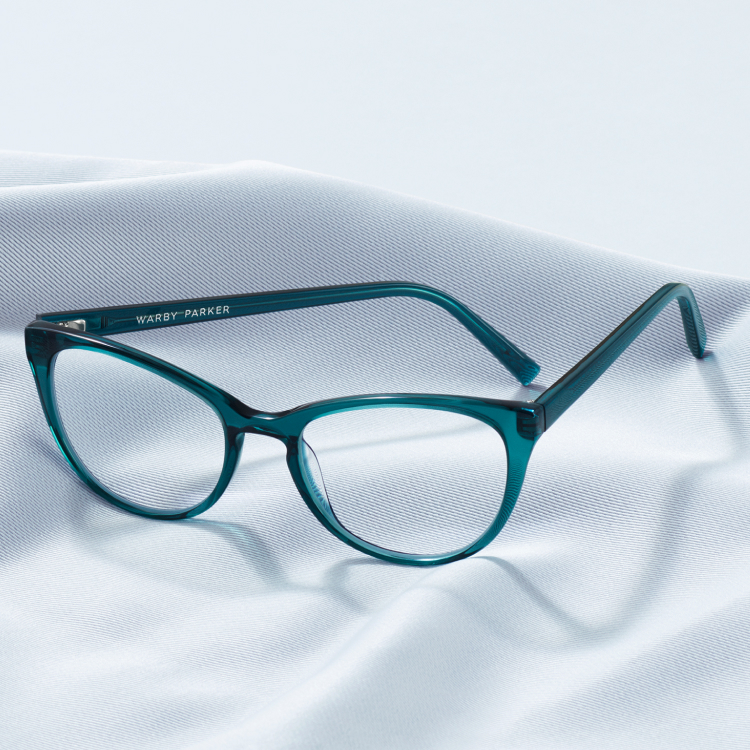
From dealing with open flames, steam clouds, fryer pops, or sprinting from the line to the walk-in, kitchen life can be tough on eyewear. If your glasses constantly slide, fog, or feel heavy on your nose, they can get in the way during a busy shift.
This guide is designed for working cooks and culinary pros who want eyewear that can handle typical kitchen conditions and fit into their day-to-day routine.
We’ll walk through key factors many people consider when looking at glasses for chefs: impact-resistant lens options, coverage from splashes and particles, fog resistant and scratch-resistant features, and frame designs that are built to stay put.
By the end, you’ll have a clearer sense of which lens materials, coatings, and frame features to ask about, how people often balance safety requirements and style, and what to keep in mind when ordering your next pair.
What Chefs Commonly Look For in Their Glasses
Unlike office workers, chefs face eye hazards all shift long: hot oil pops, boiling stock, cleaning chemicals, and flying food debris. Because of this, some kitchen workers look for glasses that can support both clear vision and everyday eye coverage. Shatter-resistant lenses and frames that provide a bit more wrap or side coverage can offer additional physical coverage from splatters and particles compared with more open designs, while still feeling more like regular eyewear than full goggles.
Heat and humidity add another layer of complexity. Working over grills, fryers, and steam tables in a crowded, hot kitchen can contribute to fogging and slippage. Fog resistant treatments and frame designs that allow airflow are commonly used features for people who work in these conditions.
Comfort over long hours also matters. If glasses pinch, dig, or frequently slip, some people may be tempted to take them off. Pprotection should be comfortable enough to wear consistently. That can be especially relevant on long shifts.
Lens Options to Consider for Heat, Splashes, and Long Shifts
The lens material you choose can influence how your glasses respond to bumps, drops, and regular cleaning. Many people find that standard plastic lenses can be more prone to scratching and damage from everyday wear and tear. Polycarbonate or similar materials like Trivex are commonly selected for more active environments.
Polycarbonate is lightweight, impact resistant, and filters UV. Research on polycarbonate lenses for impact resistance and UV filtering describes them as having higher impact resistance than several conventional plastics, which is why they’re often used in safety and sports eyewear.
- Consider: Polycarbonate or Trivex lenses if you’re looking for more durable, lightweight options
- Use with care: Glass lenses, which can be heavier and more prone to breakage if dropped or struck
Lens coatings can also be a factor. In a steamy kitchen, fog resistant treatments may help reduce how often you need to wipe your lenses as you move between different temperature zones. Scratch-resistant coatings can help lenses better withstand repeated cleaning and incidental contact during a shift.
Frame Features for a Secure Fit in a Hot Kitchen
Even the most durable lenses rely on frames that fit well. In kitchens where there is frequent movement, many people prefer glasses that feel stable through quick turns, bending, and reaching. Features such as temples with rubberized tips, adjustable nose pads, and slightly wrapped shapes can help frames feel more secure when you’re leaning over a range or carrying heavy items.
Fit can also influence how consistently eyewear is worn. Choosing frames and lenses with comfort and fog management in mind may help support more consistent use.
When comparing frames, you might look at:
- Material: Lightweight plastics or mixed materials that are designed to minimize pressure points
- Shape: Slight wraparound designs that can offer additional coverage at the sides and may feel more stable
- Nose & temples: Grippy, adjustable contact points intended to help reduce slipping on sweaty skin
- Compatibility: Frames that fit comfortably with hats, caps, or headbands that are part of your usual kitchen setup
If your kitchen or employer specifies certain safety markings, you can ask about frames and lenses that meet all posted standards, so any prescription needs can be incorporated into eyewear that aligns with those workplace requirements.
Key Takeaways and Next Steps for Choosing Glasses for Chefs
For many culinary professionals, eyewear is part of their overall safety setup as well as a vision tool. When thinking about glasses for chefs, people often look for impact-resistant materials, fog resistant and scratch-resistant options, and frame designs that feel stable during a busy service.
Polycarbonate or Trivex lenses, wrap-inspired frames with grippy contact points, and other recommended safety features are examples of options that may offer additional coverage and durability in a kitchen environment.
As you shop, it can be helpful to:
- Confirm lens material and ask about available fog resistant and scratch-resistant coatings
- Try on frames with your usual kitchen headwear to check fit and stability
- Review any workplace policies or safety requirements that apply to your role
If you’re outfitting a team or updating your own eyewear, you can start a shortlist of frames that meet these criteria, compare comfort and feature sets, and talk with your optician or safety manager about how to incorporate any prescription needs into eyewear that aligns with your workplace environment. You can also share this guide with fellow cooks and discuss what’s worked well in your kitchens to help inform your next purchase.
Legal Disclaimer
MEDICAL DISCLAIMER: This content is provided for educational and informational purposes only and is not intended as medical advice, diagnosis, or treatment. This information should not be used to replace professional medical care or consultation. Individual results may vary significantly. Always consult with a qualified healthcare provider before making any decisions about your health, vision, or medical treatment. Never disregard professional medical advice or delay seeking treatment because of information you have read on this website.
VISION CARE DISCLAIMER: Vision correction needs vary by individual. Consult an eye care professional for personalized assessment and recommendations.
FDA DISCLAIMER: These statements have not been evaluated by the Food and Drug Administration. This content is not intended to diagnose, treat, cure, or prevent any disease or medical condition.
PROFESSIONAL CONSULTATION REQUIRED: Only qualified eye care professionals can provide personalized recommendations for your specific vision needs and health conditions.
This article is for informational purposes only. It is not intended to provide medical advice or substitute for professional health services. Warby Parker complies with all HIPAA regulations regarding your health information. For personal health questions or concerns related to your vision or eyewear prescriptions, please consult a qualified healthcare provider.
What lens material is commonly used for glasses for chefs?
Polycarbonate or Trivex lenses are commonly chosen for active settings because they are typically lightweight, impact resistant, and more resistant to certain types of everyday bumps and drops than many standard plastic or glass options.
Do chefs need safety-rated glasses?
Requirements can vary by workplace and job duties. In some roles such as working closely with fryers, grills, or certain cleaning chemicals, employers may recommend or require eyewear that meets specific safety standards. These standards describe how products are tested for specific impact and coverage criteria. Check your workplace safety policies or talk with your safety manager about what applies to you.
How can I reduce fogging on my glasses in the kitchen?
Some people choose lenses with fog resistant coatings and frames that allow more airflow around the lenses, which may help reduce fogging. Using cleaning products that are labeled for use with fog resistant coatings and following the manufacturer’s care instructions may also help maintain clarity.
What frame styles are often used in fast-paced kitchen work?
Lightweight frames with a slight wraparound shape, along with rubberized or textured nose pads and temple tips, are often selected by people who work in fast-paced, high-heat environments. These features are designed to help the frames feel more stable during frequent movement.
Can I get prescription lenses in safety-style chef glasses?
Yes. Many eyewear lines include frames that are compatible with prescription lenses and that are also offered in models designed to meet certain workplace safety standards. An optician or eyewear specialist can help you understand which options may work for your prescription and your kitchen environment.
How often should chefs replace their kitchen glasses?
Replacement timing can depend on how often the glasses are worn and the conditions they’re used in. Many people choose to replace their glasses every 1-2 years, or sooner if they notice deep scratches, a looser fit, or other changes that affect how their glasses look or feel. Your eye care professional can provide guidance based on your specific prescription and usage.