Fog Resistant Eyeglasses: Understanding Fog Resistant Options
If your glasses instantly fog when you put on a mask, step outside, or sip coffee, you know how frustrating it can be to see through a cloudy blur. Those moments of reduced clarity can be especially noticeable when you’re focusing on tasks at work, on the go, or at home.
This guide explains how fog resistant coating for eyeglasses is designed to work and when you might consider it. With a clear overview of the options, you can decide whether a built-in coating, spray, or wipes fits your daily routine.
We’ll look at what’s happening on your lenses at a microscopic level and how a fog resistant coating for eyeglasses changes that, so you can better understand what these products are intended to do.
By the end, you’ll have a general sense of the science behind fog, the differences between fog resistant approaches, how long they typically last, and practical ideas for addressing fogged lenses in real-life situations.
How Fog Resistant Coating for Eyeglasses Works
Fog happens when warm, moist air hits a cooler lens surface, forming tiny droplets that scatter light. Instead of a transparent sheet of water, you get a patchy, milky film. The fogging of lenses can affect visual tasks, including how quickly and accurately people view details in certain conditions.
Most modern fog resistant coating for eyeglasses uses a hydrophilic (water-loving) layer that changes how moisture behaves on the lens. Rather than beading up into droplets, water spreads into a thin, more uniform layer that lets light pass through more evenly.
Factory-applied coatings are typically bonded to the lens during manufacturing, often alongside reflection resistant and scratch-resistant layers. They are generally designed to be more durable than wipe-on or spray-on products and are often chosen by people who move frequently between different temperature or humidity levels, like stepping from an air-conditioned office into humid air.
It’s important to remember that no coating is perfect. In very extreme humidity or with prolonged exposure, even coated lenses can eventually develop water droplets.
Glare beware
Get polarized lenses with your prescription sunglasses
Types of Fog Resistant Solutions for Eyeglasses
When you’re comparing options, you’ll encounter three main categories: fog resistant coatings, temporary surface treatments, and design or fit adjustments that may help reduce fogging.
Fog resistant lens coatings are built into the lens material or added in a controlled process by the manufacturer. They typically involve a specialized layer that is intended to interact with moisture on the lens surface.
Fog resistant sprays and wipes: These create a temporary film on the lens surface. They’re flexible, you can use them only when needed, but must be reapplied regularly.
Surfactant methods: Soapy water or surfactant-based products can leave a thin layer that changes how water spreads on the lens. These methods may not be appropriate for all lens types or coatings, so it’s important to confirm compatibility before use.
Fit and ventilation changes: Adjusting mask fit, choosing frames with nose pads and/or that allow for more airflow can help reduce how much warm air reaches your lenses. Some people combine these types of adjustments with a fog resistant treatment.
Choosing the Right Fog Resistant Coating for Eyeglasses
The right approach depends on when and how your glasses tend to fog. For people who spend long stretches in environments where masks or eye protection are part of the routine,such as healthcare, food service, or lab settings, built-in fog resistant features may be appealing for their day-to-day consistency.
Looking for an expert's opinion?
Book an eye exam with one of our top-notch optometrists
For everyday wearers who only occasionally deal with fog, say, while cooking or exercising, fog resistant sprays or wipes can be a way to try out fog resistant products without changing lenses right away. They’re typically used as needed and let you see how these products work for you.
- As you compare options, you might consider questions like:
- How often do your glasses fog?
- Does fogging tend to show up during specific activities (for example, commuting, working in certain environments, or exercising)?
- Do you already use other lens features like reflection resistant coatings or light-filtering options?
Not every lens material or prescription can be paired with every type of coating, so availability may vary by lens design and manufacturer.
Final Thoughts on Fog Resistant Coating for Eyeglasses
Fogged lenses can make it harder to see clearly in some situations, which is why many people look for ways to manage it. If fogging is a frequent issue for you, fog resistant coating for eyeglasses can be one option to consider as part of your next pair of lenses. If it’s only an occasional inconvenience, starting with a reputable fog resistant spray or wipe and experimenting with mask or frame fit may be enough for your needs.
It can be helpful to think about your most common “fog moments”, like your commute, workouts, or specific work shifts, and then compare how different approaches, from coatings to simple fit adjustments, might fit into your routine.
Frequently Asked Questions
How long does fog resistant coating for eyeglasses last?
Factory-applied fog resistant coatings are often designed to be long-lasting with proper care, but their lifespan can vary based on how the lenses are used and cleaned. Sprays and wipes usually provide temporary effects that may last from a single use up to a day, depending on the product and conditions.
Can I add fog resistant coating to my existing glasses?
Fog resistant coatings generally are not something you can apply at home. Some optical shops may offer aftermarket treatments, but in many cases, lenses with a built-in coating are made that way during manufacturing. Availability can vary by lens type and provider.
Want to try on a few frames?
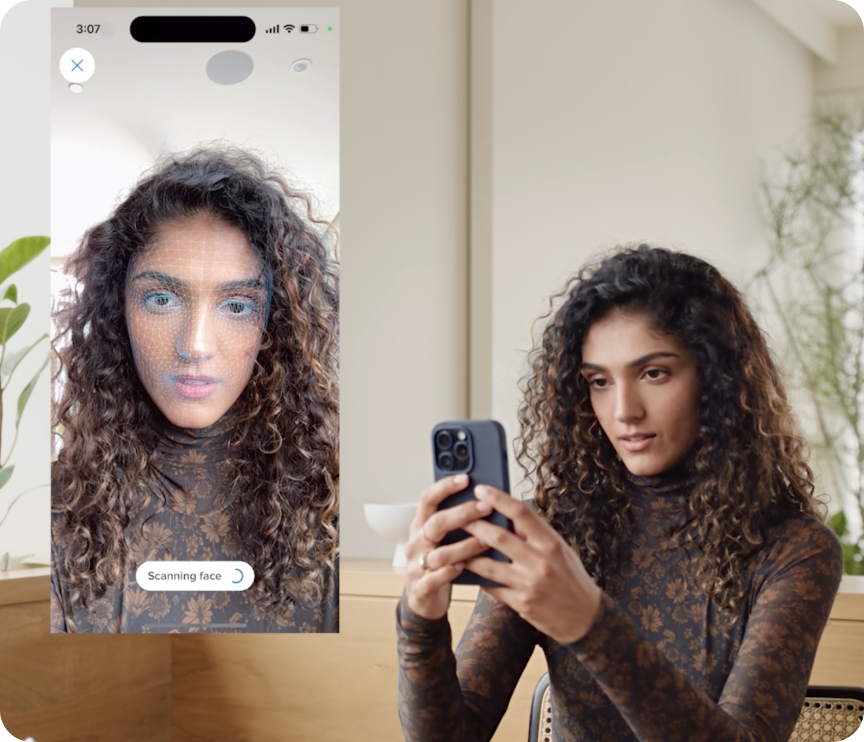
Try on any pair virtually from home
Is fog resistant coating compatible with all lens types?
Fog resistant coatings are typically engineered for specific lens materials. Many fog resistant sprays and wipes are marketed as compatible with common lens coatings, but it’s important to check the product label or manufacturer’s guidance to confirm that a specific product is suitable for your lenses, especially if you have reflection resistant or other specialty coatings.
Will fog resistant coatings stop fogging completely?
Fog resistant coatings and treatments are designed to help reduce fogging, but they may not prevent it in all situations or completely, such as in very high humidity, rapid temperature changes, or with very tight, poorly vented masks.
How do I clean glasses with a fog resistant coating?
In general, using a lens-cleaning solution recommended for coated lenses and a clean microfiber cloth is a common approach. Avoiding harsh chemicals, paper towels, and abrasive cleaners can help protect both the lens and any applied coatings. Always follow the care instructions provided with your lenses.
Do I still need fog resistant spray if I have a built-in fog resistant coating?
Some people with built-in fog resistant features choose to use a compatible spray or wipe in particularly challenging conditions. Before layering products, it’s a good idea to confirm with your eyewear provider or the product manufacturer that the combination is appropriate for your lenses.
Legal Disclaimers
Medical Disclaimer
This content is provided for educational and informational purposes only and is not intended as medical advice, diagnosis, or treatment. This information should not be used to replace professional medical care or consultation. Individual results may vary significantly. Always consult with a qualified healthcare provider before making any decisions about your health, vision, or medical treatment. Never disregard professional medical advice or delay seeking treatment because of information you have read on this website.
Vision Care Disclaimer
Vision correction needs vary by individual. Consult an eye care professional for personalized assessment and recommendations.
FDA Disclaimer
These statements have not been evaluated by the Food and Drug Administration. This content is not intended to diagnose, treat, cure, or prevent any disease or medical condition.
Professional Consultation Required
Only qualified eye care professionals can provide personalized recommendations for your specific vision needs and health conditions. This article is for informational purposes only. It is not intended to provide medical advice or substitute for professional health services. Warby Parker complies with all HIPAA regulations regarding your health information. For personal health questions or concerns related to your vision or eyewear prescriptions, please consult a qualified healthcare provider.
Need Glasses?
Shop prescription glasses starting at $95