Driving Glasses: An Intro to Glare and Lens Features
Bright sunlight, low sun angles, headlights, and reflections from wet roads can make it harder to focus on what’s ahead when you drive. Certain conditions, like driving toward the setting sun or on a rainy evening, are more visually challenging than others, and adjustments need to be made for safe driving.
This article is designed to share general information about non‑medical glasses for drivers and how certain lens features may relate to your experience on the road. It focuses on publicly available guidance rather than quick-fix claims.
We’ll walk through how different types of glasses for drivers relate to glare, how some commonly used lens colors and coatings are used in the daytime, and what expert sources say about popular “night driving” products.
By the end, you’ll be familiar with lens and frame features you may want to consider for driving, features to approach with caution, and a few non-eyewear habits that can influence how you experience light and reflections in the car.
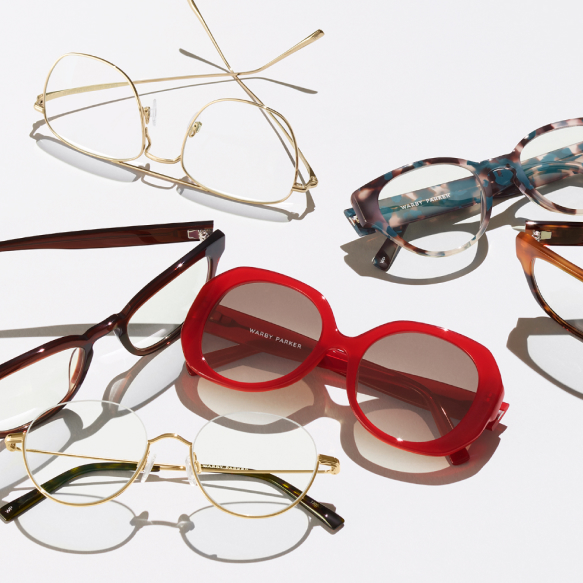
Glasses for everyone
Find your perfect pair from our bestselling frames
Understanding Glare and How Glasses Fit In
Before shopping for glasses, it can help to understand what glare is. Glare can occur when a large amount of light reaches your eyes at once or when light reflects from surfaces like water, snow, or shiny dashboards. This may make it harder to notice details in the scene and can contribute to visual discomfort.
Some people find modern LED headlights especially intense. Public reporting has noted that very bright, blue‑heavy lights may affect contrast sensitivity, which is your ability to distinguish objects against their background. That may be one reason many drivers say they are more aware of night glare now than they were years ago.
Glasses can be designed to influence how much light reaches your eyes and how that light is filtered. For example, polarized sunglasses are commonly used to manage certain reflections from horizontal surfaces, and various lens tints are used for bright daytime conditions. Reflection resistant coatings are often selected to reduce some reflections on the lens surfaces themselves.
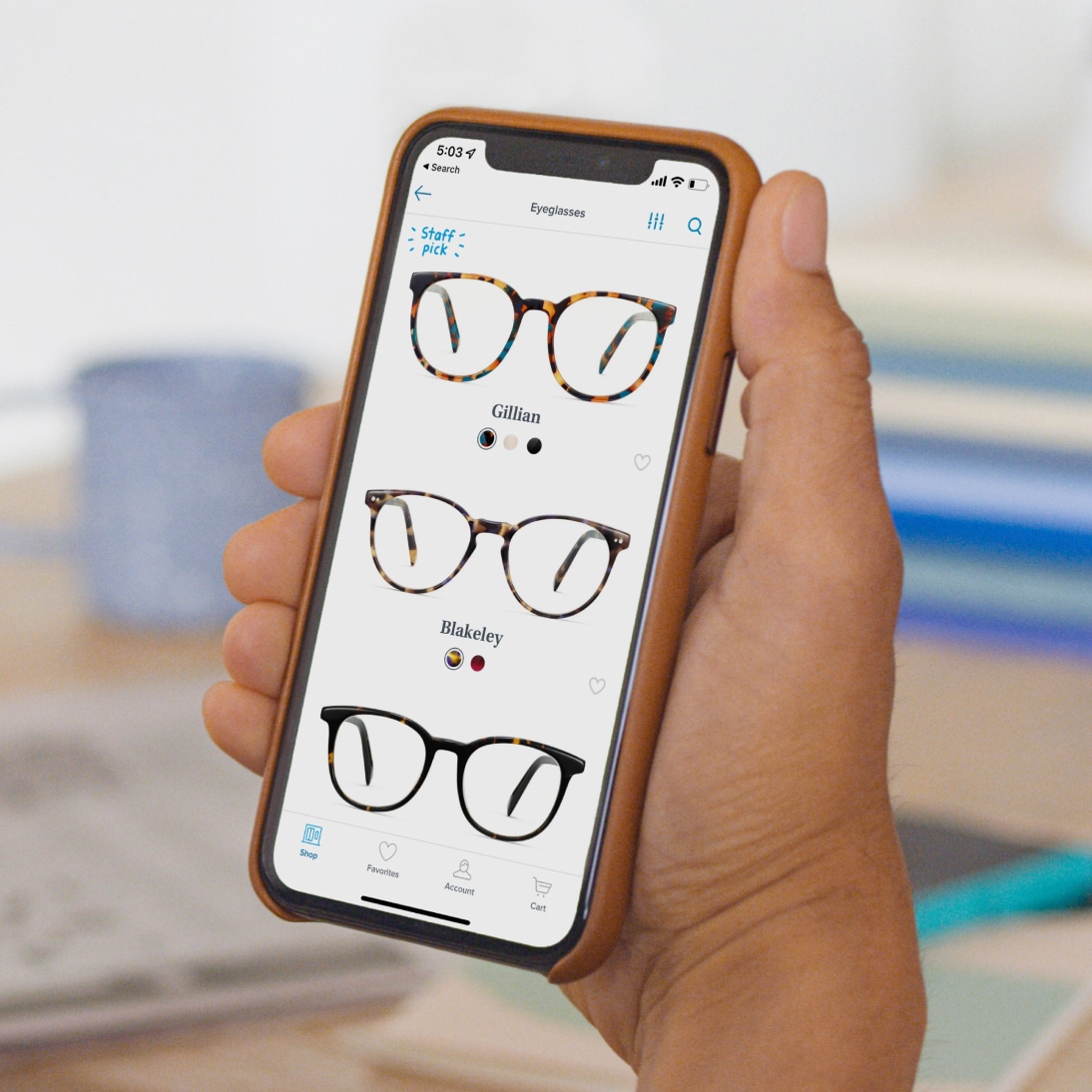
Try before you buy
Try on frames virtually or at a Warby Parker store
However, glasses are only one piece of the picture. They do not address underlying vision problems or eye disease. Windshield cleanliness, headlight care, and regular eye exams can be important considerations when thinking about glare while driving.
Daytime Glasses for Drivers: Tints, Polarization, and Fit
For daytime driving, many people focus on managing overall brightness and reflections while maintaining a natural view of their surroundings.
Neutral gray or brown tints are commonly chosen for daytime driving because they reduce overall brightness while maintaining more natural‑looking colors. Many people like these tints because they can be used in a range of daylight conditions, from clear sunshine to light cloud cover.
Polarized lenses are frequently selected for bright daytime driving, especially around water or other reflective surfaces. They are designed to filter certain reflected light, such as light bouncing off water, wet roads, car hoods, and glass. Some drivers prefer polarized lenses because of how these lenses handle reflections, though individual experience can vary.
Lens darkness plays a role as well. Lenses used for driving should not be so dark that they significantly limit your ability to see in areas like shadows or under overpasses. Medium‑to‑dark tints are often used in bright daylight, but very dark lenses may not be suitable for tunnels, heavy shade, or low‑light conditions.
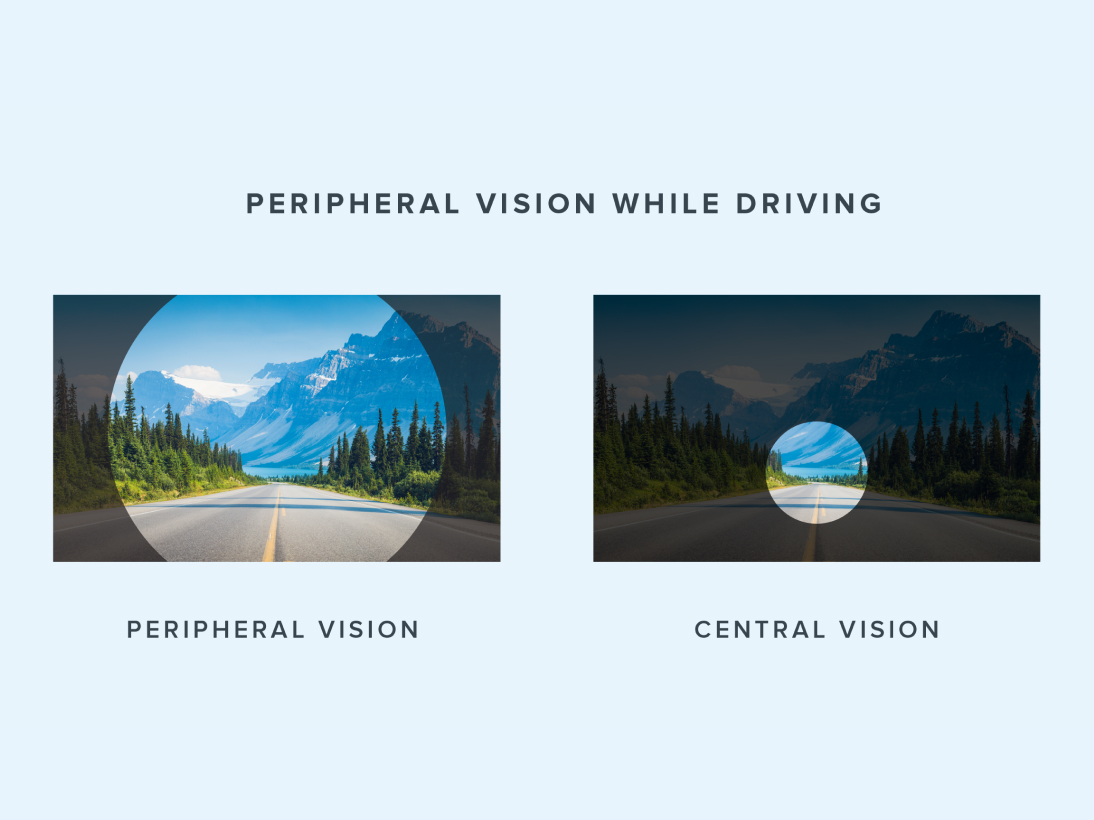
Frame fit and coverage can also influence how you experience light. Larger lenses and frames with a bit more coverage at the sides can reduce light that reaches your eyes from above or the periphery. Lightweight frames and stable nose pads can help glasses stay in place as you change head position.
- Neutral gray or brown lenses are commonly chosen for a more natural color appearance in daylight.
- Polarized lenses are often selected by people who spend a lot of time driving in bright sun or near reflective surfaces such as water.
- Very dark tints can make it harder to see in tunnels, heavy shade, or other lower‑light environments.
- Frames with broader coverage and a secure, comfortable fit can help manage how much stray light enters around the lenses.
Frame shopping, made smarter
No guesswork needed—try on frames virtually and find your perfect pair
Night Driving Glasses: What to Know
Night driving presents different considerations from daytime driving. Because there is less overall light available, anything that significantly reduces the light reaching your eyes may make it harder to see your surroundings.
For this reason, heavily tinted lenses are not recommended for night driving: they reduce already limited light, which can make it more difficult to see other road users or objects.
Yellow “night driving” glasses have become popular, but research does not show clear benefits for seeing pedestrians or reducing glare. In one simulator study, researchers found that yellow‑lens night‑driving glasses did not improve pedestrian detection or reduce the negative impact of headlight glare compared with clear lenses. Some medical groups have also noted that these tints can reduce the amount of light reaching the eye, which is not ideal in low‑light situations.
Clear lenses with an anti‑reflective coating are commonly chosen for nighttime driving. Reflection resistant coatings are designed to reduce certain reflections on the front and back surfaces of the lenses, which may help minimize distracting reflections from headlights and other light sources. If you wear prescription glasses, some people find that wearing a current prescription with reflection resistant lenses can be helpful for night driving.
Beyond eyewear, publicly available guidance often emphasizes steps like keeping your windshield and headlights clean inside and out, dimming your dashboard to reduce internal reflections, and adjusting mirrors to minimize direct glare. If you notice new or worsening visual disturbances at night, such as halos, starbursts, or pronounced glare, it’s important to speak with an eye care professional to discuss what might be going on.
Final Thoughts on Glasses for Drivers
Choosing glasses for drivers is generally about understanding how lens and frame features relate to brightness, reflections, and your overall visual experience.
In bright daytime conditions, gray or brown lenses, sometimes with polarization, and frames that provide good coverage are often selected for use behind the wheel. At night, many people avoid dark or colored tints and instead use clear lenses, often with a reflection resistant coating.
As a next step, you might think about when driving feels most visually challenging for you,such as in bright midday sun, at dusk, or at night, and then explore lens and frame options that are commonly used in those environments. If you have specific concerns about how you see while driving, consider scheduling a comprehensive eye exam and mentioning your typical driving conditions.
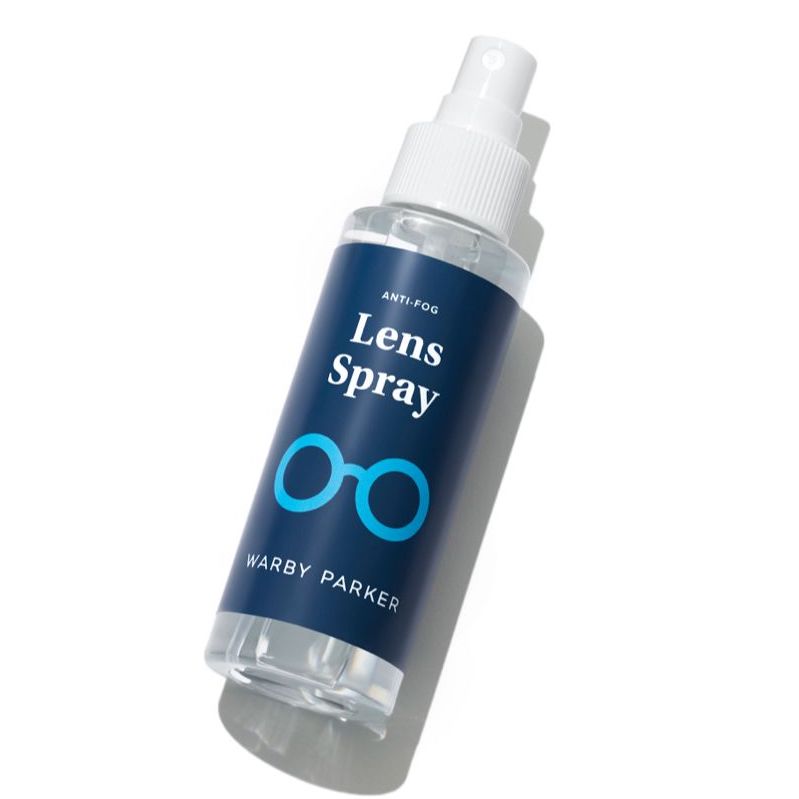
Fog Be Gone
Our Anti-Fog Lens Spray will keep your glasses steam- and smudge-free
If you’ve tried different driving glasses, share what you found useful or less useful so other drivers can learn from your experience,or explore related guides on sunglasses, lens coatings, and eye health to think through your setup for the road.
Frequently Asked Questions
Are polarized glasses used for driving?
Polarized lenses are commonly used for driving in bright daytime conditions. They are designed to filter certain reflected light from surfaces such as water, wet roads, and car hoods. Many people find them useful in sunny conditions, although preferences vary, and they are not intended for night driving. Often recommended for outside activities that include golf, fishing, and most water sports because of the vibrant colors that can be enhanced.
What color lenses are commonly used in glasses for drivers?
Neutral gray and brown tints are commonly recommended options for daytime driving because they reduce overall brightness while helping maintain a more natural color appearance. Individual preference and driving environment can also play a role.
Do yellow night driving glasses really work?
Findings from at least one simulator study suggest that yellow night‑driving glasses did not improve pedestrian detection or reduce the negative effects of headlight glare compared with clear lenses. Some professional groups also note that any tint that reduces the amount of light reaching the eye may not be ideal in low‑light situations.
What glasses are commonly used for night driving glare?
Clear lenses with a reflection resistant anti-glare coating are often chosen for night driving. Reflection resistant coatings are designed to reduce certain reflections from light sources such as headlights and streetlights on the lens surfaces. An accurate, up‑to‑date prescription can also be important for clear vision when driving at night. For personalized guidance, it’s best to speak with an eye care professional.
Can I use my regular sunglasses for driving?
Many people use the same sunglasses for day‑to‑day activities and for driving, provided they are not excessively dark and meet applicable UV filtering and safety requirements in their region. Medium‑to‑dark gray or brown tints are often used in bright sunlight. If you have questions about whether a specific pair is appropriate for your driving conditions, consider checking with an eye care professional.
Should I get separate glasses just for driving?
Some people choose to have a dedicated pair of glasses,prescription or non‑prescription,that they primarily use for driving, especially if they spend a lot of time on the road or drive in very bright or very low‑light environments. Whether this makes sense for you can depend on your typical driving conditions and your preferences. An eye care professional can help you think through options.
Disclaimers
This article is for general informational purposes only and is not intended to provide medical, optometric, or other professional advice, diagnosis, or treatment. It should not be used as a substitute for advice from a licensed eye care professional or other qualified health provider who is familiar with your individual situation. Always seek the advice of your eye care professional or other qualified health provider with any questions you may have about your vision, eye health, or specific eyewear needs. Never disregard professional medical advice or delay seeking it because of something you have read here. If you are experiencing a medical emergency, call 911 or your local emergency number immediately.
Glasses for everyone
Find your perfect pair from our bestselling frames