Have you ever just grabbed a quick pair of readers at the drugstore, thrown them on expecting some instant clarity, and noticed they don’t quite feel right? That’s because most readers are built on production lines, not designed for individual faces. As more people use reading glasses for close-up tasks, many are exploring designer reading glasses alongside basic options.
This article explains what can make designer reading glasses different. You’ll see how materials, lenses, and fit may influence how your glasses feel and look throughout the day.
We’ll use the term “designer reading glasses” to cover both premium brands and independent labels that emphasize style, craftsmanship, and a range of lens options.
By the end, you’ll have a clearer sense of when it might make sense to upgrade, which features to pay attention to, and how to choose a pair that fits your face and your personal style.
Why Designer Reading Glasses Exist in the First Place
Most people reach for readers because of presbyopia, an age-related change that can make close-up focusing harder over time. This typically starts in your early to mid‑40s and progresses until around 65. That means many people use some form of near-vision correction for a number of years.
Over‑the‑counter readers are widely available and are generally made with the same power in both lenses, assuming both eyes need the same strength and that people hold reading material at similar distances.
Designer reading glasses are one option for people who want to combine prescription lenses or specific magnification powers with particular frame styles and materials. Some people prioritize convenience and price; others focus on frame design, variety of fits, and lens options.
If you spend a lot of time reading, crafting, or using a computer, it can be helpful to think of your glasses as something you use frequently throughout the day. Understanding the differences in frames and lenses can make it easier to choose a pair that aligns with how you actually use them.
Frame Materials, Fit, and How Glasses Feel
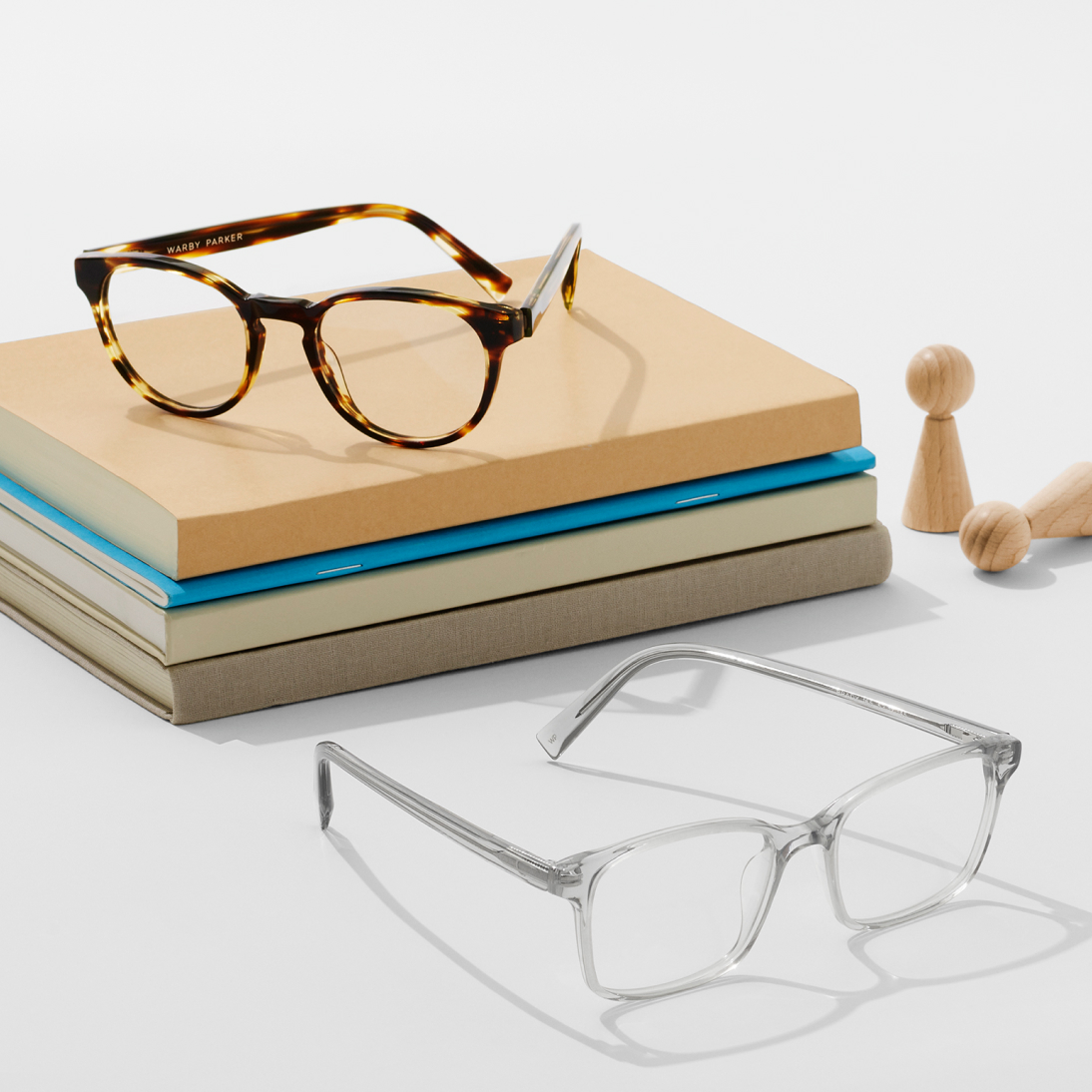
One of the most noticeable differences you may see with designer reading glasses is in the frame itself. Many designer collections include acetate, titanium, and other frame materials that are often chosen for their look, feel, and durability.
Acetate, for example, allows rich colors and patterns and is designed to be comfortable against the nose and ears. Lightweight metals and advanced polymers can contribute to a lighter-feeling frame, a quality that many appreciate if they wear their readers frequently. Designers also pay attention to how weight is distributed, which can help frames sit more securely for many wearers.
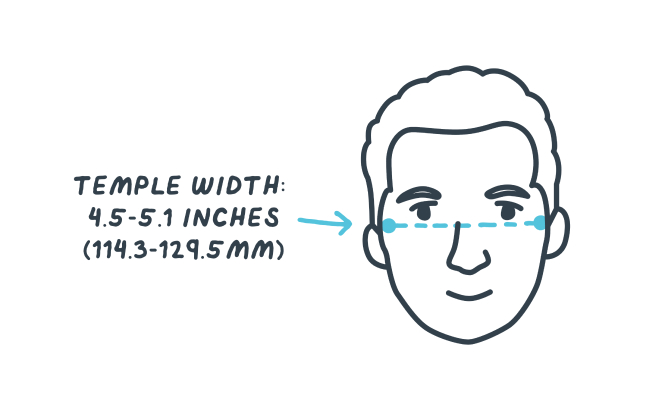
Fit involves more than just frame width. Temple design, nose bridge shape, and even the angle of the lenses can influence how glasses sit on your face, including whether they tend to shift when you look down at a book or laptop. A frame that’s adjusted to your features may feel more stable and easier to wear for longer periods.
Designer collections often offer a wider range of sizes, bridge shapes, and styles. That variety can be useful for people who’ve had trouble finding frames that feel right or that match their preferred look. A frame that fits well may mean less adjusting and more attention on whatever you’re doing.
Lens Quality, Coatings, and Options in Designer Readers
Prescription designer readers can be made to reflect different strengths in each eye and astigmatism, and they can be ordered for specific working distances such as reading distance, computer distance, or music stands based on the prescription and measurements provided by your eye doctor. Non‑prescription readers are also available in many designer lines for people who use standard magnification strengths.
Behind the frame, lenses play a key role in how you see up close. Many designer reading glasses are available with a range of lens materials and coatings that are selected for clarity and durability.
- Reflection resistant coatings that are designed to reduce reflections from screens and overhead lighting.
- Scratch‑resistant layers that are designed to be more resistant to everyday wear, such as putting glasses on and taking them off frequently.
- Blue‑light‑filter options that are available for people who prefer that feature when using digital devices.
- High‑index or thinner lens materials that can help keep stronger prescriptions from looking as thick in certain frame styles.
Which of these features, if any, make sense for you depends on how you use your readers, your prescription, and your personal preferences. Someone who only needs a quick magnifier to check a menu may be satisfied with basic options, while someone who reads, works, or crafts daily may choose to prioritize particular frame and lens features.
Style, Self-Expression, and When Designer Reading Glasses May Make Sense
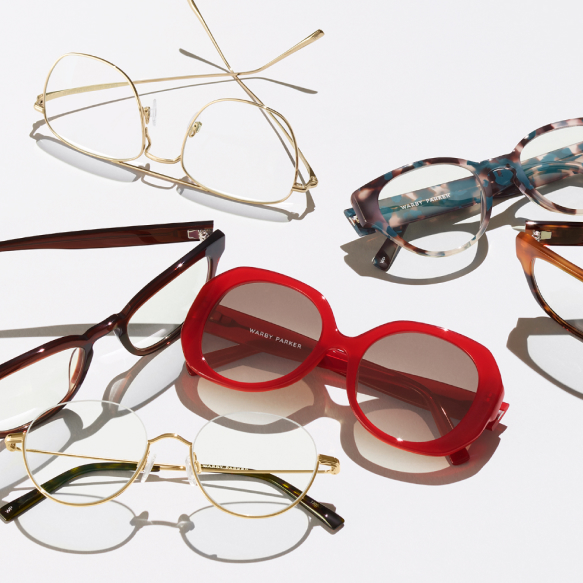
Readers aren’t only a functional tool, but also a visible part of your personal style. As more adults use reading glasses, brands have introduced bolder shapes, colors, and vintage‑inspired designs that people may enjoy incorporating into their everyday look.
Designer reading glasses aim to bring together how glasses look, how they sit on your face, and the lens options you choose. For some people, it’s important that their readers feel like an intentional part of their wardrobe rather than something they only reach for when necessary.
Ultimately, designer reading glasses can be one way to combine function and self-expression. If the pair you reach for every day feels good to wear and fits your style, you may be more likely to keep them handy and use them when you need them.
Final Thoughts on Designer Reading Glasses
Designer reading glasses are often distinguished by their range of frame materials, styles, fits, and lens options. Rather than focusing only on magnification strength, you can also think about how the frame looks on you, how it feels on your face, and how the lenses are set up for the tasks you do most.
If you’re considering an upgrade, start by noting when and where you typically use reading glasses – at a desk, on the couch, in a workshop, or on the go. From there, you can look for frame styles and lens features that align with those routines.
If you have questions about which type of readers might be appropriate for you, an eye exam and a conversation with an eye care professional can help you understand your options.
Legal Disclaimer
MEDICAL DISCLAIMER: This content is provided for educational and informational purposes only and is not intended as medical advice, diagnosis, or treatment. This information should not be used to replace professional medical care or consultation. Individual results may vary significantly. Always consult with a qualified healthcare provider before making any decisions about your health, vision, or medical treatment. Never disregard professional medical advice or delay seeking treatment because of information you have read on this website.
VISION CARE DISCLAIMER: Vision correction needs vary by individual. Consult an eye care professional for personalized assessment and recommendations.
FDA DISCLAIMER: These statements have not been evaluated by the Food and Drug Administration. This content is not intended to diagnose, treat, cure, or prevent any disease or medical condition.
PROFESSIONAL CONSULTATION REQUIRED: Only qualified eye care professionals can provide personalized recommendations for your specific vision needs and health conditions.
This article is for informational purposes only. It is not intended to provide medical advice or substitute for professional health services. Warby Parker complies with all HIPAA regulations regarding your health information. For personal health questions or concerns related to your vision or eyewear prescriptions, please consult a qualified healthcare provider.
Are designer reading glasses better than drugstore readers?
Whether designer reading glasses are a good choice depends on what matters most to you. Over‑the‑counter readers are widely available and can be convenient for standard magnification needs. Designer reading glasses often provide a broader range of frame styles, materials, sizes, and lens options, including prescription lenses when ordered through an eye care provider.
Do I need a prescription for designer reading glasses?
Some designer reading glasses are available without a prescription in standard magnification strengths. Others are made with prescription lenses based on a comprehensive eye exam and measurements. If you’re unsure which is appropriate for you, consider scheduling an eye exam and asking your eye doctor what they recommend.
Why don't some reading glasses feel right when I wear them?
People sometimes notice that certain reading glasses don’t feel quite right. This can be related to factors such as lens power, how the frame fits, or how the lenses are positioned. Because there can be many reasons for this, it’s a good idea to talk with an eye care professional if you have concerns or persistent discomfort.
What lens features can I look for in designer readers?
Designer readers may offer lens features such as reflection resistant coatings, scratch‑resistant layers, blue‑light‑filter options, and thinner or lighter lens materials. Which features you choose can depend on how you use your glasses and what your eye doctor recommends.
Are designer reading glasses worth it if I only use them occasionally?
Some people are comfortable using basic readers for occasional tasks like reading menus or labels. Others prefer having a specific frame style or lens setup, even if they don’t wear their readers all the time. It often comes down to how frequently you use your readers and how important frame style, fit, and lens options are to you.