Contacts vs. Glasses: A Lifestyle Comparison Guide
Glasses or contacts? It’s a question that sounds technical, but the real answer has far more to do with how you actually live. Your day-to-day routine matters more than specs on a chart, whether you’re squeezing in workouts, logging long screen hours, commuting through unpredictable weather, or juggling comfort with cost.
Think about the small, everyday moments. Foggy lenses during a morning walk, dry eyes after a long day on a laptop, the convenience of grabbing glasses versus the freedom of going frame-free. These details shape how your vision correction feels in real life, not just how it performs on paper.
This guide strips away the fluff and focuses on what really counts: comfort, care, cost, and context. By looking at how glasses and contacts stack up in the situations you face most, you can make a clear, confident choice, one that fits your routine, supports your style, and keeps vision simple and fuss-free.
Vision Correction Needs
Your vision correction needs are paramount in deciding between contacts and glasses. Often, individuals with nearsightedness, farsightedness, or astigmatism will find varying degrees of suitability with each option.
Contacts might offer more flexibility for certain prescriptions, providing a wider field of view for many wearers and not obstructing peripheral vision. Glasses, on the other hand, cater effectively to similar conditions with the added benefit of doubling as protective gear against environmental elements.
When comparing the two, contacts generally provide a broad field of view with unobstructed peripheral vision but minimal protection, while glasses offer a more limited field of view with some peripheral obstruction but provide additional protection against particles and glare.
Let your specific vision requirements steer your decision-making process. This helps you align your choice with your visual needs.
Comfort and Convenience
How we incorporate eyewear into our daily lives hinges largely on comfort and convenience. Those with active lifestyles may find contact lenses provide freedom, allowing for ease of movement without the worry of them falling off or getting damaged during physical activities.
Think you may need glasses?
See an eye doctor for a vision check
In contrast, glasses offer a straightforward, hassle-free experience, ideal for those who appreciate the ease of quick on-and-off usage. They may be preferred in areas of poor environmental conditions.
When deciding, consider these questions:
- Do you frequently engage in sports or physical activities?
- Is a no-fuss, easy-wear option more suitable for your routine?
- Does your daily schedule allow time for maintenance?
Consider how each option fits into your day-to-day routine, weighing the benefits of agility against the ease of accessibility.
Hygiene and Care Requirements
The maintenance of your eyewear is another crucial consideration. Contact lenses require diligent hygiene practices to prevent potential infections, making them relatively high-maintenance. This includes daily cleaning and proper storage.
Glasses require regular cleaning and occasional fitting adjustments, considered low-maintenance in comparison.
Contacts provide clear vision without frames and are suitable for active use if cared for diligently, but they do require a rigorous care routine and careful hygiene practices.
Balancing your willingness to commit to daily lens care with the simplicity of glasses is pivotal in making an informed choice.
Cost Considerations
The discussion often centers around immediate versus long-term investments. Glasses involve a one-time purchase generally, with infrequent updates unless your prescription changes. Contact lenses entail regular, recurring expenses and higher maintenance costs.
In terms of initial cost, contacts tend to be moderate while glasses can be higher upfront. However, contacts carry higher recurring costs for solution, replacement lenses, and maintenance, while glasses have relatively low ongoing expenses.
Establishing a budget aligns with your financial management preferences and can help clarify which option might be more sustainable for you in the long run.
Protect those peepers
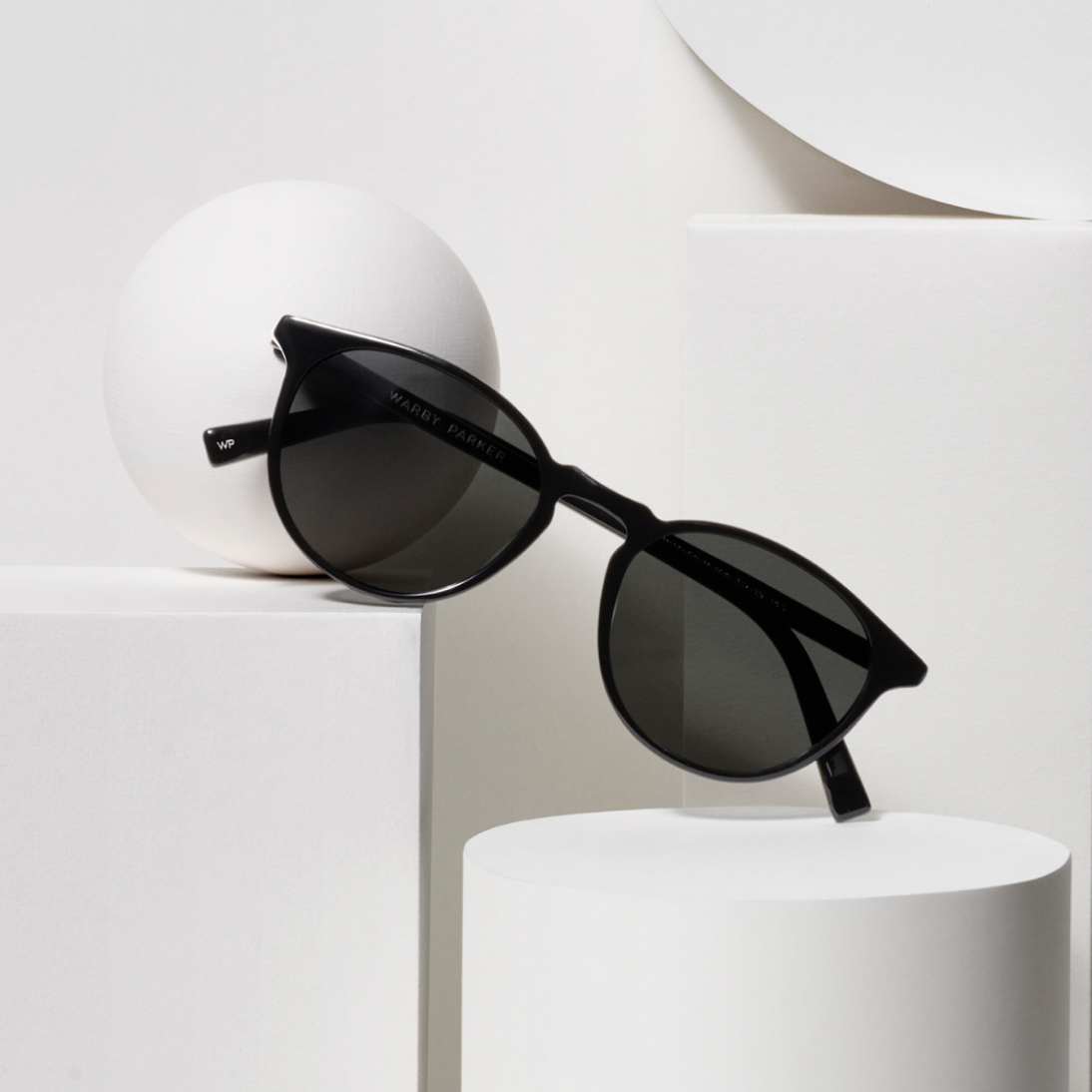
Our sunglasses provide 100% UV protection
Lifestyle and Activity Level
Your lifestyle and activity level significantly influence your eyewear choice. Active individuals typically prefer contact lenses because they don’t shift during movement and lack bulkiness.
Glasses are favorable in static environments or routine activities where easily slipping them on and off can be an advantage. Consider your typical environmental interactions to make the right decision for you.
Understanding how your lifestyle interacts with these eyewear options can lead to a more personalized and satisfactory decision.
Aesthetic Preferences
When choosing eyewear, aesthetics carry as much weight as functionality. Contacts offer a more natural look for those who prefer not to significantly alter their appearance. Glasses give a unique opportunity to make a fashion statement, serving as an extension of one’s personal style.
Think of your eyewear as clothing accessories: while contacts are like an undershirt, glasses are akin to a bold tie or scarf. Which do you see as part of your fashion ensemble? Choose based on whether you want a more natural aesthetic or a statement piece.
Problematic Environments
Environmental conditions you encounter frequently can affect your eyewear choice:
- Glasses may fog up with sudden temperature changes or moisture.
- Contact lenses can be uncomfortable in dry, dusty, or windy weather.
Questions to help craft your coping strategy:
- Do you often transition between hot and cold environments?
- Is your area particularly dry or windy?
- Could fog resistant coatings or lubricating drops be viable solutions?
By identifying the prevalent conditions in your daily life, you can choose eyewear that withstands such challenges adeptly.
Key Takeaways
At the end of the day, choosing between contacts and glasses isn’t some grand moral dilemma, it’s a vibe check. What works best depends on your routine, your personal style, and what fits comfortably within your budget. Some days call for the ease and expressiveness of frames; others feel better with the freedom of contacts. The right choice is the one that slides effortlessly into your life.
You don’t have to lock yourself into just one option, either. Many people mix and match based on work, workouts, travel, or mood. What matters most is that your vision solution supports how you move through the world, not the other way around.
When you’re ready to dial it in, exploring frame options or booking an eye exam can help you make a confident, informed choice. With professional guidance and a little self-awareness, finding a vision setup that feels right, stylish, practical, and comfortable, can be refreshingly straightforward.
Frequently Asked Questions
What are the key differences between contacts and glasses for lifestyle considerations?
Contacts and glasses each offer distinct lifestyle benefits. Glasses are easy to put on and remove, require less maintenance, and can act as a fashion accessory. They also provide protection against particles and glare. Contacts, on the other hand, offer more natural looking vision enhancement without obstructing peripheral views and are often advantageous for active lifestyles where glasses might be cumbersome.
Bright out?
Sunny days have met their match
How do contacts and glasses accommodate different vision correction needs like astigmatism or nearsightedness?
Both contacts and glasses can correct common vision impairments like nearsightedness, farsightedness, and astigmatism. However, the choice may depend on lifestyle preferences. Contacts provide a wider field of view and are less noticeable, while glasses are simpler to handle and don’t require direct eye contact, potentially making them a friendlier option for those with sensitive eyes. Glasses may enhance vision better, depending upon the individual’s prescription.
What maintenance is required for contact lenses compared to glasses for a busy lifestyle?
Contact lenses require daily cleaning and storage in a sterile solution, and users often need to be more diligent about hygiene to prevent eye infections. Glasses, however, are relatively low-maintenance, requiring occasional cleaning with a microfiber cloth and a safe storage place when not in use. This makes glasses a more convenient option for those with busy schedules.
What lifestyle factors should you consider when choosing between contacts and glasses?
When deciding between contacts and glasses, consider your daily activities. If you play sports or live an active lifestyle, contacts may offer more freedom and comfort. For those who prefer a lower maintenance option, or enjoy the fashion aspect, glasses might be the way to go. Assess how each option affects your daily routine and personal style.
How does your working environment affect the choice between contact lenses and glasses?
Your work environment can significantly influence your choice. If you work in a dry or dusty setting, glasses might be preferable for eye protection and hydration. If your job requires frequent movement or a formal appearance, contacts might provide more convenience and aesthetic appeal without obstructing your look with frames.
How do contacts and glasses impact self-image and confidence in social settings?
Contacts can enhance self-image by offering an unobstructed appearance and allowing for the full display of one’s facial features, which can help boost confidence during social interactions. Glasses, however, are often seen as a trendy accessory that can complement one’s style, offering a different form of self-expression and confidence boost in social settings.
Can I switch between contacts and glasses depending on the situation, and is it advisable for eye health?
It is perfectly fine to switch between contacts and glasses depending on your activities and comfort level. Many people choose to wear glasses for daily tasks and contacts for specific occasions such as social events or sports. It’s important to maintain good hygienic practices with both for eye health, consulting with an eye care professional when necessary. Nearly all vision professionals recommend having glasses as a backup for contacts.
What evidence suggests one might be better than the other for addressing various vision enhancement needs?
Research and anecdotal evidence indicate that both contacts and glasses effectively enhance vision. The choice often comes down to personal preference and lifestyle. Contacts might be favorable for individuals needing a more inconspicuous enhancement method with extensive peripheral vision, while glasses are popular for their simplicity and added protection, supported by countless user testimonials.
Legal Disclaimer
MEDICAL DISCLAIMER: This content is provided for educational and informational purposes only and is not intended as medical advice, diagnosis, or treatment. This information should not be used to replace professional medical care or consultation. Individual results may vary significantly. Always consult with a qualified healthcare provider before making any decisions about your health, vision, or medical treatment. Never disregard professional medical advice or delay seeking treatment because of information you have read on this website.
VISION CARE DISCLAIMER: Vision correction needs vary by individual. Consult an eye care professional for personalized assessment and recommendations.
FDA DISCLAIMER: These statements have not been evaluated by the Food and Drug Administration. This content is not intended to diagnose, treat, cure, or prevent any disease or medical condition.
PROFESSIONAL CONSULTATION REQUIRED: Only qualified eye care professionals can provide personalized recommendations for your specific vision needs and health conditions.
This article is for informational purposes only. It is not intended to provide medical advice or substitute for professional health services. Warby Parker complies with all HIPAA regulations regarding your health information. For personal health questions or concerns related to your vision or eyewear prescriptions, please consult a qualified healthcare provider.
Need Glasses?
Shop prescription glasses starting at $95