Exploring the Pros and Cons of Contact Lenses for Teens
Updated: March 16, 2026
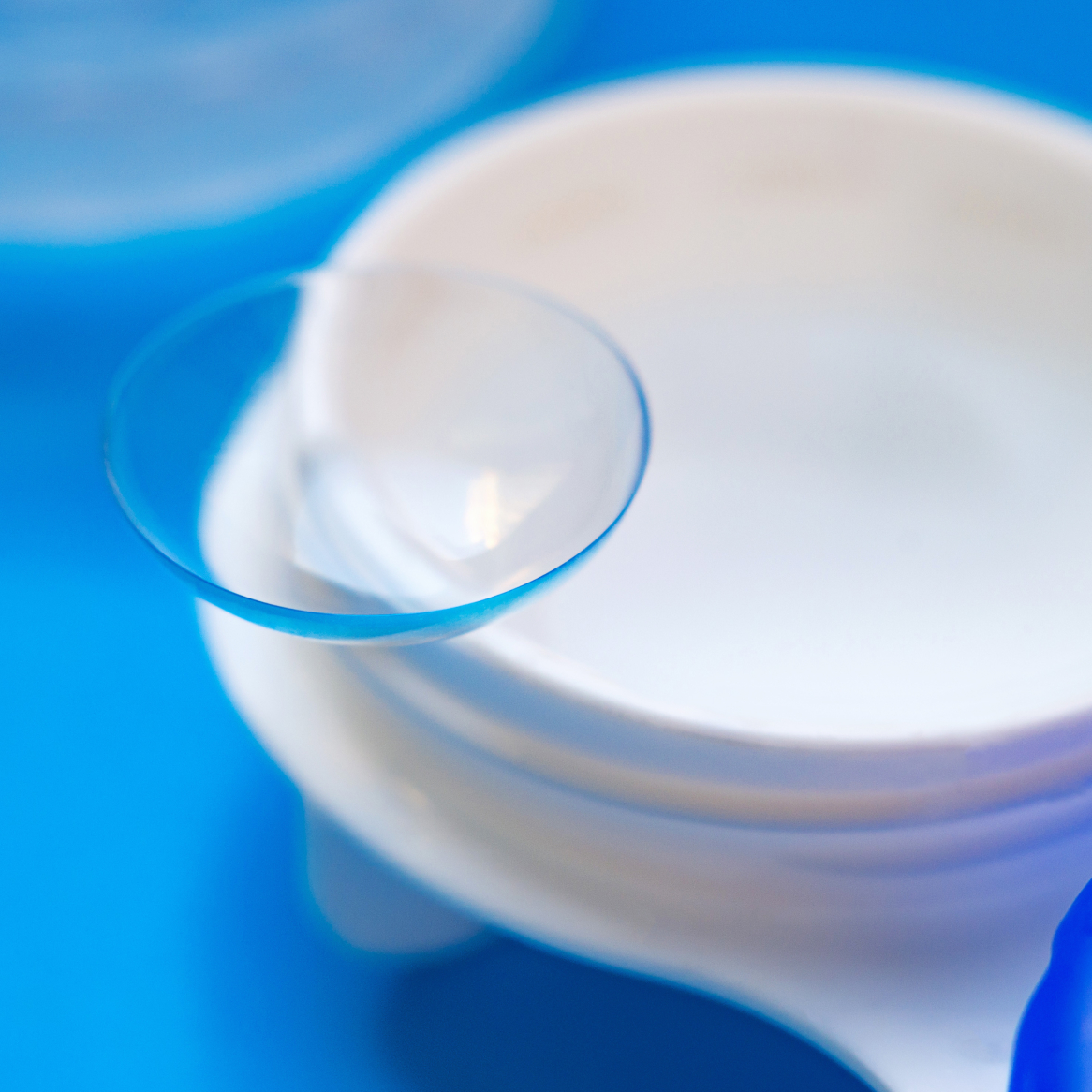
For many teenagers, contact lenses mark an exciting milestone. They offer a new sense of freedom from glasses while also introducing a level of responsibility that may be unfamiliar at first. As a parent, it’s natural to weigh the appeal of that independence against the practical challenges that come with contact lens wear. This article is designed to help you navigate that decision with clarity and confidence, covering everything from getting a prescription and choosing the right fit to understanding lens types and building healthy hygiene habits, all with your teen’s needs in mind.
On the plus side, contact lenses can make sports and physical activities feel easier and less restrictive, since there’s no worry about frames slipping or breaking. They also provide a wider field of view than glasses, which many teens appreciate, and for some, wearing contacts can offer a meaningful confidence boost. Another advantage is flexibility: teens can switch between contact lenses and glasses depending on their schedule, comfort, or preferences.
That said, contact lenses do come with responsibilities. Consistent hygiene is essential, and some teens may need time to build the habits required to wear lenses safely. Poor fit or an outdated prescription can lead to discomfort or eye issues, which is why professional guidance is so important. There are also ongoing costs to consider, including lenses and cleaning solutions, and improper care can increase the risk of infection. Understanding both the benefits and the trade-offs can help you decide whether contact lenses are the right next step for your teenager.
Understanding Eye Health and Accurate Prescriptions
When it comes to contact lenses, ensuring your teen has an accurate and current prescription is paramount. Unlike glasses, contact lenses require a specific prescription that takes into account not just the vision enhancement needed but also the curvature and size unique to each eye, as well as the specific lens brand. A thorough eye exam is essential, including a contact lens fitting to evaluate how the lens sits on the eye, as using the wrong prescription could lead to discomfort or even harm. Encouraging your teen to see an eye care professional can help you avoid these pitfalls to enhance their vision effectively and more safely.
Find the best frames for your face.
With Advisor, get recommendations based on your facial features and personal style—just like you’re shopping in-store.
Comfort and fit play critical roles in how well your teen adapts to wearing contacts. The lens base curve and diameter should match the cornea and eyelid anatomy, and your eye care provider can help your teen find the right-fitting contacts to promote comfort. Comfortable contacts can enhance your teen’s confidence, allowing them to focus more on their activities and less on their lenses.
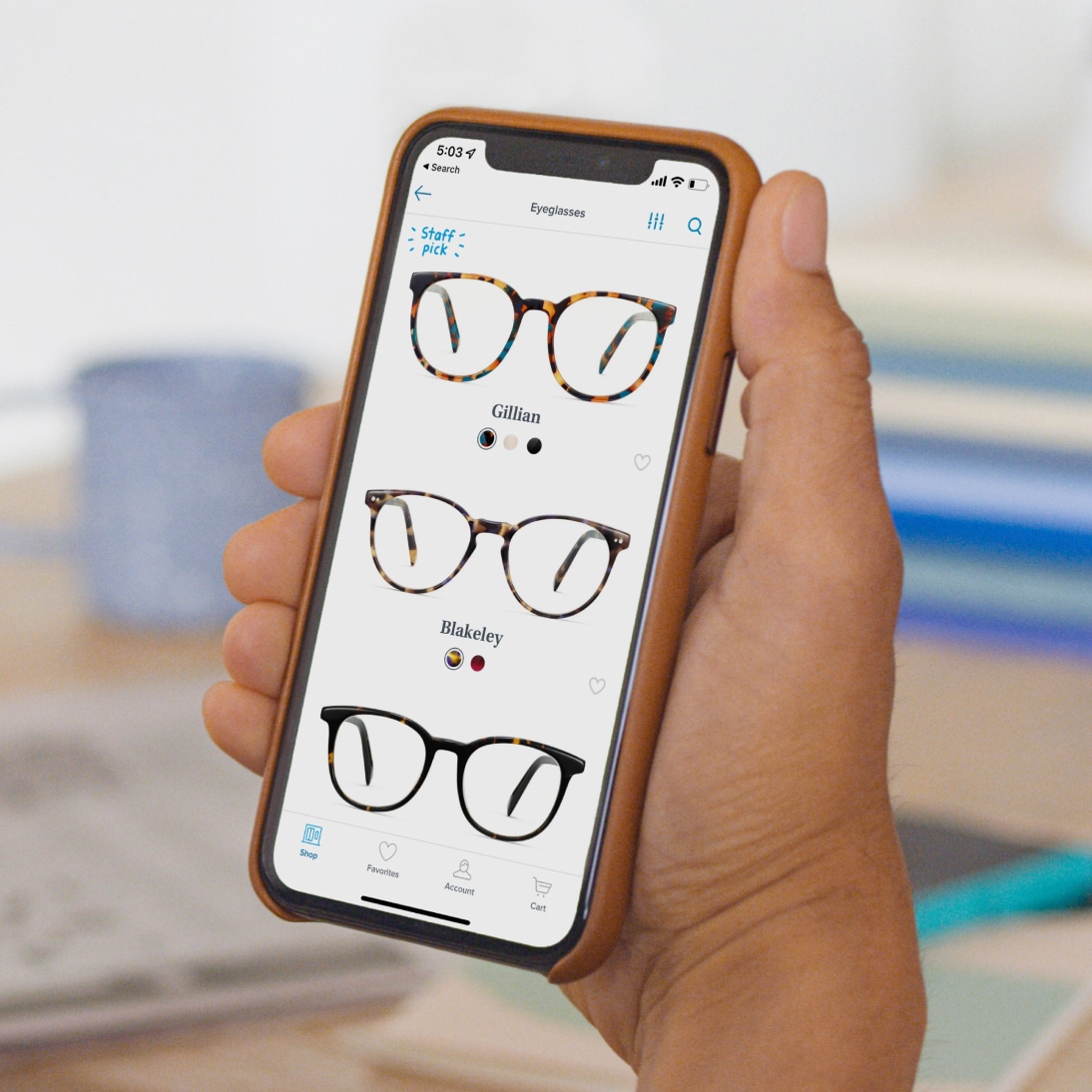
See how you look in our frames
Try on glasses at home virtually through your phone.
Types of Contacts: What’s a Good Match for Your Teen?
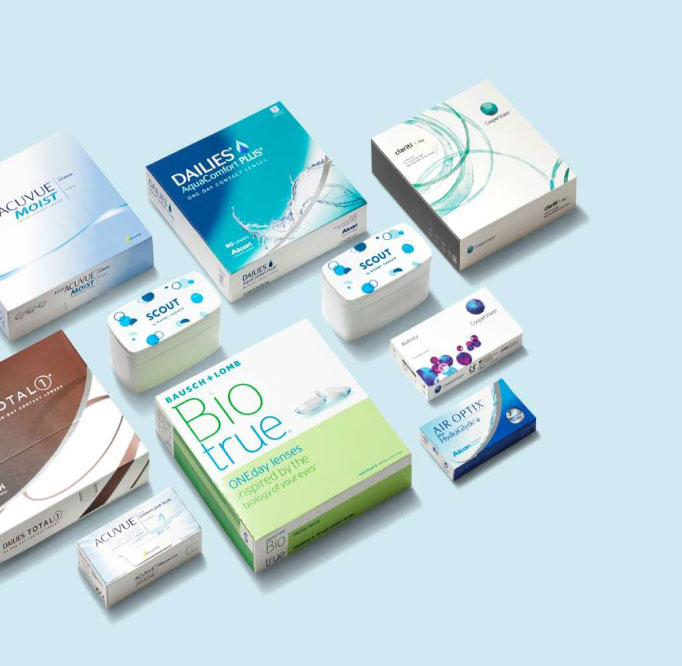
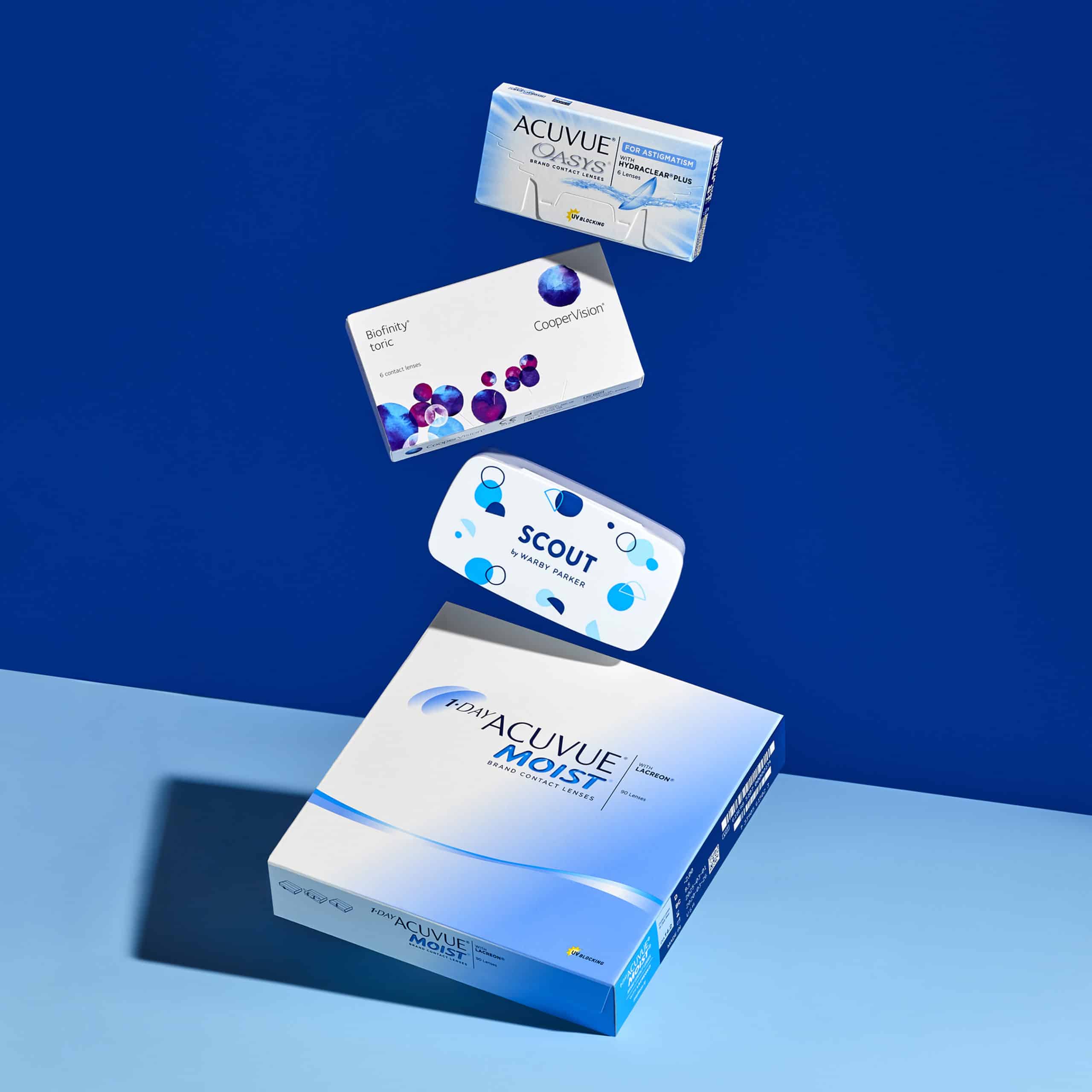
Selecting the appropriate type of contact lens depends on your teen’s lifestyle and habits. Daily disposables, for instance, are celebrated for their convenience and hygiene benefits, making them an excellent choice for those who may not be diligent with cleaning routines. Alternatively, bi-weekly or monthly lenses might be a more economical choice if your teen can maintain regular cleaning. Balancing these considerations with cost and maintenance can help you determine which lens type fits your teen’s needs.
Key considerations:
Daily disposables: convenient, hygiene-friendly for less diligent cleaners, and potentially better for dry eyes
Two-week/monthly lenses: more economical if cleaning routines are followed
Consider cost, maintenance, and your teen’s habits
Material and Breathability: A Focus on Eye Health
The materials used in contact lenses can significantly impact the comfort and health of your teen’s eyes. Lenses with high oxygen permeability are recommended, as they allow eyes to breathe, reducing the risk of dryness and infections. Silicone hydrogel lenses, for example, offer superior breathability and comfort, promoting healthier eyes over long hours of wear. Choosing the right material is a crucial step towards promoting long-lasting comfort and eye health for your teen, and your eye care provider can help determine the good options for your teen.
Material tips:
Look for high oxygen permeability
Silicone hydrogel options support long hours of comfortable wear
Lifestyle and Activity Considerations
Teenagers often lead active lives, and their contact lenses need to keep pace. Whether your teenager is practicing for a sports team or engaged in extracurricular activities, contact lenses should accommodate comfort and exposure to sweat. Daily disposables made for sports, known for their durability and comfort, could be a wise choice. Evaluating your teen’s average day can guide you in choosing lenses that support their active lifestyle seamlessly.
Hygiene and Maintenance: Teaching Responsibility
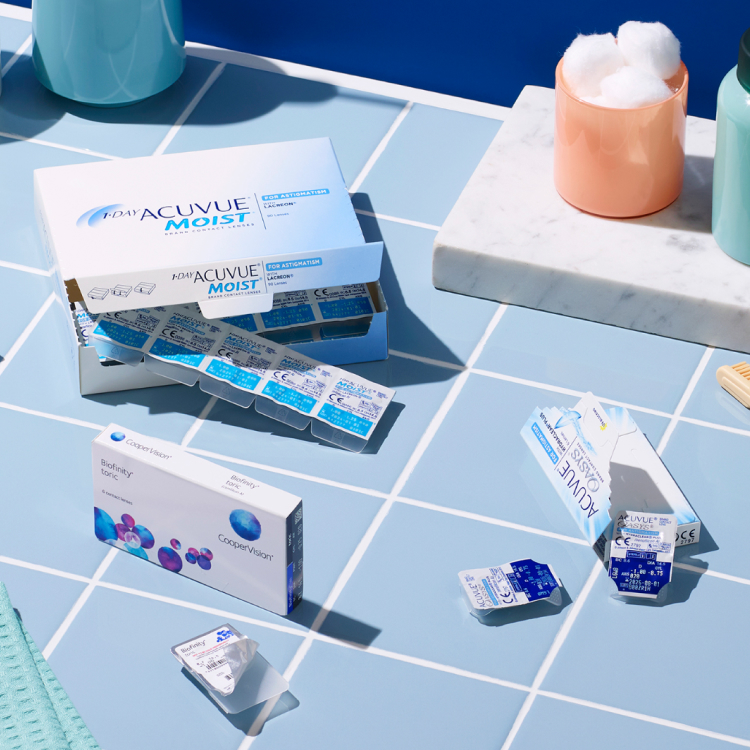
Proper hygiene in handling contact lenses is critical for eye health, highlighting the importance of teaching your teen responsible lens care early on. Depending on the lens modality, showing them how to clean and store lenses correctly reduces the risk of infections and elongates lens life. Daily disposables simplify this process, limiting the need for lens cleaning and storage, making them a perfect introduction to lens care. Initially, parental oversight may be necessary to reinforce good habits that ensure cleanliness and safety.
Hygiene essentials:
Wash and dry hands before handling lenses
Clean and store lenses as directed (if not daily disposables)
Replace lenses on the recommended schedule
Parental oversight at the start to reinforce habits
Allergy and Sensitivity Concerns
Before proceeding with contact lenses, it’s worthwhile to consider any allergies or sensitivities that your teen might have. Some materials or solutions used in contact lens care can exacerbate these conditions, so selecting products specifically designed for sensitive eyes is important.
Sensitivity considerations:
Consider sensitivities to materials or solutions
Choose products formulated for sensitive eyes
If discomfort persists, consider alternatives
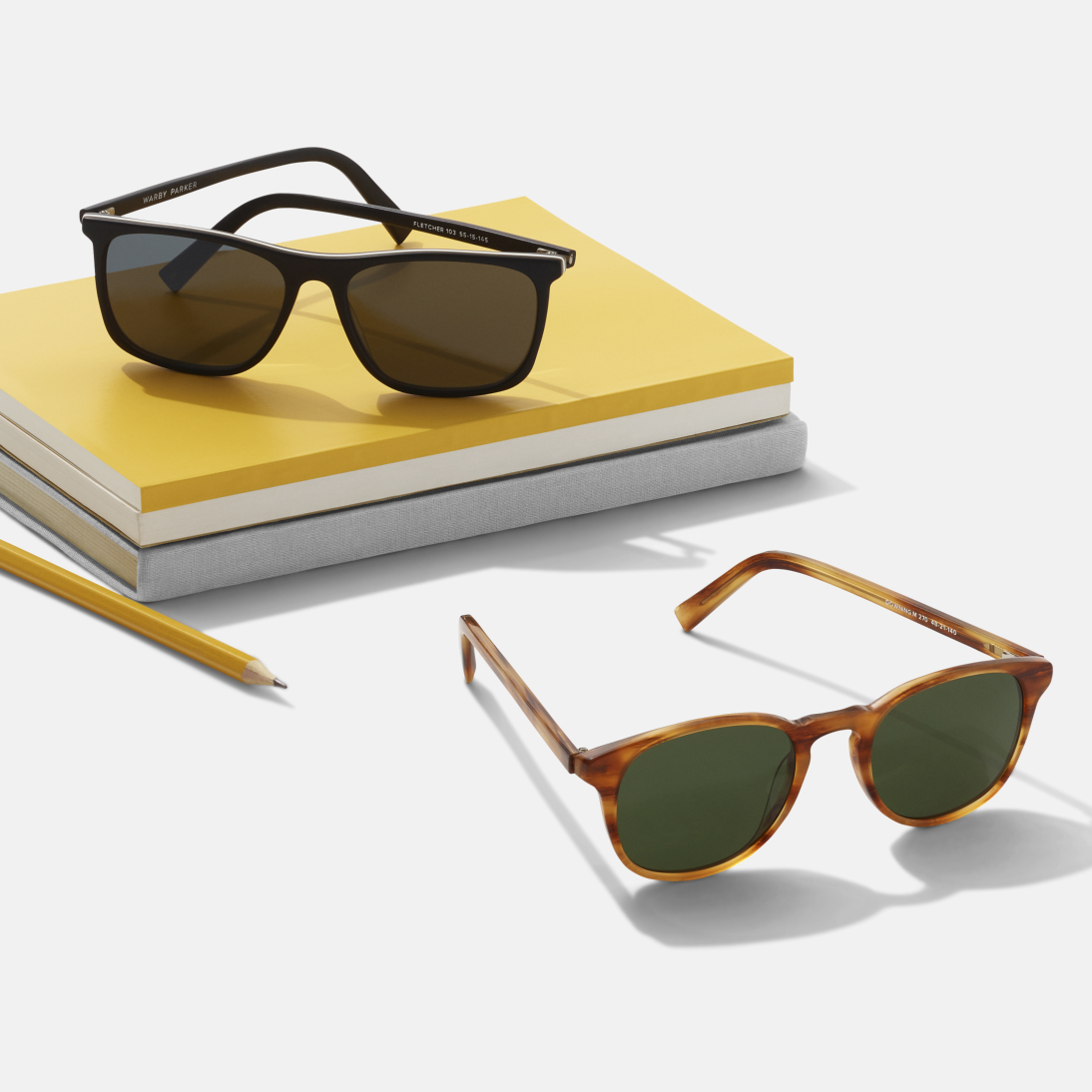
Need sunglasses?
Protect those peepers from the sun’s harmful rays with 100% UV-blocking sunglasses.
Embarking on the journey of choosing contact lenses for your teenager is a decision that involves multiple factors. From securing the correct prescription to ensuring proper hygiene, each step is crucial for the health and comfort of your teen’s eyes. By understanding and balancing these considerations, you as a parent can make an informed choice that suits your teenager’s needs. Engaging with eye care professionals can also provide valuable guidance in this process. For those ready to take the next step, you might consider scheduling an eye exam or reviewing options for frames that complement your teen’s contact lens use.
Next steps:
Schedule an eye exam with a contact lens evaluation for an accurate, current prescription
Review lens types and materials with an eye care professional
Pick a pair of glasses, it’s good to have a backup or for occasional wear
Ask your eye care professional if you have any questions about lenses or eye health
Key Takeaways
Thinking about helping your teenager make the move to contact lenses? It’s an exciting milestone, and one that works best with the right support in place. An eye exam is the perfect starting point, ensuring they have an accurate prescription and clear, age-appropriate guidance on how to wear and care for their lenses safely.
Beyond contacts, having a reliable pair of glasses on hand is always a smart complement. Exploring eyewear options gives your teen flexibility for sports, screen time, or days when they simply want a break from lenses.
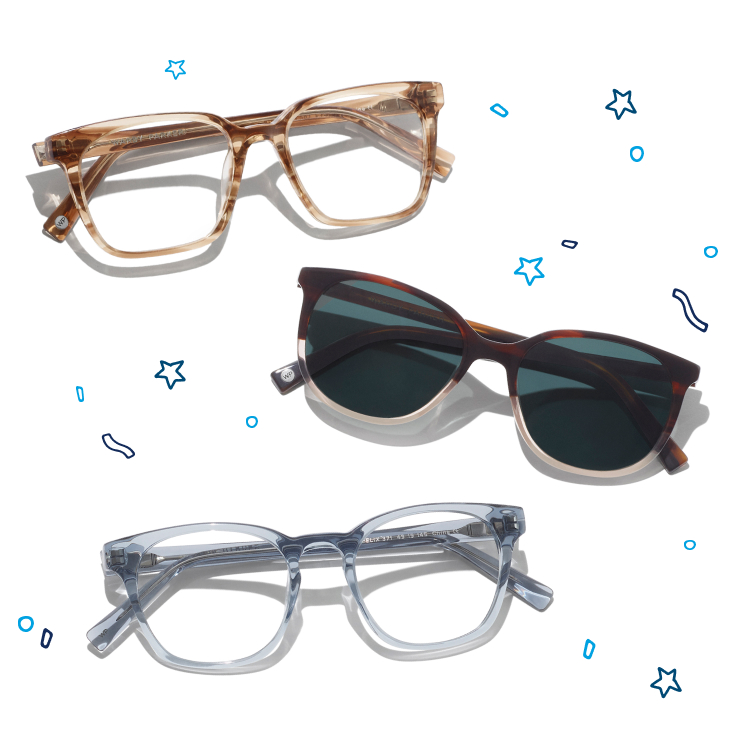
Is it time for new glasses?
Our prescription glasses start at $95 with free shipping.
If you’d like a more personalized approach, we’re here to help. Whether you have questions about readiness, lens options, or daily care habits, reaching out for expert advice can make the transition smoother, more comfortable, and confidence-boosting for both you and your teen.
Legal Disclaimer
MEDICAL DISCLAIMER: This content is provided for educational and informational purposes only and is not intended as medical advice, diagnosis, or treatment. This information should not be used to replace professional medical care or consultation. Individual results may vary significantly. Always consult with a qualified healthcare provider before making any decisions about your health, vision, or medical treatment. Never disregard professional medical advice or delay seeking treatment because of information you have read on this website.
VISION CARE DISCLAIMER: Vision correction needs vary by individual. Consult an eye care professional for personalized assessment and recommendations.
FDA DISCLAIMER: These statements have not been evaluated by the Food and Drug Administration. This content is not intended to diagnose, treat, cure, or prevent any disease or medical condition.
PROFESSIONAL CONSULTATION REQUIRED: Only qualified eye care professionals can provide personalized recommendations for your specific vision needs and health conditions.
This article is for informational purposes only. It is not intended to provide medical advice or substitute for professional health services. Warby Parker complies with all HIPAA regulations regarding your health information. For personal health questions or concerns related to your vision or eyewear prescriptions, please consult a qualified healthcare provider.
Contacts for everyone
Shop dozens of top contacts brands for less than other retailers—plus enjoy free shipping, returns, and no hidden fees.