If you’ve tried on a pair of glasses that feel lighter than your normal ones, have a smooth surface at contact points, and are unexpectedly stylish, there’s a good chance they were acetate eyeglass frames. This modern material has become a favorite of designers and opticians alike.
We will help you understand what makes acetate distinct so you can decide if it may be the right choice for your next pair of glasses or sunglasses. We’ll break down how acetate eyeglass frames are made, why they’re known for comfort and vibrant color, and how they compare with standard plastic and metal frames. By the end, you’ll be familiar with key characteristics of acetate, what to look for in a quality frame, and simple care tips to keep your glasses looking sharp for years.
What Are Acetate Eyeglass Frames?
Acetate frames are crafted from cellulose acetate, a plant-based plastic derived from cotton or wood pulp rather than petroleum. This gives the material a premium feel that’s different from basic injected plastics. Cellulose acetate is a cellulosic, thermoplastic material, which means it’s easy to shape, polish, and color while still holding its form over time.
Instead of being poured into a mold, most high-quality acetate eyeglass frames are cut from solid sheets. These sheets are layered, patterned, and dyed before being precisely machined into frame fronts and temples. That layered construction is what creates depth in tortoiseshell, translucent, and gradient styles.
Find the best frames for your face.
With Advisor, get recommendations based on your facial features and personal style—just like you’re shopping in-store.
After cutting, the pieces are tumbled and hand-polished to achieve a smooth, glossy finish. Many opticians view the deep shine and rich patterns of acetate as a hallmark of premium eyewear. Compared with standard plastic frames, the material is often described as denser and more refined, with a stable feel on the face.
For shoppers comparing options, acetate can be thought of as the “tailored suit” of eyewear materials-shaped, finished, and adjusted with care for a refined look and feel.
Comfort is one of the reasons people frequently choose acetate eyeglass frames. The material is naturally smooth and tends to feel warm to the touch, so it doesn’t usually feel cold when you first put it on. Acetate frame fronts do not contain metal in the same way some metal frames do, and many acetate designs do not incorporate nickel in areas that rest on the skin. For people who prefer to avoid certain metals in their eyewear, this can be an appealing option. (If you have concerns about skin reactions, it’s a good idea to discuss materials with an eye-care professional.)
Another practical feature is adjustability. Opticians can gently heat acetate so they can fine-tune the fit over your ears and around your nose. Some professional guides note that acetate can be adjusted with precision and that the material is dimensionally stable, which helps frames retain their shape once fitted.
Weight also plays a role in how frames feel. While acetate is not always the lightest material available, many people feel that it balances weight with a solid, secure feel. When paired with properly fitted nose pads and temple tips, this can contribute to a comfortable fit for everyday wear.
If you wear glasses for long stretches of the day, details like smooth edges, a secure fit, and reduced pressure at contact points can contribute to a more comfortable experience for many wearers.
Color, Style, and Design Possibilities
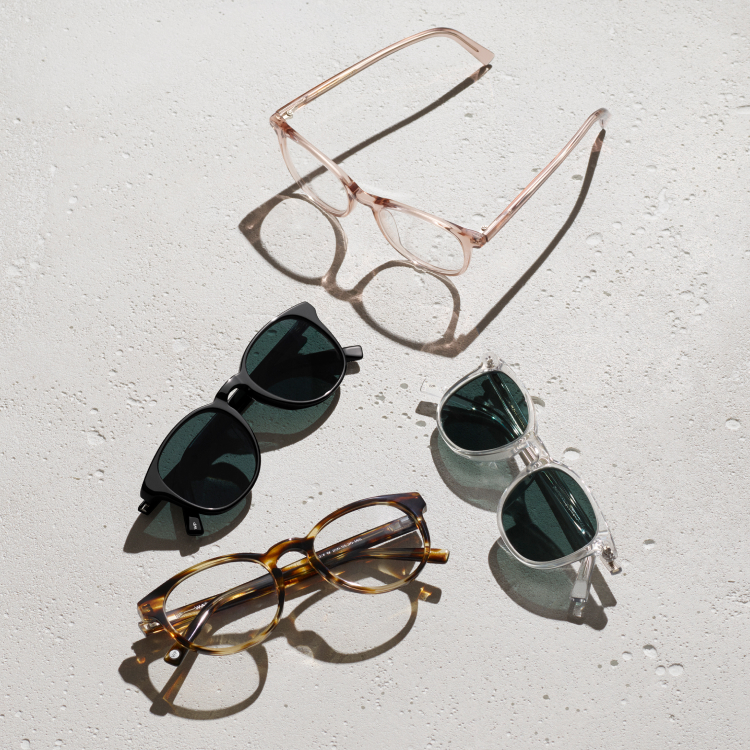
Acetate is famous for color. Because the base material is easy to dye and laminate, designers can create everything from classic crystal clear frames to bold neons and intricate tortoiseshell blends. This flexibility is a key reason fashion-forward brands rely on acetate for statement pieces.
The manufacturing process allows layers of different colors and transparencies to be fused together in a single sheet. After acetylation and maturation, the material is cast into acetate sheets, dyed, laminated, and cut, giving each finished frame a unique pattern. That’s why two “tortoise” frames may have the same palette but slightly different swirls and flecks.
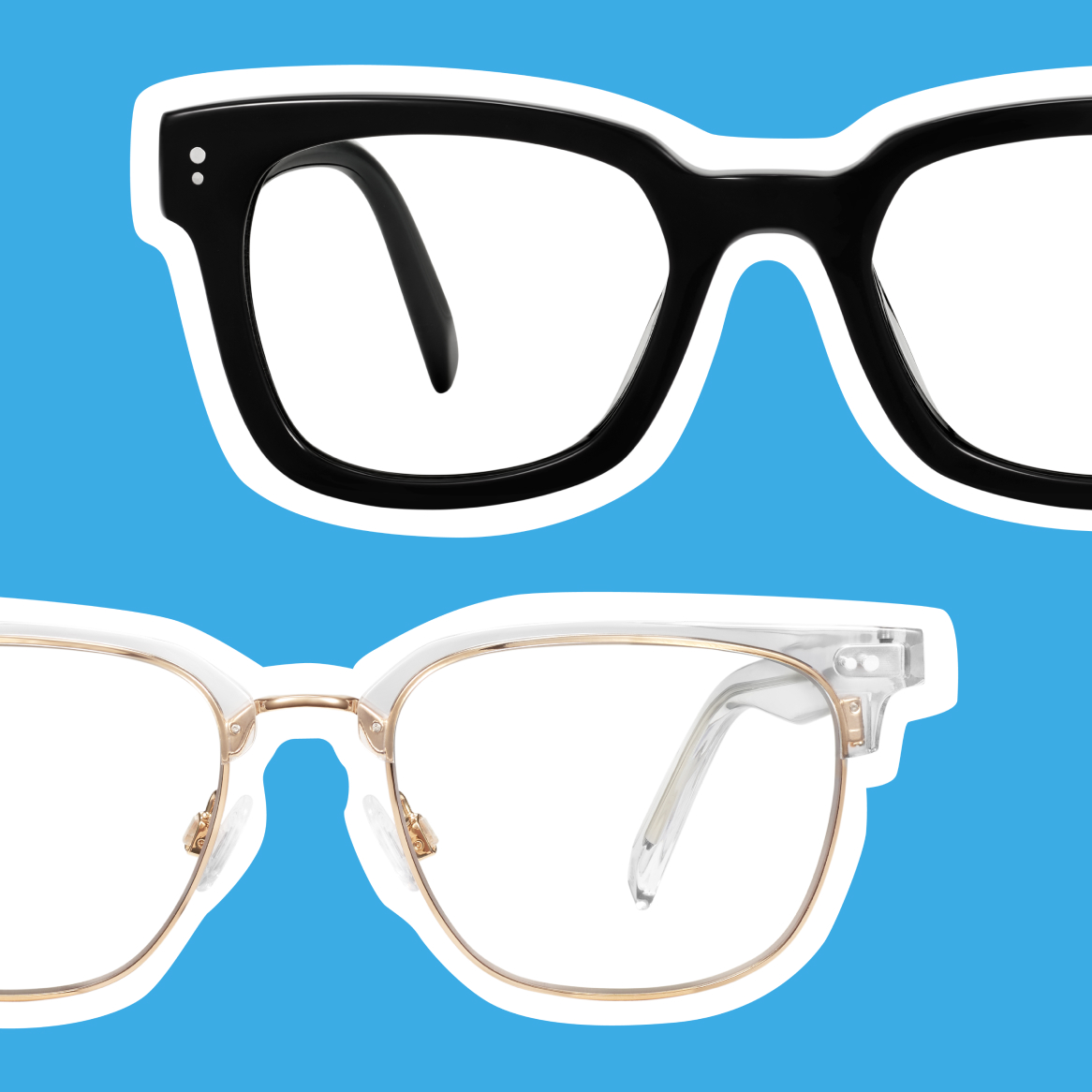
Compared with thin metal frames, acetate can carry bolder shapes and thicker silhouettes without looking clunky. It’s ideal if you want:
Translucent pastels or soft gradients that flatter skin tone
Deep, glossy tortoise or horn-inspired finishes
For many wearers, acetate becomes a style signature-something that feels more like an accessory than a medical device, while still holding prescription lenses with precision.
Thoughts on Acetate Eyeglass Frames
When you combine adjustability, a smooth finish, and a wide range of color options, it’s easy to see why acetate eyeglass frames have become a popular choice for everyday wear. The material’s plant-based origins, polished surfaces, and ability to hold complex patterns give it a distinct look and feel compared with many basic plastics, while still feeling approachable and versatile.
If you’re choosing your next pair of glasses, start by focusing on the shapes and colors that fit your style and wardrobe, then look for quality details: smooth polishing, sturdy hinges, and even color throughout the frame. A well-made acetate frame may feel stable when you put it on, and many people find that an adjustment by an optician can further improve how the frame sits.
To keep exploring, browse current acetate collections, compare a few styles in person, and ask an eye-care professional to fine-tune the fit. Some people prefer acetate over other common materials once they’ve had a chance to try it.
Travel lighter
Consider light-responsive lenses or Clip-Ons in lieu of traditional sunglasses.
Acetate is often described as a durable, dimensionally stable material for eyewear. With normal use and simple care, quality frames can last for an extended period.
Are acetate glasses good for sensitive skin?
Many acetate frames are designed so that the main parts resting on the face are made from acetate rather than exposed metal. Some designs may still include metal components, such as in the hinges or internal reinforcements, so it can be helpful to ask an optician about specific materials used in a frame.
Interested in Multifocal Contacts?
Schedule a contact lens exam to discuss if multifocal contacts are right for you.
Experiences vary, but many people describe acetate frames as feeling solid without being overly heavy. Frame size, lens type, and fit all influence how glasses feel on your face, and an optician can adjust your frames to help them sit more comfortably.
How do I care for acetate eyeglass frames?
Use lukewarm water and mild soap, then dry with a soft cloth. Avoid high heat, harsh chemicals, and leaving glasses on hot car dashboards or radiators.
Can acetate eyeglass frames be adjusted?
Yes. Opticians can gently heat and reshape acetate for a more tailored fit around your ears and nose, which may help reduce slipping and improve how the frames sit on your face.
What makes acetate frames different from regular plastic?
Acetate is cut from layered sheets, allowing layered color, a polished finish, and a stable structure.
*Disclaimer: This article is for general informational purposes only and does not constitute medical, vision, or other professional advice. It is not a substitute for consultation with a qualified eye-care professional, who can provide guidance based on your individual needs and circumstances. If you have questions about your eyes, vision, skin reactions, or eye discomfort, talk with an eye-care professional. In an emergency or if you are experiencing severe symptoms, contact emergency services immediately.*
Glasses starting at $95
Each pair includes prescription lenses with scratch-resistant, anti-reflective, and superhydrophobic treatments—and they block 100% of UVA and UVB rays.