Petite Reading Glasses for Small Faces | Fit & Style Guide
If every pair of readers you try slides down, overwhelms your face, or feels like it was made for someone else, you are not imagining it. Most mass-market frames are designed for average head sizes, leaving people with small or narrow features frustrated.
This guide is designed to help you choose petite reading glasses with a focus on size, fit, and style-so you can better understand common measurements and how different shapes and colors may work with smaller features.
We will break down what makes petite reading glasses different, how to read frame measurements, and which shapes, colors, and details are often chosen by people with smaller facial features.
Thinking about progressives?
Our progressives give you seamless near, intermediate, and distance vision in one pair of glasses
By the end, you will have a clearer idea of which numbers to pay attention to, what styles you may want to prioritize, and how to work with an eye-care professional to talk about frame fit and size.
Why Frame Size and Fit Matter for Petite Reading Glasses
As many adults enter their 40s and 50s, they often start to notice that near tasks become harder to see. This age-related change, called presbyopia, is commonly addressed with options like reading glasses or multifocal lenses, based on guidance from an eye-care professional. For people with small faces, that need runs straight into a sizing problem: standard frames are often too wide, too tall, or too heavy.
Research on spectacle frame parameters and their effects on visual performance suggests that factors like frame size and lens position can influence clarity, field of view, and overall visual experience. When frames sit unusually low or far from the eyes, some people may notice changes such as distortion, reduced usable viewing area, or visual discomfort.
Guidance for choosing eyeglasses typically highlights factors like frame width, bridge fit, and nose support. For people with smaller facial features, this can include looking at frames that are narrower, lighter, or that have a smaller bridge so the lenses sit in a position that feels appropriate for the wearer.
In short, petite reading glasses are one option for people who prefer frames that feel more proportionate on smaller faces and who want an alternative to wider, bulkier styles.
How to Read Petite Reading Glasses Sizes
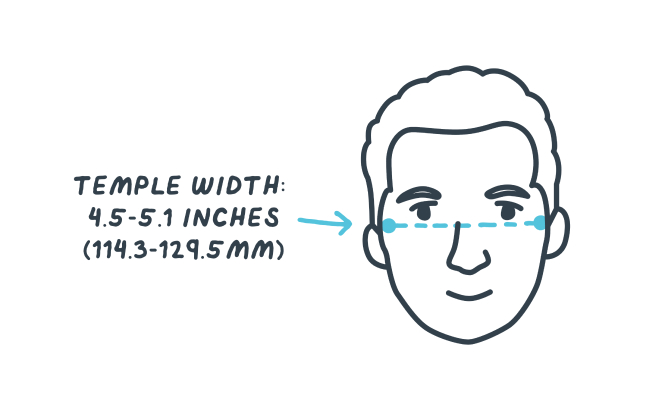
A key step in finding petite readers that feel well-sized is learning to decode the numbers printed inside the frame. Most glasses list three key measurements in millimeters: lens width, bridge width, and temple length. Together, these contribute to overall frame width and how the glasses sit on your face.
Our guide on how to read glasses sizes explains that small and narrow faces often do well with smaller lens widths (commonly in the low 40s to mid-40s mm), narrower bridges, and temples that do not stick out far beyond the ears. For petite reading glasses, many people look for a total frame width that stays close to the width of their face and a bridge that feels secure on the nose.
- Lens width (eye size): For many petite faces, around 42–47 mm can be a helpful starting range, depending on your facial proportions and style preferences.
- Bridge width: People with narrower noses often look at bridges in the 14–17 mm range; adjustable nose pads can offer additional flexibility.
- Temple length: Shorter temples can influence how the frame rests behind the ears and along the sides of the head.
- Frame height: For reading-only lenses, moderate frame height can help keep the frame feeling lighter and visually balanced on small features.
Interested in Progressives?
Make an appointment with an eye doctor to discuss if progressives are right for you
If you already own a pair of glasses that is close to what you like, you can use its measurements as a baseline and explore options that are slightly narrower in width or bridge size. When shopping online, it is helpful to check the full size specifications rather than relying only on generic tags like “small” or “narrow.”
Styles of Petite Reading Glasses for Small Features
Once you have a sense of measurements, you can focus on style. The aim for many people with petite faces is to choose frames that feel balanced with their features.
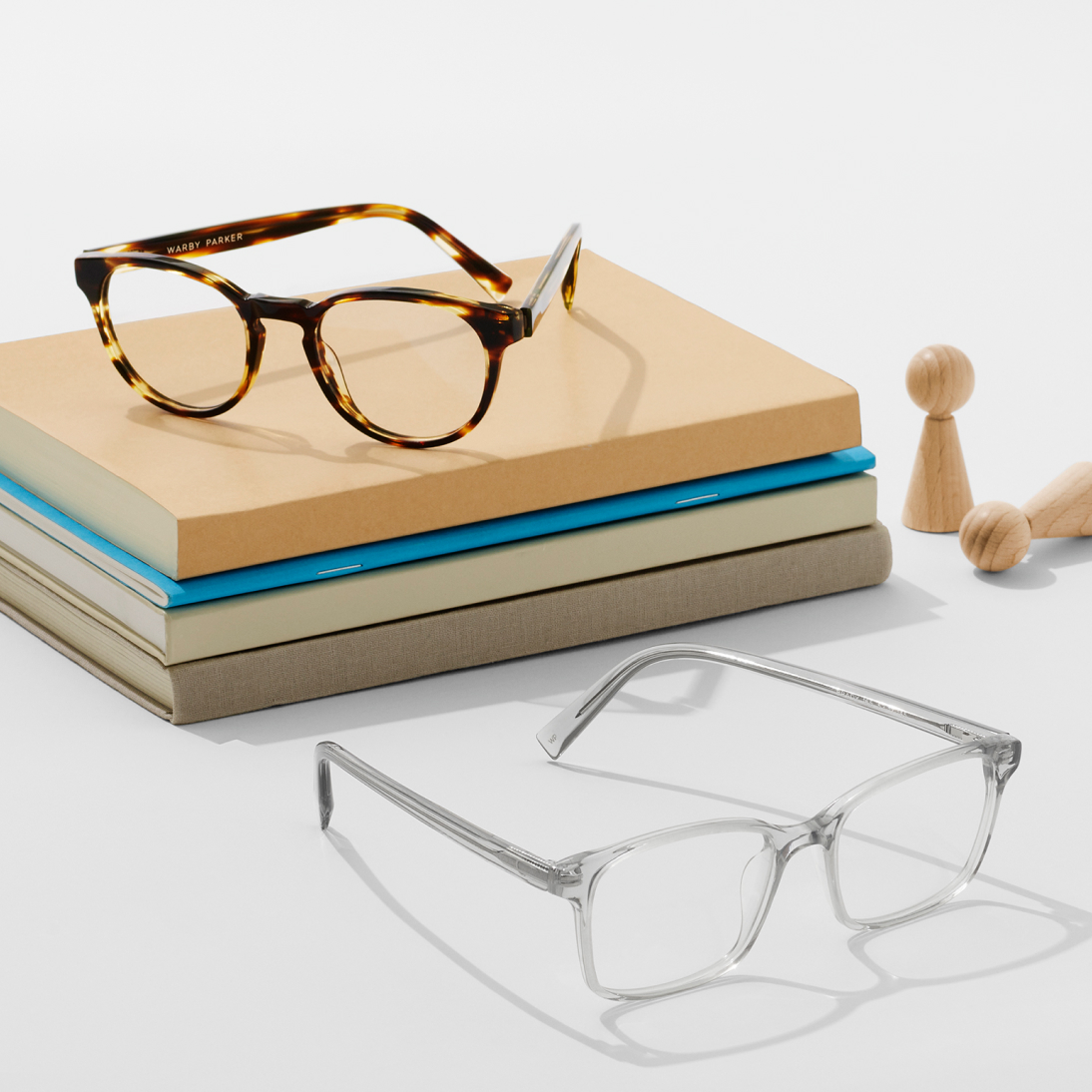
Certain shapes are often popular among people with smaller or more delicate features. Cat-eye and softly rounded rectangular frames, for example, can be flattering for many wearers because they add gentle structure without necessarily dominating the face. Those who prefer a minimalist look may gravitate toward narrow rectangles or subtle rounded-square frames in thin acetate or lightweight metal.
Color and detailing can also influence how frames look on small faces. Lighter neutrals, clear acetates, and soft tortoiseshells often create a more understated effect than very dark, blocky styles. If you enjoy bold color, you might consider a slim, petite frame in a saturated tone instead of very thick, oversized rims. Delicate details at the temples can add personality without adding much visual bulk.
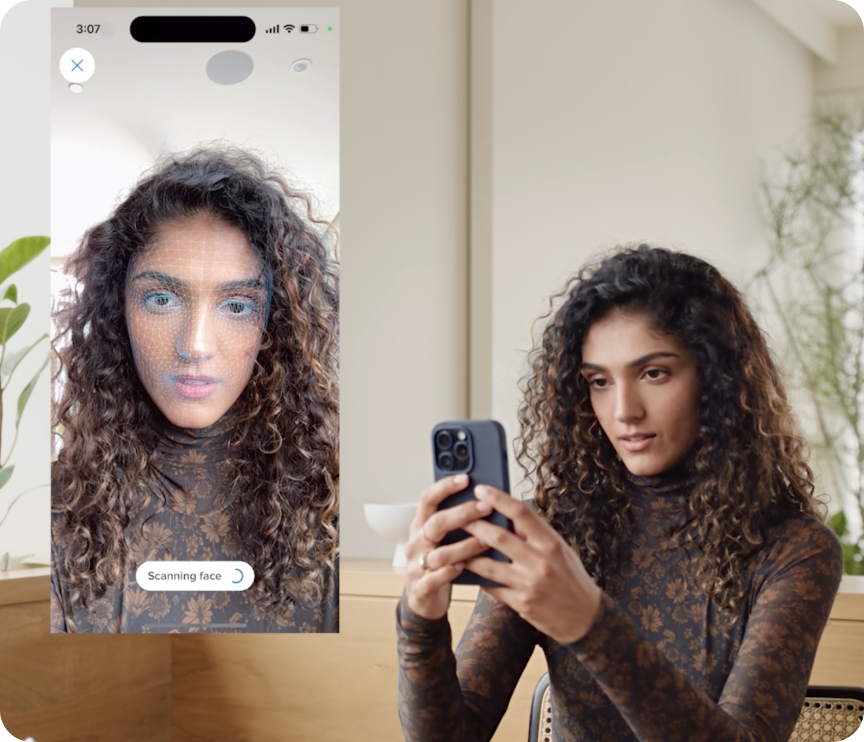
Ultimately, “flattering” is subjective. Trying on a range of shapes and colors – either virtually or in person – can help you see what feels most like your personal style.
Final Thoughts on Petite Reading Glasses
Finding petite reading glasses that feel right is part measurements and part personal style. When you understand basic frame measurements and how different shapes may interact with small features, you may find it easier to shop more intentionally instead of relying only on trial and error.
A simple next step is to measure a pair of glasses you already own, note what feels a bit too wide or too loose, and use those numbers as a starting point when you compare new frames. Pairing that information with a recent eye exam and a conversation about your frame-fit preferences with an eye-care professional can help you choose options that align with your needs and style.
If this guide was useful, you might want to share it with a friend who also prefers smaller frames or bookmark it for your next shopping trip as a quick reference on sizing and styles for petite readers.
Time for a check-up?
Annual eye exams can help doctors detect eye and other health conditions, even before you have any symptoms
Frequently Asked Questions
What size counts as petite reading glasses?
Most petite frames tend to have lens widths around 42–47 mm, narrower bridges (often around 14–17 mm), and total widths that do not extend far beyond the width of the wearer’s face. Exact sizes vary by brand and style, so checking the specific measurements is important.
Are petite reading glasses only for women?
No. “Petite” refers to the general frame size, not gender. Any person with a small or narrow face may prefer the look and feel of smaller, more proportionate frames.
Can I use over-the-counter readers if I have a petite face?
Some people with petite faces use over-the-counter readers. However, many over-the-counter options are made in wider sizes. If you find that your readers often feel loose or extend noticeably beyond your face, you may want to explore narrower or petite-sized frames and review the measurements before you buy.
Need new glasses?
Vitually try on frames in the comfort of your own home
How do I know if my reading glasses are too big?
Signs that your glasses may be too large can include temples that noticeably flare out, a frame front that extends well past your cheekbones, or a bridge that frequently slides down your nose. If you are unsure, an eye-care professional or optical stylist can help you assess the fit.
Do I need a special prescription for petite reading glasses?
No special prescription is required for petite frames. In general, you need an up-to-date prescription from an eye-care professional and frames whose measurements align with your preferences for how the lenses sit in front of your eyes. Your provider can help you understand your prescription options.
Can petite reading glasses help with headaches or eye strain?
Petite reading glasses refer to the size and proportions of the frame. If you are experiencing headaches, eye strain, or other discomfort while doing near work, it is important to talk with an eye-care professional, who can evaluate potential causes and recommend appropriate options. Frame size and fit are just one of many factors they may consider.
*Disclaimer: This article is for general informational purposes only and is not intended as medical advice, diagnosis, or treatment. It should not be used to make decisions about your individual eye health, vision needs, or any medical condition. Always consult an optometrist, ophthalmologist, or other qualified eye-care professional with questions about your eyes, vision, or glasses. If you are experiencing sudden changes in vision, eye pain, or any other urgent symptoms, contact a health care provider right away or call your local emergency number.*
Need Glasses?
Shop prescription glasses starting at $95