What to Do About Dry Eyes: The Role of Gel Drops
We’ve all been there: after hours of staring at a computer screen, your eyes feel as though they’ve been through a sandstorm—dry, itchy, and achy. In today’s screen-saturated world, this feeling is all too common. Whether you’re working, scrolling, or streaming, your eyes can quickly become overworked and under-moisturized.
Enter dry eye syndrome—a condition that occurs when your eyes aren’t getting enough moisture to function comfortably. In this article, we’ll explore what causes dry eyes, how gel drops differ from regular eye drops, and when these thicker, longer-lasting drops can provide longer-lasting relief.
What Are Dry Eyes?
Dry eyes occur when your eyes don’t produce enough tears or when the tears you produce are of poor quality. Tears do more than just wash away emotions—they create a protective layer on the surface of your eyes, keeping them lubricated, nourished, and comfortable. When that protective layer is compromised or breaks down, discomfort sets in. Symptoms can include burning, itching, redness, and, paradoxically, watery eyes—sometimes as a response to dryness.
In short, dry eyes happen when your tear film is either insufficient or unstable, leaving your eyes feeling dry and irritated. Everyday activities like reading, driving, or even blinking can become an uncomfortable chore.
Common Causes of Dry Eyes
There’s rarely a single cause for dry eyes. Dry eyes often stem from a combination of lifestyle, environment, and health-related factors. Here are the most common causes:
- Extended Screen Time: When we focus on screens, we tend to blink less often, causing our tears to evaporate more quickly. The result? Dry, irritated eyes that can feel heavy and tired.
- Aging: Tear production naturally declines with age, making dry eyes especially common in people over 50. It can also be exacerbated by other age-related conditions.
- Environmental Factors: Dry, windy, or smoky environments can lead to faster evaporation of your tears. If you live in a low-humidity area, spend time in air-conditioned or heated spaces, or even fly frequently, you may notice your eyes drying out faster.
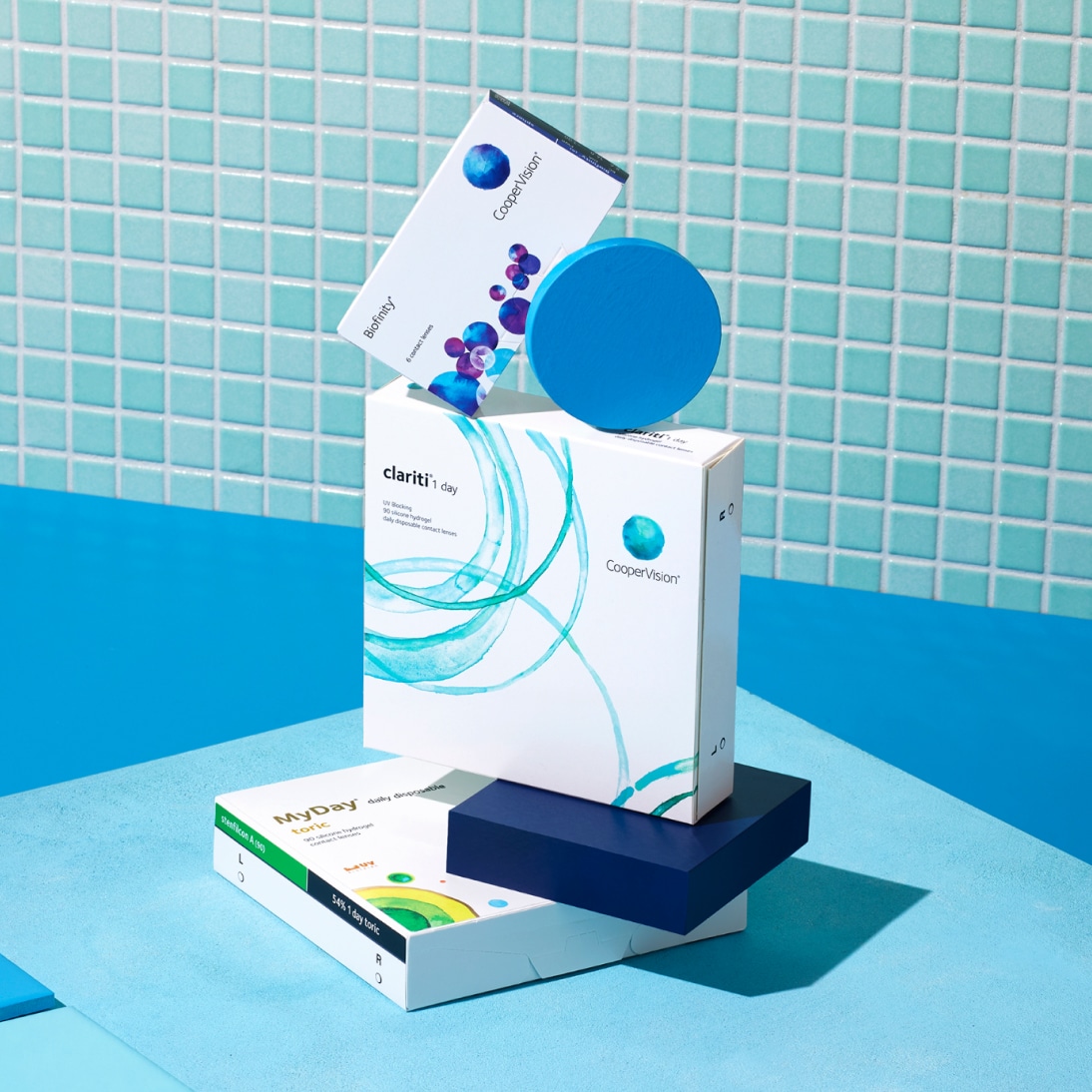
- Contact Lenses: While contact lenses offer convenience, they can also contribute to dry eyes. Wearing contacts disrupts the natural tear film, making eyes feel dry and irritated after long hours of use.
- Health Conditions and Medications: Certain health conditions, such as Sjögren’s syndrome or lupus, can lead to chronic dry eyes. Additionally, medications like antihistamines, antidepressants, or even decongestants can decrease tear production, contributing to dryness.
Understanding the root cause of your dry eyes is key to finding the right treatment. Dry eyes can often be managed with the right routine—and gel drops may play a helpful role for many people. Seeing your healthcare provider is always a great idea when deciding on the routine that is best for you.
Gel Drops vs. Regular Eye Drops: What’s the Difference?
Walk down the eye care aisle of any pharmacy, and you’ll find a variety of eye drops promising relief from dry eyes. Most are regular drops, which are typically watery solutions that offer quick moisture for the eyes. But for more lasting comfort, gel drops might be exactly what your eyes need.
So, what sets gel drops apart from their regular counterparts? Let’s break it down:
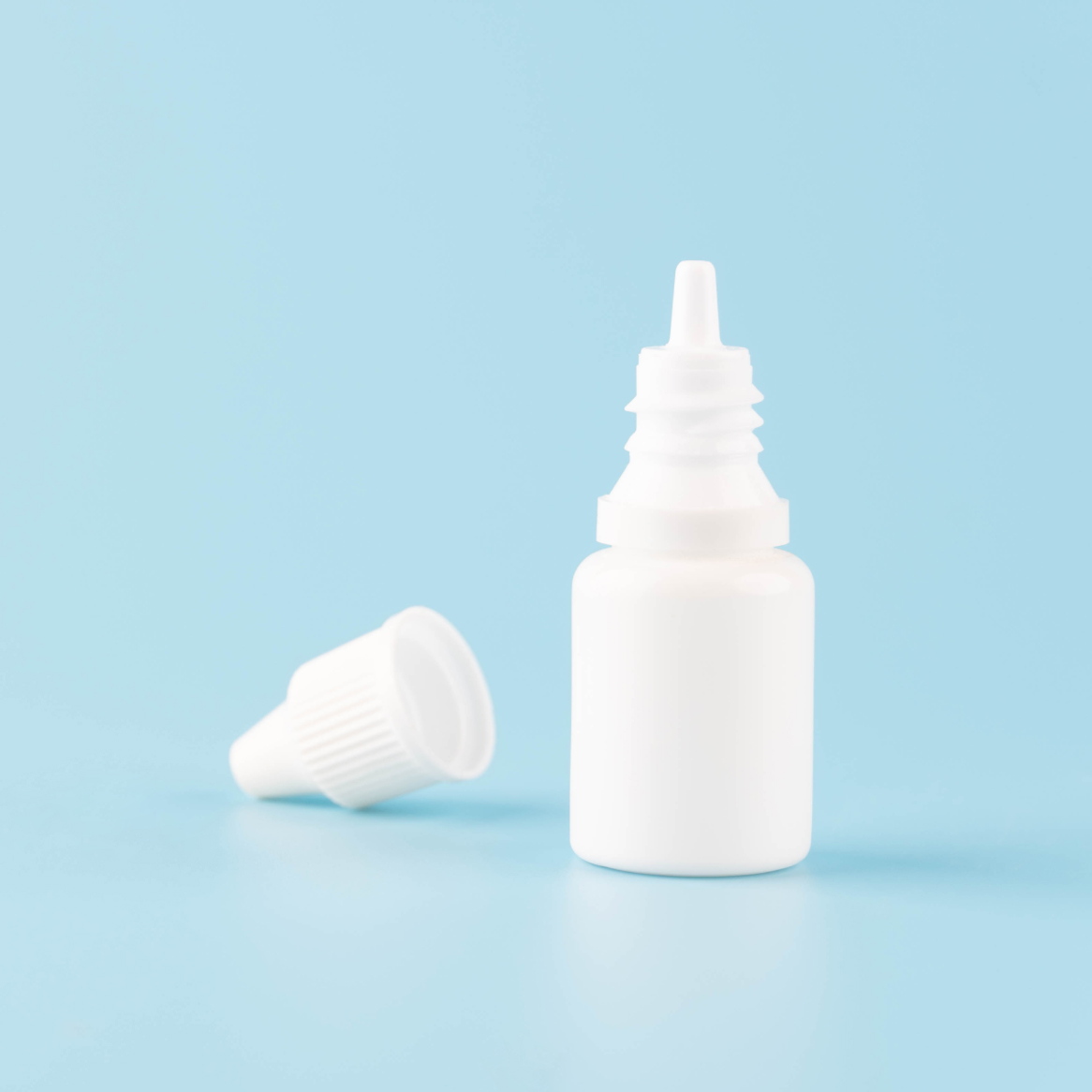
- Thicker Consistency: The biggest difference between gel drops and regular eye drops is their consistency. While regular drops are thin and watery, gel drops have a thicker, more viscous texture. This extra thickness helps the drop adhere to the surface of your eyes longer, providing a longer-lasting moisture boost that prevents quick evaporation.
- Longer-Lasting Relief: Choose a thicker formula for longer-lasting relief: Gel drops have a more viscous consistency than regular watery eye drops, allowing them to stay on the eye’s surface longer. This helps lock in moisture and reduce the need for frequent reapplication—making them ideal for more persistent dryness or times when you want extended comfort.
- When to Use Them: Regular drops are great for intermittent dry eye symptoms and can be used throughout the day without blurring your vision. However, gel drops are especially useful in certain situations—like providing overnight relief or managing more severe dry eye symptoms. Their thicker consistency offers lasting hydration but may cause temporary blurred vision, making them best suited for nighttime use or during breaks when clear vision isn’t essential.
To put it simply, gel drops are thicker, last longer, and can offer more intensive relief compared to regular drops. Many people use a combination of both—regular drops for daytime relief and gel drops for longer-lasting comfort at night or during particularly dry days.
When to Consider Gel Drops for Dry Eyes
Now that you know the difference between gel drops and regular drops, when should you reach for gel drops specifically? Here are a few situations where gel drops can provide significant relief:
- Overnight Relief: Do you wake up with dry, irritated eyes? That’s a common problem for people with dry eye syndrome, especially if your eyelids don’t fully close while you sleep. Gel drops can create a moisture barrier that helps many people wake up with more comfortable, hydrated eyes. The thicker formula is ideal for sleep, as it stays in place while your eyes are closed, offering extended hydration throughout the night.
- Daytime Support in Dry Conditions: Regular drops may not be enough on those days when your eyes feel dry again just minutes after using them. If you’re heading out on a long flight, preparing for a marathon study session, or spending hours outdoors in dry conditions, gel drops provide a longer-lasting solution.
- When Regular Drops Aren’t Cutting It: If you’ve been using regular eye drops, but still feel like your eyes are constantly dry, it might be time to try gel drops. Their thicker consistency offers intensive moisture, which some people find helpful for moderate to severe dry eye symptoms. If over-the-counter gel drops still don’t offer sufficient relief, it may be time to consult with your eye doctor to explore other options.
A Few Tips for Using Gel Drops
Here are some tips to make sure you’re getting the benefits of your gel drops:
- Check the Label: Make sure you’re choosing gel drops, not regular drops. Look for labels that specifically mention “gel” or “gel tears.” If you wear contacts, most gel drops are intended for use when your lenses are out, so be sure to check the instructions carefully and consult with your eye doctor.
- Expect Temporary Blurriness: Because gel drops are thicker, they can cause temporary blurriness. Don’t worry—this usually clears up within a few minutes. If you need to see clearly right away (for example, when driving), stick to regular drops and save the gel for times when you can relax.
- Use As Needed: For most people, a single application in the evening or during particularly dry episodes should do the trick. If you find yourself needing to reapply more than a handful of times a day, it’s a good idea to talk to your eye doctor.
- Pair with Other Remedies: Gel drops work best as part of a comprehensive dry eye care routine. Along with drops, consider taking consistent breaks from screens, using a humidifier in dry rooms, or applying warm compresses to soothe your eyes. Together, these habits can help keep your eyes comfortable throughout the day.
Wrapping It Up
With the right care, including the use of gel drops, you can significantly reduce the discomfort and irritation associated with dry eyes. Gel drops may offer longer-lasting comfort for people with more pronounced dry eye symptoms, making them a useful part of some eye care routines. Whether you use them overnight or during particularly dry days, they can provide the moisture your eyes need to stay hydrated and comfortable.
While gel drops don’t treat the underlying causes of dry eyes, many people find they help alleviate discomfort associated with symptoms. If over-the-counter options aren’t enough to alleviate your discomfort from dry eyes, consult with your eye doctor to determine the underlying issue or explore alternative treatment options.
Disclaimer: This article is for informational purposes only and does not constitute medical advice. Please consult a licensed eye care professional to determine the best treatment or product for your individual needs and call 911 in an emergency.