
The distance a person can see with the naked eye is limitless. So, if the phrase “as far as the eye can see” sounds like a long way, that’s because it is. But numerous factors affect the human vision range. To see a maximum distance, you’d need all circumstances to be optimal—such as a clear line of sight with nothing in the way, a tall vantage point, and a tall target.
We’ll take a look at these factors and others and explain how they help determine the human range of vision.
8 Factors Affecting How Far a Human Eye Can See
A lot of factors come into play when determining how far people can see.
For instance, on a clear, dark night, if a person with good eyesight has an unobstructed view, they can see the Andromeda Galaxy, around 2.5 million light-years away. The human eye can also see the Triangulum Galaxy. At around 3 million light-years away, it’s thought to be one of the farthest objects visible from Earth by the human eye.
However, we can’t always see millions of light years away. Certain circumstances tend to keep that from happening, such as obstructions, the particular viewing location, and the brightness of the distant object being looked at.
Let’s take a look at some common variables in the human range of vision.
1. Obstructions in the Line of Sight
Something usually blocks our view of the world in front of us, whether that’s a tree, a building, or a cloud. Tiny particles can also get in the way. For instance, air pollution can create a haze, which limits the clarity and color of what we look at. This shortens the distance we can see. Likewise, mist in the air on a humid day can reduce our range of vision, so we can’t see as far as we might on a clear day.
2. Curvature of the Earth
A person’s eyesight range on the ground depends on the curvature of the earth.
If a person stands on the ground and nothing blocks the view, they can see up to the horizon, which is around 3 miles into the distance. Because the earth is round, everything past the horizon line curves out of view.
3. Visual Acuity
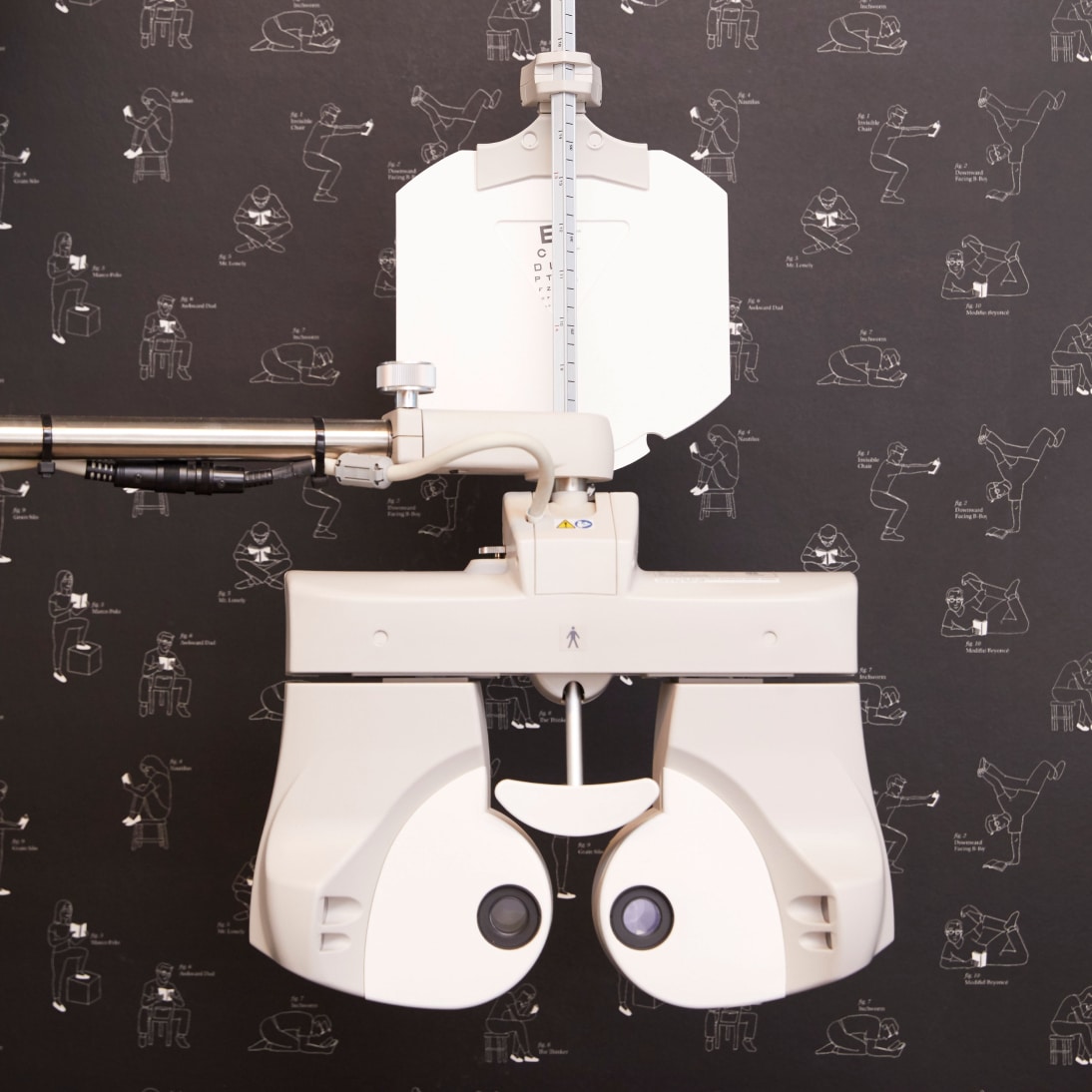
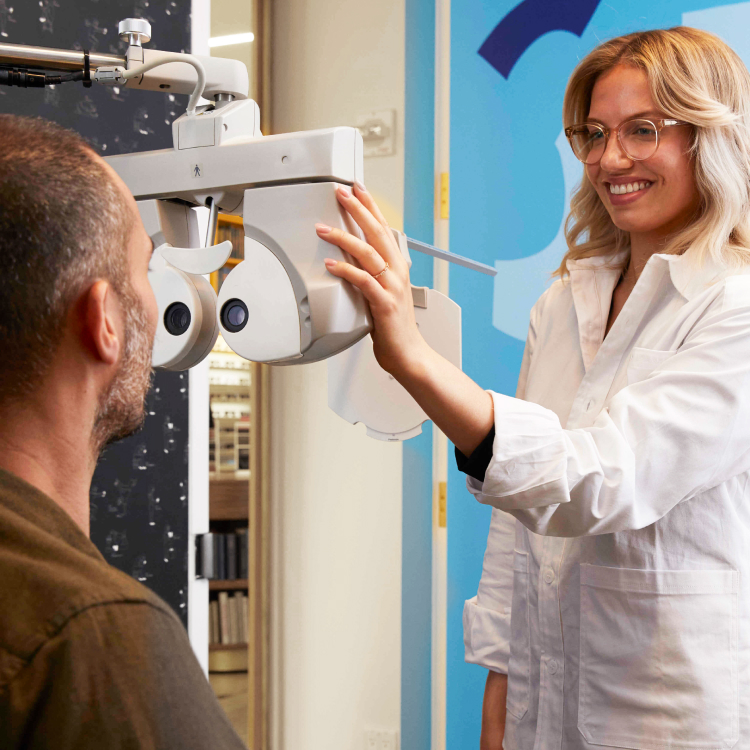
A person’s visual acuity is an important factor in determining their range of vision. Visual acuity measures the sharpness of a person’s vision when looking at objects a certain distance away. In general, someone with better distance visual acuity will be able to see clearly farther than someone with worse distance visual acuity.
For instance, a visual acuity score of 20/20 means you can see at 20 feet what should normally be seen at that distance. But a visual acuity score of 20/100 means that you need to be at 20 feet to see an object someone with “normal vision” can see from 100 feet away.
Several factors can influence some people’s visual acuity, such as refractive errors, like myopia (nearsightedness) or astigmatism, or other vision conditions. People with these conditions may need corrective eyeglasses or contact lenses to help them see farther.